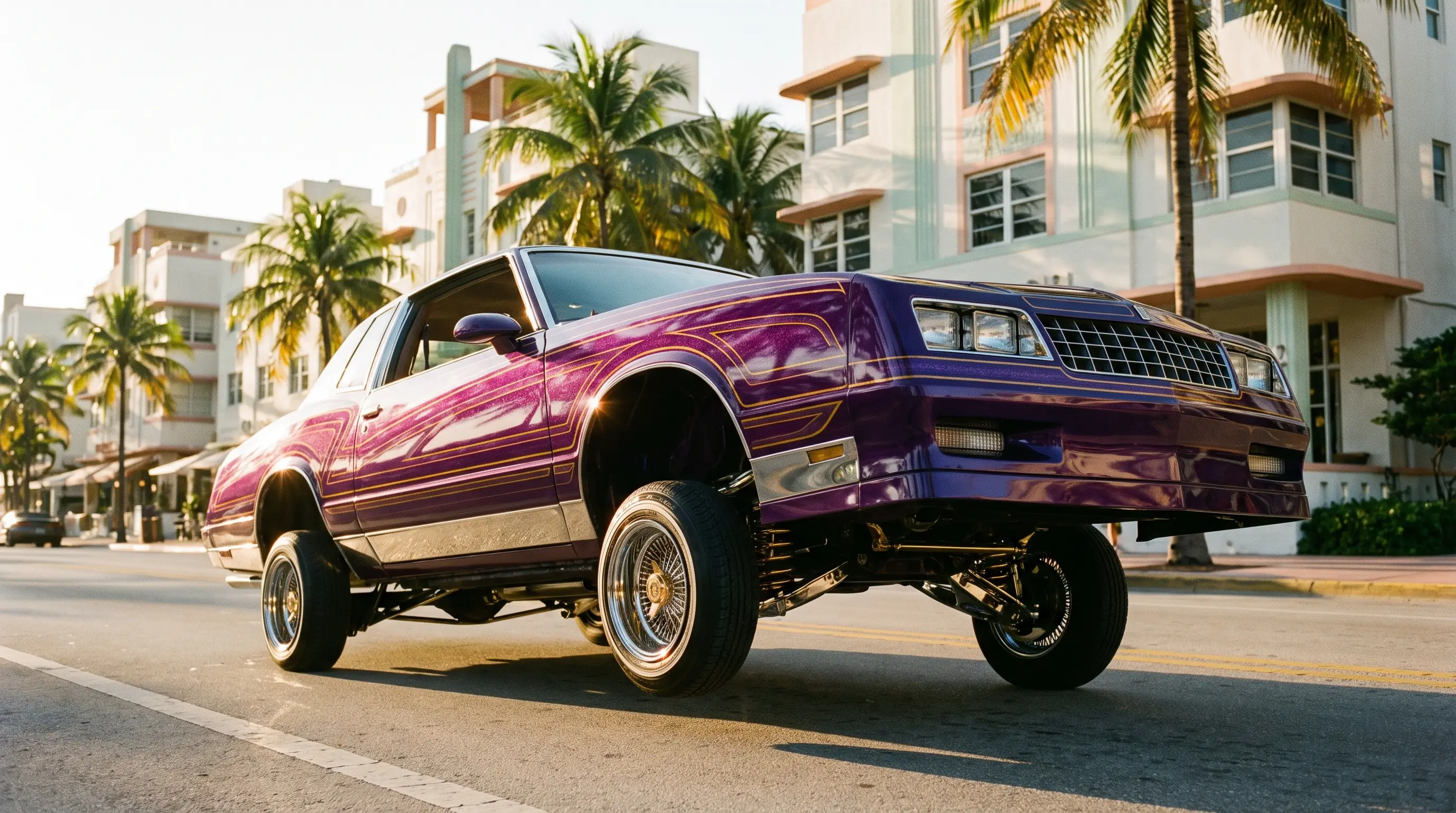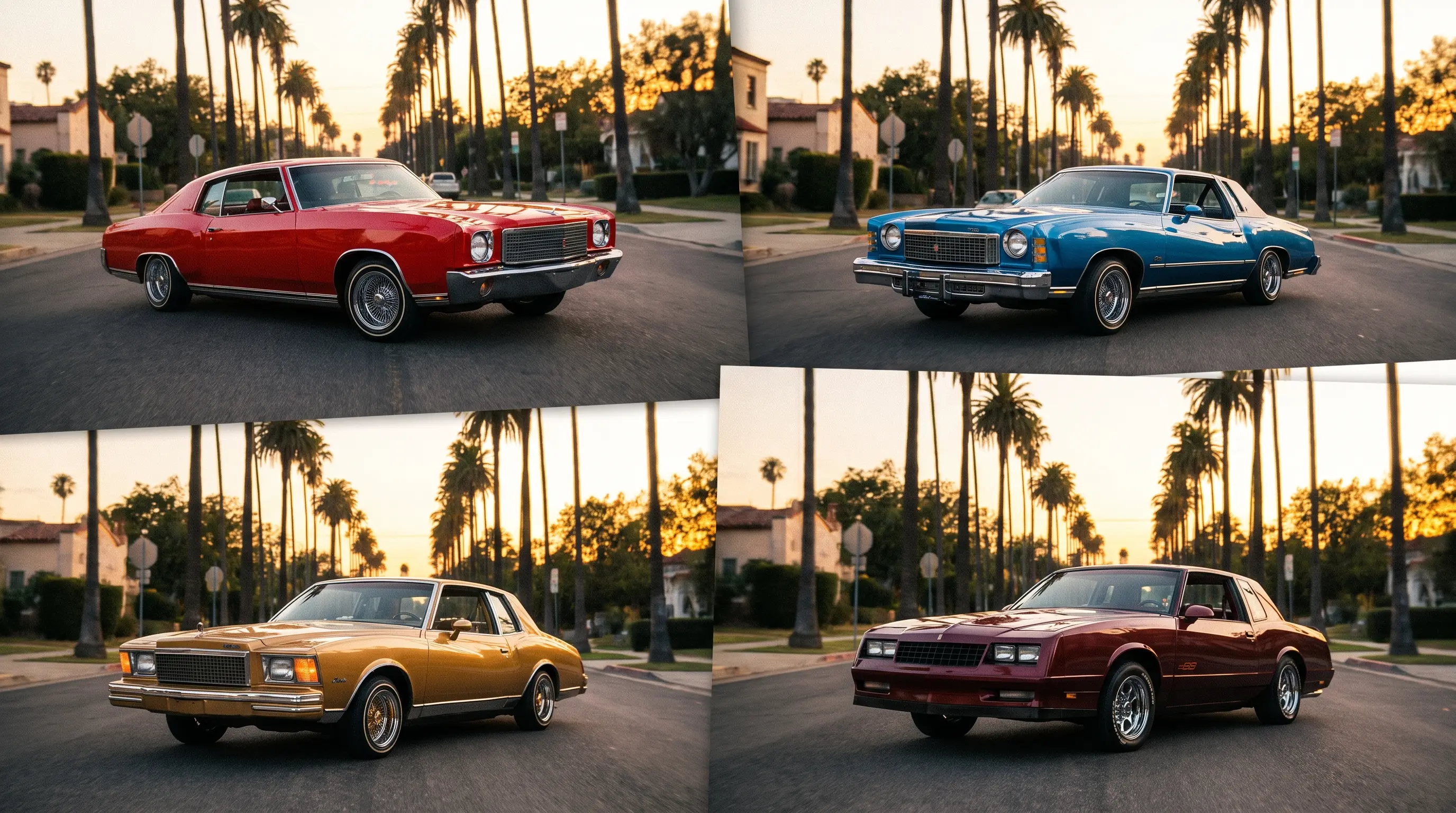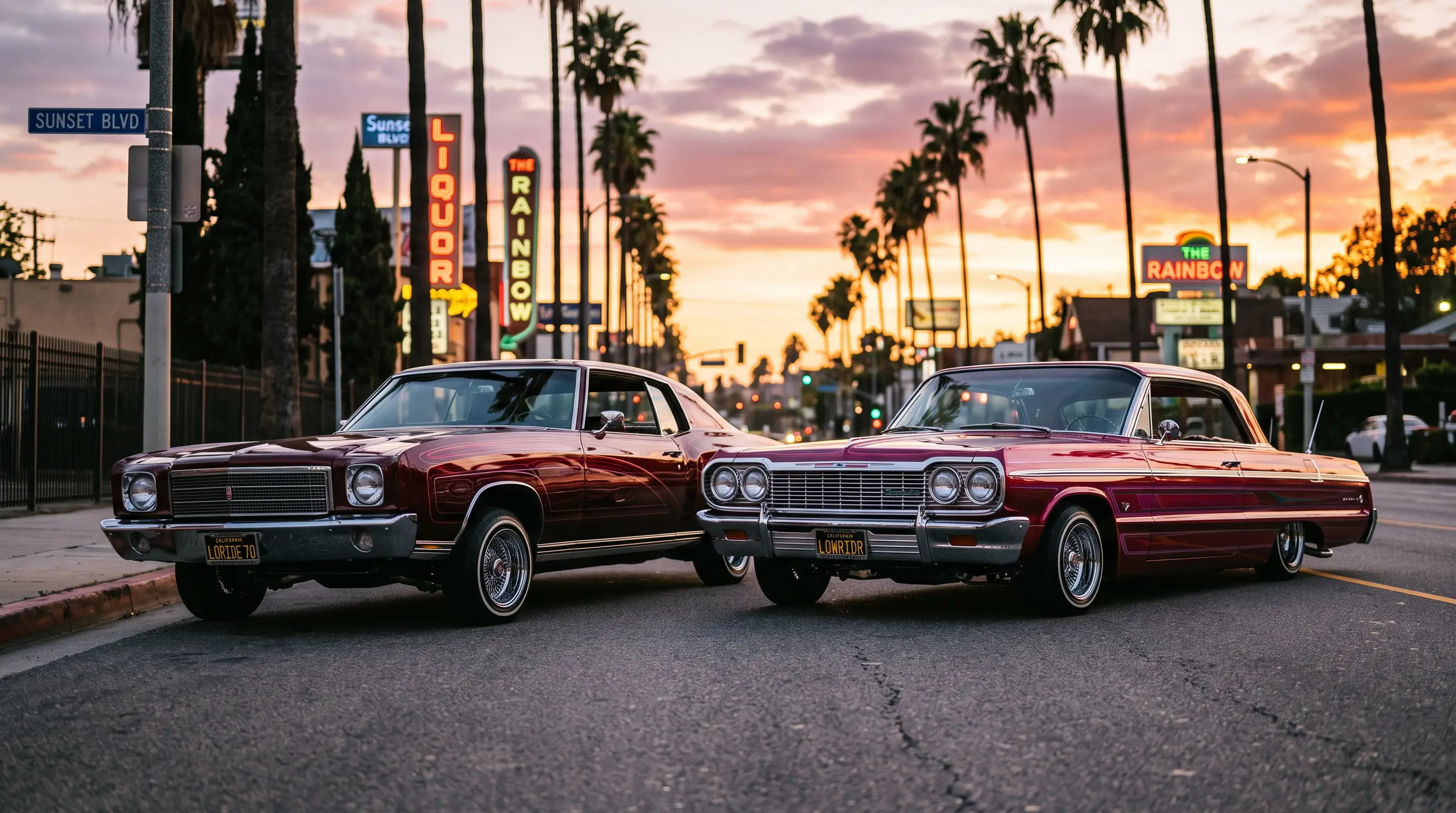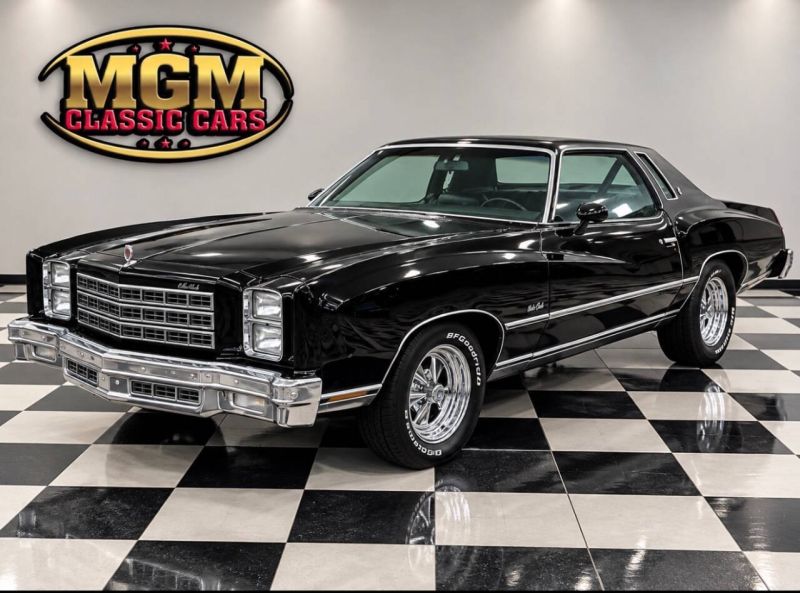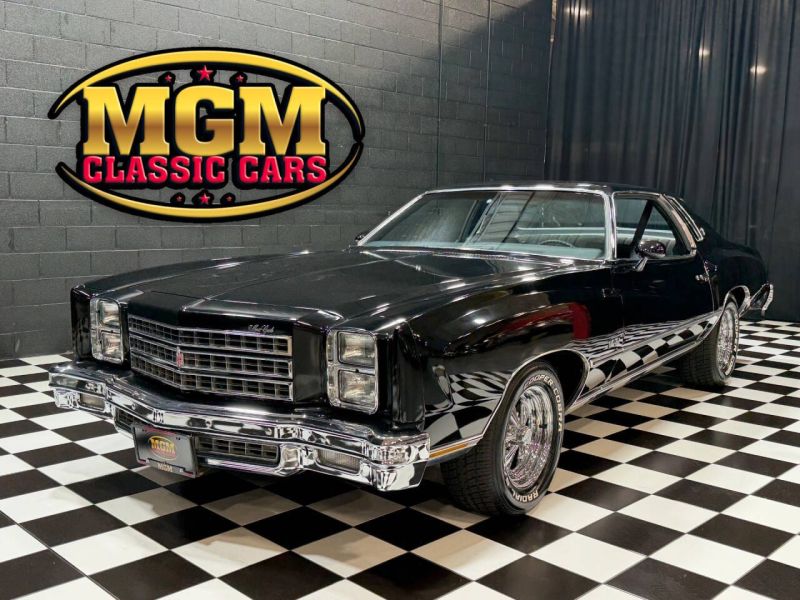
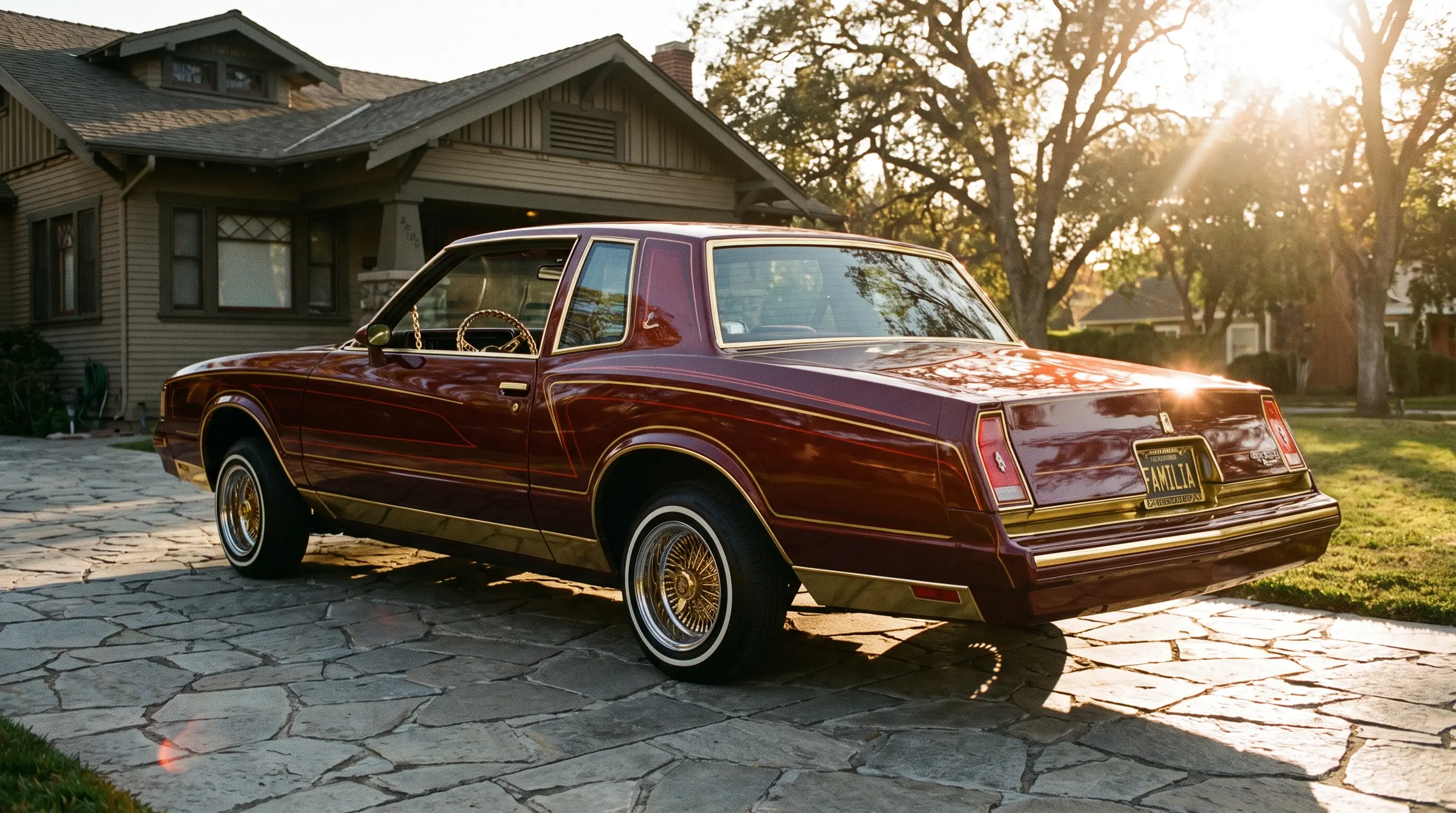
Some of the best monte carlo lowrider family heirloom stories do not start with a build sheet. They start with a garage door that has not been opened in years, a relative who says "that was your grandfather's," and a family that suddenly has to decide what a car actually means to them. We have sat in enough of those garages to know the pattern by now. The car is usually a G-body, usually painted in a color nobody remembers picking, and usually loved far more than it has been maintained.
The car that outlived the man who built it
A Monte Carlo bought new or bought used in the 1980s and built up over a decade of weekends becomes something more than transportation for the person who did the work. It becomes a record of every decision they made, every part they saved for, every friend who helped drop the engine back in. When that person passes the car to a son, a daughter, or a nephew, they are not handing over a vehicle. They are handing over a set of choices that took years to make, and the family often does not fully understand that until they try to change something and realize how deliberate the original build actually was.
We have heard the same sentence from more than one heir over the years: "I didn't understand why he did it that way until I owned it myself." That is usually said about a paint color, a wheel choice, or a stereo setup that seemed dated until the new owner learned the story behind it.
Keeping the build honest across a generation gap
The hardest part of inheriting a Monte Carlo lowrider is resisting the urge to modernize it into something the original builder would not recognize. A grandson might want bigger wheels, a different stance, or a repaint in a trendier color. The families who handle this well tend to treat the original build as a document worth preserving, at least in its broad strokes, even while they make the mechanical repairs that keep the car running.
Photographs help enormously here. A family that kept snapshots of the car from car shows in the 1980s and 1990s has something to check the restoration against, a way to know whether a panel gap or a paint fade is original or the result of decades of Sunday driving. Without those photos, families are often guessing at what their relative actually intended, and guesses tend to drift the car further from its roots with every pass through a shop.
The club as a second family in the handoff
When a builder passes and leaves a Monte Carlo behind, the car club they belonged to often becomes as important to the story as the blood relatives who inherit the title. Club members remember details a spouse or a child might not, things like why a particular hydraulics setup was chosen or which local painter laid down the mural on the trunk. We have seen clubs effectively co-parent a car through a transition, showing up to help a grieving family understand what they now own and, just as often, helping them decide the car deserves to keep rolling in shows rather than sitting under a cover.
That kind of support is part of why the culture around these cars holds up as well as it does. A Monte Carlo does not just belong to one owner across its life. It belongs to a network of people who watched it get built, and that network tends to show up again when the car changes hands inside a family.
"A lowrider Monte Carlo that gets passed down right is not a museum piece. It still goes to the show, it still gets driven on Sunday, and the new owner still has to earn the right to say it is theirs by keeping it the way it was meant to be kept."
- Hector Morales
The paperwork that keeps a story from being lost
Beyond photographs, the families who preserve an inherited Monte Carlo's history well tend to hold onto every scrap of paper that came with the car, receipts from a chrome shop, a torn business card from a painter, even old show entry forms with judging notes scribbled on the back. None of these documents seem important individually. Together they form the only record of decisions that would otherwise disappear the moment the person who made them is no longer around to explain why they did what they did.
We have watched families realize too late that a detail they assumed was common knowledge, like which shop laid down the original mural or what year a particular hydraulics setup was installed, actually only lived in one person's memory. Once that person is gone, the family is left guessing, and a car's documented history turns into a car with an oral tradition nobody can fully verify anymore. Writing things down while the original builder is still around to confirm them is the single easiest way to prevent that loss.
What families should decide before they touch anything
The families who navigate an inherited Monte Carlo the best tend to make three decisions early and stick to them. First, they decide whether the goal is preservation or continued use, because those two goals pull maintenance decisions in different directions. Second, they figure out who in the family actually wants to be responsible for the car long term, since a shared inheritance without a clear caretaker tends to end with the car neglected. Third, they reach out to whatever club or community the original owner was part of, because that community usually wants to help and often has knowledge the family cannot get anywhere else.
There is also a quieter emotional calculation families rarely talk about openly, which is how much a car is worth to them measured against how much it might be worth to a stranger. Some families decide the car is a piece of their history that has to stay in the family regardless of what a buyer might offer, while others come to peace with letting it go once they realize nobody in the next generation has the time, space, or genuine interest to maintain it properly. Neither choice is wrong, but the families who struggle most are the ones who never have the conversation directly and instead let the car sit in limbo for years, slowly deteriorating while nobody wants to be the one who suggests selling it.
If any of this resonates with a car sitting in your own family's garage, it is worth reading our complete history of the Monte Carlo's place in lowrider culture before you decide what to do next, since understanding the broader movement makes it easier to understand what your specific car represents. From there you can keep exploring how the Monte Carlo compares to its closest rival in the same scene. And if your family's story ends with the decision to sell rather than restore, there is usually a buyer out there who wants exactly that kind of history, since demand for a documented classic Monte Carlo for sale with real provenance rarely runs dry.
Either way, the car outlives the argument about what to do with it. That is usually the whole point.