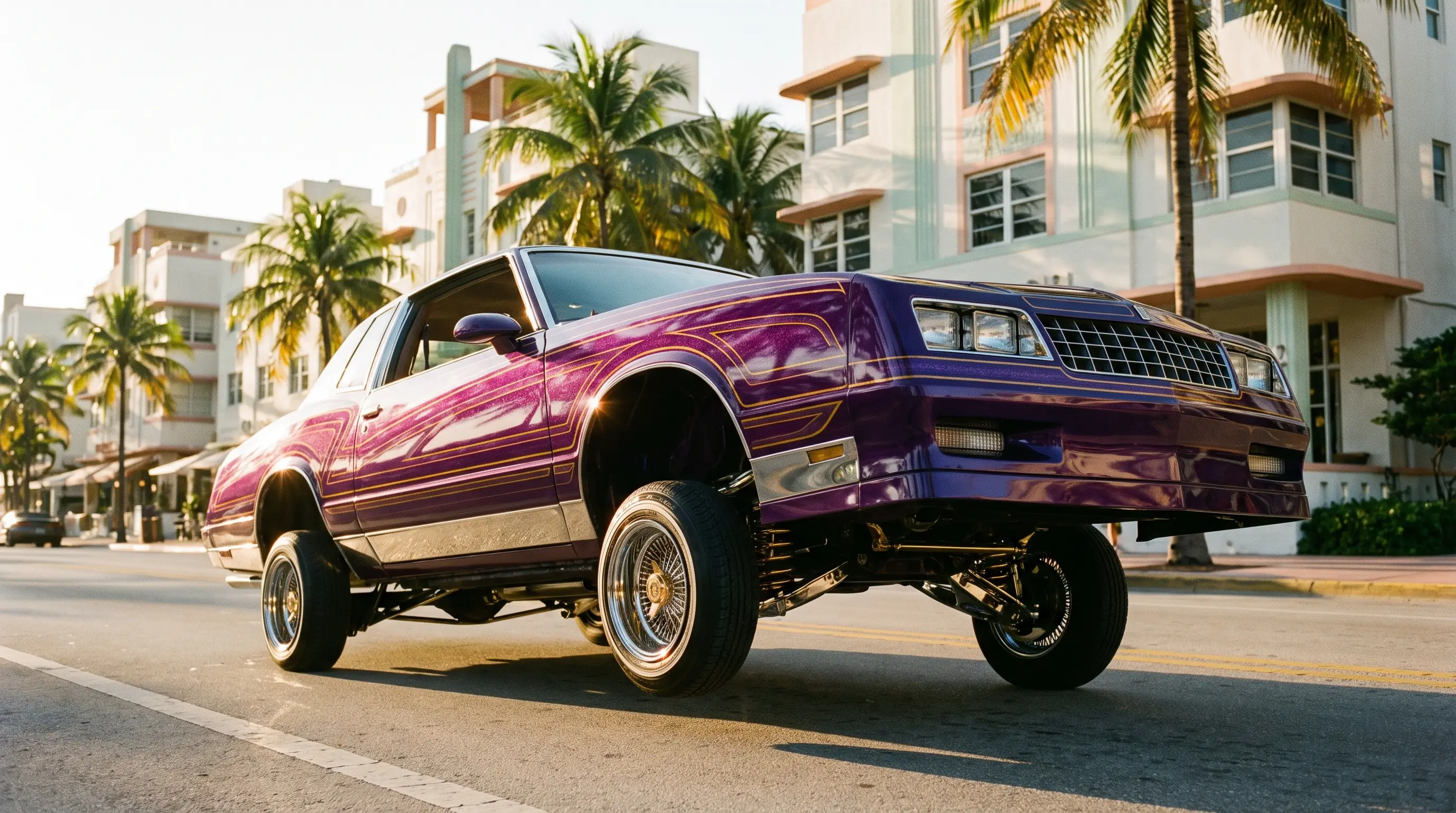
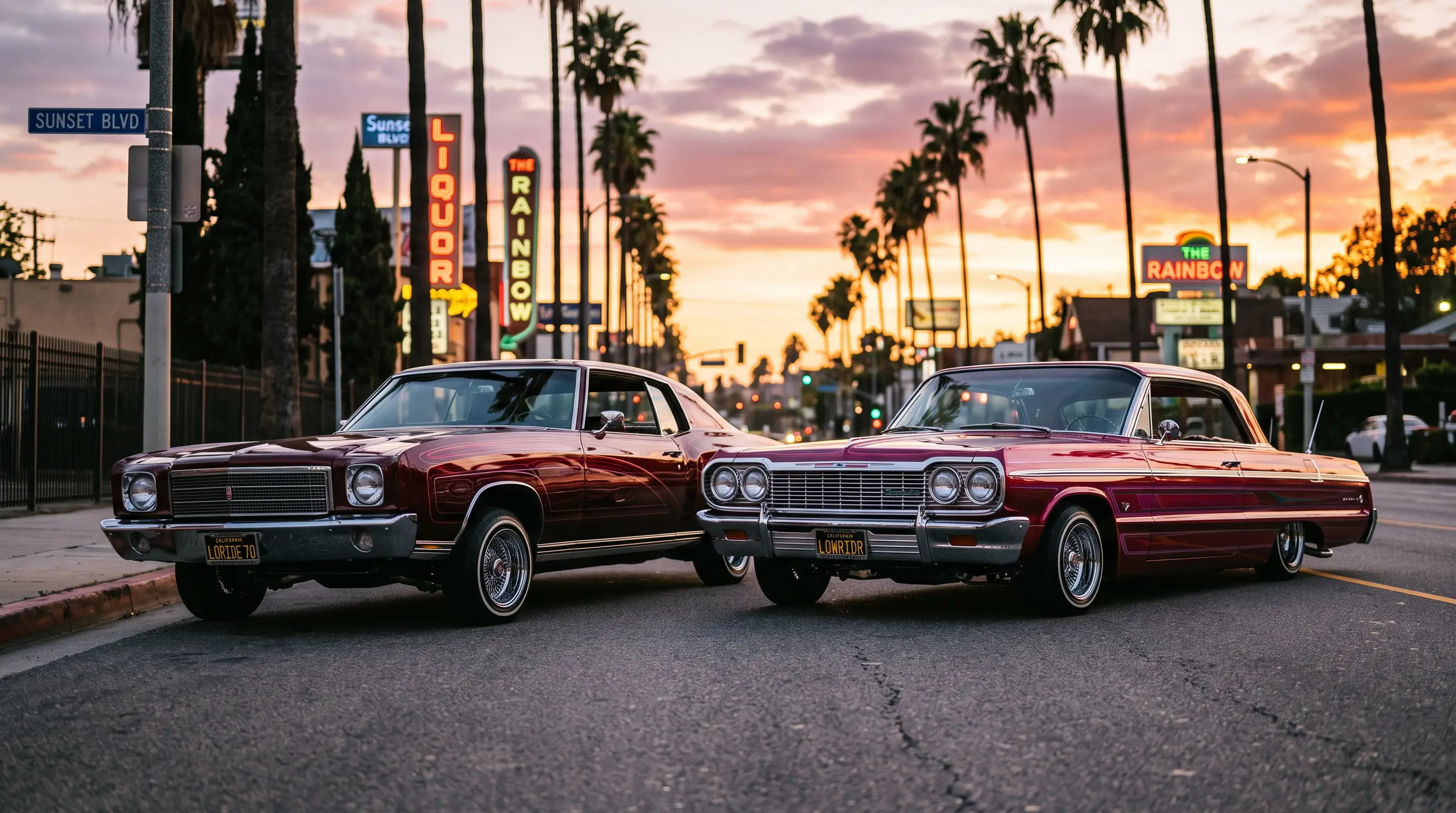
Bring up the monte carlo lowrider vs impala lowrider question at any car show and you had better be ready to defend your answer, because this is the one argument that can end a friendly conversation in a hurry. Both cars wear the same bowtie, both have deep roots in the same neighborhoods, and both have been lowered, hopped, and painted by the same families for generations. We are not here to settle it, but we are here to lay out why the argument exists at all.
Two different kinds of presence on the boulevard
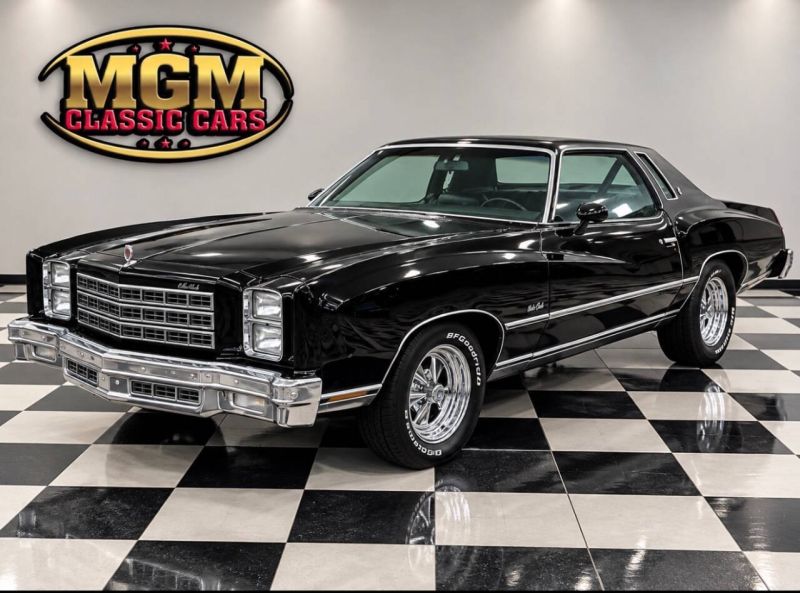
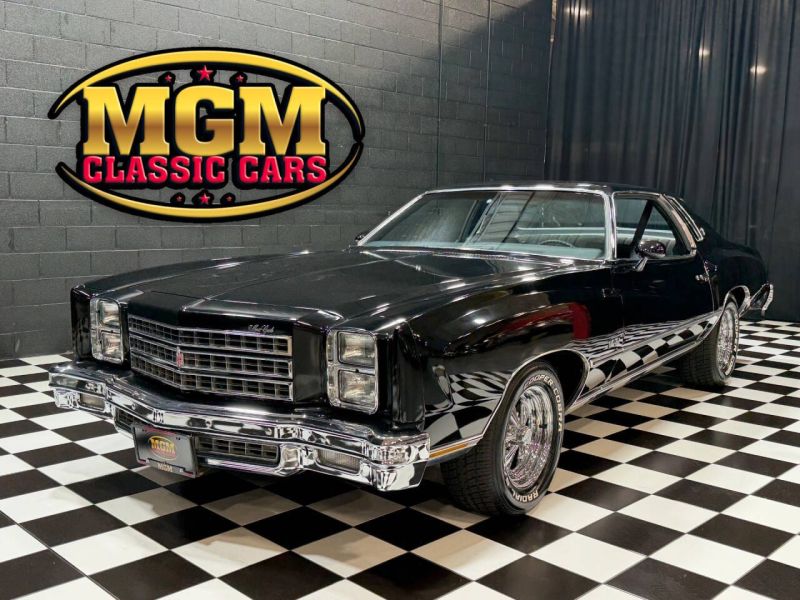
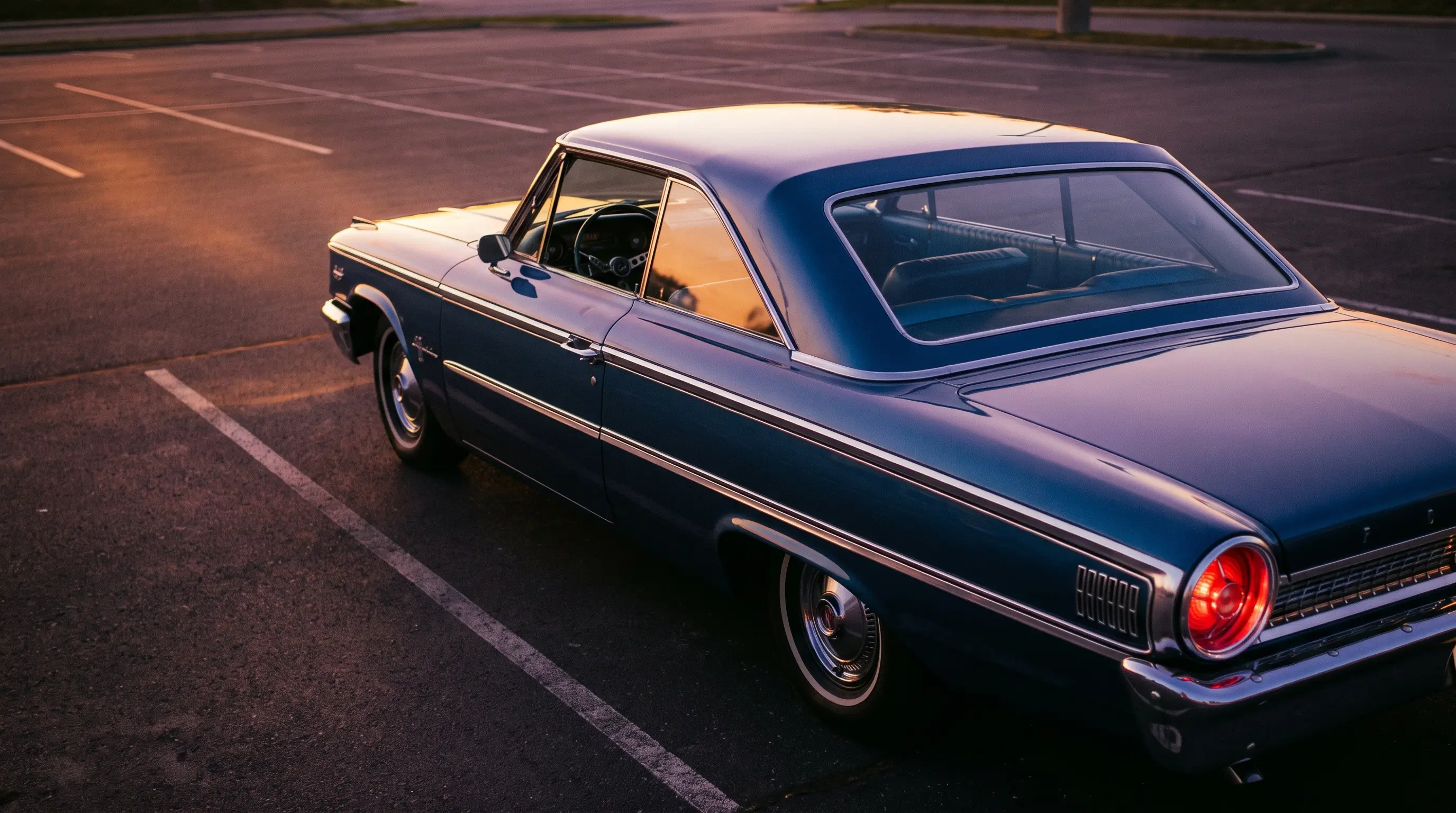
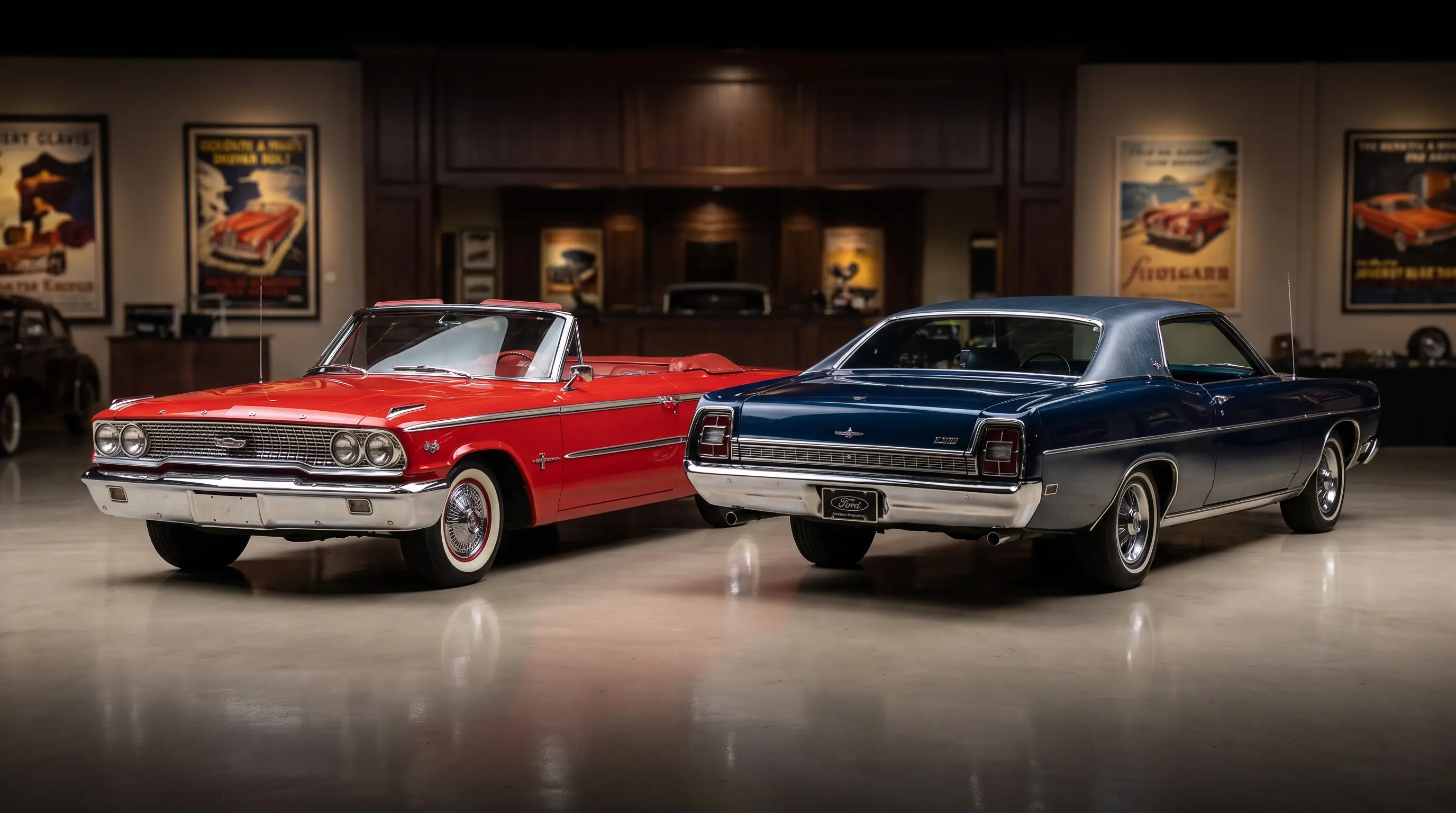
The Impala, especially the full-size cars of the 1960s that most people picture first, carries a size and formality that reads as a statement piece. It is long, it is wide, and its proportions were built for a family sedan that happened to look regal doing it. The Monte Carlo, by contrast, was a personal luxury coupe from the start, built for two doors and a smaller footprint that puts more emphasis on the driver's presence than the back seat's comfort.
That difference shapes how each car reads once it is lowered and dressed up. An Impala on the block feels like a parade car, something meant to be seen rolling slowly down a main strip with the windows down. A Monte Carlo feels more personal, more like an individual statement than a family showpiece, and builders who prefer the Monte Carlo often say that intimacy is exactly why they picked it over the bigger car.
The G-body argument changes the comparison
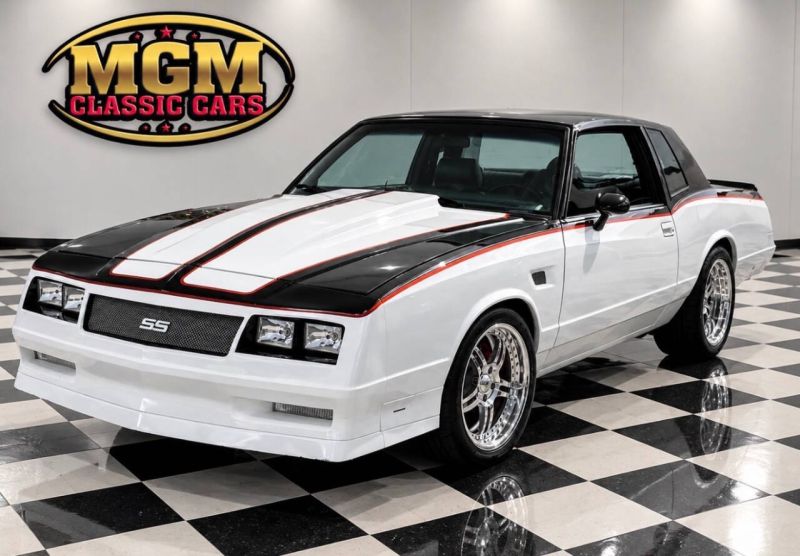
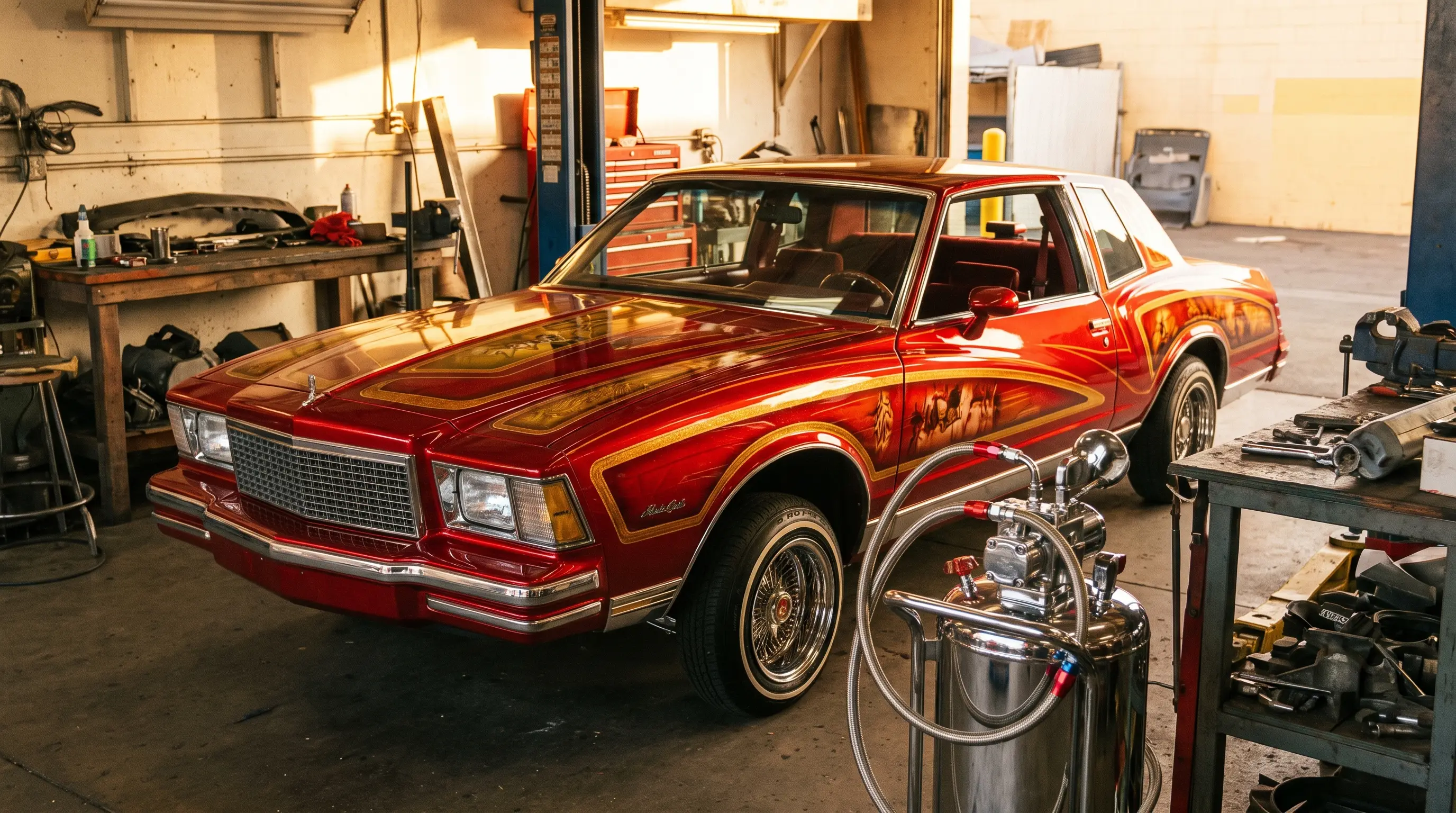
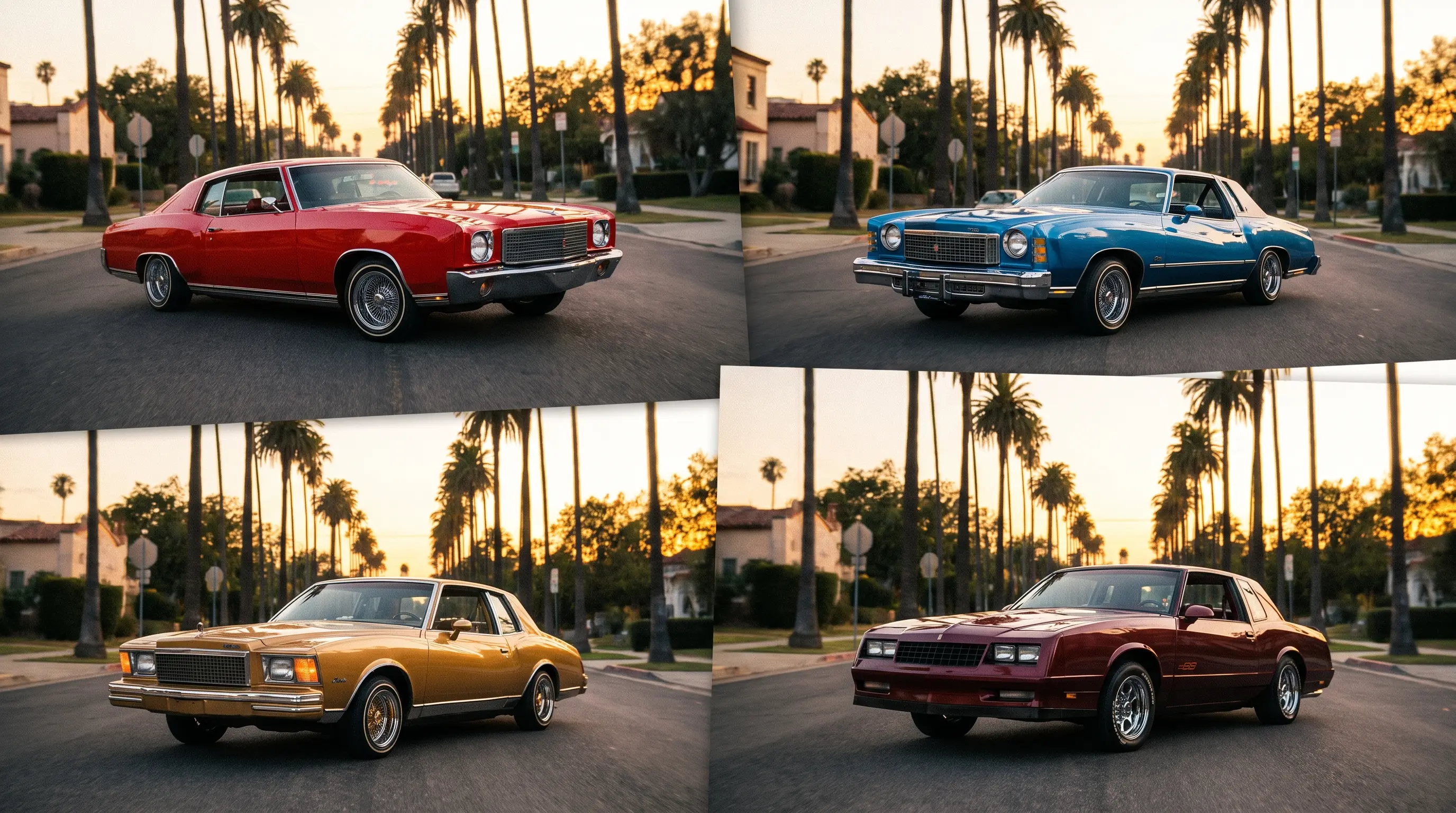
Once you get into the 1981-88 G-body era, the comparison gets more direct, because that is when the Monte Carlo went head to head with the Cutlass Supreme and, indirectly, with whatever full-size Impala or Caprice equivalent a family already owned. The G-body Monte Carlo's flatter panels and cleaner lines made it a favorite for muralists in a way the rounder full-size Impala bodies of the same period did not quite match. Builders working in this window often chose the Monte Carlo specifically because the canvas was easier to work with, not because they had any grudge against the Impala nameplate.
This is also where hydraulics setups started to differ meaningfully between the two platforms. The Monte Carlo's shorter wheelbase and lighter overall weight let it hop and dance with a different character than a heavier full-size Impala, and builders who wanted a car that could really move in a hop competition sometimes leaned toward the lighter coupe for that reason alone.
What a builder's first car usually decides
Loyalty in this argument often traces back to whichever car a builder's father or uncle owned first, and that early exposure tends to shape a preference that lasts a lifetime. Someone who grew up watching an Impala get lowered and detailed in the driveway usually defends the Impala reflexively, not because they have run the comparison objectively but because that car represents their earliest memory of the culture itself. The same is true in reverse for anyone whose formative memory involves a Monte Carlo instead.
This generational inheritance of preference is part of why the debate has stayed alive for so long without either side gaining real ground. New builders keep entering the scene carrying opinions shaped by family history rather than a cold comparison of the two platforms, and that constant influx of inherited loyalty keeps the argument fresh even as the cars themselves age into their fifth and sixth decades.
Why the argument never actually gets settled
Part of what keeps this debate alive is that the two cars serve different instincts inside the same culture. The Impala argument usually comes from people who value scale and history, since the full-size Chevrolet has a longer, more storied run as the default lowrider platform going back decades before the Monte Carlo even existed. The Monte Carlo argument usually comes from people who value the coupe's proportions and the flexibility of the G-body chassis for detailed paint and body work.
Neither side is wrong, and most builders who have been around long enough have owned both nameplates at some point. We have talked to more than one person who started with an Impala because that is what their father drove, then moved to a Monte Carlo because they wanted something that felt like their own project rather than a repeat of the family car.
"You don't pick the Monte Carlo because you're against the Impala. You pick it because the car in front of you is asking for something a little different, and a good builder listens to that."
- Hector Morales
How club rules shaped the argument over time
Some of the fiercest versions of this debate actually came from inside individual car clubs rather than between strangers at a show. A club with a majority of Impala owners might informally push newer members toward that platform simply out of convention, while a club built around Monte Carlo builds from its founding might treat the Impala as an outsider's choice even when both cars would have been welcome under the club's official rules. These internal dynamics shaped which nameplate dominated specific regions and specific decades more than any objective comparison of the two cars ever could.
Over time, as clubs mixed and members moved between groups, those regional biases softened, and it became more common to see both platforms represented within a single club roster. That shift did not end the debate, but it did make the conversation friendlier, since arguing with a fellow club member about platform choice carries a different tone than arguing with a stranger from a rival club across town.
Where the two cars actually agree
Strip away the platform loyalty and both cars share the same core requirements once they enter lowrider culture. Both need a lowered stance done right, both reward patient bodywork more than rushed paint, and both depend on a community around the builder to really come alive at a show rather than just sit in a driveway. That shared foundation is probably why the argument stays friendly more often than not. Everyone involved agrees on what makes a build good. They just disagree on which body style deserves the effort.
If you want the deeper context behind why the Monte Carlo earned its place in this conversation at all, read the background on how the car built its reputation generation by generation. And whichever side of the debate you land on, the market for both nameplates stays active, so if this argument has you shopping rather than just talking, you can browse classic Monte Carlo listings and decide for yourself which platform earns the garage space.
Our honest answer, if pressed, is that the debate itself is the point. A scene that argues this hard about two cars from the same brand is a scene that cares deeply about getting the details right, and that care is worth more than picking a winner.