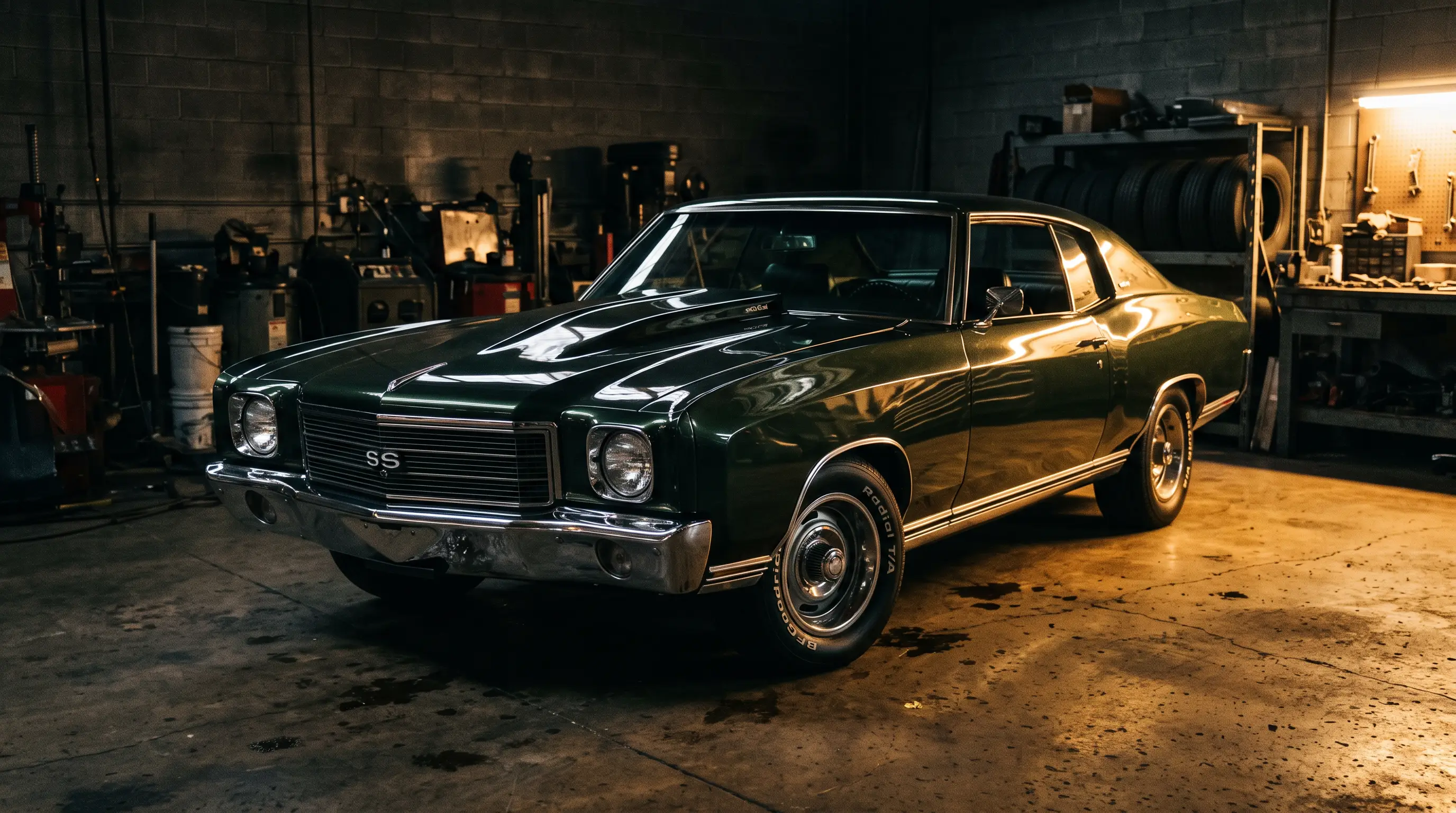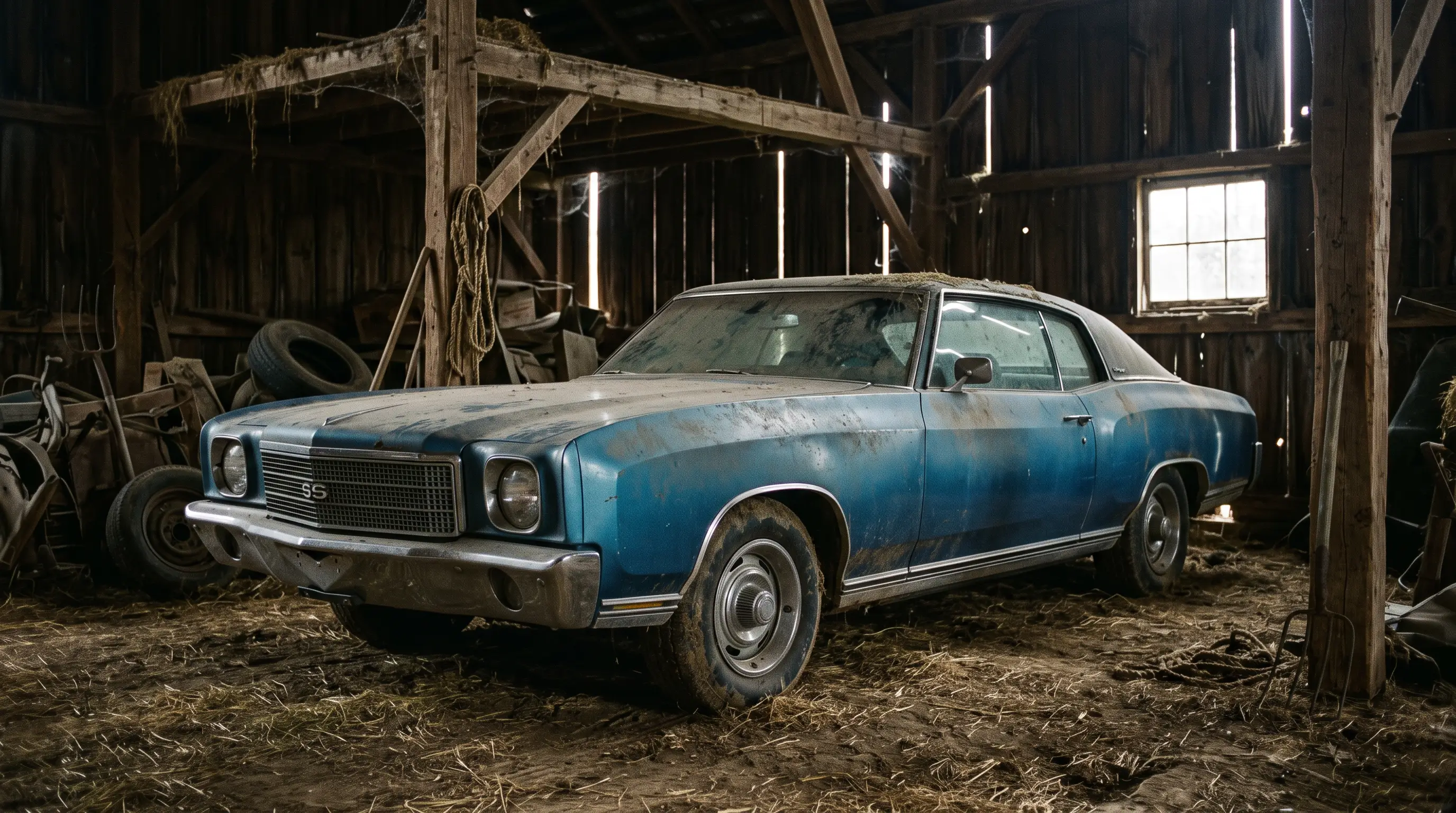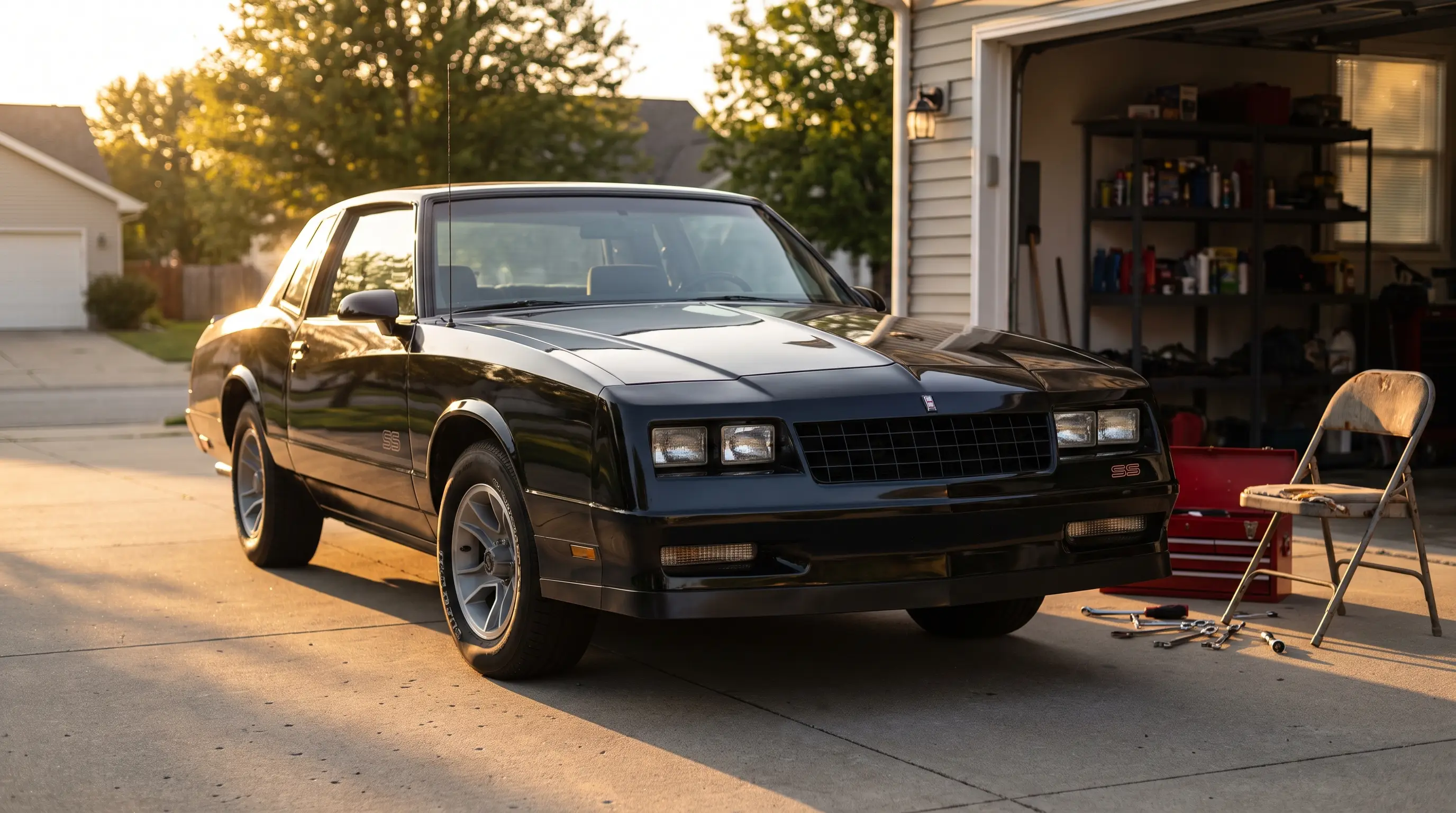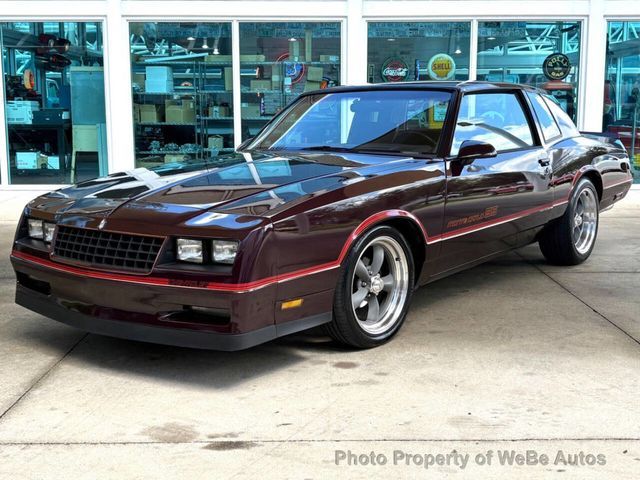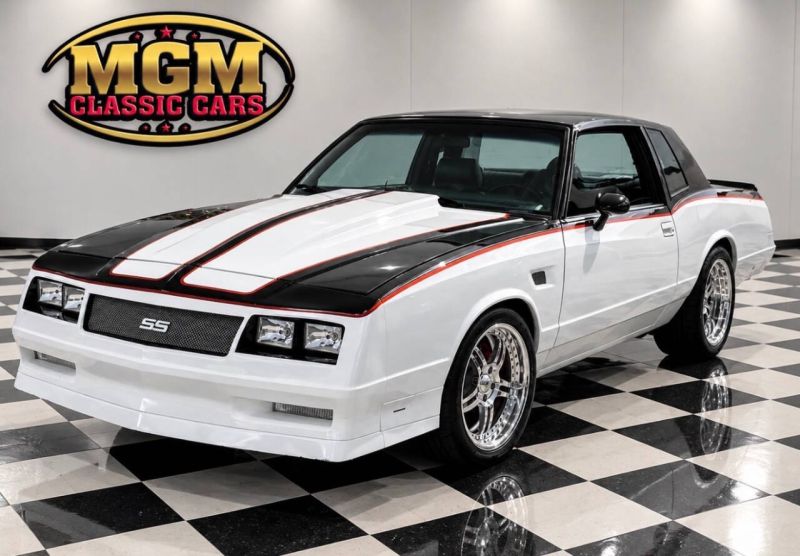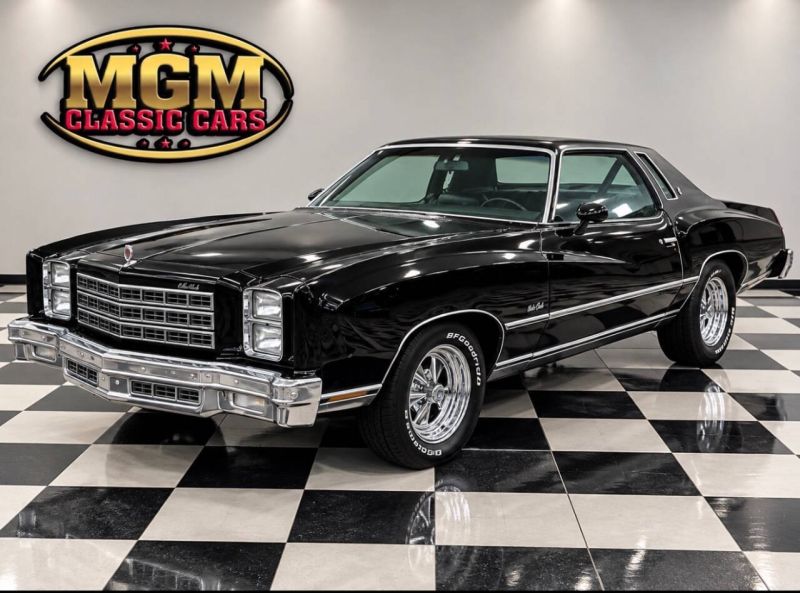
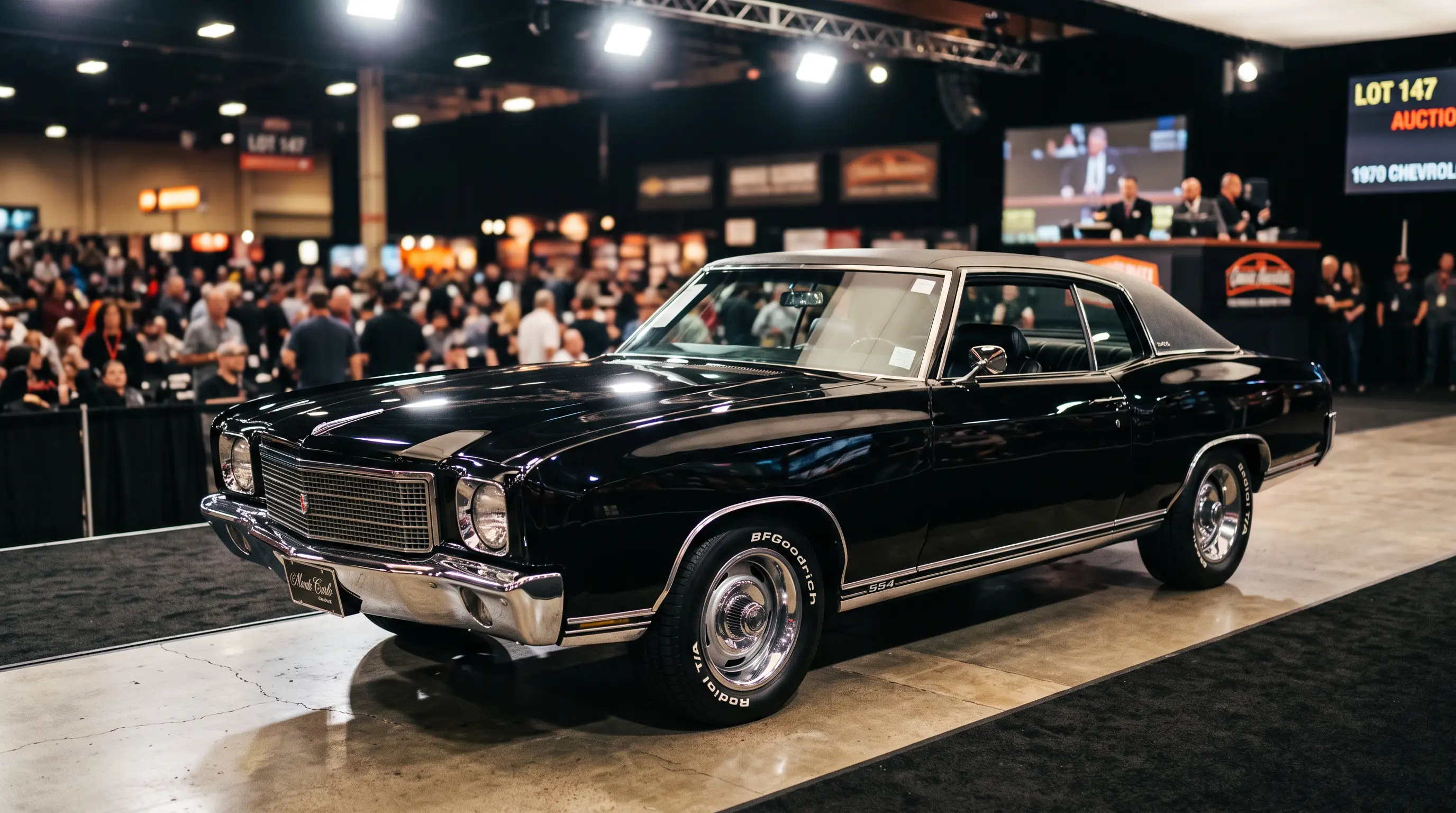
Most Monte Carlo SS cars that cross an auction block sell quietly, a fair price for a fair car, gavel down, next lot. That is not the story worth telling. The story is what happens when a documented, low-mile, correctly optioned example shows up and two bidders decide they both need it more than the other one does. Monte carlo ss auction highlights are less about any single record price and more about a pattern that repeats itself: condition and paperwork consistently beat rarity alone, and the cars that spike hardest are almost never the ones with the flashiest color combination.
What actually drives a bidding war on this car
I have watched enough SS lots go under the hammer to know the pattern by now. Two things separate a car that sells at a modest premium from one that draws a real fight: documented low mileage with a paper trail to back it up, and factory-original condition rather than a repaint or reupholster, however well done. Buyers at this level are not chasing a color they like, they are chasing verifiable originality, and a car with build sheet, original window sticker, and a clean chain of ownership will out-earn a flashier but less documented car nearly every time. The Aerocoupe variant amplifies this further. When an Aerocoupe with real documentation and an unmolested body comes up, it draws bidders who otherwise have zero interest in the standard SS, purely because the combination of scarcity and NASCAR pedigree is rare enough that missing the lot might mean waiting years for another chance.
"Paperwork beats paint every single time at this level. I've watched a well-documented but plain-Jane SS out-earn a gorgeous repaint with no history, because the buyer paying real money wants to know what he's actually got, not just what it looks like from the sidewalk."
- Marcus Feld
Reading an auction result correctly
A single hammer price tells you almost nothing on its own. What matters is the pattern across multiple sales of comparable cars over a stretch of time, and even then you have to account for outliers, a bidding war between two collectors who both wanted the exact same car for personal reasons unrelated to the market. I tell clients to weight three or four comparable recent sales more heavily than any one headline number, and to always check whether a reported sale price included a buyer's premium or not, because that gap alone can distort a comparison by a meaningful percentage. Auction results are useful data, not gospel, and treating any single sale as the market is how buyers talk themselves into overpaying. Regional differences matter too, since a car selling at a marquee national event draws a different bidder pool with different budgets than the same car selling at a smaller regional auction, and comparing prices across those two settings without adjusting for venue is another common way enthusiasts misread what the market is actually telling them.
| Factor | Effect on hammer price |
|---|---|
| Documented original mileage | Consistently the strongest single premium driver |
| Factory-original paint and interior | Outperforms even well-done restorations |
| Aerocoupe variant with clean history | Draws bidders outside the usual SS buyer pool |
| Missing build sheet or window sticker | Softens price even on an otherwise strong car |
The role condition grading plays in the final number
Auction houses and appraisers grade condition on a spectrum that runs from a rough driver needing significant work all the way up to a concours-level, best-in-class survivor or restoration, and the gap in price between those two ends of the spectrum on the same model year is enormous, often several multiples of the lower figure. What surprises newer bidders is how much a car can move up or down that spectrum based on details that have nothing to do with mechanical function. Panel gaps, paint depth and consistency, correct fastener types, and even the presence of factory-correct decals in the right locations all feed into a condition grade that ultimately determines where on that price spectrum a given car lands. Bidders who show up expecting mechanical soundness alone to carry a high grade are frequently surprised when a car with a strong drivetrain still grades modestly because of cosmetic and originality details a casual buyer would never think to check.
Where the average buyer should actually be looking
Headline auction results get the attention, but they are not where most people should be shopping if the goal is ownership rather than speculation. The vast majority of Monte Carlo SS transactions happen well below headline territory, private sales and smaller consignment lots where a solid, honest driver-quality car changes hands for a fraction of what a documented low-mile Aerocoupe pulls at a marquee event. Understanding the top of the market still matters because it sets the ceiling and tells you what documentation is actually worth chasing on a more modest purchase. For the fuller picture of how the SS badge built the reputation that now drives these results, monte carlo ss history lays out the background, and there is a related story on what it actually looks like to live with one of these cars day to day rather than just watch it cross a stage.
How consignment sellers can position a car correctly
Owners planning to sell through an auction house rather than privately should start assembling documentation months before the car goes to consignment, not the week the listing is drafted. Every service record, every prior title, any correspondence with the original selling dealer, and any period photographs of the car all strengthen a listing's credibility with serious bidders who have seen enough thin, undocumented listings to be skeptical by default. Consignors who show up with a thick, organized history file consistently outperform consignors who show up with a clean car and a vague memory of where it came from, even when the two cars are mechanically identical. Auction houses themselves will tell sellers this directly, but it still surprises people how much a well-organized folder of paperwork can add to a final hammer price compared to the same car sold with nothing but a confident verbal description.
The takeaway for anyone watching this market
Auction spikes make headlines, but they are lagging indicators, not buying guides. By the time a particular color or option combination is setting records at a marquee sale, the smart money has usually already moved on to the next undervalued variant. Anyone serious about this market should watch the pattern across several sales rather than react to one big number, and should treat documentation as the single most reliable lever they can pull to protect value in their own car. If you want to compare current asking prices against everything covered here, you can look at Monte Carlos for sale now and see how documentation and condition are actually being priced in the private market today.