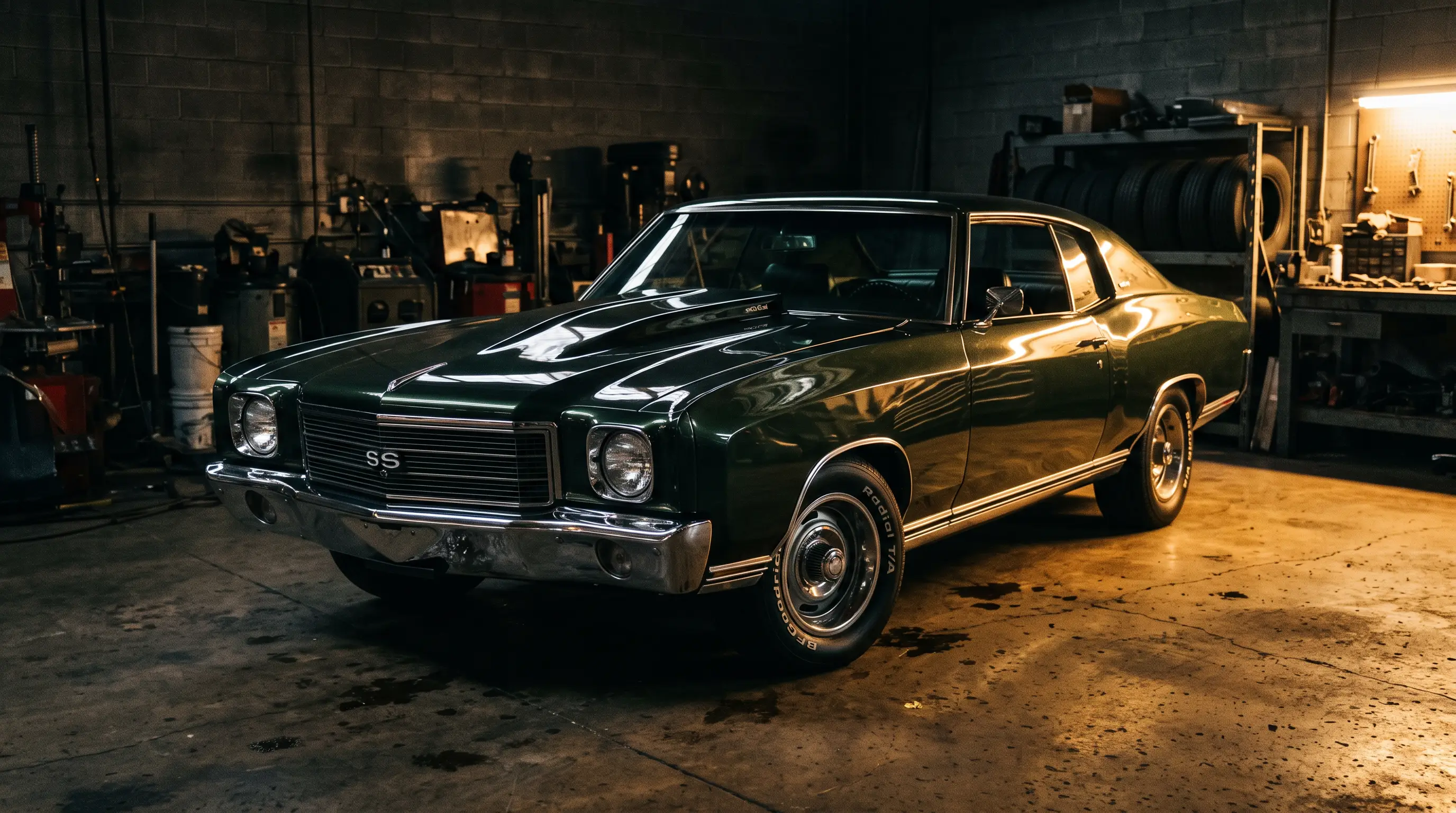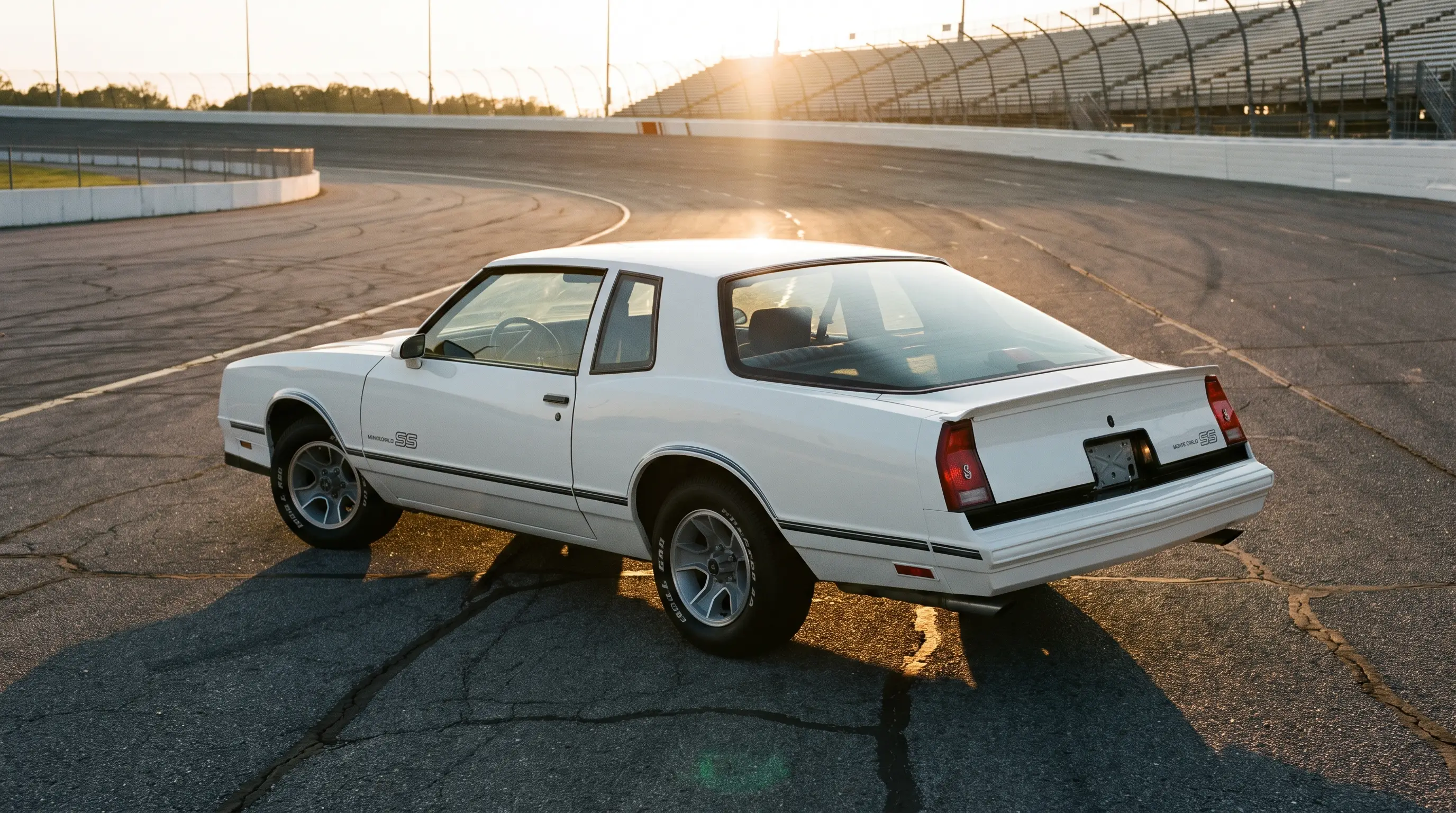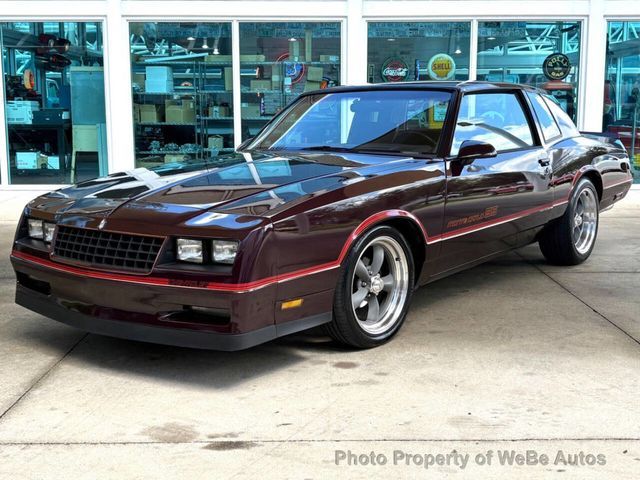
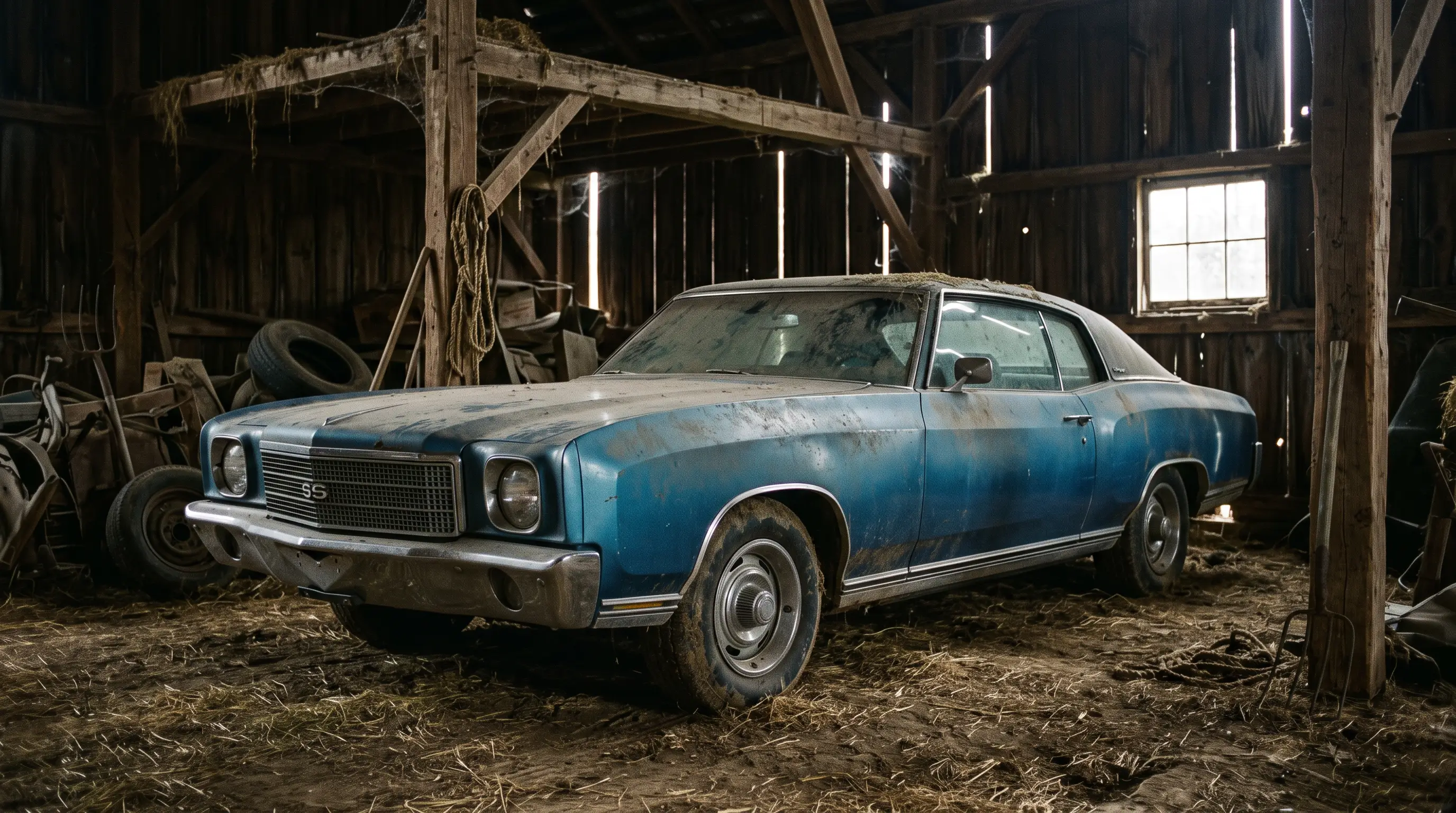
Every region has one. A pole barn out past the county line, a stack of feed sacks against the fender, a Monte Carlo SS sitting on flat tires under a tarp somebody threw over it fifteen years ago and never took back off. Monte carlo ss barn find stories keep circulating because this particular car hides well. It was common enough in its day that plenty got parked rather than crushed, and G-bodies rust from the inside out in places nobody checks until it is too late, which means a lot of survivors sat quietly instead of getting driven into the ground. I have pulled more than a few of these out of barns and pole sheds myself, and the good ones and the disasters look almost identical from ten feet away.
Why so many SS cars ended up parked instead of scrapped
The Monte Carlo SS was a production car built in real numbers, not a limited-run halo model, and that volume is exactly why barn finds keep turning up. A car that was somebody's daily driver in 1987 became somebody's second car by the mid nineties, then a project that never got started, then a thing sitting behind the shop that everybody meant to get to eventually. Nobody sets out to mothball a Monte Carlo SS for two decades. It happens because a transmission goes out, a family member passes it down, priorities shift, and a running project becomes a stationary one. Add in a farm building with a roof that actually kept water off it, and you get a car that emerges thirty years later needing fluids, a battery, and a lot of patience rather than a full rebuild.
The tell-tale signs of a good find versus a money pit
The first thing I check on any barn car is not the engine, it is the trunk floor and the lower quarters behind the rear wheel arch, because that is where G-body rust starts and where a lot of sellers do not bother to look before listing a car as "solid." A genuinely good SS barn find has dry floor pans, a trunk floor you can rap your knuckles on without hearing a hollow crunch, and door hinges that have not sagged from decades of sitting on flat tires. The engine bay tells you less than people think. A tired 305 that has not run in fifteen years usually comes back with a carburetor rebuild, fresh fluids, new belts and hoses, and a lot of patience bleeding air out of the fuel system. Structural rust does not come back with patience. It comes back with a welder, and that is where a promising find turns into a money pit fast.
| Check point | Good sign | Warning sign |
|---|---|---|
| Trunk floor | Solid, no soft spots underfoot | Flex or crunch when pressed |
| Lower quarters | Original paint intact, no bubbling | Bubbled paint or filled rust holes |
| Door hinges | Doors close flush after decades stored | Sagging doors from sitting on flat tires |
| Fuel system | Tank drained properly before storage | Varnished fuel left to gum up lines and carb |
What actually gets one of these running again
Getting a long-stored SS moving is a checklist job, not a mystery. Drain and replace every fluid rather than trust anything that has been sitting for a decade or more. Pull the carburetor and clean the bowl and jets of varnished fuel residue before assuming the engine has a real mechanical problem. Check brake lines for rust-through before trusting the pedal, because a soft pedal on a barn car is as likely to be a corroded line as it is worn pads. Battery, belts, hoses, and a fresh set of tires round out the basics before the car goes anywhere under its own power. None of this is glamorous work, but it is the difference between a car that runs reliably again and one that strands somebody on the first drive home.
"People want the barn find to be about the story, the dust, the reveal. I care about the trunk floor. Every good story I've heard about pulling one of these out of storage started with somebody checking the metal before they got excited about the paint."
- Mike Sullivan
The tools and time a real revival takes
Nobody gets a fifteen-year-dormant Monte Carlo SS running in an afternoon, and being honest about that timeline up front saves people from disappointment three weekends in. The first session is usually just assessment: draining old fluids, checking compression before doing anything else, and physically inspecting every rubber component, because dried and cracked hoses and belts fail the moment you put fresh fuel and coolant behind them. The second phase is fuel system work, which almost always means pulling the carburetor completely apart rather than trying to spray cleaner through it and hope, since varnished gasoline leaves a residue that clogs passages a spray can never reaches. Brakes come next, and I mean the whole system, not just pads, because rubber lines and seals that have sat dry for over a decade are a safety item, not an optional upgrade. Only after all three of those phases does the car earn the right to actually start, and even then a careful first startup with someone standing by a fire extinguisher is not paranoia, it is just good practice on a fuel system nobody has fully verified yet.
Where the best finds still turn up
Negotiating a fair price on a long-parked car is its own skill, separate from the mechanical assessment. Sellers of barn cars often anchor their expectations to what a fully restored example sells for online, without accounting for the real cost of bringing a dormant car back to running condition, let alone show quality. A buyer walking in with a clear-eyed estimate of fluids, a carburetor rebuild, brake system work, tires, and a realistic allowance for whatever rust repair the trunk floor and quarters reveal is in a much stronger negotiating position than one who shows up excited about the story and forgets to budget for the work. The best barn find deals happen when the buyer treats the purchase price as only the first number in a longer budget, not the whole picture.
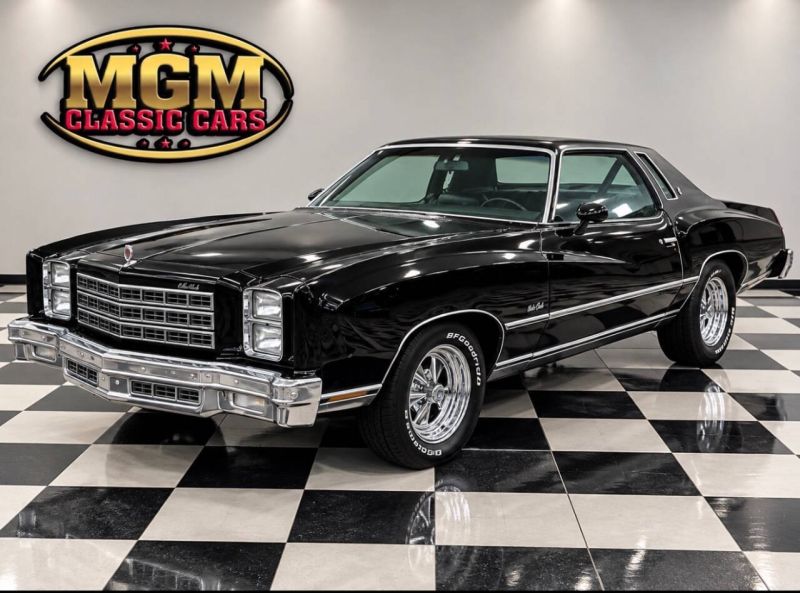
Rural areas with dry climates and a strong farm or small-town car culture still produce the occasional genuine sleeper, a Monte Carlo SS parked by an original or second owner who simply stopped driving it and never got around to selling it. Estate sales are the other common source, when a car that sat in a garage for a family member's whole retirement suddenly needs a new home. If you want the full context on why this particular model keeps drawing people out to check on rumors of one sitting in a shed somewhere, our complete history covers what made the SS worth chasing down in the first place. And if the barn find itch has you wanting to skip the treasure hunt entirely, you can browse classic Monte Carlo listings already pulled out, cleaned up, and ready to inspect without the dust.