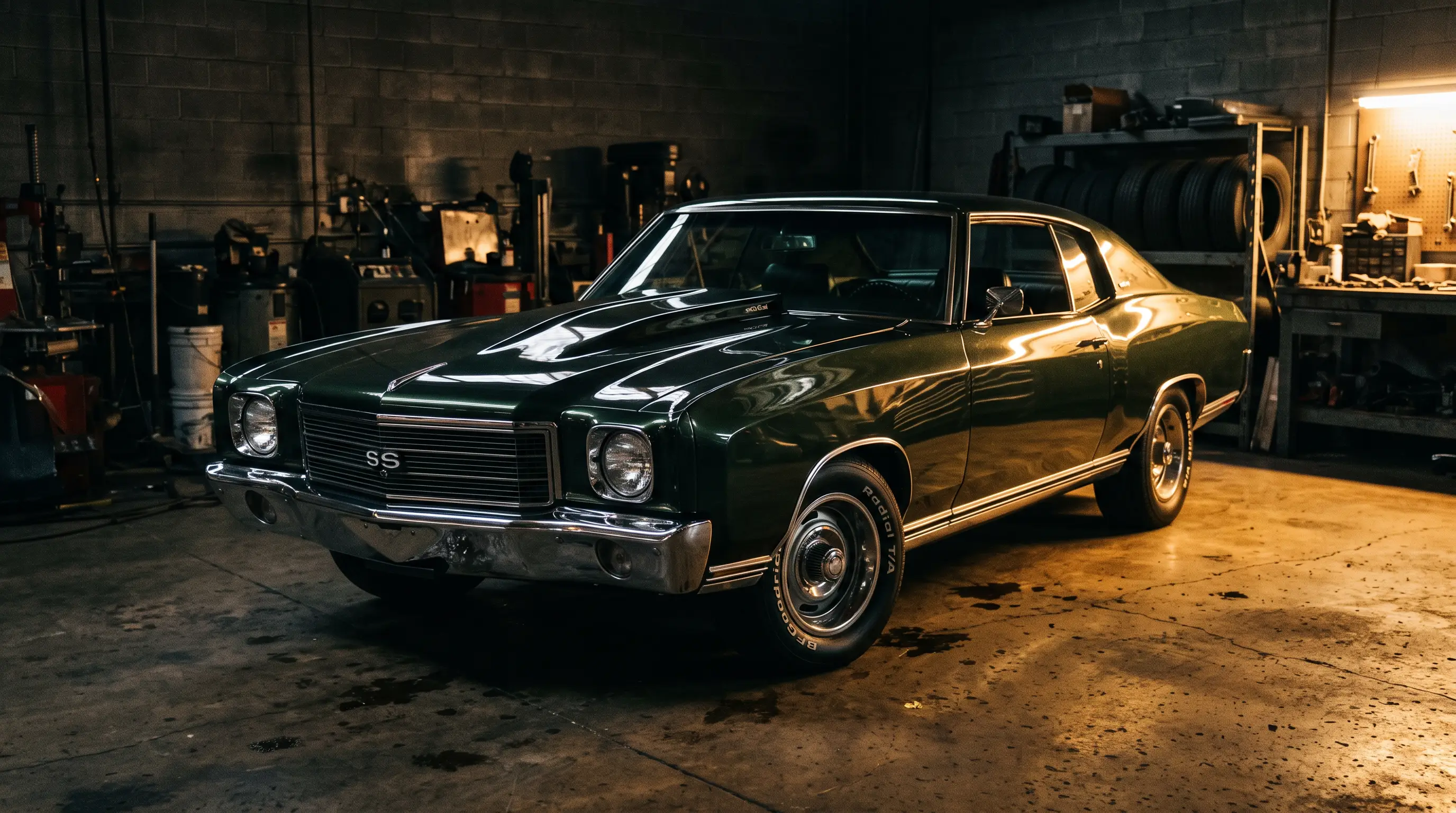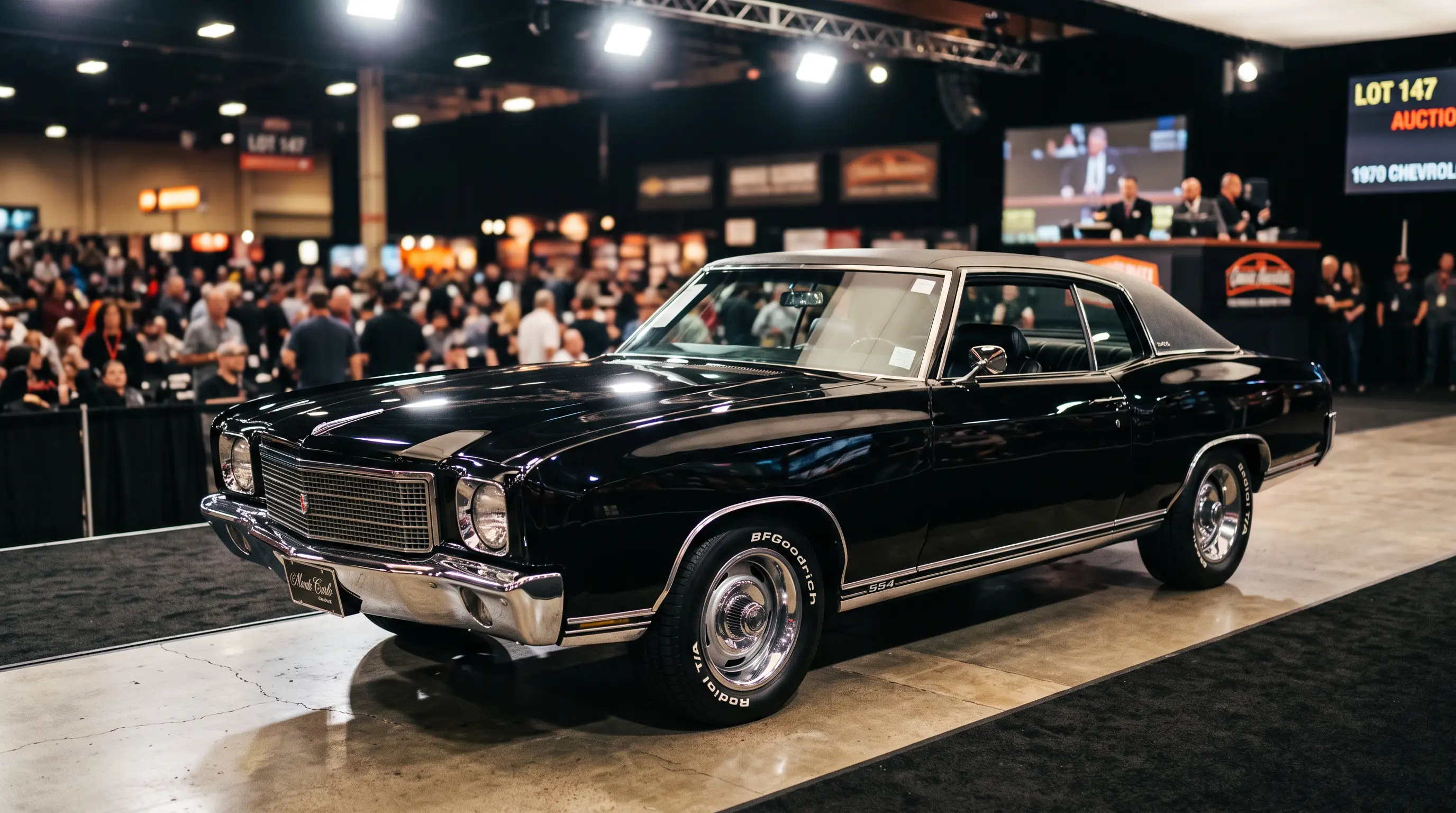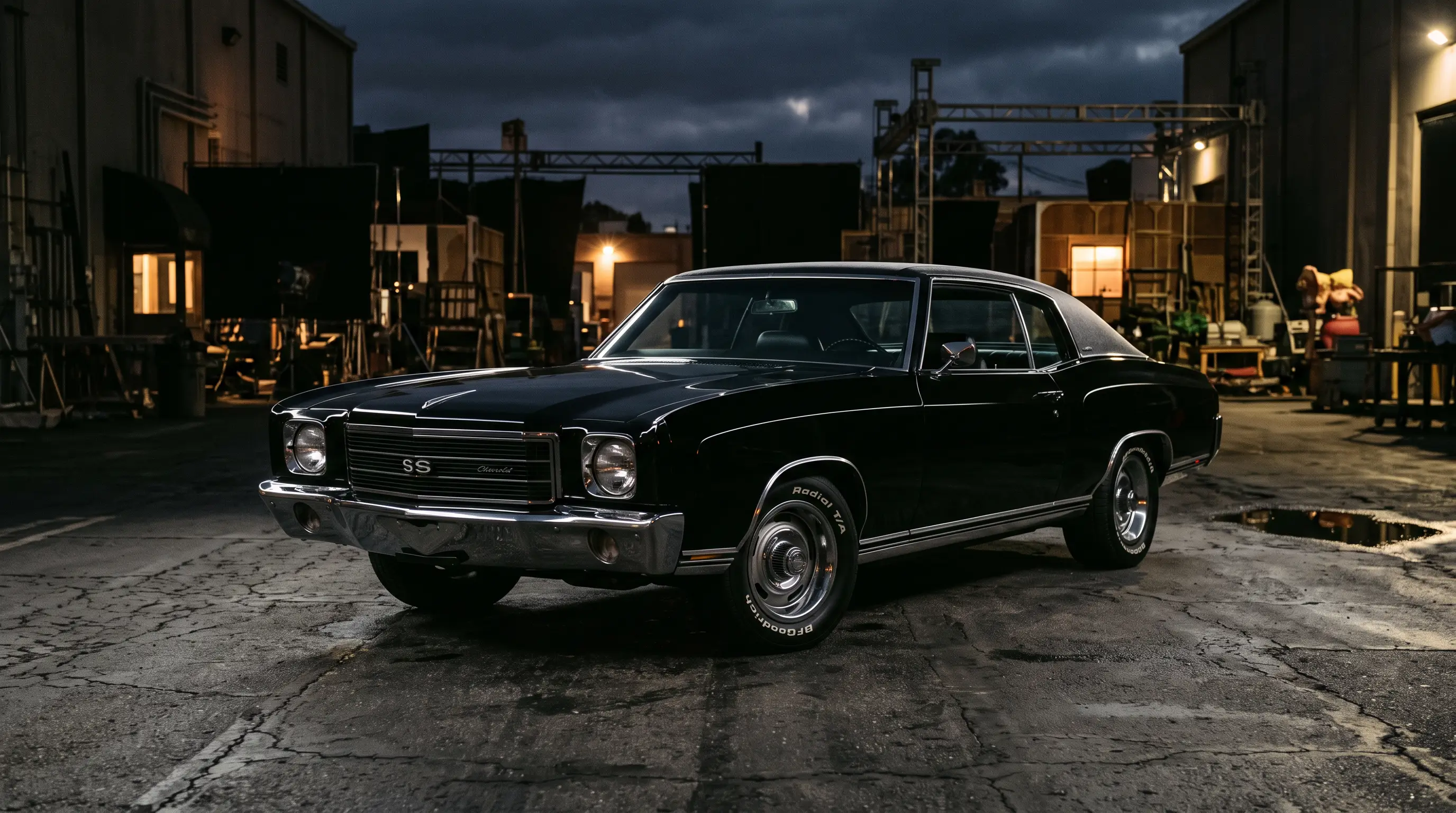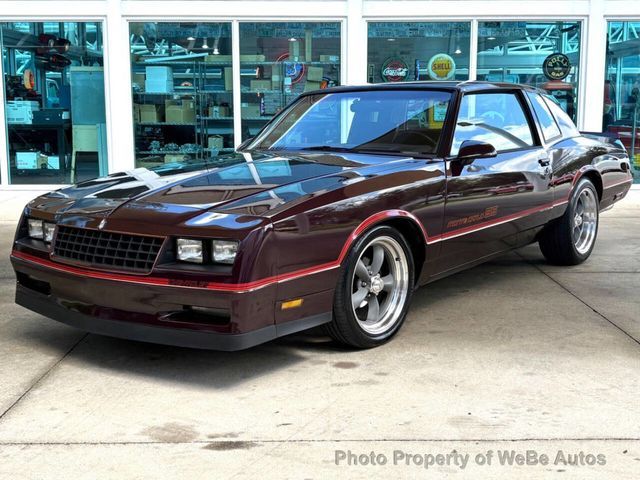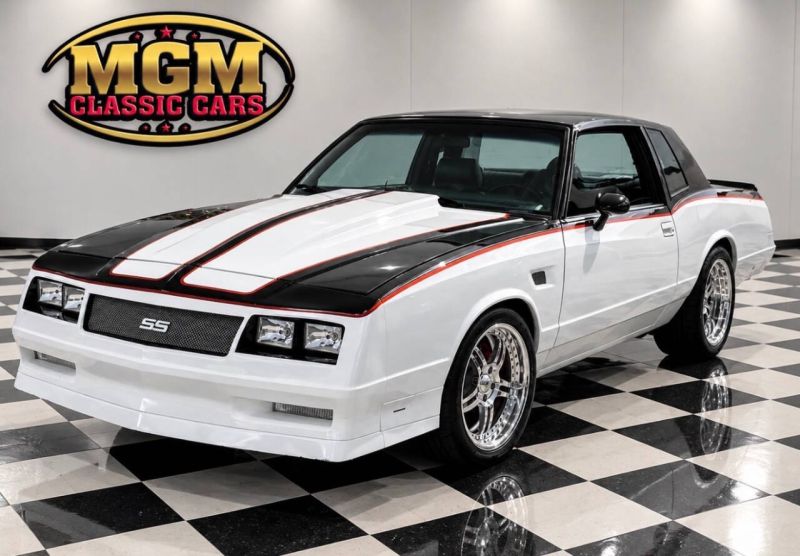
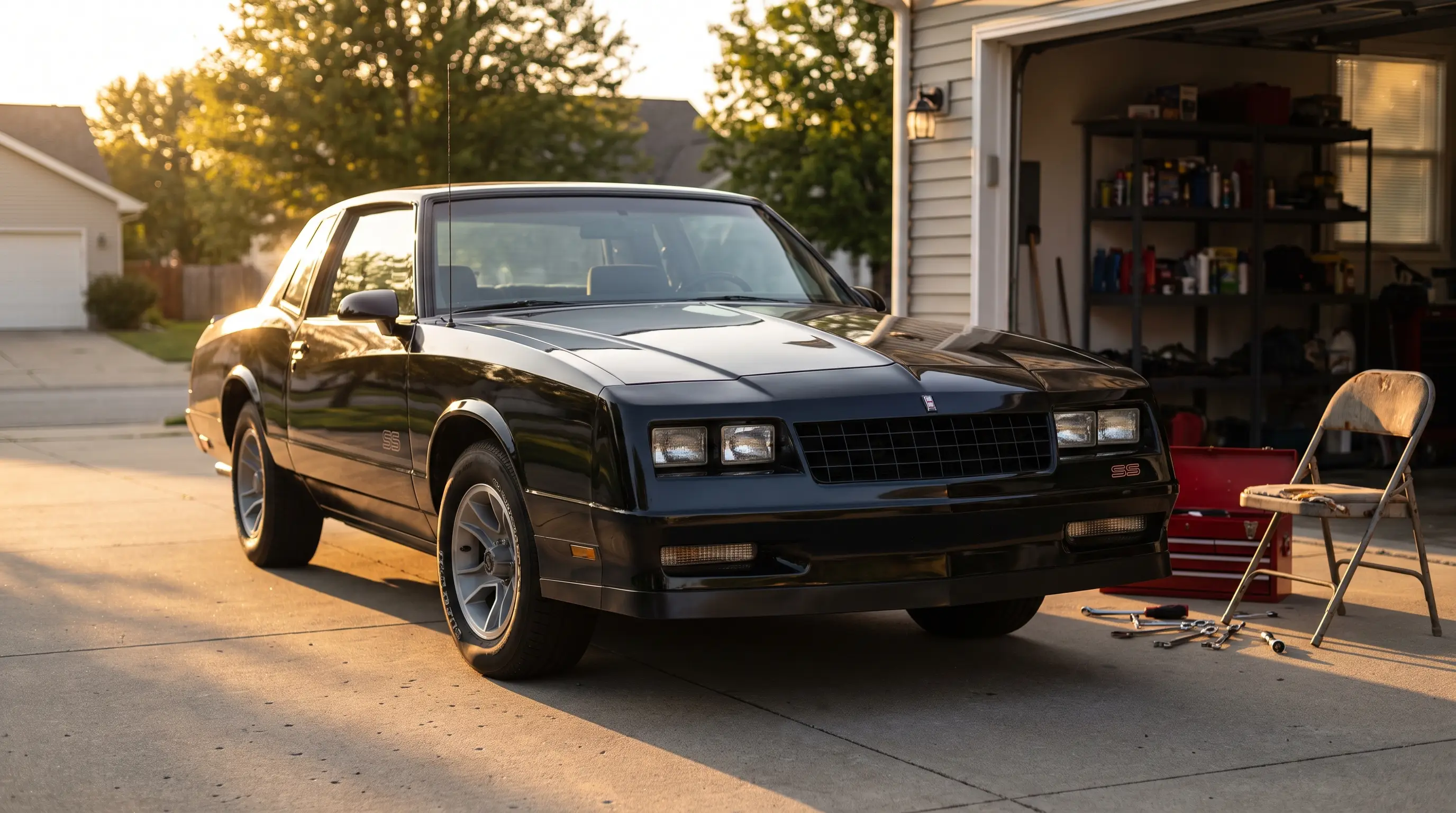
I still remember the first time I pulled into a G-body meet with my SS and realized half the guys there had known each other for twenty years before I ever showed up. That is the monte carlo ss owner scene today in a sentence. It is not a museum crowd standing around cars nobody touches. It is a working club culture, guys who trade parts leads over the phone, argue about carburetor jetting in a parking lot, and show up to help a stranger get a dead battery running so the car can make it home instead of onto a flatbed. The scene around this car has held together for decades because the people in it actually use the cars, and that changes everything about how the community operates compared to a more precious collector world.
Where the community actually lives
The Monte Carlo SS scene is built on regional car shows and cruise nights more than it is built on any single national organization, though there are dedicated owner registries and forums that have tracked production details and known survivors for years. What holds the culture together in practice is word of mouth, a guy who knows a guy who has a rare trim piece in a box in his garage, a local show that has run every summer since before some of the newer owners were born. Facebook groups and forums have made the scattered regional pockets easier to find each other, but the actual relationships still get built in person, at a swap meet table or standing around somebody's open hood at seven in the morning before a show field fills up.
"You don't really understand this scene until somebody you've never met before hands you a phone number for a guy three states away who has the exact trim piece you've been hunting for two years. That's not a market, that's a favor, and this hobby runs on favors more than it runs on money."
- Wayne Coburn
What daily ownership actually looks like now
Owning a Monte Carlo SS today is not the maintenance nightmare a lot of newer enthusiasts assume it is. The 305 V8 and the surrounding mechanicals are simple by modern standards, parts support for the drivetrain and most trim items is solid thanks to decades of demand across the wider G-body platform, and a well-sorted example is genuinely usable as a regular cruise-night driver rather than a trailer queen. The harder parts to source are still SS-specific trim, certain interior cloth patterns, and Aerocoupe-specific glass and body pieces, which is where the club network earns its keep. Owners who stay plugged into the scene get ahead of parts shortages that would otherwise stall a project for months.
What it costs to actually stay active in this hobby
Membership in the scene does not require deep pockets, which is part of why it has stayed accessible for so long. A local show entry fee is usually modest, swap meets cost nothing but a weekend morning, and the online groups that have sprung up cost nothing at all beyond the time spent scrolling and asking questions. Where the real investment happens is in the car itself and in the willingness to help other owners without expecting anything immediate in return, because that reciprocity is what actually earns a newcomer standing in the community. Show up a few times, offer a hand when someone is stuck on the side of the road at a cruise night, and the parts leads and favors start flowing in both directions. Show up once expecting the network to hand over rare trim pieces for free and the scene will politely ignore you until you have actually put in the time.
A younger crowd is showing up
What has actually changed over the last several years is who is showing up to these events. The original-owner generation is aging out, but a younger crowd, people who grew up seeing these cars in movies or on a relative's driveway, has started buying in, often drawn specifically by the Aerocoupe's NASCAR connection or by the SS's affordable entry point compared to more famous muscle car nameplates from the same era. That has kept the scene from shrinking the way some other niche collector communities have, and it has introduced a new energy around social media documentation of builds and finds that the older generation of owners never had access to.
| Community touchpoint | What it offers owners |
|---|---|
| Regional car shows and cruise nights | In-person relationships, direct parts leads |
| Owner registries and forums | Production history, survivor tracking |
| Social media groups | Wider reach for parts and build documentation |
| Swap meets | Physical trade in SS-specific trim and glass |
If you are new to this car and wondering how it built this kind of loyalty in the first place, the whole picture of the SS story explains where the reputation came from before it ever became a community. And if reading about the scene has you wanting to actually join it, you can start by looking at what is available now and find a classic Monte Carlo to bring into the fold yourself.
Sources and notes
- MonteCarloSS.com: Production Figures FAQ
- GBodyNation: Monte Carlo archives
- Monte Carlo Forum: General Monte Carlo Talk
- Hagerty: 1983-88 Chevy Monte Carlo SS buyer's guide
- Chevrolet Monte Carlo - Wikipedia
What newcomers get wrong when they first join
The most common mistake I see from someone new to the SS scene is treating it like a retail transaction, showing up wanting parts leads, advice, and connections without first putting in any visible time or effort of their own. This is not a hobby that rewards that approach. The owners who get the most out of the community are the ones who show up consistently, ask genuine questions rather than demanding shortcuts, and offer whatever help they can even when it is small, holding a flashlight, lending a tool, giving an honest opinion on someone else's project. Reputation in this scene travels fast precisely because it is a small world, and a newcomer who is generous and patient early on will find doors open for years afterward, while one who tries to extract value without contributing anything back tends to find the community quietly cooling toward them.
Why the scene has staying power
Communities built around a car survive when the car itself is good enough to keep earning new believers, and the Monte Carlo SS has managed that for four decades now without ever becoming a car so precious that people stop actually driving it. That balance, real usability paired with real history, is rarer than it sounds, and it is the actual reason this scene still has room for a stranger to show up at a meet and walk away with a phone number, a parts lead, and a standing invitation to the next one.