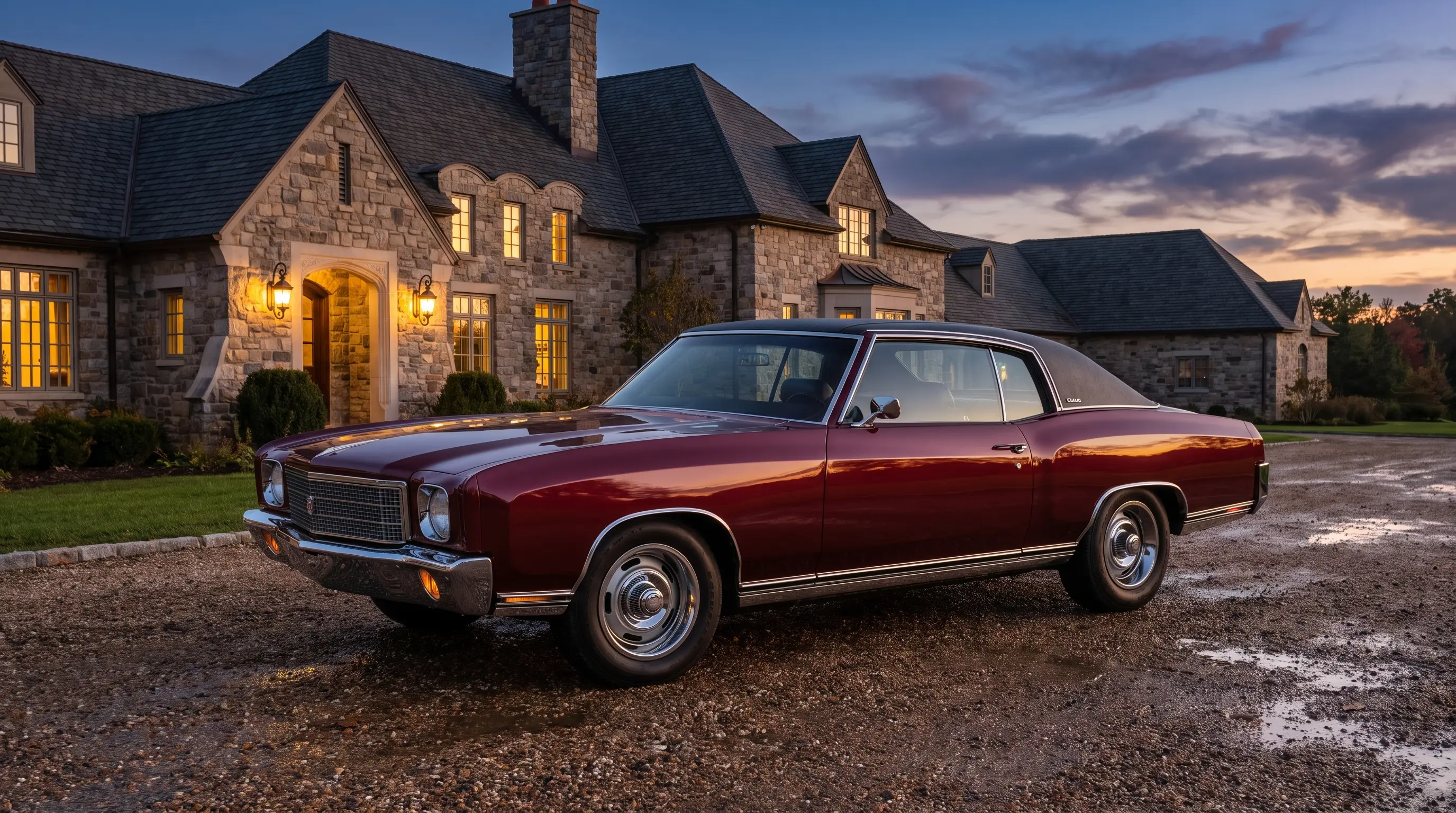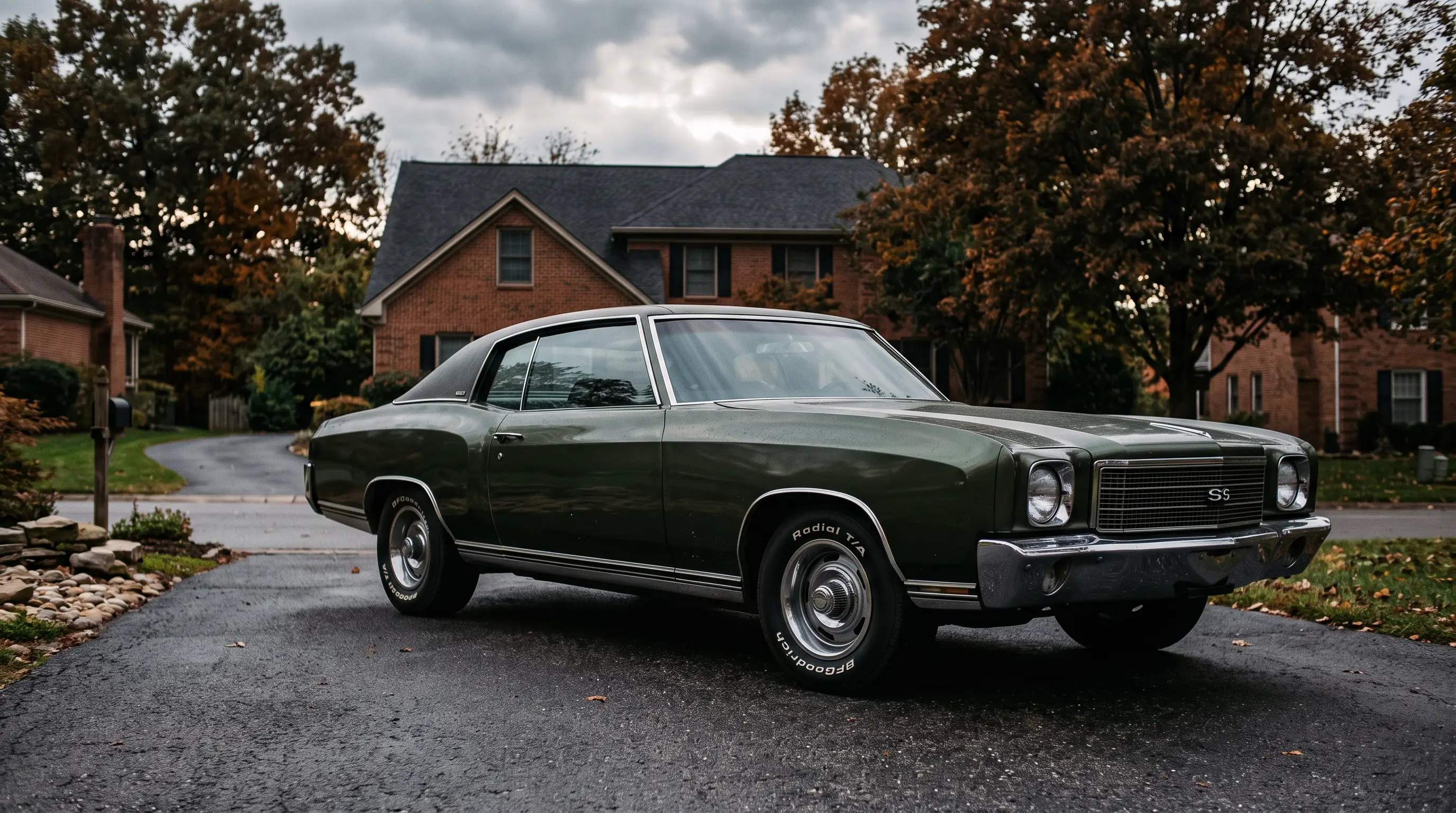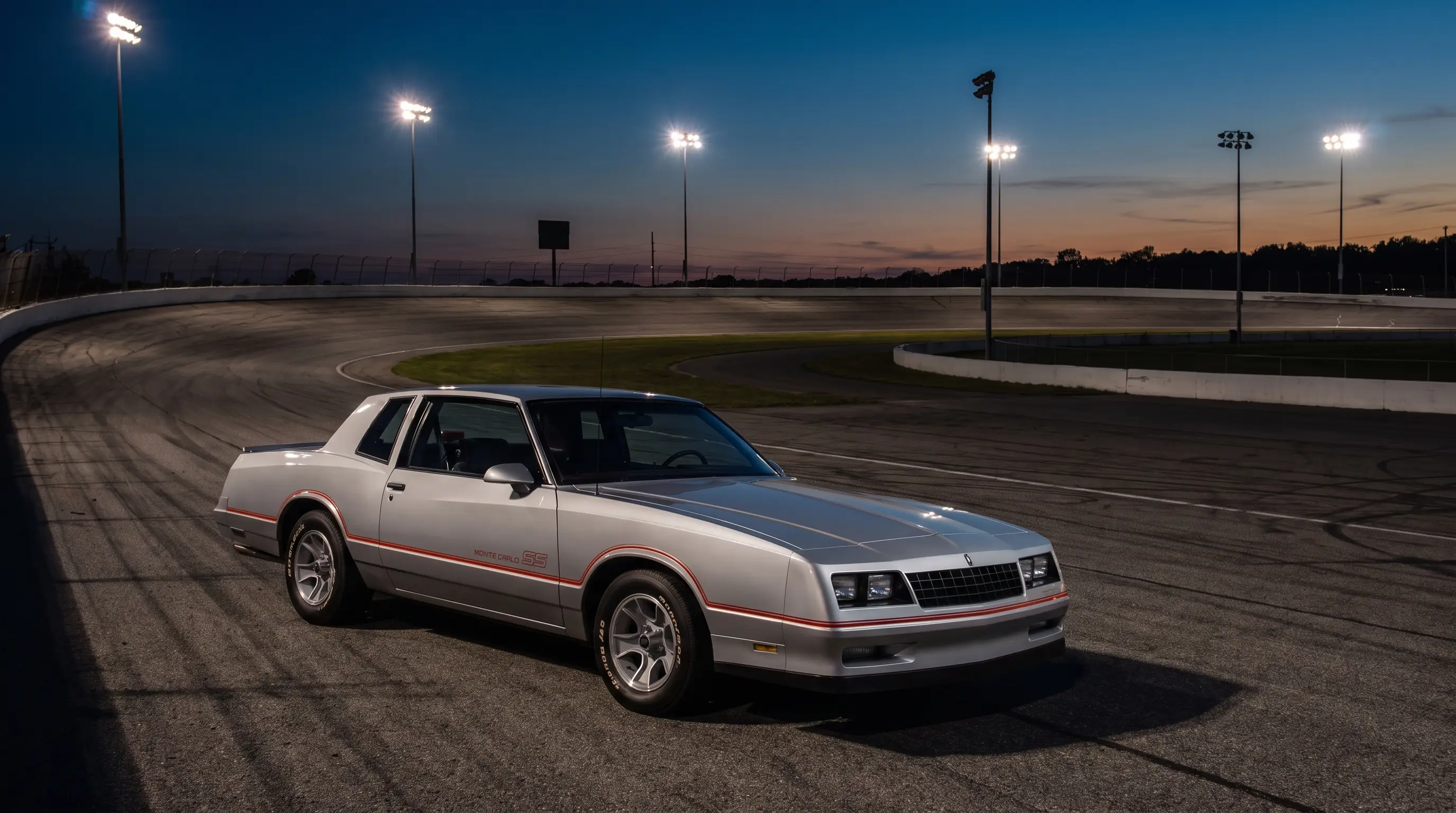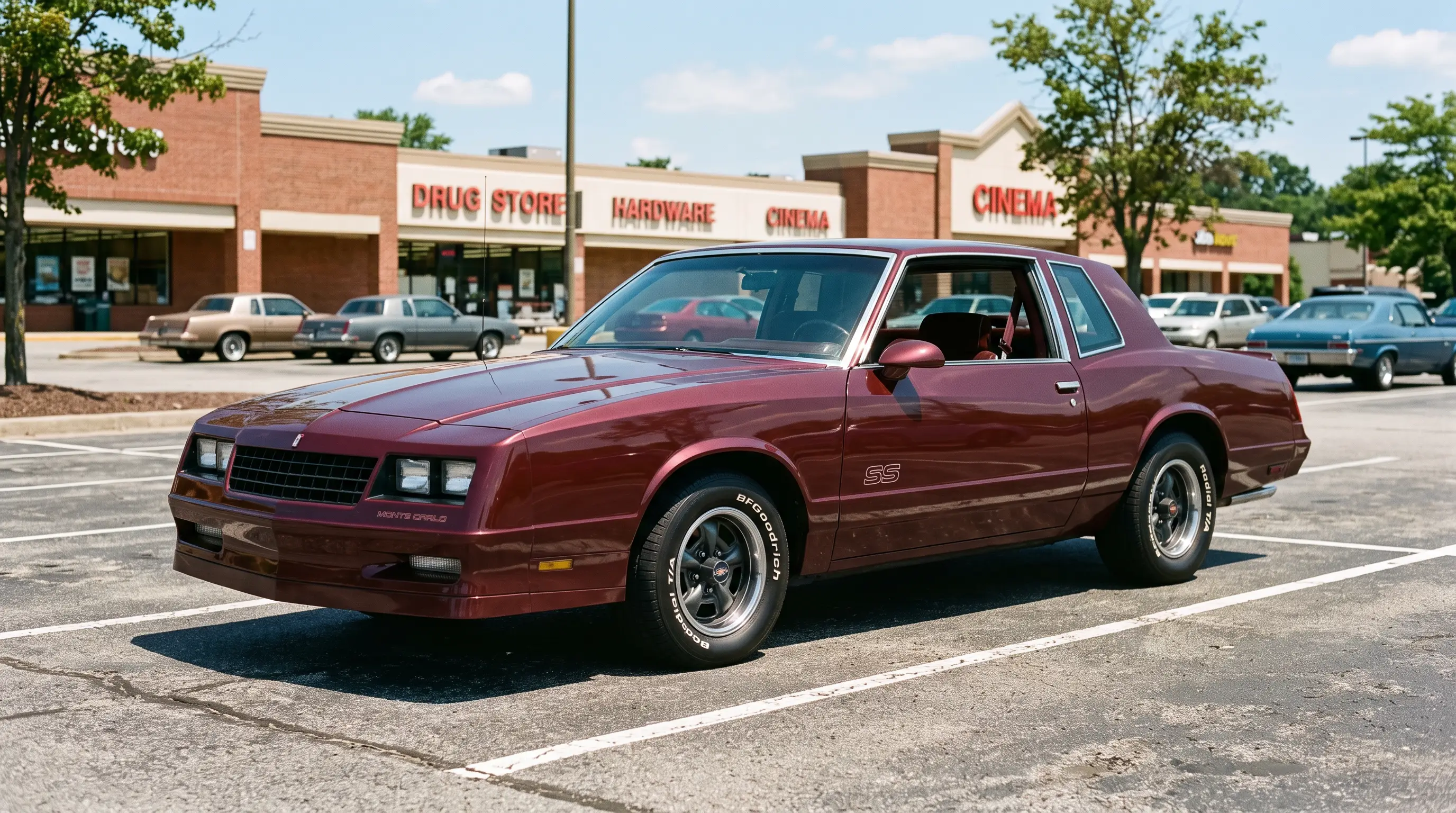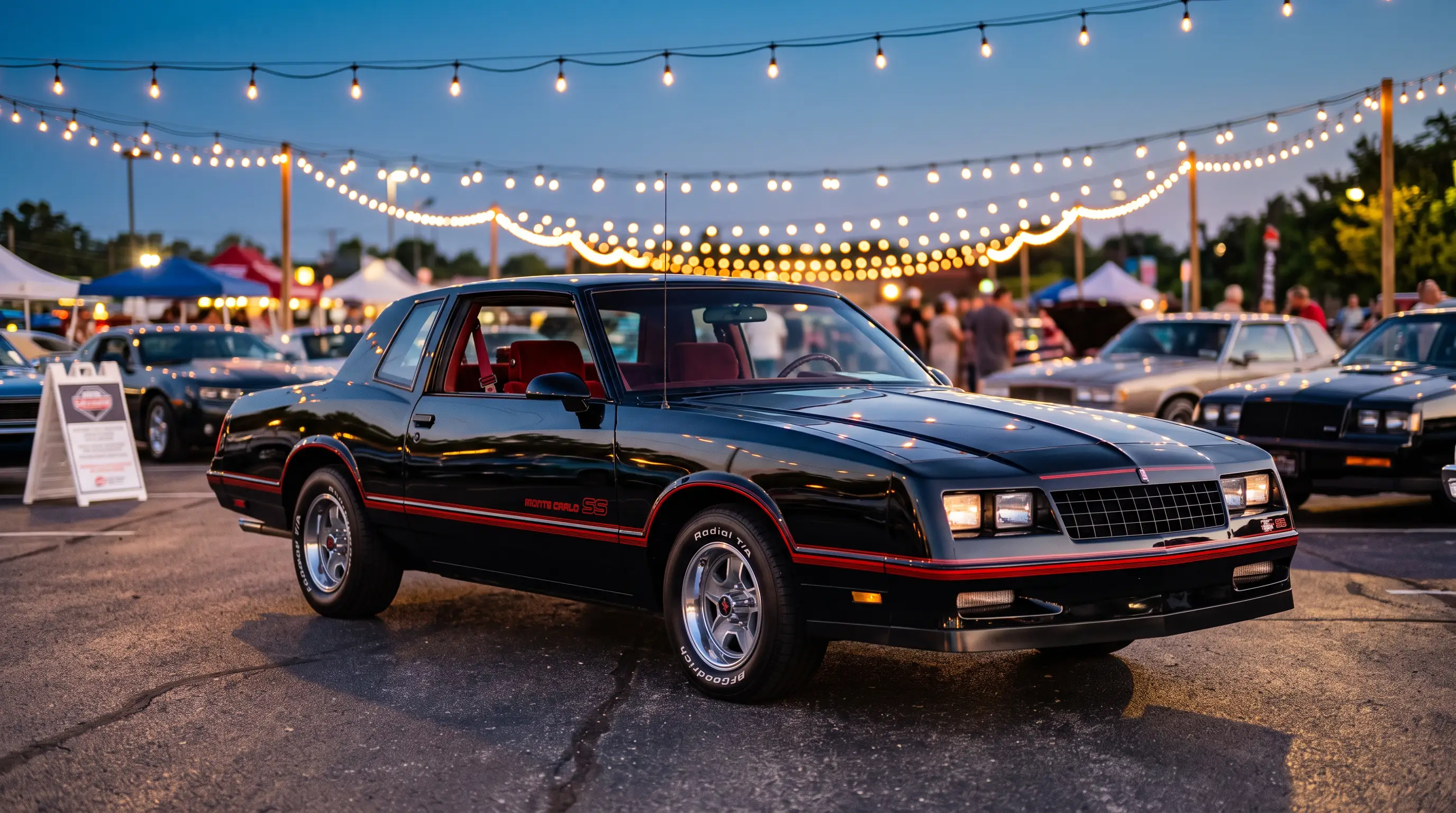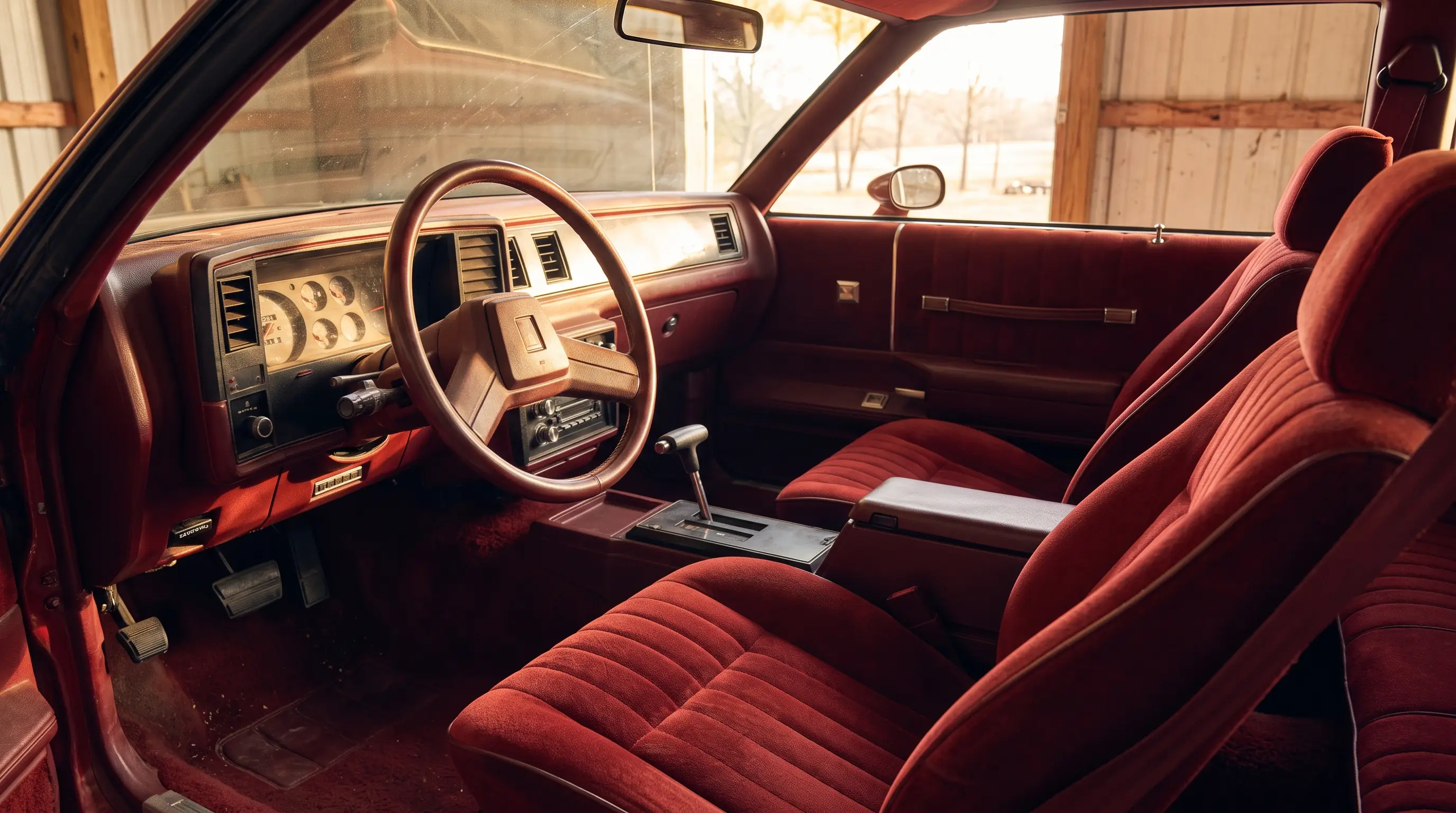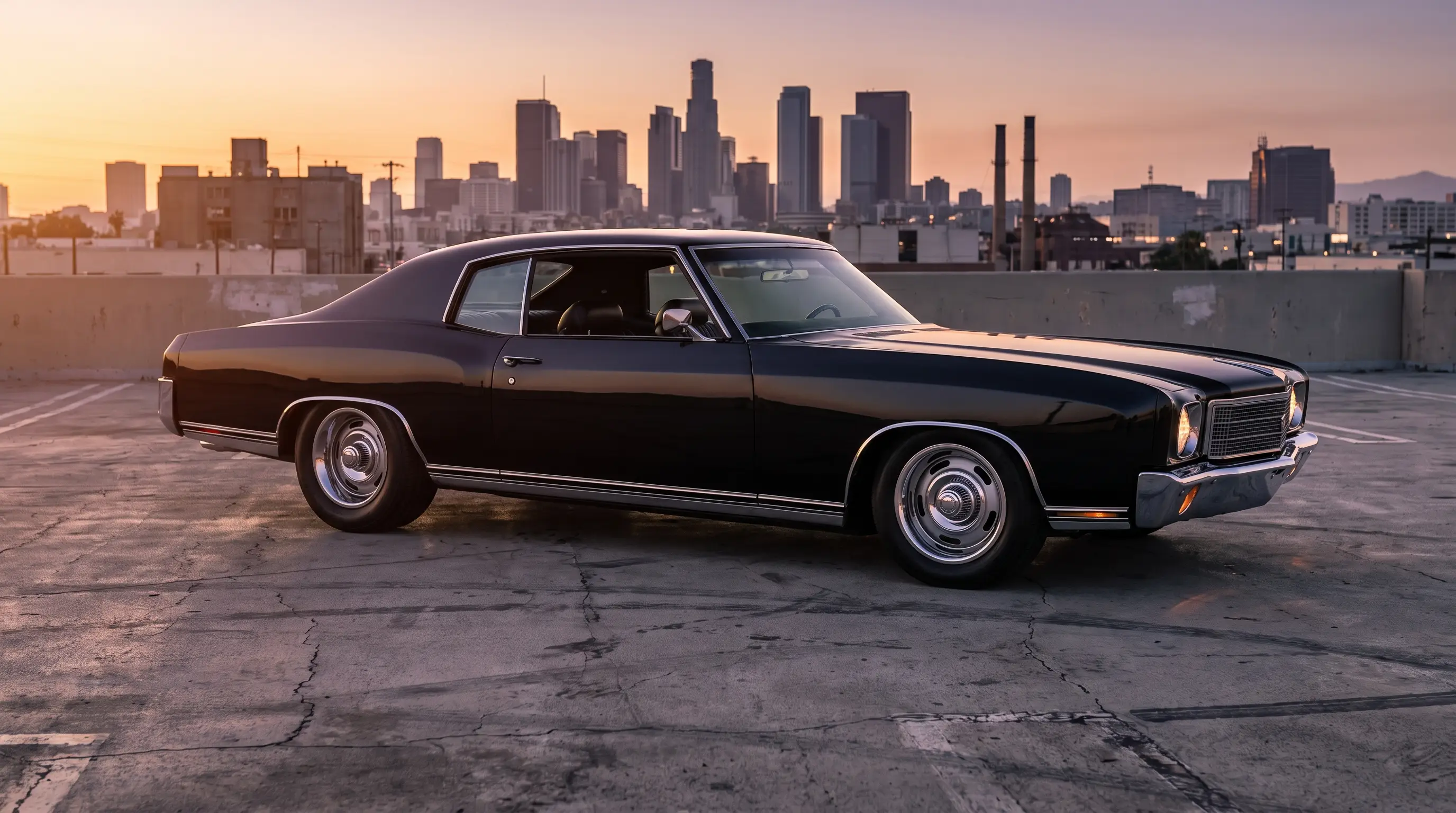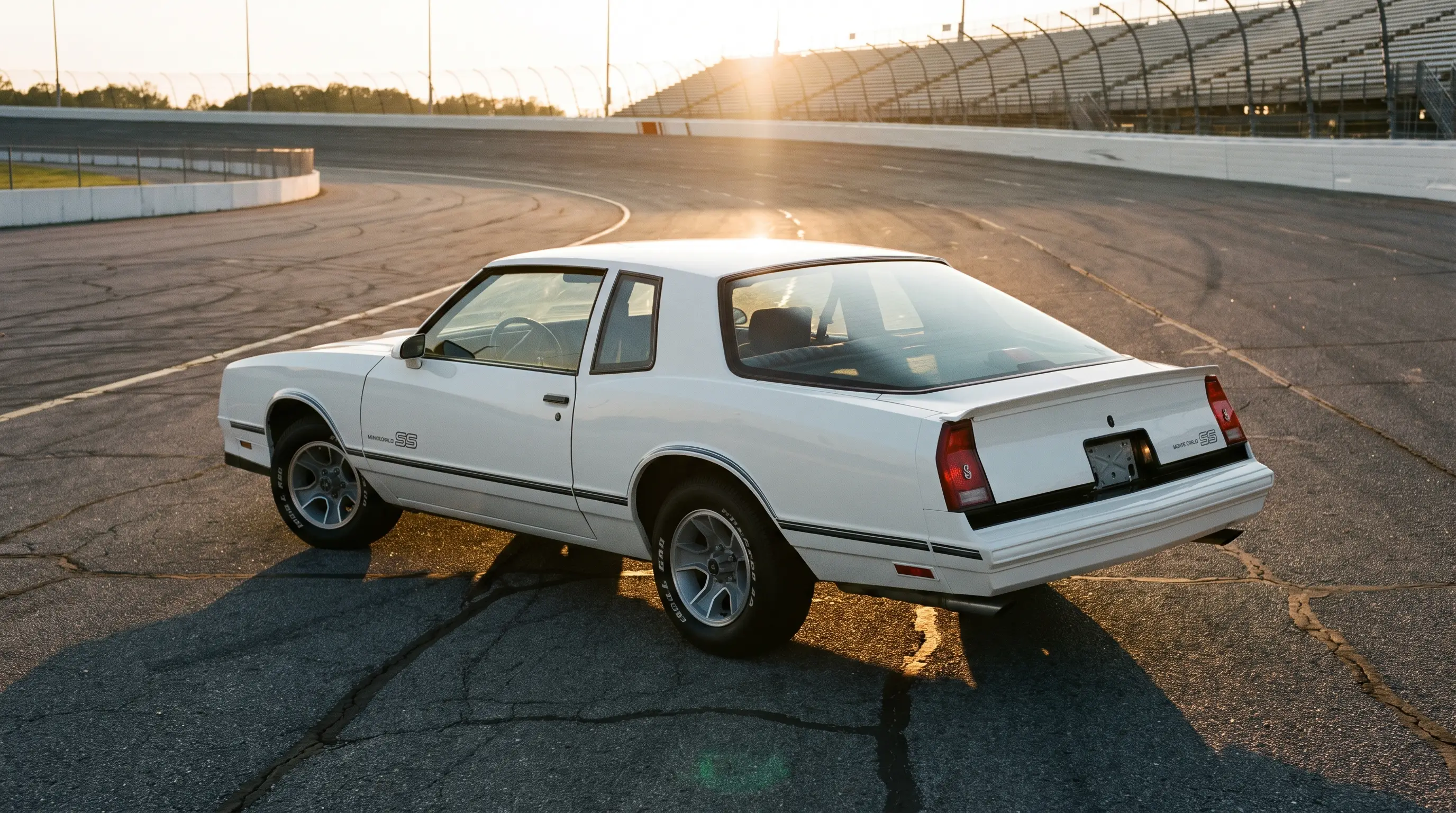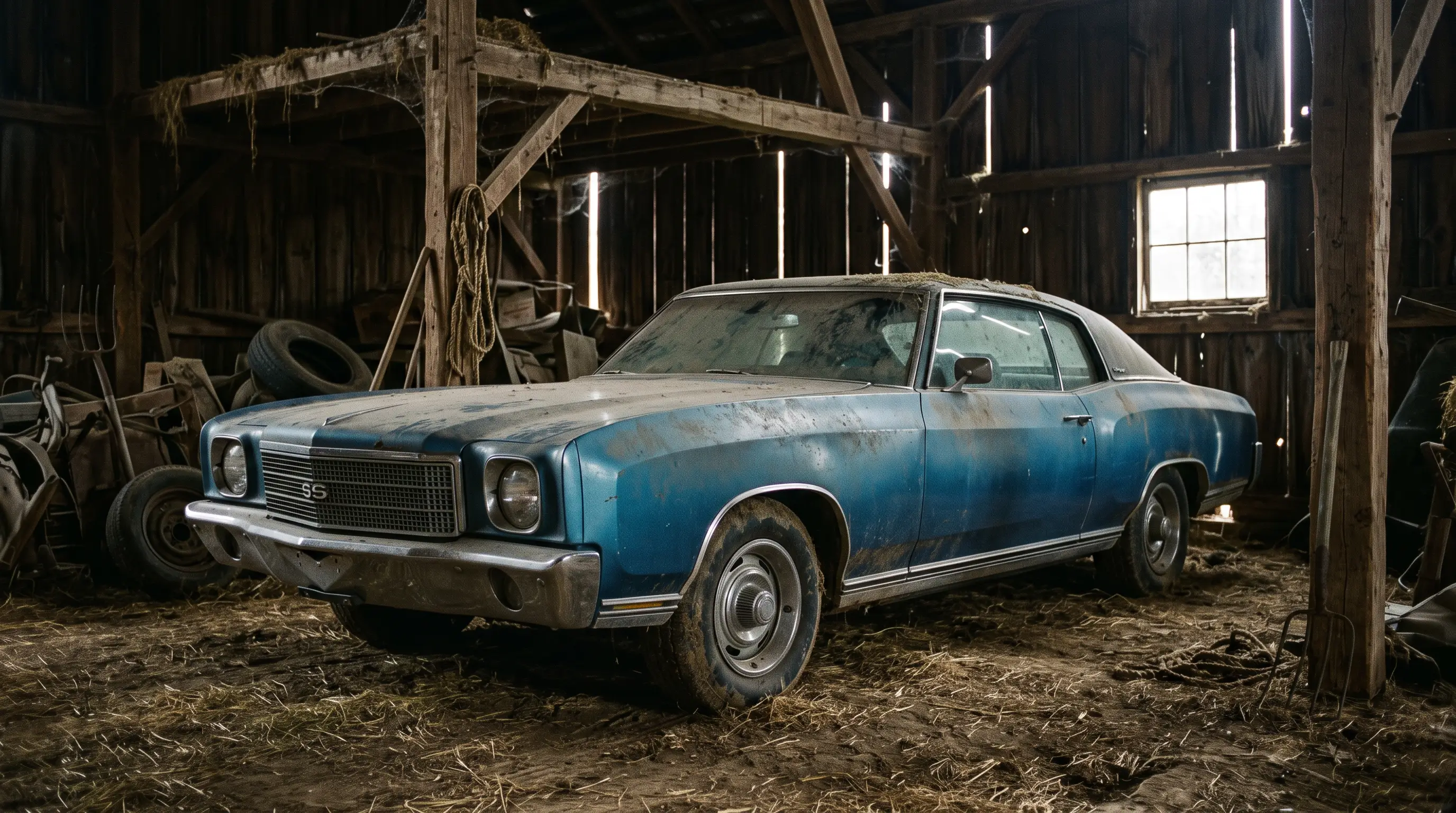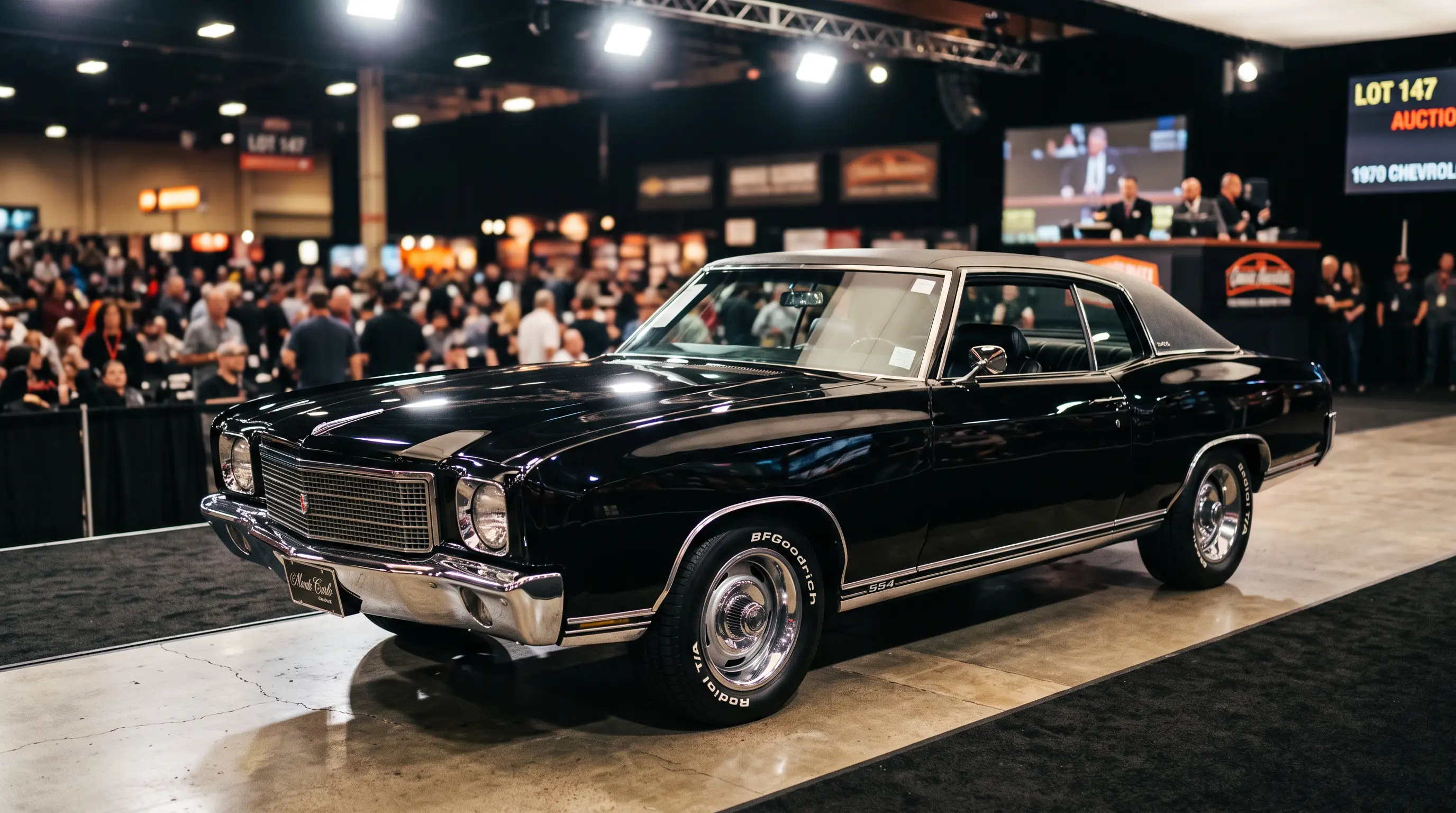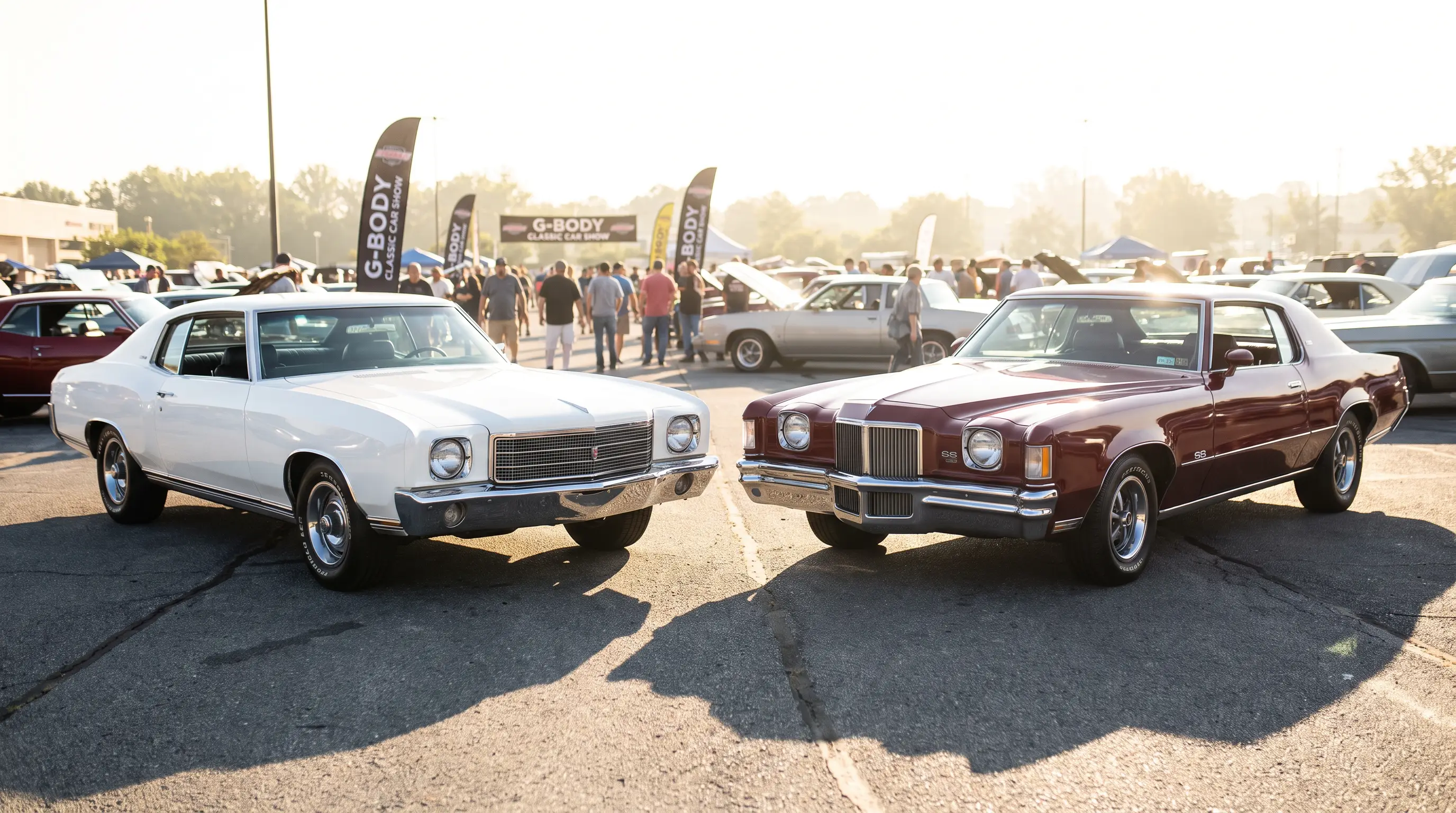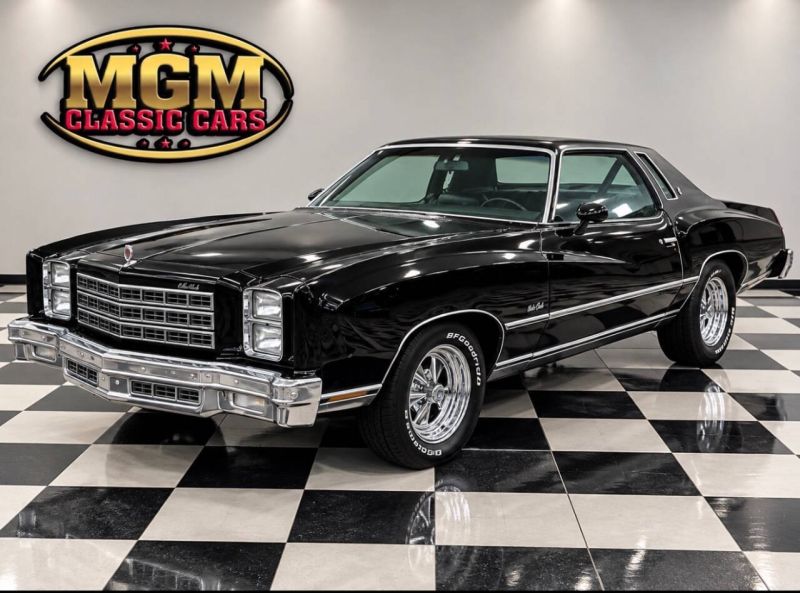
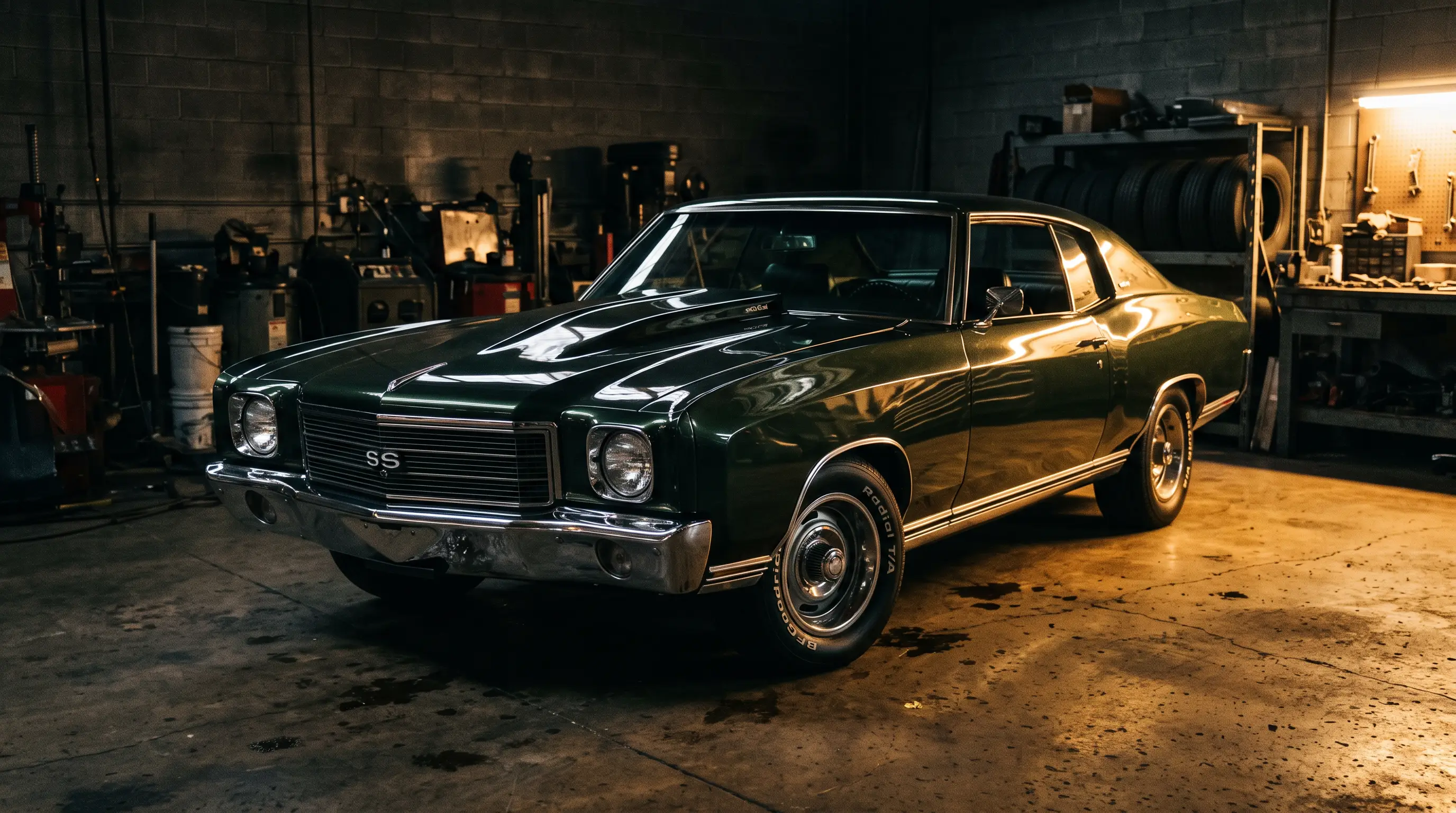
There is a black-and-white photograph that circulates among Monte Carlo people, and it shows a young salesman leaning on the fender of a 1970 coupe on a Chevrolet lot, cigarette going, tie loosened, looking like he already knows the car is going to move itself. He was probably right. The car behind him wore two small letters on the flank that would come to mean more than any other badge Chevrolet ever bolted to a personal-luxury coupe. This is the story of how the Monte Carlo SS went from a quiet performance option to a NASCAR icon, disappeared, and then came roaring back to define an entire decade of stock-car Sundays.
The badge did not arrive with fanfare. It arrived almost as an afterthought, a way for Chevrolet to give its new gentleman's coupe a set of teeth. What happened next is one of the better second acts in American car culture.
A performance badge on a luxury body
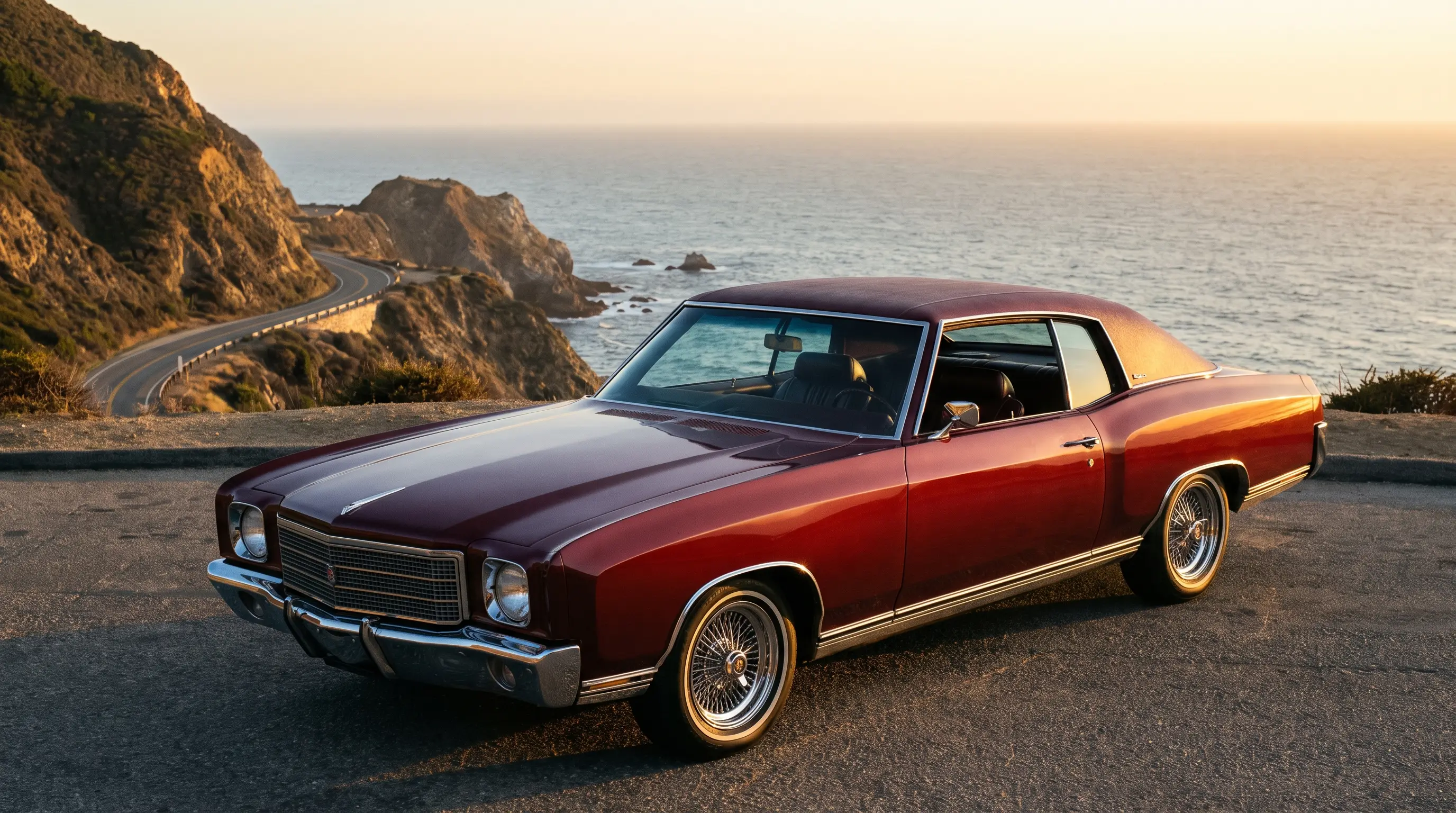
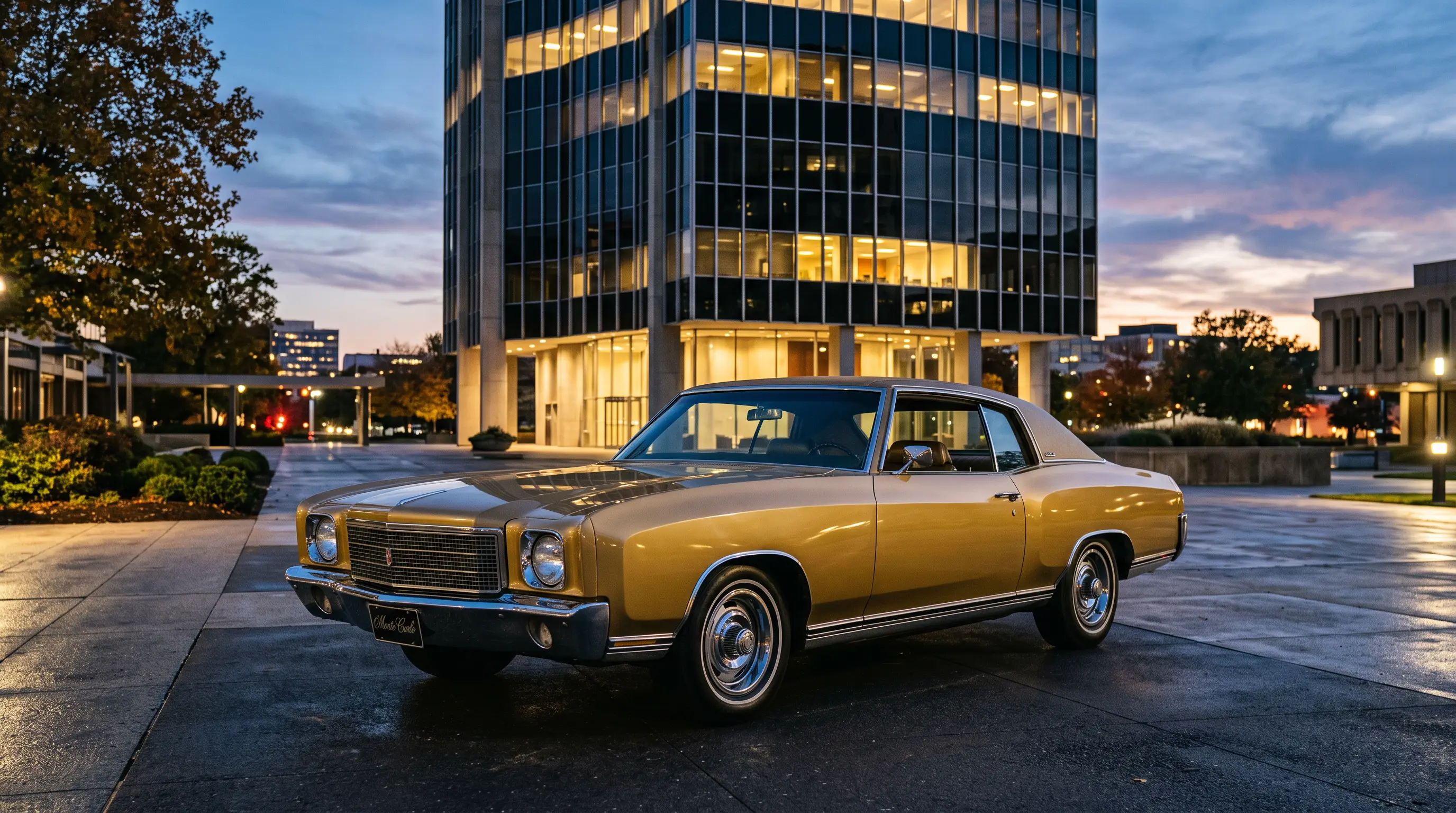
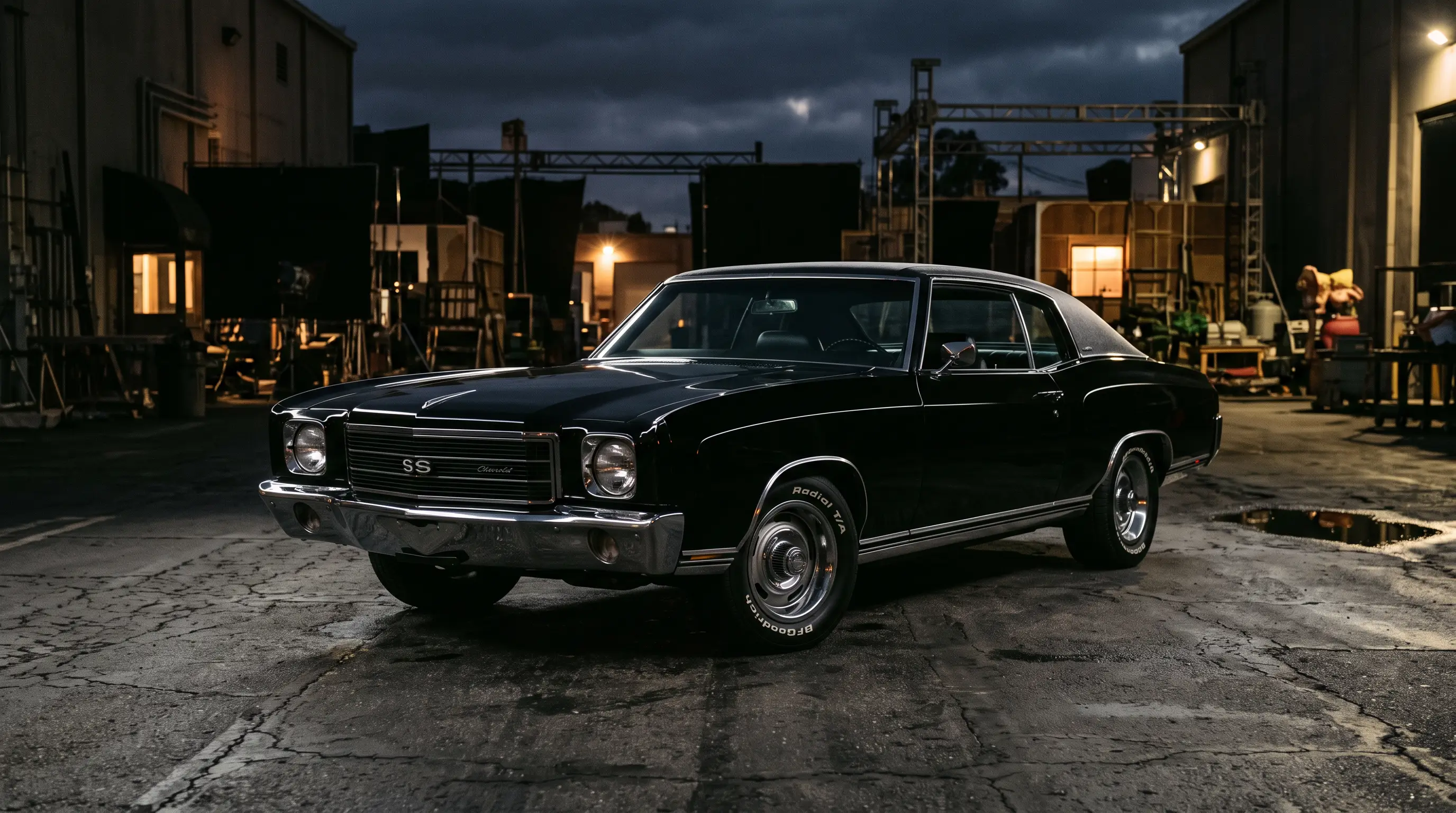
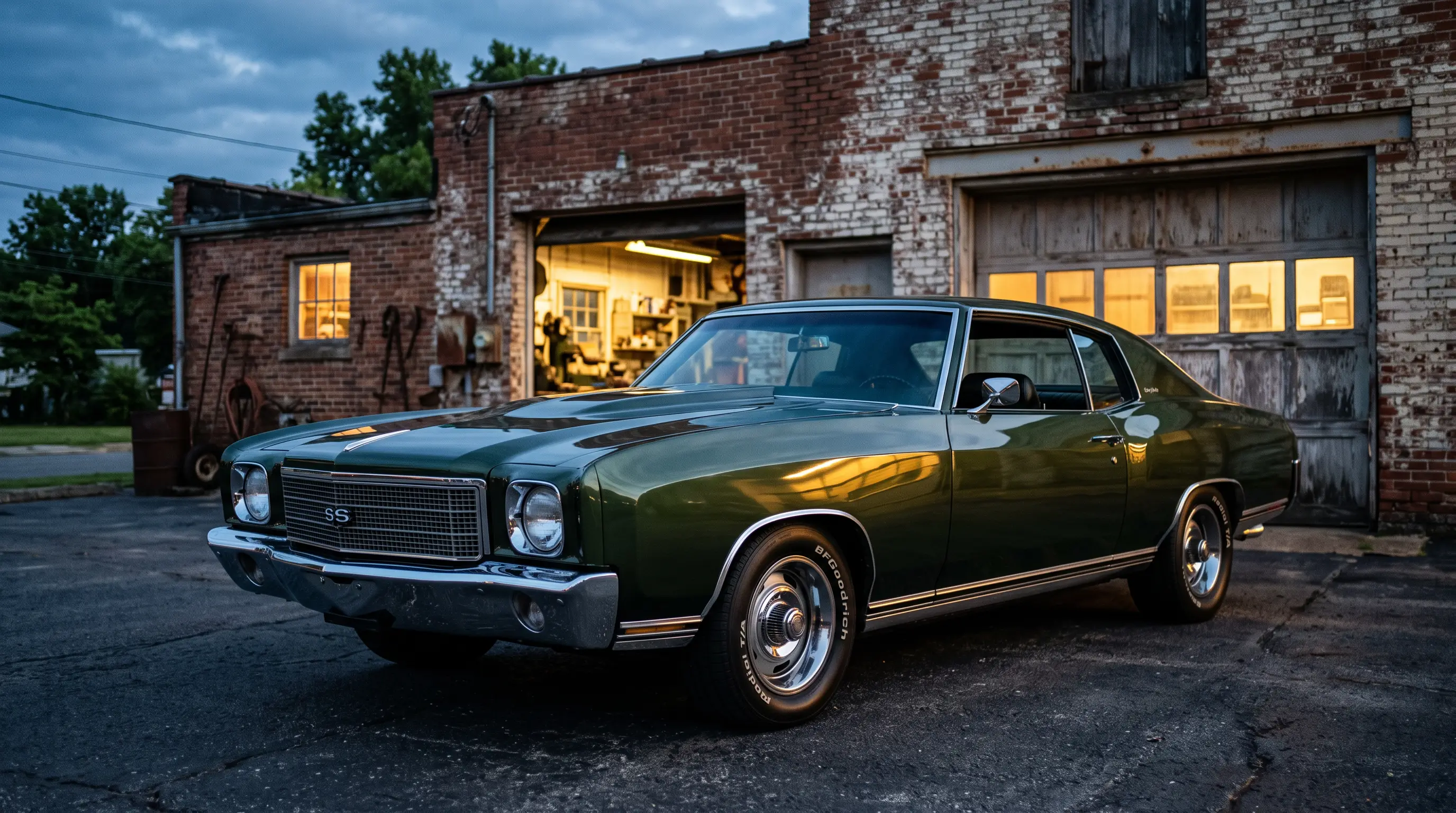
When the Monte Carlo bowed for 1970, it was pitched as Chevrolet's answer to the Pontiac Grand Prix, a long-hood, short-deck coupe meant for buyers who wanted style without stepping up to a Cadillac. It rode on a stretched A-body platform with a 116-inch wheelbase, and most of them left showrooms with a mild 350 and a bench seat. That was the plan. The SS option quietly rewrote it.
Order the SS 454 and the personal-luxury coupe grew a heart borrowed from the muscle-car parts bin. The LS5 454 big-block came rated at 360 gross horsepower, backed by a beefed suspension, a numerically deeper axle, and a set of dual exhausts that changed the car's entire personality. The genius of it was the disguise. Nothing about a 1970 SS 454 shouted. There were no stripes, no scoops begging for attention, just a discreet badge and a rumble that told you the driver had spent his money on the right options.
That restraint is exactly why enthusiasts fell for the car later. It was a sleeper before the word was fashionable. If you want the full arc of how this coupe fit into Chevrolet's wider ambitions, our chevrolet monte carlo history lays out the whole family tree, but the SS deserves its own chapter.
| SS Era | Engine | Rated Output | Notes |
|---|---|---|---|
| 1970 SS 454 | LS5 454 V8 | 360 hp gross | First-gen sleeper, heavy-duty suspension |
| 1971 SS 454 | LS5 454 V8 | 365 hp gross | Final year of first-gen SS |
| 1983-84 SS | L69 305 HO | 175 hp net | NASCAR homologation reborn |
| 1986-88 Aerocoupe | L69 305 HO | 180 hp net | Fastback rear glass for the ovals |
Why the first SS vanished
The first chapter of the SS was short. Chevrolet built the SS 454 for only two model years, 1970 and 1971, and the numbers were tiny compared to the base coupe. Production of the 1970 SS 454 sat at 3,823 cars, and the 1971 run was smaller still at 1,919 cars. By 1972 the option was gone from the order sheet, replaced by a Monte Carlo Custom trim that could still be ordered with a 454, just without the SS badge or package.
The reasons were the same forces reshaping every muscle car of the era. Insurance surcharges made big-block coupes expensive to own. Emissions rules were closing in, compression ratios were falling, and the market was drifting toward comfort over quarter-mile bragging rights. The Monte Carlo itself did not suffer for it. Buyers still wanted the long hood and the padded roof. They just wanted it with air conditioning and a softer ride, not a 454 that drank premium fuel it was getting harder to find.
So the badge went into a drawer for more than a decade. The car got bigger through the Colonnade years, then shrank dramatically for 1978, and through all of it the SS name stayed dormant. Most people assumed it was finished. They were wrong by a full decade, and the reason it came back had almost nothing to do with the showroom.
NASCAR brought the badge back
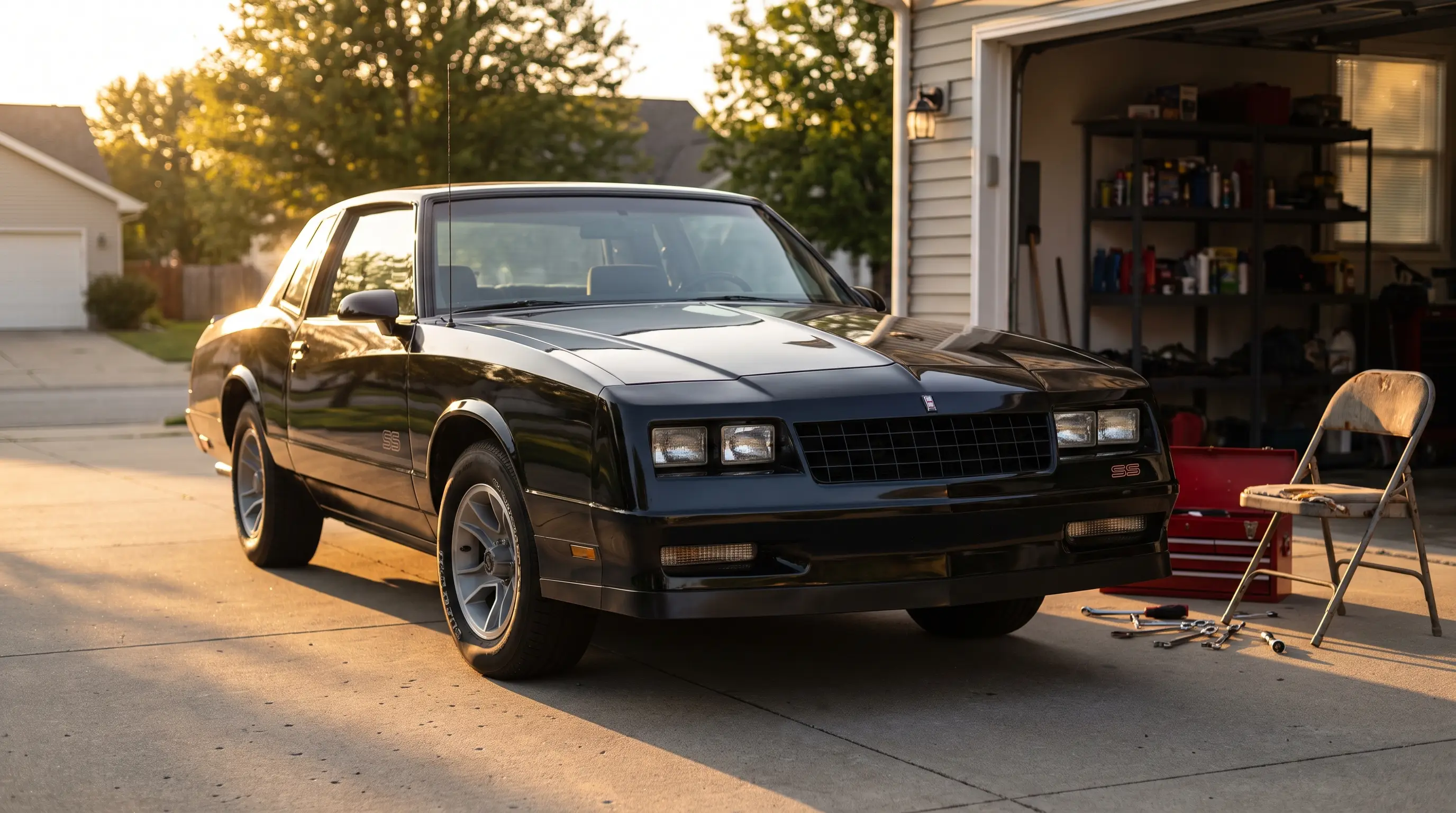
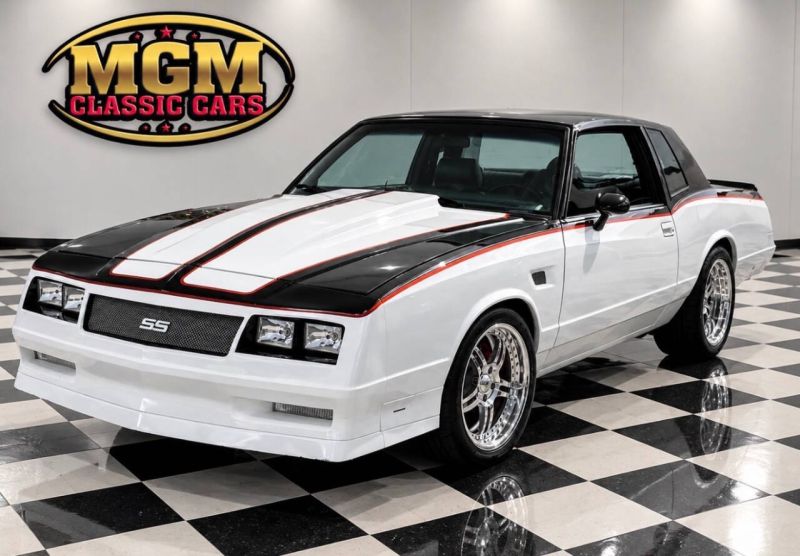
The Monte Carlo SS returned for 1983, and it returned because of stock-car racing rather than street demand. By the early 1980s the aerodynamics of the boxy G-body coupe were hurting Chevrolet teams on the superspeedways. The solution was a car built to make the race version legal. Chevrolet grafted a sloped, urethane nose onto the Monte Carlo, added the SS badge, and homologated the shape for the track.
Under the hood sat the L69 305 High Output, a small-block rated at 175 horsepower. On paper that number looked modest next to the 454 of the previous decade, and it was. Net ratings had replaced gross figures, and the emissions era had flattened output across the industry. But the 1983 SS was never really about the dyno sheet. It was about putting a winning shape on the street and letting the name do the rest.
It worked. The car looked purposeful, it sold, and it gave a new generation of buyers a Monte Carlo they could feel proud parking next to a Regal Grand National. Chevrolet had accidentally created one of the defining street coupes of the 1980s by chasing a trophy on Sunday.
The Aerocoupe and the Earnhardt era
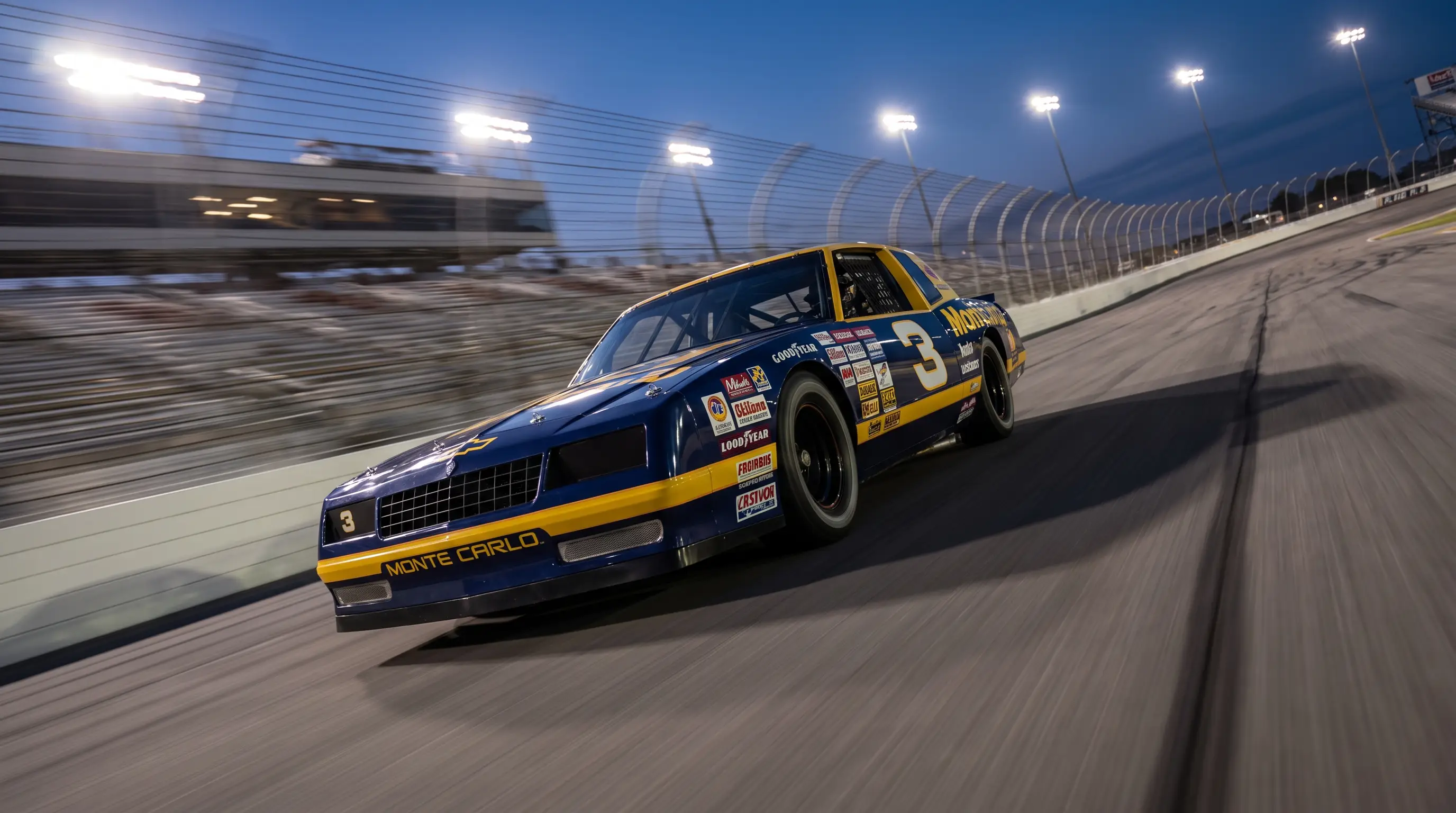
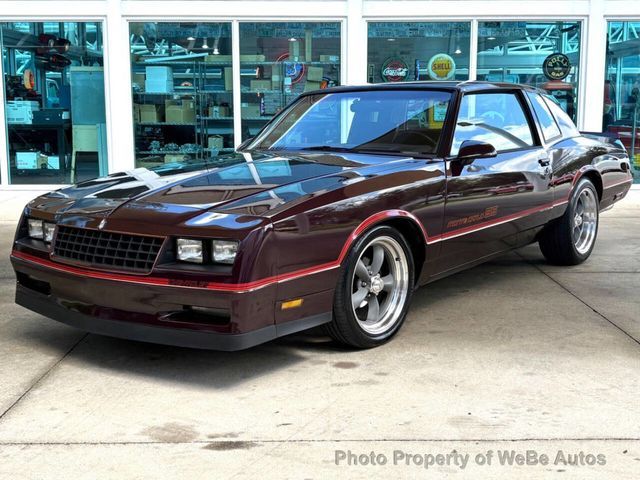
The aerodynamic arms race did not stop with a new nose. By 1986 the back of the car mattered as much as the front, and the notchback roofline of the standard SS was costing teams top-end speed on the big tracks. Chevrolet answered with the Aerocoupe, a Monte Carlo SS fitted with a dramatically sloped rear window and a shorter trunk lid, a fastback profile designed purely to slip through the air.
To make the shape legal for competition, Chevrolet had to build a minimum number for the public, and the 1986 Aerocoupe run was small, exactly 200 cars built to satisfy the rulebook, all built at the Arlington, Texas plant in a single white-over-burgundy configuration. That rarity is a big part of why collectors chase them now. This was the Monte Carlo that carried Chevrolet's biggest names on the ovals, the era when Dale Earnhardt and the Monte Carlo SS became almost synonymous in the minds of a generation of race fans.
The Aerocoupe continued into 1987 and 1988, the final years of the classic rear-drive Monte Carlo, and it went out as arguably the most collectible version of the whole rear-drive line. A street car built to win a race, produced in numbers small enough to make it special, and tied forever to the sport that created it. That is a rare combination, and it is why the badge outlasted the car itself in the culture.
"The best thing about the Monte Carlo SS is that it was never trying to be a muscle car. It was a comfortable coupe that happened to be born from a race, and that honesty is exactly what makes people fall for it forty years later."
- Patrick Walsh
How the badge entered the culture
Part of what makes the SS name endure is how far it traveled beyond the dealership. The 1980s cars in particular became cultural shorthand well outside the collector world. They showed up in music, in film, and on television as a marker of a specific place and time, the kind of car a character drove when the writers wanted to say something without a line of dialogue. That visibility built an emotional connection in people who never opened a spec sheet, and emotional connection is what turns an old car into a legend.
The rear-drive Monte Carlo also became a favorite canvas for personalization long before the collector market took the originals seriously. For years these were affordable used cars, which meant they passed through the hands of young owners who made them their own. Some of those cars were treated badly and some were cherished, but the effect was the same. A generation grew up with the Monte Carlo SS as a fixture of the street, and that familiarity is exactly what fuels the nostalgia driving values today.
There is a lesson in that trajectory. Cars that are common and beloved when they are cheap tend to become expensive later, because the people who loved them young eventually have the means to buy the good ones. The SS badge rode that curve perfectly. It was everywhere, then it was cheap, and now the clean survivors are genuinely hard to find. The badge earned its cultural weight the honest way, by being present in ordinary life for a long time before anyone thought to preserve it.
That cultural footprint matters to buyers, not just historians. A car with real presence in the wider culture holds interest across generations, which supports both demand and value. The Monte Carlo SS is not a car that needs an explanation at a show. People recognize it, they have a feeling attached to it, and that recognition is a form of value all its own.
What the SS badge means to collectors now
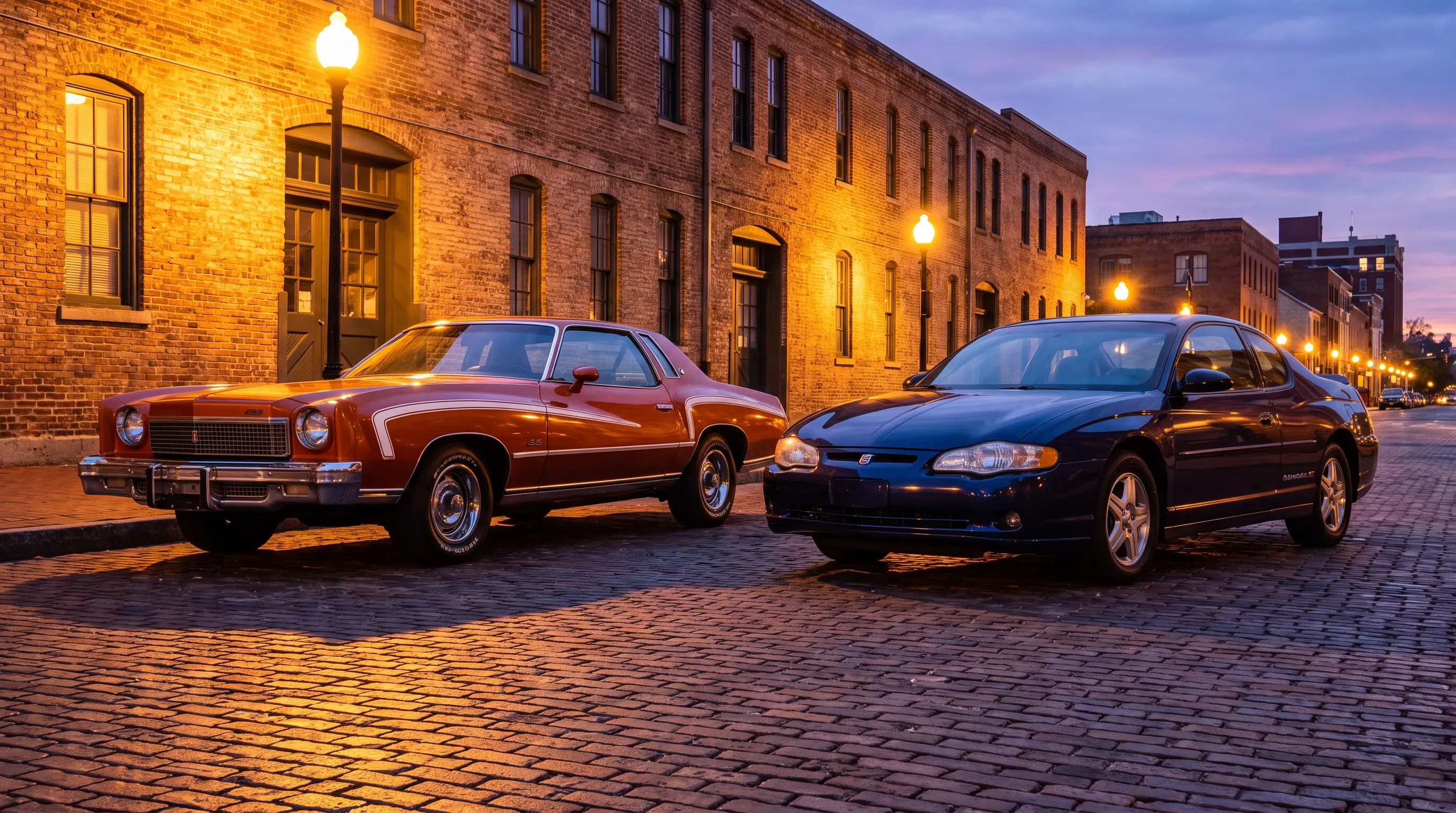
Today the SS name splits neatly into two worlds, and both have their devoted followers. The 1970 and 1971 SS 454 cars sit with the golden-age muscle machines, valued for their rarity and their sleeper character. The 1983 to 1988 SS and the Aerocoupe belong to the fast-rising 1980s collector movement, prized by people who grew up watching them race and finally have the money to own one.
What unites them is authenticity of purpose. Neither SS era was a marketing exercise dressed up with stripes. The first one was a genuine big-block hidden under a gentleman's roof. The second was a homologation special that put racing engineering on a suburban driveway. Buyers can feel that difference, and it holds value in ways that badge-engineered specials never manage.
If the first-generation cars pull at you, it is worth understanding where the whole thing started, so keep exploring with our look at the debut year and how the very first coupe set the template. There is more to the story than the SS, and the roots matter. You can keep exploring the origin before you go shopping.
Buying into the legend
For anyone drawn to the badge, the two eras offer very different ownership experiences. A first-generation SS 454 is a big, torque-rich cruiser with genuine muscle-car provenance and prices to match. An 1980s SS or Aerocoupe is more affordable to run, easier to live with, and steeped in NASCAR history that keeps a passionate community engaged. Neither is a wrong answer. They are simply two chapters of the same idea.
The market has caught up to both. The best examples change hands quickly and documentation matters, especially for the low-production 454 cars and the Aerocoupes. When you are ready to see what is out there, browse the current selection of classic Monte Carlo for sale and compare the eras side by side. The salesman in that old photograph knew what he was leaning on. Four decades later, the badge still sells itself.
Sources and notes
- Chevrolet Monte Carlo - Wikipedia
- Monte Carlo SS FAQ - Production Figures
- 1983-88 Chevy Monte Carlo SS Buyer's Guide - Hagerty
- 1986 Chevrolet Monte Carlo Aerocoupe SS Specs - Automobile Catalog
- Monte Carlo SS: Chevy's First Luxury Muscle Car (1970-1971)
- 1986 Chevrolet Monte Carlo SS Aerocoupe - Survivor Cars