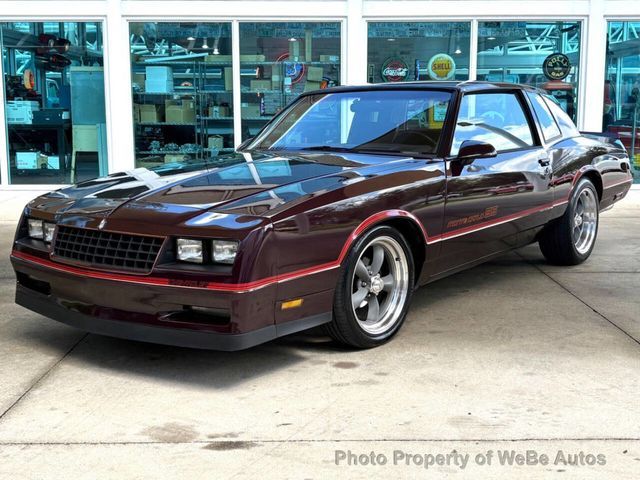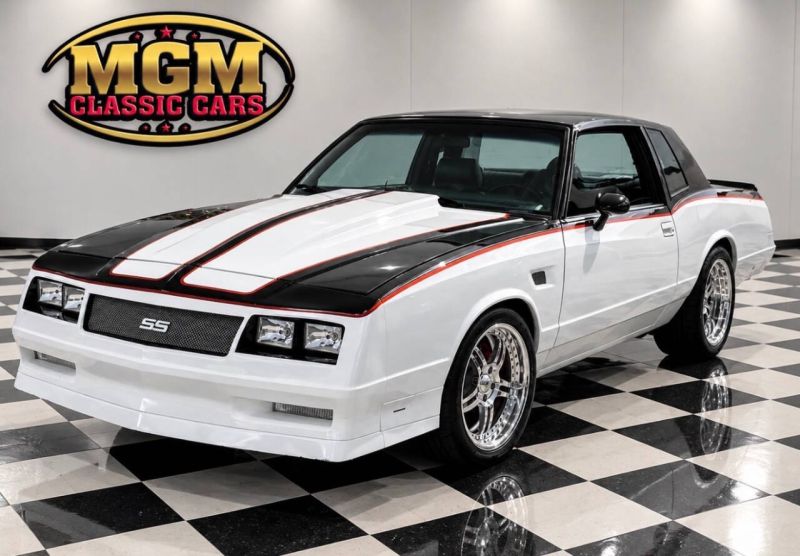
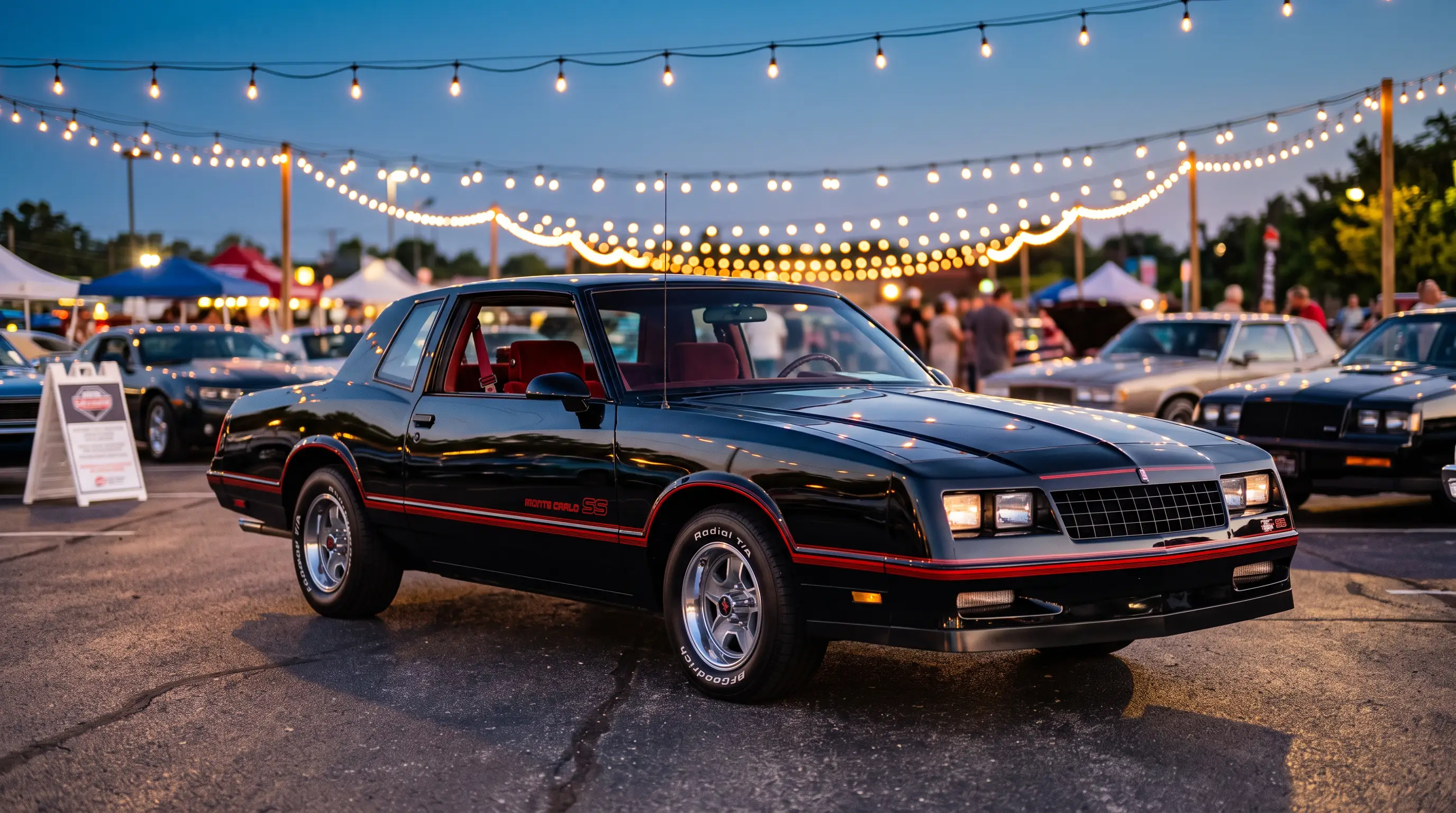
A guy at a cars-and-coffee meet last spring pulled up in a black 1987 Monte Carlo SS with red pinstriping and a matching red interior, and within about ninety seconds three strangers had wandered over just to look at it. Nobody said a word about the engine. Every single one of them was talking about the color. That is the real story behind the monte carlo ss color combos icons question: this car built a visual identity that outlasted its horsepower numbers by decades.
Black over red, and why it became the shorthand for the whole generation
If you show most people a photo of a G-body Monte Carlo SS and ask them to picture the color, they picture black with red accents. That combination was not the only paint scheme Chevrolet offered on the SS, but it became the one people remember, partly because it photographed so well against the boxy, formal lines of the G-body and partly because it matched the aggressive intent of the SS package better than the softer pastel tones the base Monte Carlo wore. Black exterior, red pinstripe, red or two-tone interior, that combination did more to define this car's public image than any spec sheet ever could.
Part of the reason it worked so well is contrast. The G-body SS had crisp, straight-edged bodywork, and black paint let every one of those lines read clearly from across a parking lot, while the red striping traced the car's shape without softening it. Buyers who wanted their SS to look serious sitting still, not just be quick once it was moving, gravitated toward this combination for exactly that reason.
The colors nobody talks about but plenty of buyers actually chose
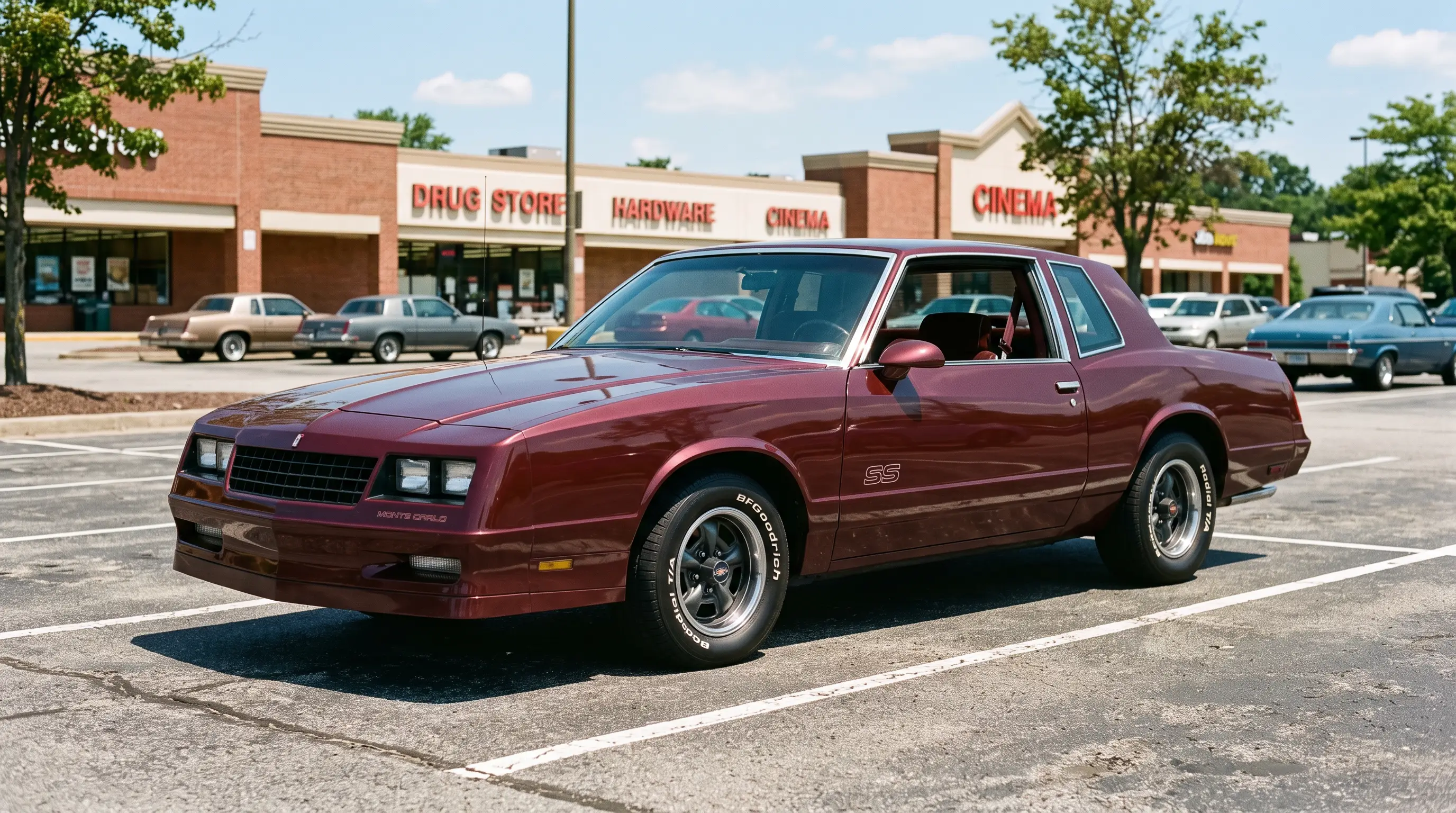
Black over red gets all the attention now, but plenty of original buyers drove home in white, silver, or dark blue SS cars with the same performance underneath and a completely different visual personality on top. These cars exist in real numbers today, and they tend to sell for less than an equivalent black example purely because the market has decided black is the "correct" SS color, a decision that has more to do with nostalgia and NASCAR association than with anything Chevrolet's marketing materials actually pushed at the time.
That gap creates a genuine opportunity for buyers who care more about mechanical condition than matching a mental image. A well-kept silver or blue SS with the same drivetrain as its black counterpart, and a lower price tag attached, is not a lesser car, it is simply a less photographed one.
What the Aerocoupe added to the color story
The rare Aerocoupe variant carried this same color logic even further. Because so few were built and most buyers who sought one out already understood the NASCAR connection, black over red Aerocoupes in particular have become something close to the definitive image of the whole 1980s SS era in enthusiast circles. A black Aerocoupe photographed at the right angle, with that sloped rear glass catching the light, is the single image most people picture when they hear "eighties Monte Carlo SS" at all, regardless of how many were actually built in other colors.
That visual dominance has real market consequences too. A black Aerocoupe with the correct pinstriping and interior tends to draw more attention and stronger bids at auction than an identically optioned example in a less iconic color, even when the mechanical specification is exactly the same. Color, in this specific case, genuinely moves the number a car sells for.
"Nobody at that cars-and-coffee meet asked what was under the hood. They all had opinions about the paint. That tells you something real about how this generation of car earned its reputation, and it was not purely on horsepower."
- Patrick Walsh
Why the color conversation matters for buyers today
Understanding which combinations became culturally dominant helps explain pricing quirks that otherwise look arbitrary. Two mechanically identical SS cars can sell for meaningfully different amounts purely because one wears the color combination that collector culture decided was iconic and the other does not. Buyers chasing pure investment value should factor that into their search, while buyers who simply want an honest, well-sorted example of this era can often find real savings in the less-chased colors without giving up anything mechanical. For the full background on how this badge developed the reputation that made its colors so recognizable in the first place, read the background and see how the visual identity connects to the racing history behind it.
If this has you looking at what is actually on the market right now, whether you are chasing the iconic black over red look or hunting for a bargain in a less photographed color, find a classic Monte Carlo and compare what is out there. The paint might be the first thing people notice, but it should never be the only thing you check before buying.
Interior colors told a quieter version of the same story
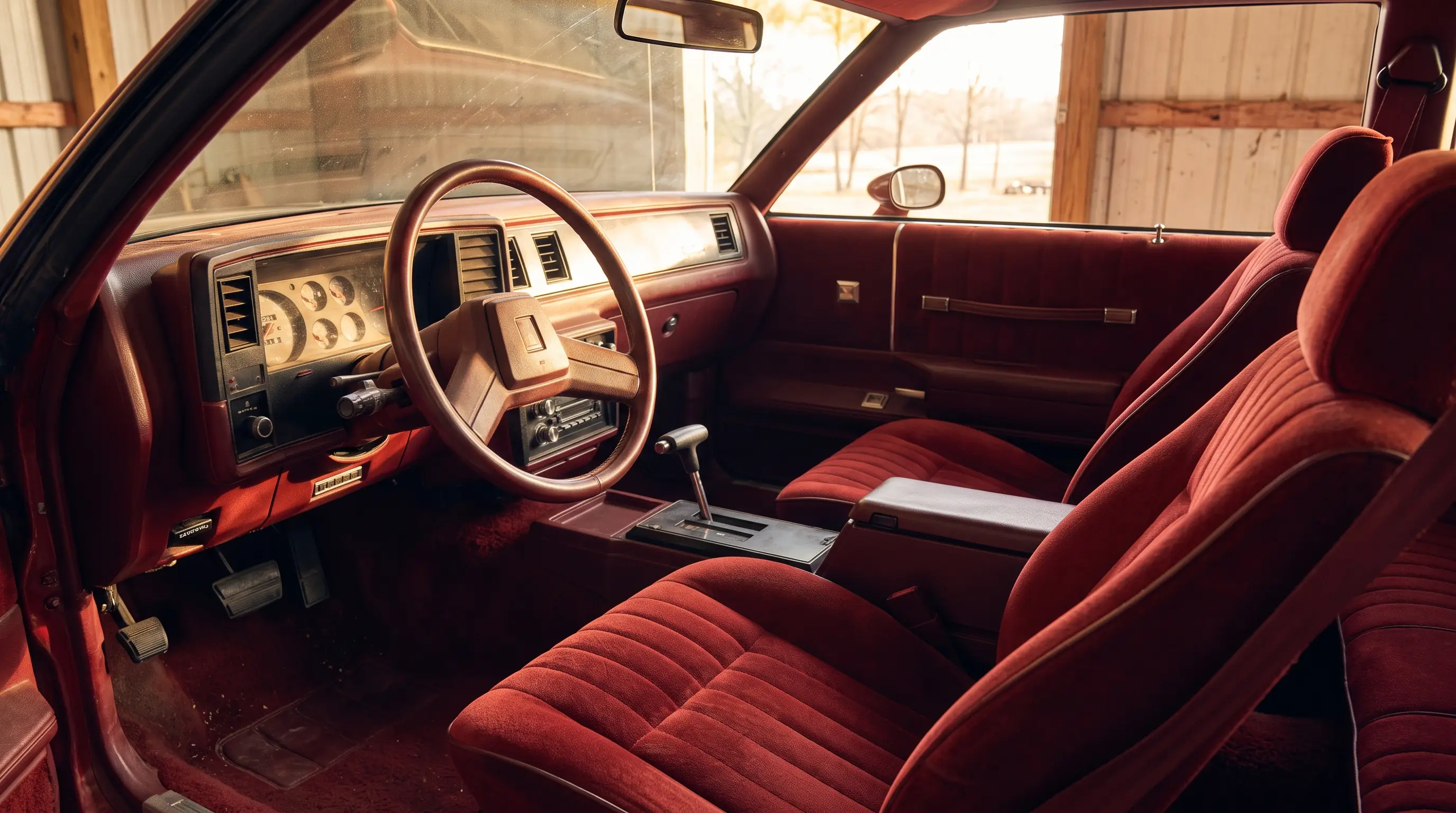
Exterior paint gets the attention at car shows, but the interior color combinations on these cars carried their own kind of identity, one that gets talked about less but shows up constantly in restoration debates. Red cloth or vinyl interiors paired naturally with the black over red exterior scheme, reinforcing that whole aesthetic from the moment you opened the door, while buyers who chose lighter exterior colors often ended up with gray or tan interiors that read as noticeably more conservative sitting next to the aggressive black and red combination everyone remembers.
That interior choice matters more than people assume when it comes to originality debates today. A car with a mismatched interior swap, red seats dropped into a car that left the factory with gray, might look right at a glance but fails a serious buyer's inspection the moment the build sheet gets checked. Collectors chasing factory-correct examples treat interior and exterior color matching as seriously as they treat matching numbers on the drivetrain, and rightly so, since a swapped interior changes the story a car is actually telling.
Two-tone paint schemes added another wrinkle worth knowing about. Chevrolet offered several two-tone combinations across the G-body SS years, and these cars occupy an interesting middle ground in today's market. They are visually distinctive enough to stand out from a solid black car, but they never captured the same cultural shorthand that black over red did, which means well-kept two-tone examples sometimes represent genuine value for buyers who want something a little different without paying the premium the most iconic combination now commands.
None of this is to say the black over red reputation is undeserved. It earned its status honestly, through genuine visual impact and a real connection to the racing program that brought the SS badge back in the first place. But knowing the fuller color story means you can walk into a sale understanding exactly why one car costs more than an identical car in a different shade, and decide for yourself whether that premium is worth paying.