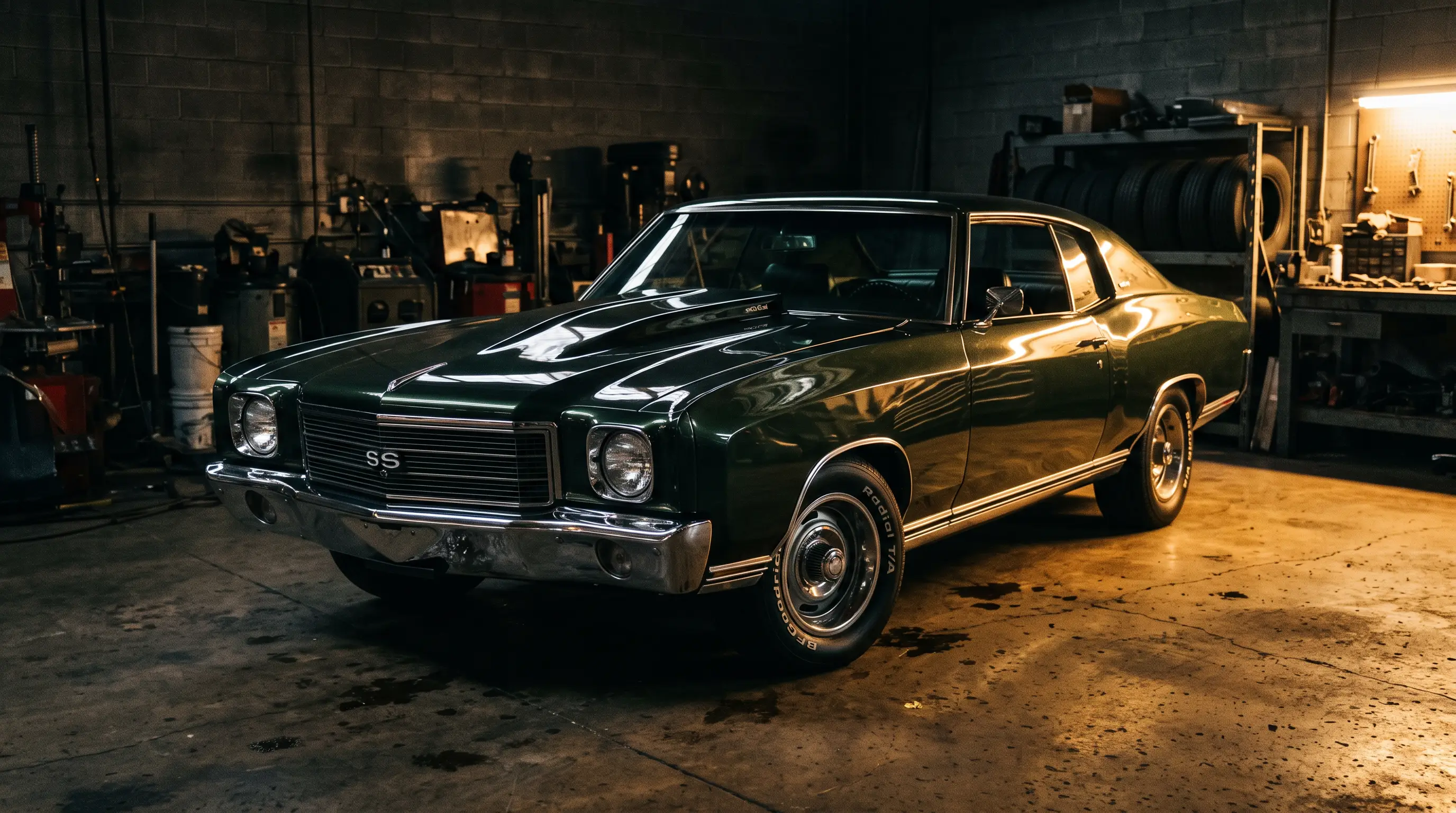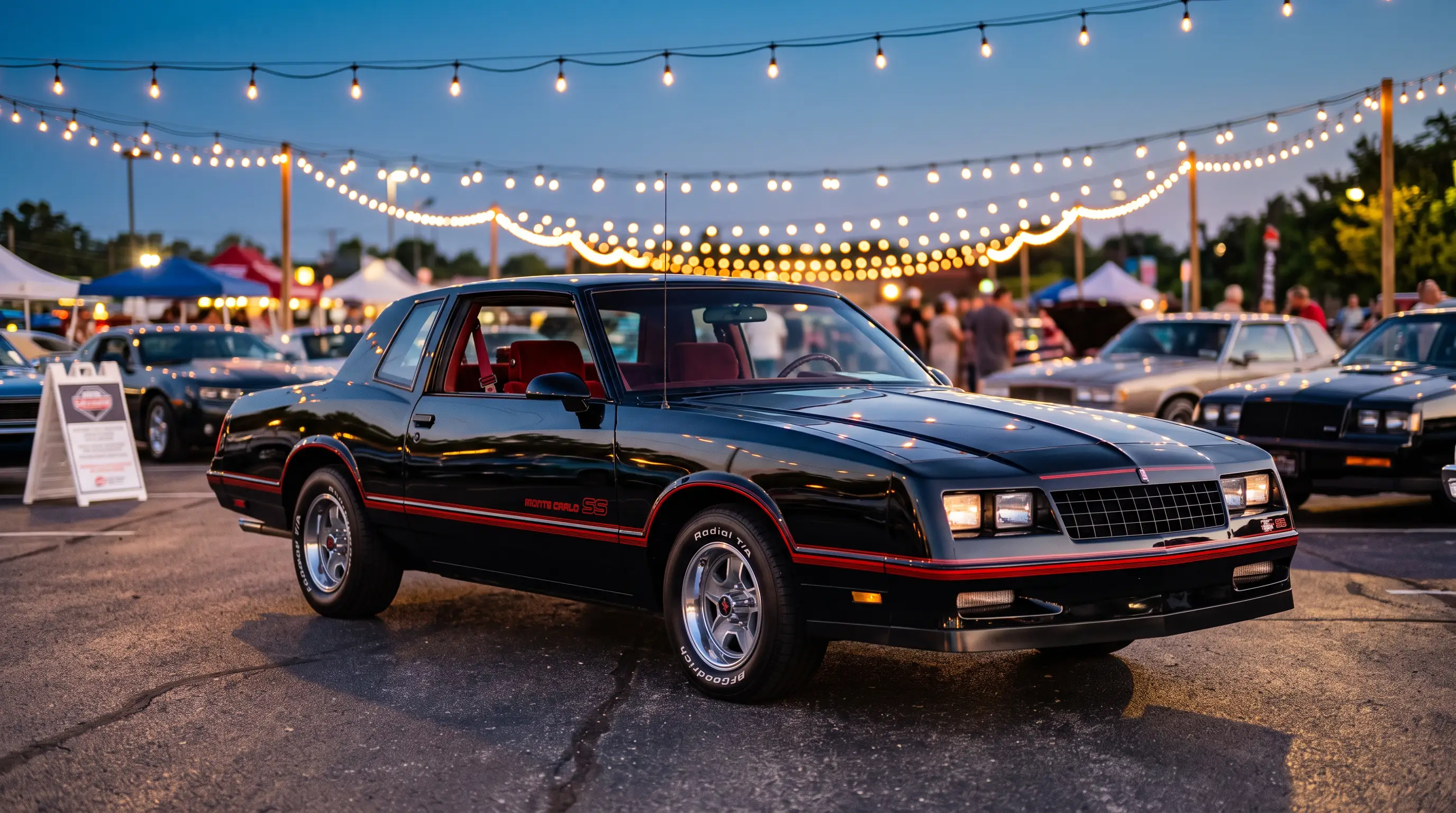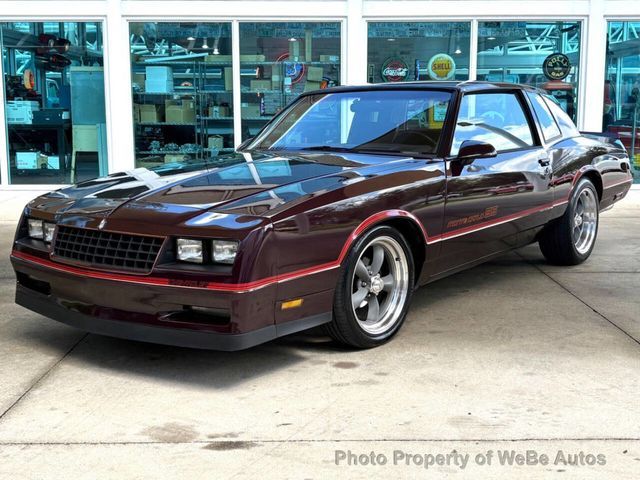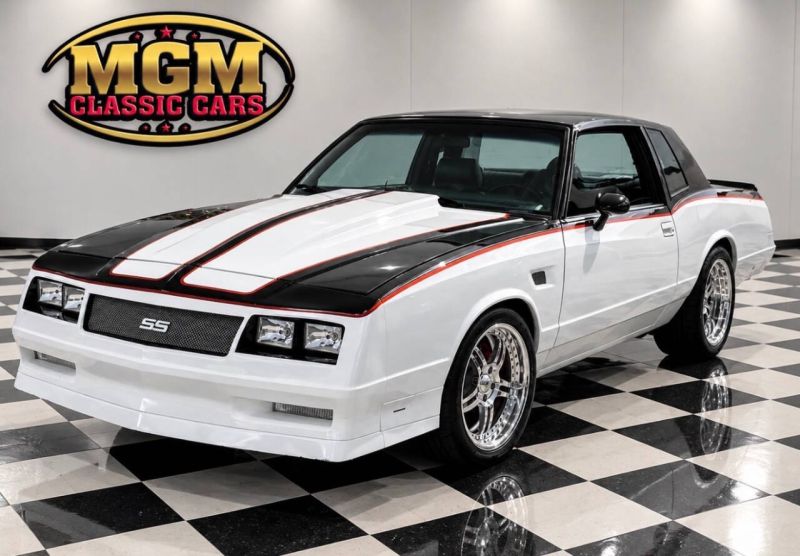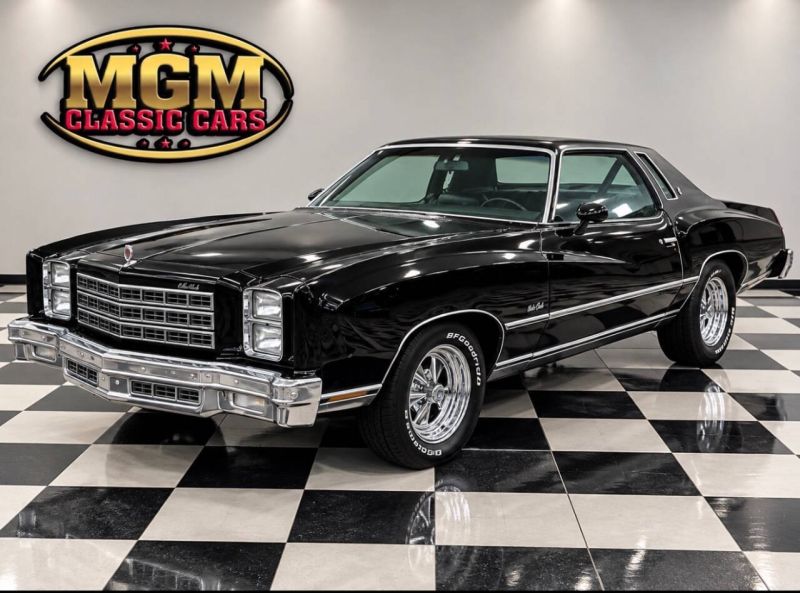
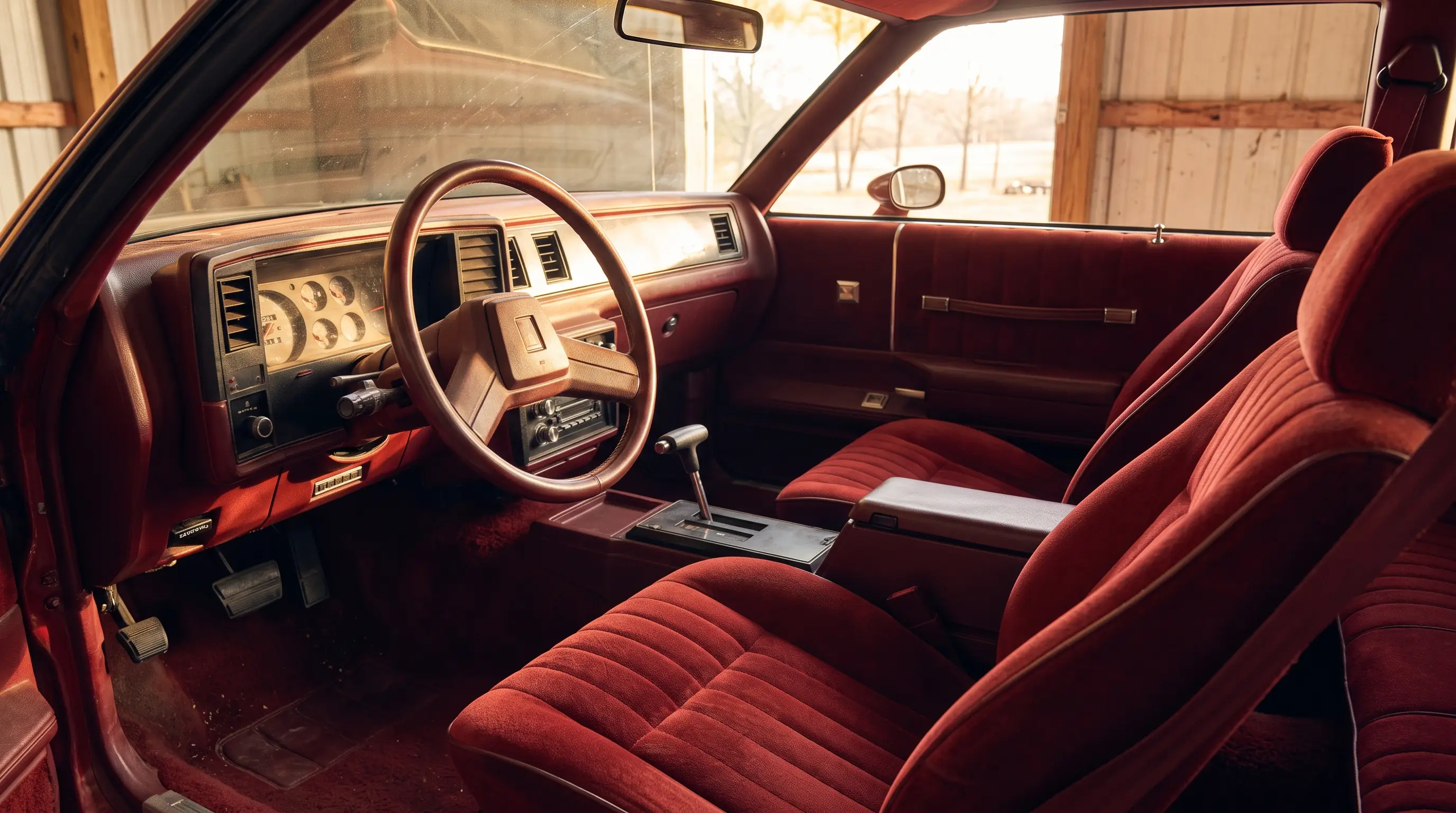
Pop the door on a 1983 Monte Carlo SS and then do the same on a 1988 and you are looking at two different philosophies of cabin trim wearing the same bowtie. The monte carlo ss interiors through years story is really the story of General Motors figuring out, one model year at a time, how much sport a personal luxury coupe could wear on the inside before it stopped being a personal luxury coupe. I have redone a dozen of these cabins on the bench and in the car, and the changes are never as simple as "newer means better." Some of the earliest SS buckets are better built than what came later, and some of the plastics GM cheapened out on by 1987 are the exact parts that fail first today.
1983 to 1984: bench seat carryover, sport intent bolted on
When the SS package came back for 1983, Chevrolet did not tear up the G-body interior and start over. The base LS-trimmed cabin stayed mostly intact, with a notchback bench or optional 55/45 split bench still the default seating, a column shifter in most builds, and a dash that had barely moved since 1981. What the SS added was trim-level dressing: a floor console became available with the console shifter, a sportier steering wheel wheel showed up on option-heavy cars, and the door panels picked up SS-specific cloth or vinyl inserts. The gauge cluster stayed conservative unless you ordered the gauge package, which meant a lot of 1983 to 1984 SS cars left the factory with an idiot-light dash under a car that looked like it should have a tach staring back at the driver. That mismatch between exterior intent and interior delivery is the single most common thing I hear from first-time SS buyers who expected a factory hot rod cockpit and got a Malibu Classic dash with better door panels.
The bucket seat question and why it matters for value
Full bucket seats with a floor console were optional on the SS through most of its run, not standard, and that single fact drives a lot of restoration decisions today. A car built with the notchback bench is not wrong, it is period-correct for a huge chunk of production, but buyers chasing the sportiest possible cabin want buckets, console, and floor shift, and original cars with that combination command real money over base-bench survivors. I have seen more than one seller try to pass off a later reupholster with aftermarket buckets as "factory sport seating," and the tell is almost always in the seat track mounting points and the console trim that does not match the door panel grain. If you are buying, pull the carpet back at the console base and look for factory drilled holes versus aftermarket brackets before you pay a premium for buckets.
| Model years | Seating | Notable interior change |
|---|---|---|
| 1983-1984 | Notchback bench standard, buckets optional | SS door panel trim, optional console shifter |
| 1985-1986 | Same layout carried over | Cloth pattern and color choices expanded |
| 1987-1988 | Bench or bucket, same architecture | Simplified dash graphics, revised door panel plastics |
1985 through 1988: color, cloth, and the parts that age worst
The mid and late run cars did not get a redesigned dash or a new instrument panel casting. What changed year to year was mostly upholstery pattern, color availability, and small trim pieces like the shifter bezel and the door pull design. By 1987 and 1988, GM was tightening budgets across the G-body line, and it shows in the door panel plastic, which gets brittle and cracks around the armrest mounting screws far more often on late cars than on 1983 to 1984 builds. The dash pad is the other weak point across the whole run. Every Monte Carlo SS interior I have touched from a hot climate state has some dash cracking, and the factory pad material simply was not built for forty years of UV exposure. Anyone restoring one of these cabins today budgets for a dash pad and door panel set before they even start on carpet and headliner, because those two items fail almost universally regardless of mileage.
What actually holds up in a restoration
The steering wheel and the seat frames themselves are the survivors. GM built those to last, and even a tired thirty-year-old SS usually has a straight, solid seat structure under whatever upholstery has worn through. The parts that fight you are trim clips, dash bezels, and the specific cloth patterns used in 1983 and 1984, which are harder to source in reproduction than the more common later patterns. I tell builders the same thing every time: buy the best original cabin you can find and preserve what is there rather than gut it, because reproduction interior kits for this generation have improved but they still do not match factory grain and stitch spacing under close inspection. A well-kept original 1984 or 1985 SS interior, buckets or bench, is worth protecting rather than replacing.
"People assume the SS interior got sportier every year it was in production. It didn't. What changed was color and cloth, not architecture, and the guys who know that are the ones who don't overpay for a bucket-seat car that's really just a nice bench car with a console bolted in later."
- Jim Vasquez
Sourcing parts without wrecking originality
The reproduction market for G-body interior parts has grown enough over the last decade that a builder can now find carpet kits, headliners, and even some door panel plastics without resorting to a donor car. The gap is still in the details that a casual buyer never notices and a judge at a show absolutely does. Stitch spacing on reproduction seat covers rarely matches factory exactly, dash bezel plastic texture varies between suppliers, and the shifter surround on console cars is one of the hardest small pieces to find correct. I tell people building a driver-quality car not to lose sleep over these differences, a good reproduction part that fits and functions is worth more than an original part rotted beyond saving. But anyone chasing a numbers-matching, show-quality restoration needs to treat every interior part hunt as its own research project, because the wrong bezel or the wrong cloth weave will get flagged by anyone who has handled enough of these cars to know the difference on sight.
Climate matters more to interior survival than most buyers expect going in. A Monte Carlo SS that spent its life in a garage in a moderate climate will often have a dash and door panels in dramatically better shape than a car of the same age and mileage that sat in direct sun in a hot state for decades. UV exposure is the single biggest factor in plastic and vinyl degradation across this entire generation of GM interior, and it does not care how low the mileage is or how well the mechanicals were maintained. Buyers evaluating two otherwise similar cars should weigh where the car actually lived over the decades as heavily as they weigh the odometer reading, because a low-mile sunbelt survivor can easily have a worse interior than a higher-mile car that spent its life under cover further north.
None of this reads as dramatic because it is not. The Monte Carlo SS cabin story is a quiet one of trim-level tweaks layered onto a fixed architecture for six model years, and understanding that is the whole picture when you are trying to figure out what you are actually looking at in a listing photo. If the exterior has already sold you and you want to see what is actually on the market right now, you can shop classic Monte Carlo listings and start comparing bench cars against the buckets for yourself.