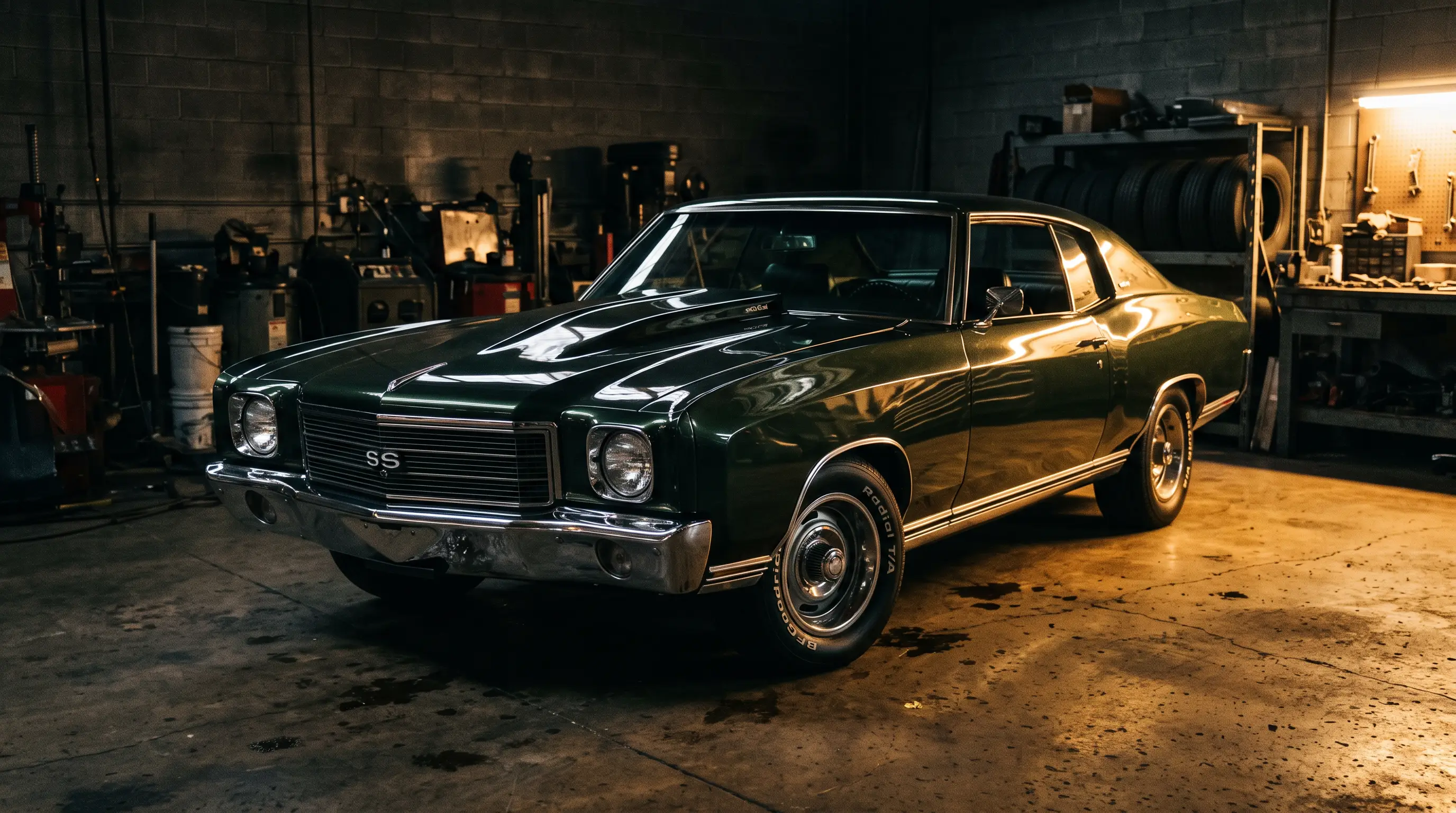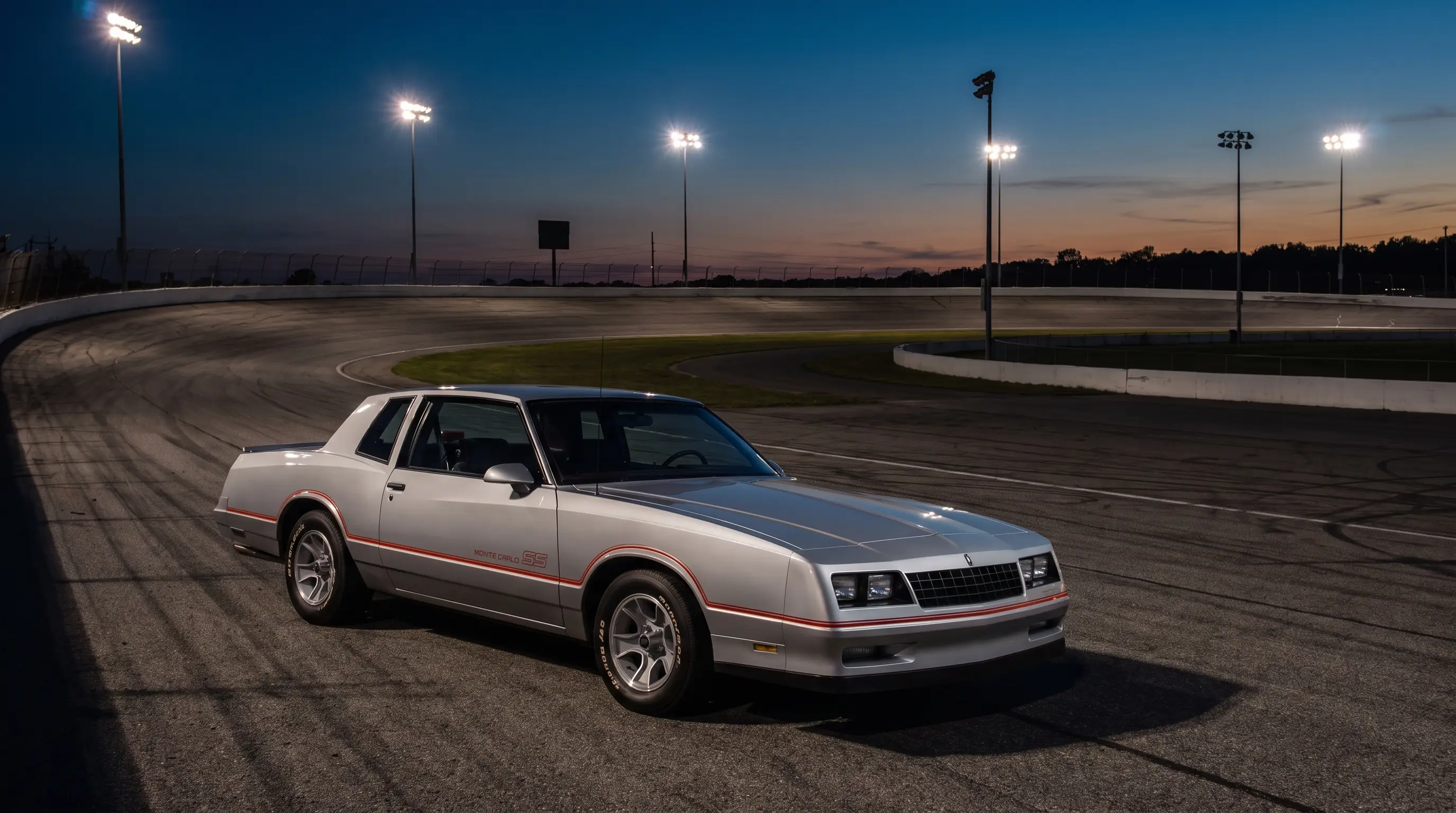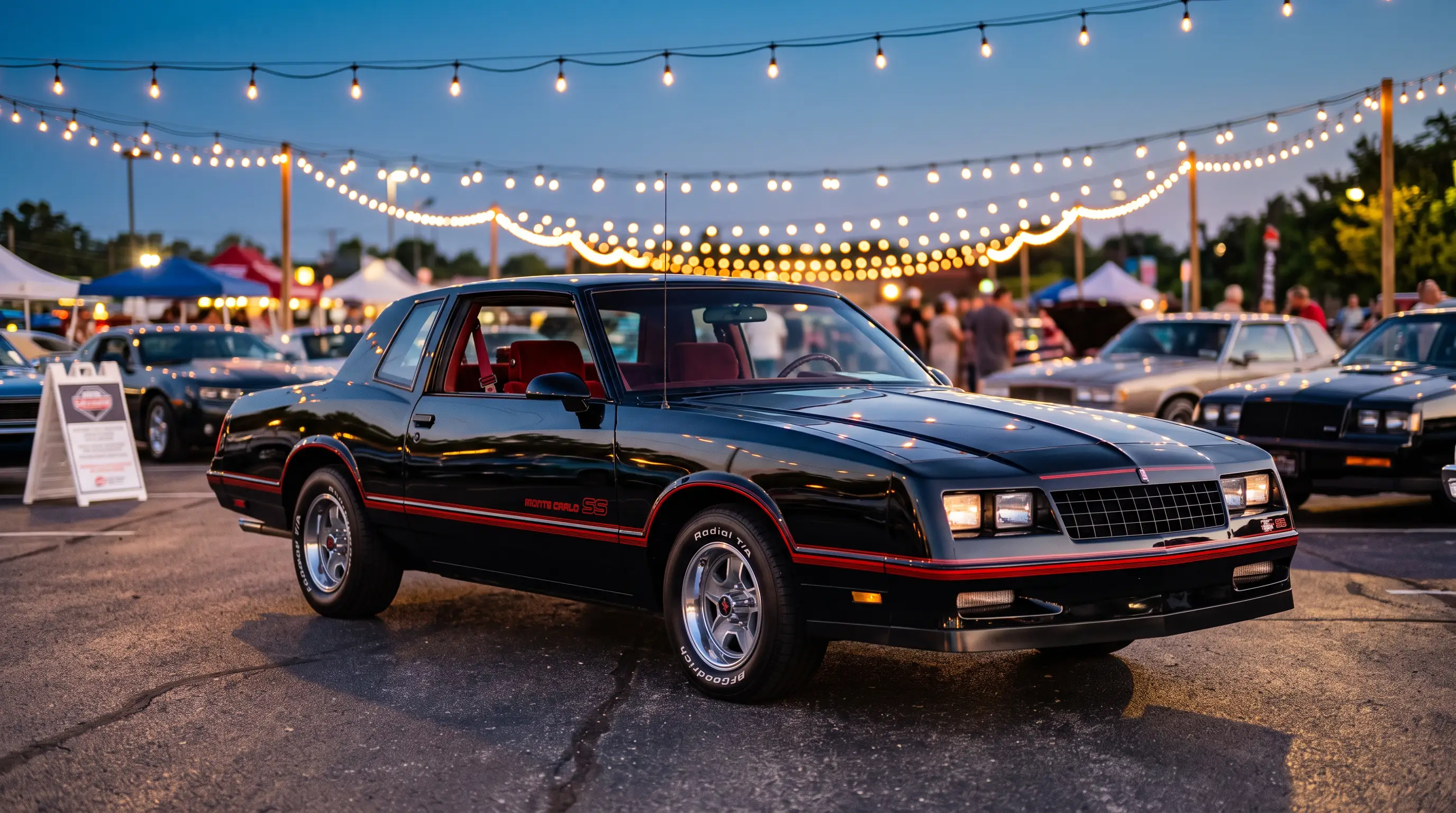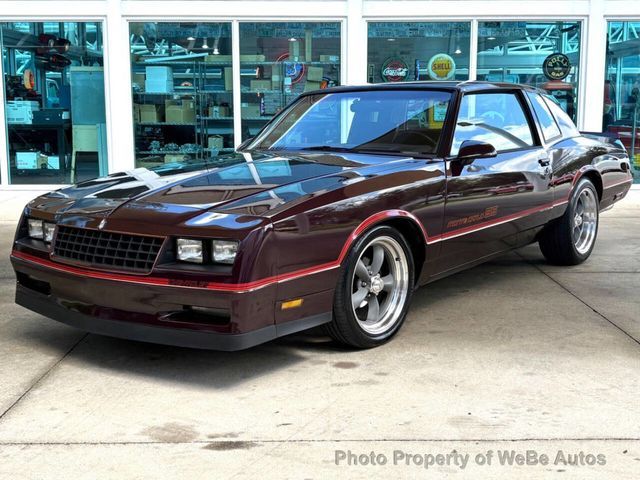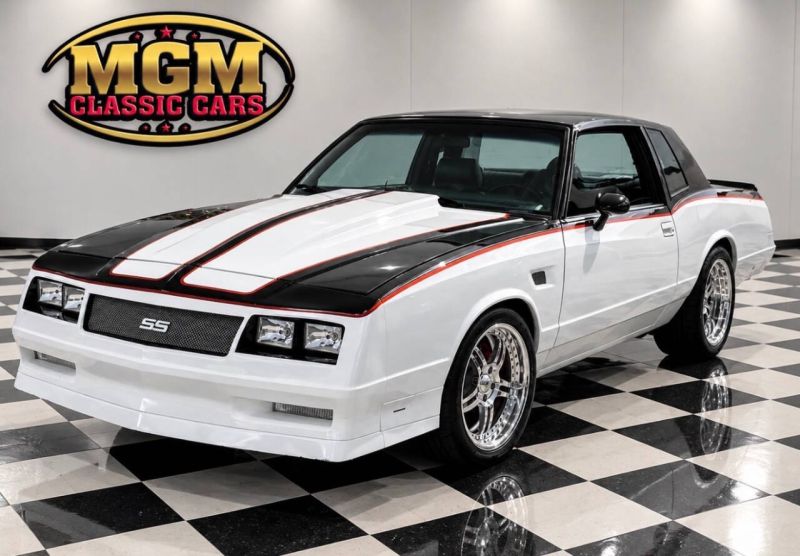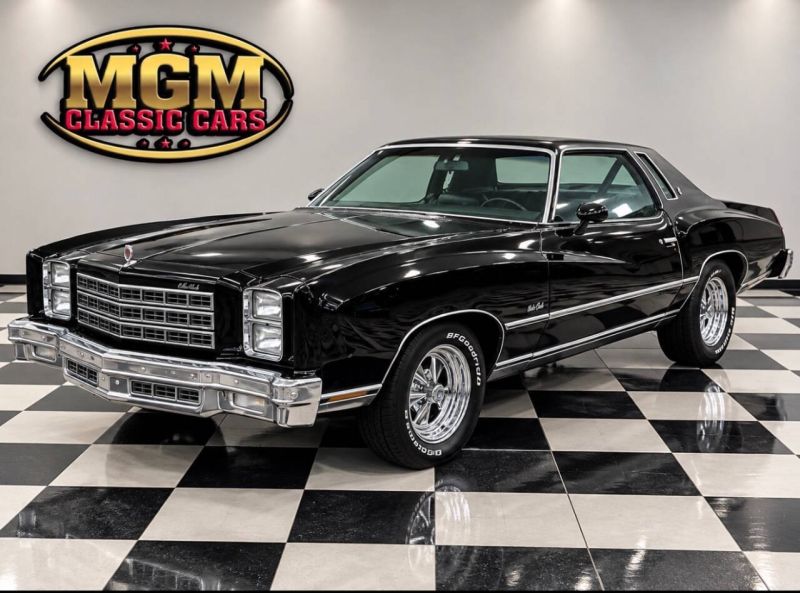
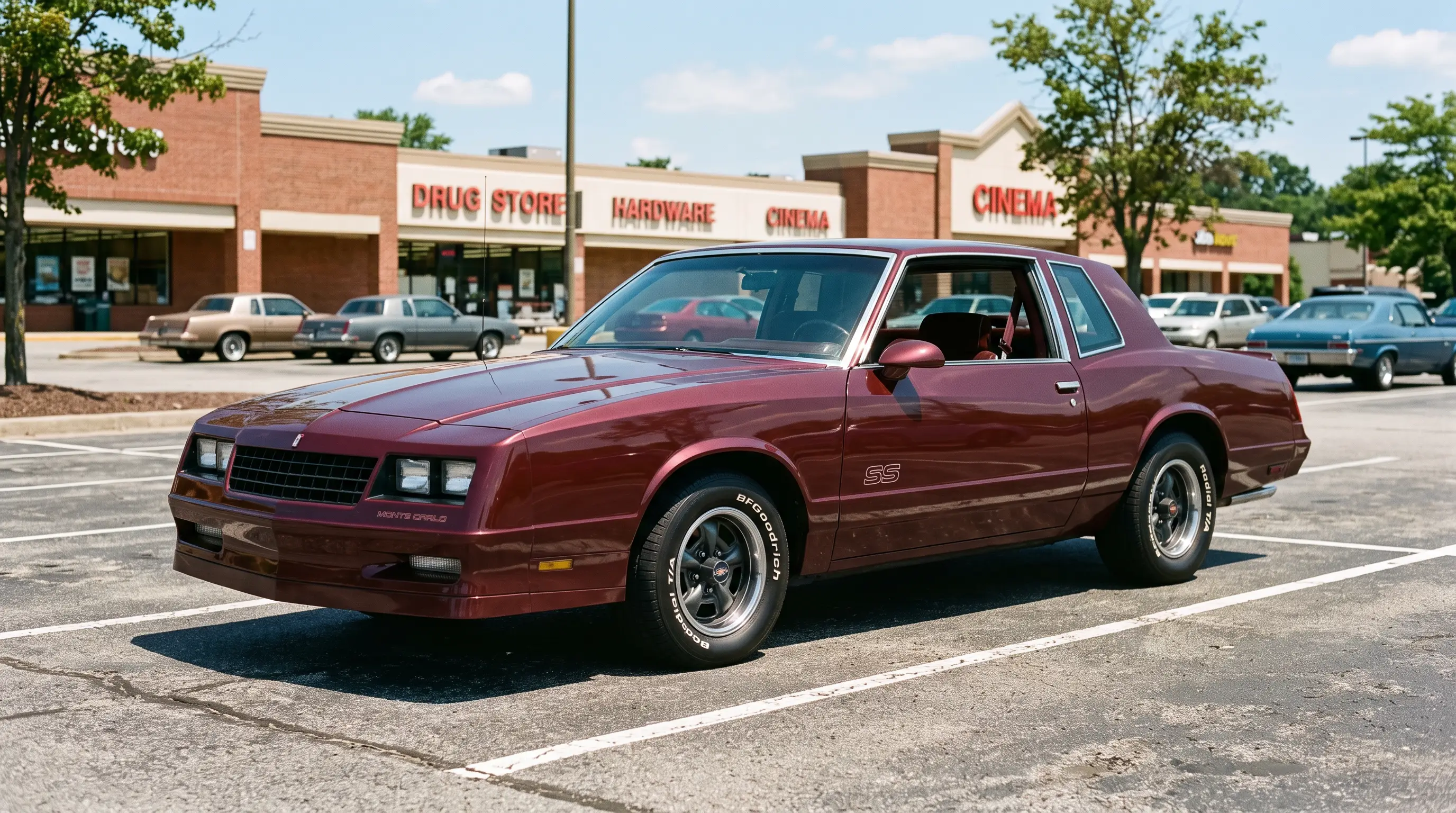
Here is the number people skip past when they talk about the monte carlo ss l69 305 ho: 175 horsepower when the engine debuted in 1983, bumped to 180 horsepower for 1984, out of a small block that displaced barely more than half of the original 1970 SS454's big block. That is the whole story of the eighties SS in one comparison, and pretending otherwise does the car a disservice.
The engine that actually defined the G-body SS
Chevrolet's L69 305 H.O. was the performance small block available in the 1983 and 1984 Monte Carlo SS, a genuinely stronger tune than the standard 305 offered elsewhere in the lineup, with a more aggressive camshaft and better breathing heads doing the work that displacement no longer could. It never chased the original SS454 on paper, and it was never supposed to. This engine was built for a different priority entirely, and the priority was NASCAR-driven aerodynamics and chassis balance, not straight-line dominance.
The standard LG4 305 that most G-body SS buyers actually drove home made noticeably less power than the L69, and that gap is one people gloss over when they talk about "the eighties SS" as one single thing. It was not one thing. It was a range, with the L69 sitting at the top as the real performance option and the LG4 filling out the volume.
Why the numbers look small next to 1970 and why that is the point
Compare the L69's output against the original LS5 454's 360 horsepower and the gap looks embarrassing if you only read the spec sheet. But that comparison misses what Chevrolet was actually building toward in the 1980s. This was an era of tightening emissions regulations, corporate fuel economy standards, and a completely different set of engineering constraints than existed in 1970. The L69 was not a failed attempt at replicating the SS454. It was a successful attempt at extracting real, usable performance from a smaller engine under rules the original SS454 never had to face.
Judged against those constraints, 175 to 180 horsepower from a 305 was a genuine achievement, not a compromise to apologize for. The car around it was tuned to make that power count, better suspension geometry, quicker steering, and a body shape increasingly influenced by what Chevrolet's NASCAR teams needed on the superspeedways.
What buyers get wrong when shopping this generation
People shopping G-body SS listings today frequently assume any 1983 or 1984 SS carries the L69, and that assumption costs them money. Confirm the engine code before paying a premium, because a standard LG4 car dressed in identical SS trim is a meaningfully different purchase than a documented L69 example. The badge on the outside does not distinguish between the two, only the paperwork and the stamped engine code do that.
This matters more with this generation than with most, because the L69's window was short, essentially two model years before Chevrolet shifted the SS lineup's engine offerings again. A short production window plus widespread badge confusion is exactly the combination that inflates asking prices on cars that do not actually carry the engine sellers claim.
"People want the eighties SS to be a big block story and it just is not one. It is a small block story about extracting real performance under real constraints. That is a different kind of achievement, and it deserves to be judged on its own terms instead of measured against 1970."
- Dan Reeves
Where this fits against the rest of the SS lineup
The L69's short run also connects directly to the broader story of how the eighties SS evolved, from the 1983 introduction through the eventual Aerocoupe variants built purely for NASCAR homologation. Anyone piecing together the full arc of the badge, from the original big block through the G-body years, should start with our monte carlo ss retrospective, which lays out every engine and model year change in order. If the visual side of this era interests you as much as the mechanical side, a related story covers the paint and trim combinations that defined how these cars actually looked leaving the factory.
For buyers ready to shop this generation with the engine question settled in their head, the practical next step is comparing documented L69 cars against the more common LG4 examples currently listed. Monte Carlos for sale now is where that comparison starts, and it is worth checking the engine code against the price before assuming the two engines are interchangeable in value.
The numbers that separated L69 cars from the rest of the range
Production figures for the L69 option are harder to pin down precisely than the headline SS totals, since Chevrolet did not always break out engine codes cleanly in published sales literature from this period. What is clear is that the L69 was never the majority engine in G-body SS production. Most SS buyers across 1983 through 1988 drove home with the standard LG4, and the L69 represented the smaller, enthusiast-oriented slice of that total. That imbalance is exactly why documentation matters so much when a seller claims L69 power today.
Manual transmission availability adds another layer worth checking. The L69 could be paired with either an automatic or a manual gearbox depending on model year, and cars combining the L69 with a manual transmission generally draw stronger interest from buyers who want the most engaged version of this generation's driving experience. Confirming both the engine code and the transmission type gives a much clearer picture of where a specific car sits within the SS range than the exterior badge alone ever will.
Parts availability for the L69 remains reasonable today because it shares core architecture with small blocks used across the broader GM lineup for years afterward, meaning rebuild components are not the scarce, specialty items that some low-production engines from this era have become. That is good news for anyone planning to actually drive a documented L69 car regularly rather than treat it purely as a static collector piece. A correctly maintained example can still deliver the responsive, torque-forward driving feel it was tuned for, decades after it left the factory floor, without the parts-hunting headaches that plague rarer powerplants from the same period.
Bottom line on the L69: it is not trying to be the 1970 SS454 and never was. Judge it against the constraints Chevrolet actually faced in 1983 and 1984, and it holds up as the honest performance answer of its era, a small block doing real work instead of a big block coasting on reputation. That is the comparison worth making, and it is the one most casual conversations about this car skip entirely.