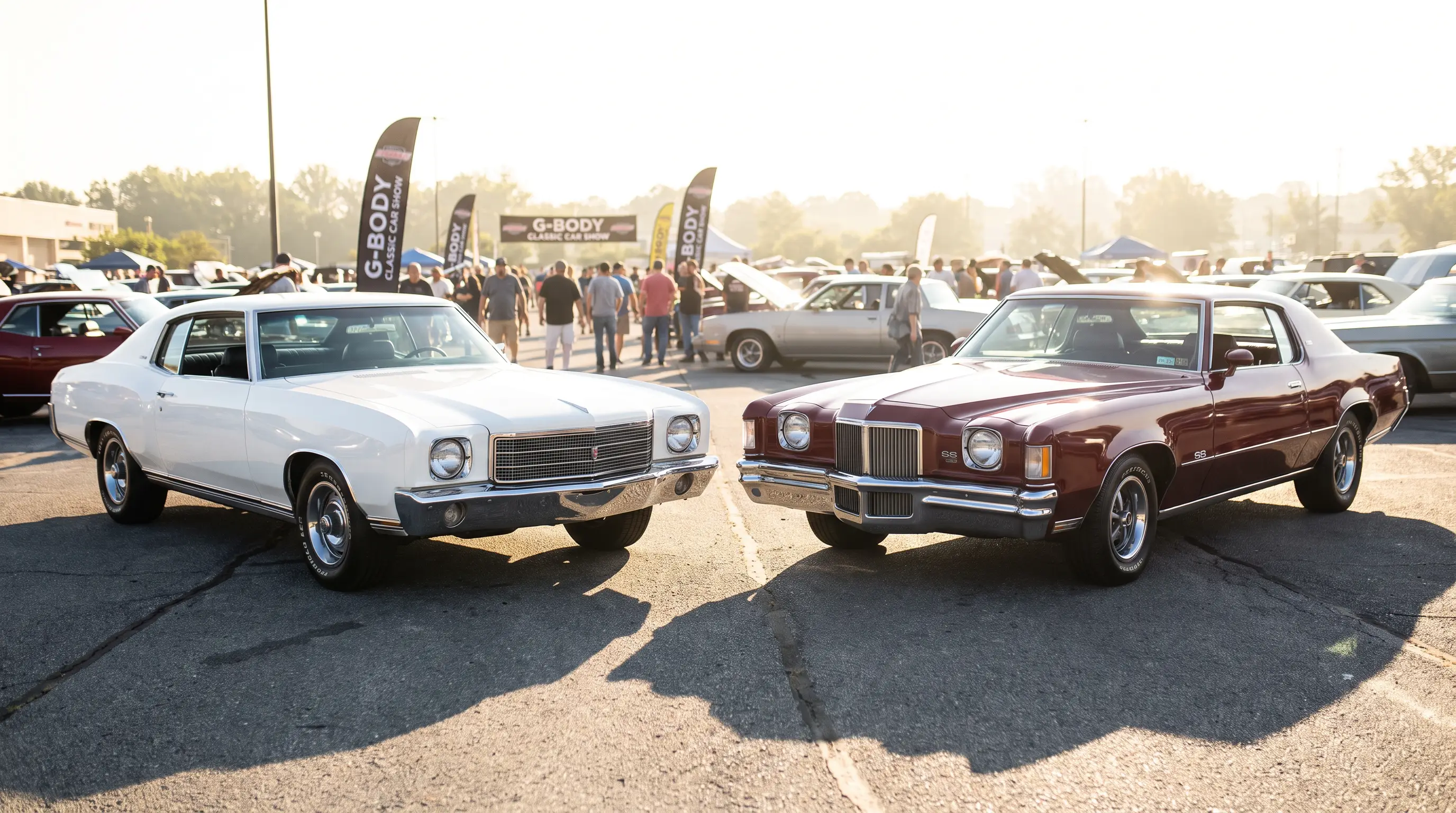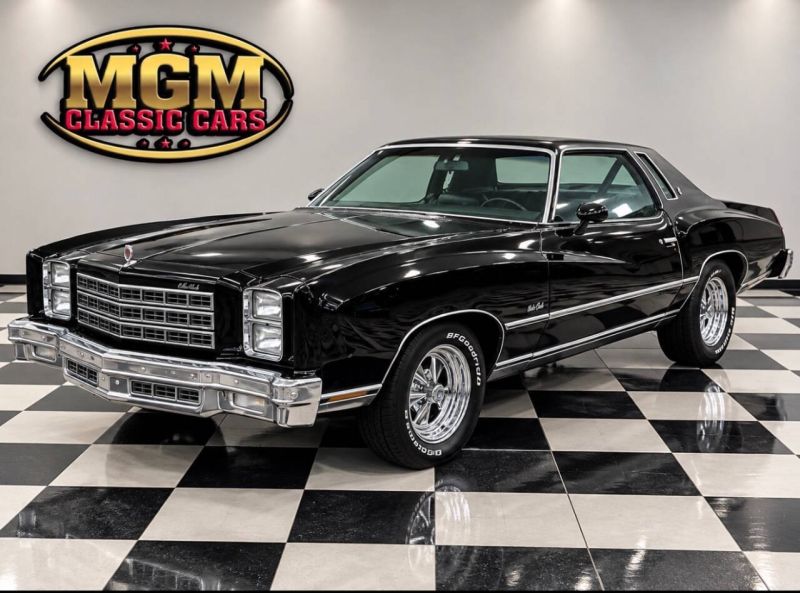
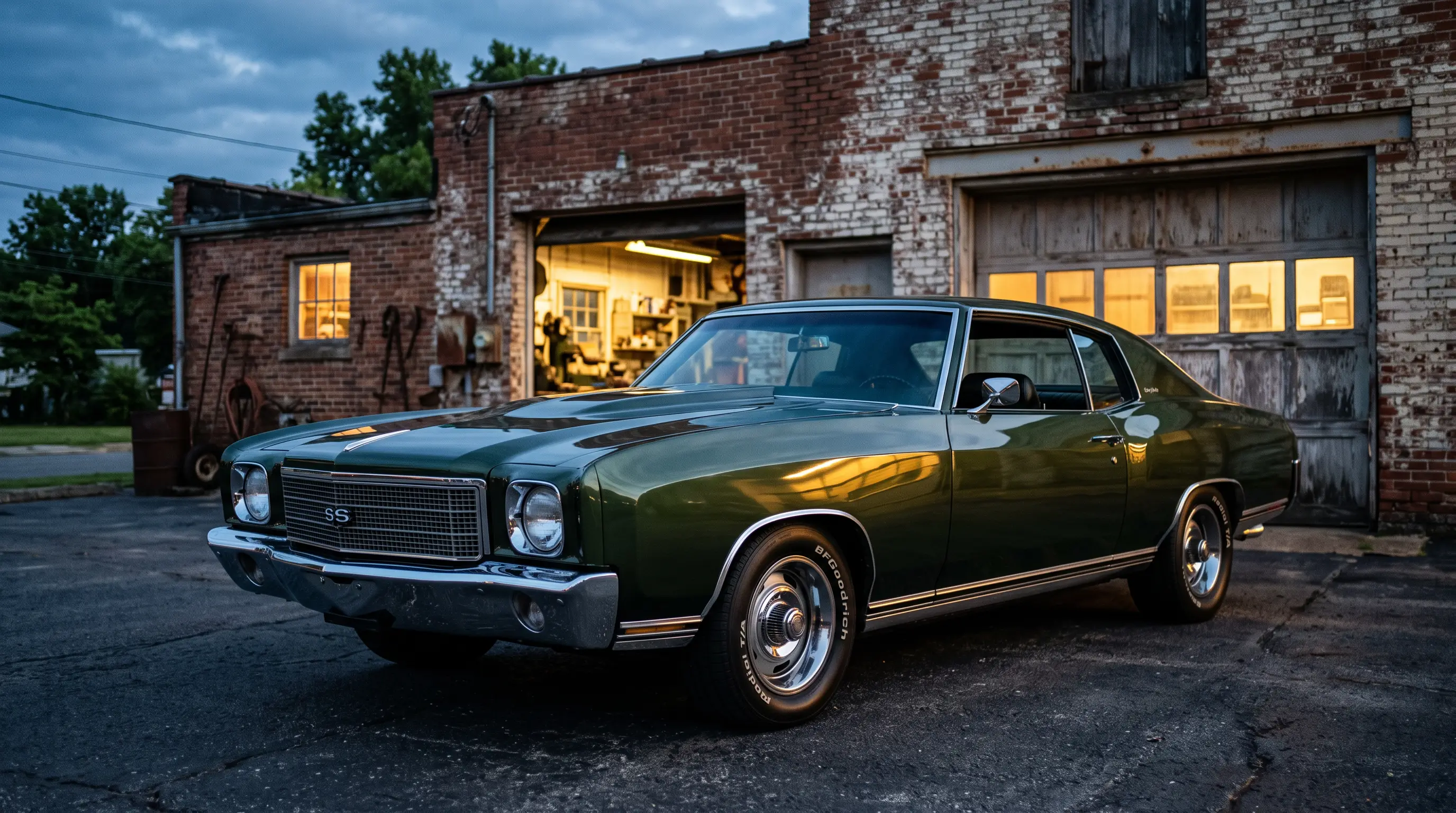
The Chevrolet Monte Carlo SS badge has been retired for more than three decades, yet it still sells magazines, drives auction bids, and starts arguments at every cruise night where a Colonnade coupe parks next to a G-body. Ask ten owners why the monte carlo ss legacy why it endures matters and you will get ten different answers, but they all circle back to the same fact: this was never a one-generation story. Chevrolet built two entirely separate SS chapters two decades apart, and the gap between them is exactly why the name refuses to fade.
A badge born twice, not once
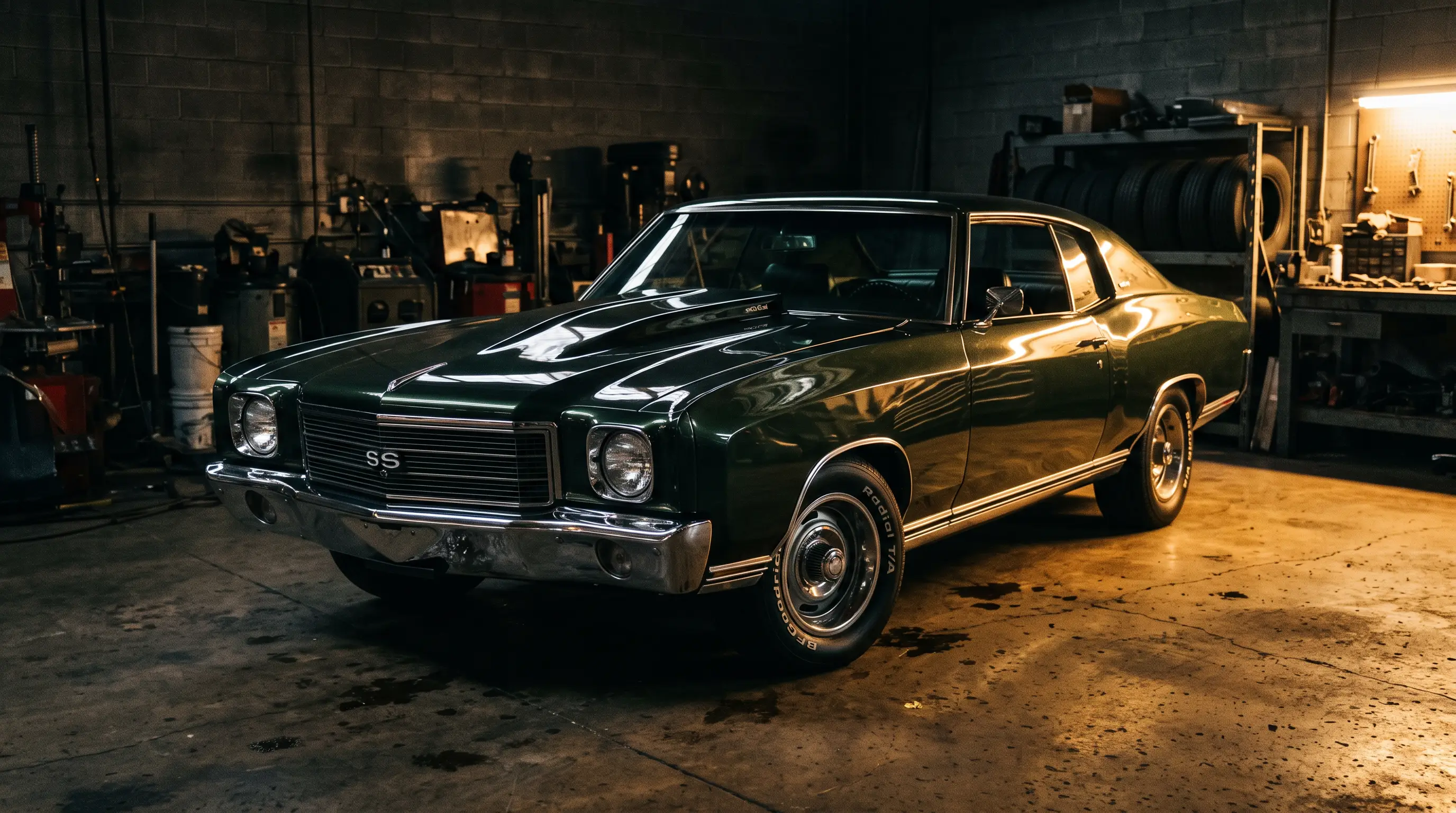
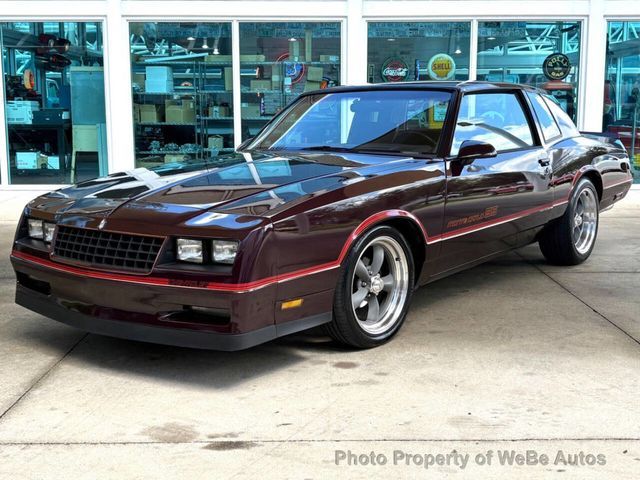
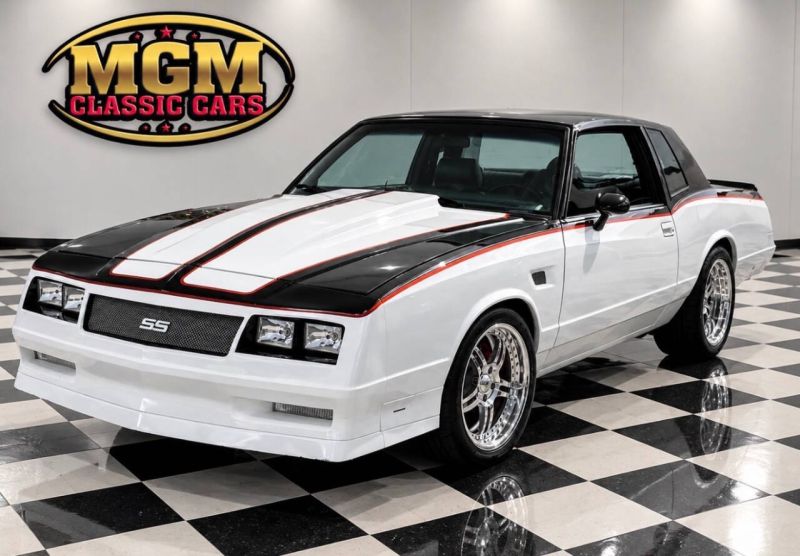
Most casual buyers assume "Monte Carlo SS" means one car. It does not. The first SS454 arrived for the 1970 model year as a mid-cycle performance option on the brand-new personal luxury coupe, built for exactly two seasons before Chevrolet quietly let it lapse. The badge then sat dormant through the entire Colonnade era (1973-77) and the downsized generation (1978-80), only to resurface for 1983 on the G-body as a very different animal: a aero-nosed, four-barrel-carbureted street car built to chase NASCAR relevance as much as street cred. Anyone shopping records for one continuous SS bloodline is chasing a myth. There were two, separated by a decade of silence.
What the factory paperwork actually says
Primary documentation, not folklore, is where this gets interesting. The 1970-71 SS454 used RPO Z20, bolted to the LS5 454 cubic inch big block rated at 360 horsepower, a genuine flagship for a car most buyers ordered with a small block. Production of that first SS454 was modest, commonly cited near 3,823 units for 1970, which already tells you why survivors bring real money today. The second act, the 1983-88 SS, told a completely different story on paper. It leaned on a 305 cubic inch four-barrel V8 making a comparatively modest 175-190 horsepower depending on year, but it sold in far larger numbers because it wore the aerodynamic nose that NASCAR teams needed homologated, then the Aerocoupe fastback in 1986 and 1987 that made the whole package legal for superspeedway racing. Two SS models, two completely different jobs: one built to move mass off a luxury platform, one built to satisfy a sanctioning body. Read keep exploring for the full breakdown of that first LS5 car if the numbers above only whetted your appetite.
Correcting the misconception that keeps circulating
Here is where I have to gently push back on a claim I see repeated in classified ads and forum threads: that the 1983-88 SS was somehow a "lesser" Monte Carlo because it made less horsepower than the original. Horsepower alone misses the point of what each SS was built to prove. The 1970 car proved Chevrolet's personal luxury coupe could carry serious muscle-era hardware without losing its identity as a boulevard cruiser. The 1980s car proved a much harder thing: that a mid-size American coupe could still win on a superspeedway against purpose-built aero cars from Ford and Buick, at a time when factory racing budgets were shrinking and emissions rules were strangling horsepower everywhere. Those are two different kinds of significance, and treating one as the "real" SS and the other as a footnote does a disservice to both engineering teams.
Why the badge still commands attention at auction
Scarcity explains part of the draw, but documentation explains the rest. Original build sheets, cowl tag decodes, and dealer invoices now separate genuine SS454s and Aerocoupes from clones built decades later with reproduction badges. A verified 1970 SS454 with matching numbers routinely outsells an unverified example by a wide margin, and the same gap exists between a documented 1986-87 Aerocoupe and a standard notchback wearing aftermarket SS trim. Collectors have learned, sometimes expensively, that the badge itself proves nothing without paper behind it. That is precisely why our complete history of the badge's changes across both eras is worth the read before anyone writes a check.
| Generation | Years | Signature engine | Reason it exists |
|---|---|---|---|
| First SS (SS454, RPO Z20) | 1970-1971 | 454 cu in LS5, 360 hp | Muscle-era flagship on a new luxury platform |
| Second SS | 1983-1988 | 305 cu in four-barrel | Street performance image and NASCAR aero rules |
| Aerocoupe | 1986-1987 | 305 cu in four-barrel | NASCAR superspeedway homologation |
"People want the SS story to be simple, one car, one legend. The factory paperwork says otherwise, and the paperwork is always right."
- Tom Ramirez
What killed the badge both times
It is worth asking why Chevrolet let the SS name disappear twice instead of running it continuously the way Pontiac ran the Grand Prix SJ or Ford ran the Thunderbird's performance trims. The first SS454 died a quiet death after 1971 because tightening emissions standards and rising insurance surcharges on big-block cars made a 454 in a personal luxury coupe a hard sell to accountants, not to buyers. Chevrolet was not chasing enthusiasts with the Monte Carlo lineup through most of the 1970s; it was chasing volume, and volume buyers wanted quiet V8s and vinyl roofs, not insurance categories that doubled a premium. The second SS eventually wound down for a similar reason once NASCAR's aero rules shifted and the G-body platform itself aged out of production by 1988, replaced by the front-drive W-body that intentionally dropped the SS designation for years. Both endings were business decisions, not failures of the cars themselves, and that context matters when collectors debate why the gap between generations exists at all.
Reading a cowl tag before you read a for-sale ad
Any serious research into either SS generation starts at the cowl tag, not the trim tag glued inside a glovebox lid that anyone can replace. The cowl tag stamps out the build date, the assembly plant, and trim codes that cross-reference against the factory's original build sheet if one survives with the car. A 1970 SS454 without a documented LS5 engine code stamped into the block, or without a matching cowl tag date consistent with Z20 production windows, should be treated as an unverified claim rather than a fact. The same discipline applies to 1986-87 Aerocoupes, where the sloped back glass alone is not proof of an original factory build; some cars have had aftermarket glass installed decades later to chase the premium the body style commands. Primary documentation is slow and occasionally frustrating to track down, but it is the only thing standing between a genuine piece of history and an expensive guess.
The case for buying either one today
If the goal is muscle-car dollar-per-horsepower math, the 1970 LS5 wins outright. If the goal is a genuinely rare, well-documented piece of NASCAR history that still drives like a comfortable daily coupe, the Aerocoupe is arguably the better long-term hold, since so few were built and so few survive unmolested. Either way, buyers should treat the SS name as a starting point for research, not a finish line. Ask for the cowl tag decode, ask for a Protect-O-Plate if the seller claims one exists, and cross-check the engine code against known production. The badge endures because both cars earned it honestly, on their own terms, in their own decades. Anyone ready to put that history into a driveway can start with classic Monte Carlo for sale listings and work backward from there, armed with the questions this article should have raised.
Sources and notes
- First Generation Monte Carlo Club - Production Numbers
- MotoGallery - 1970-1971 Chevrolet Monte Carlo SS 454: Specs & History
- Hagerty - 1983-88 Chevy Monte Carlo SS Buyer's Guide
- Automobile Catalog - 1983 Chevrolet Monte Carlo SS Specs
- Monte Carlo SS Club - SS FAQ: Engine
- Wikipedia - Chevrolet Monte Carlo