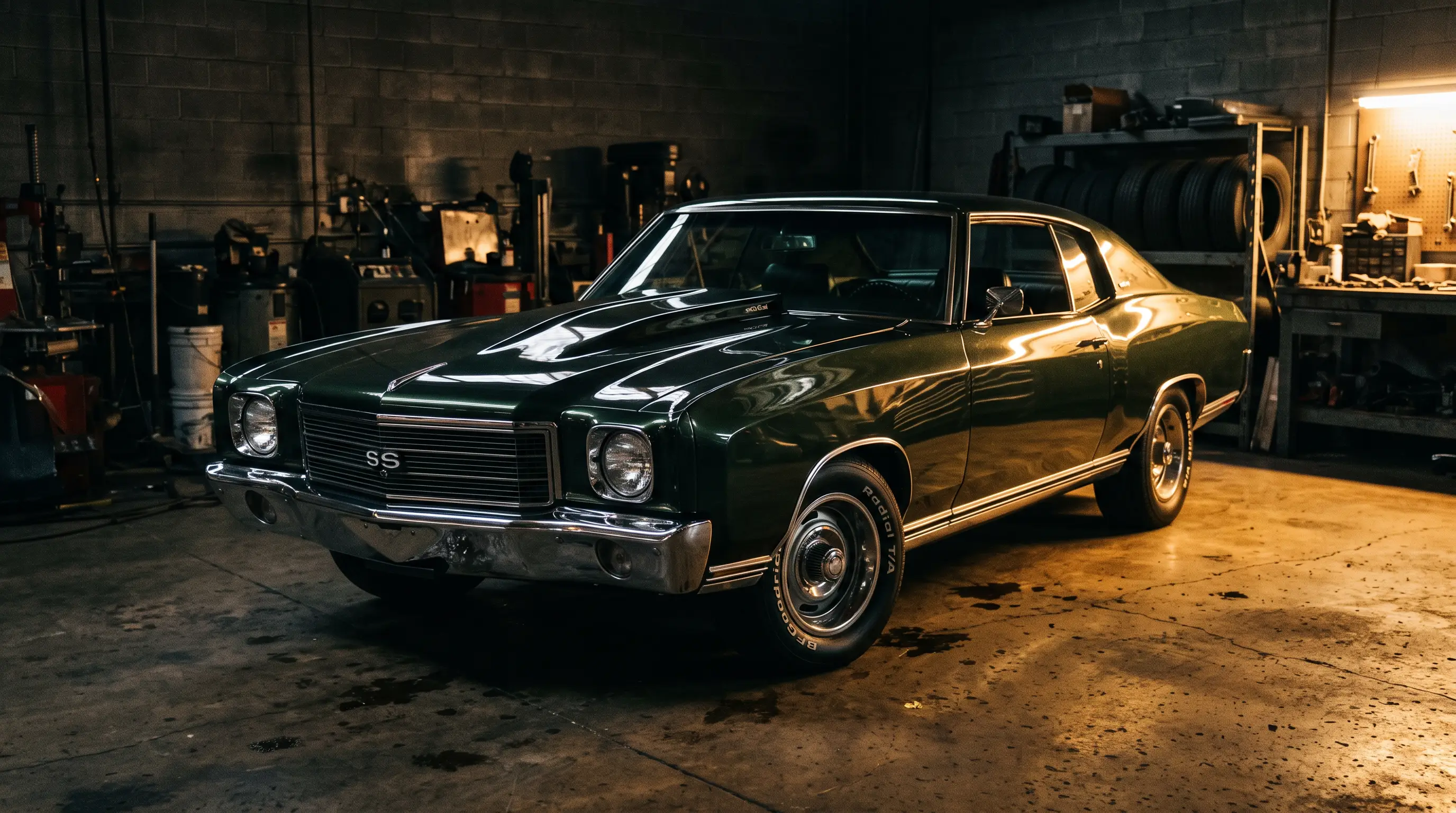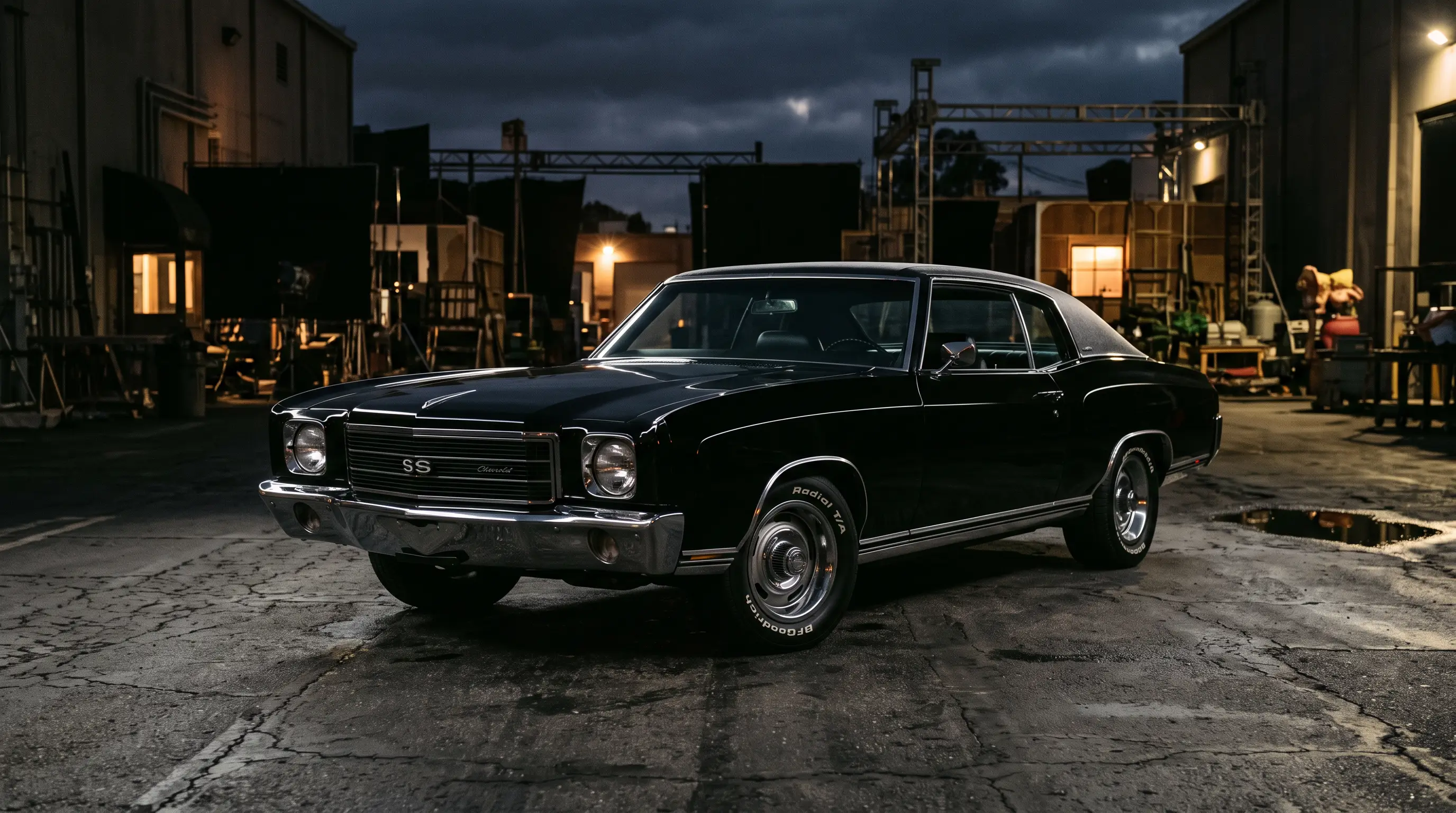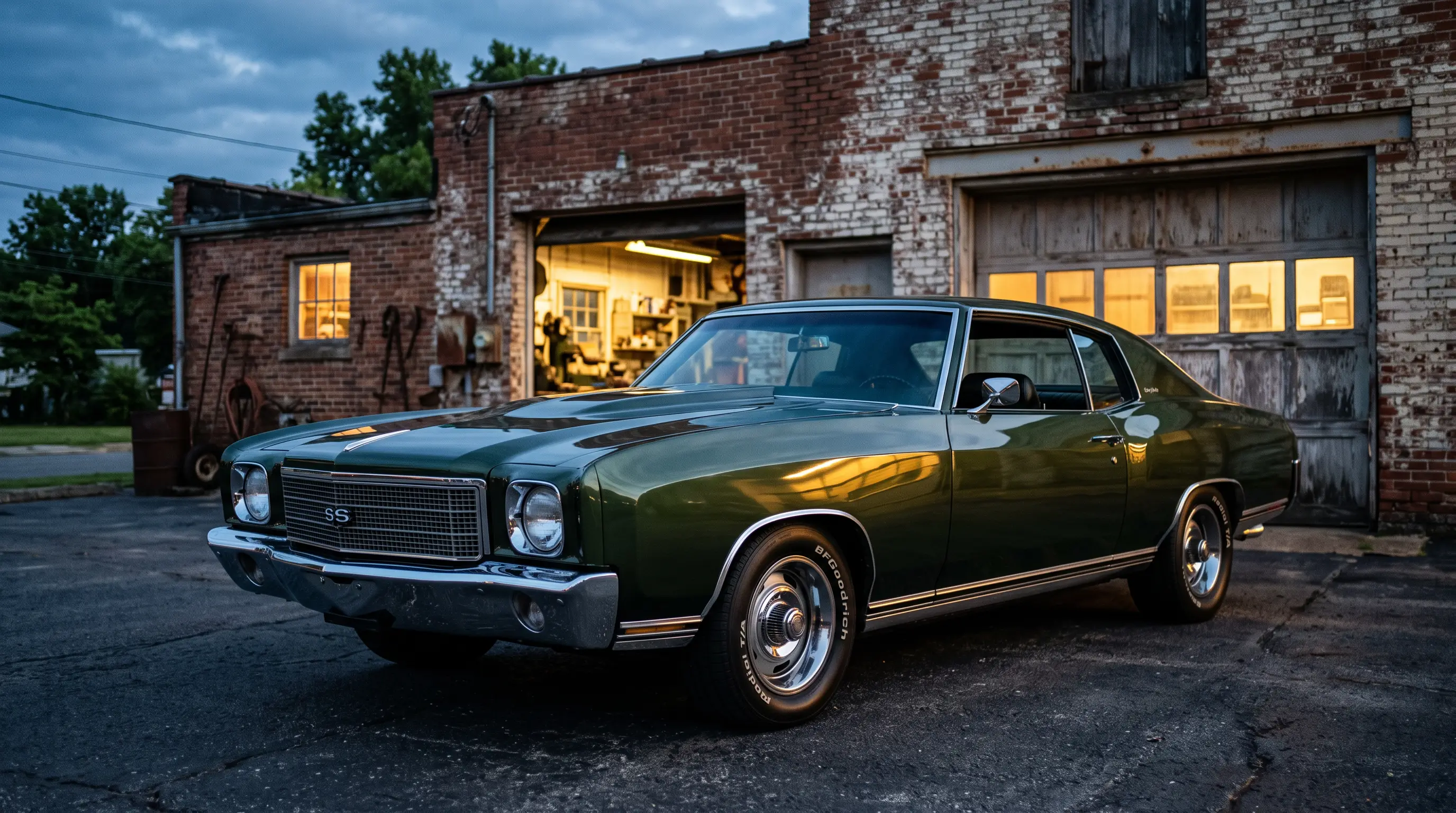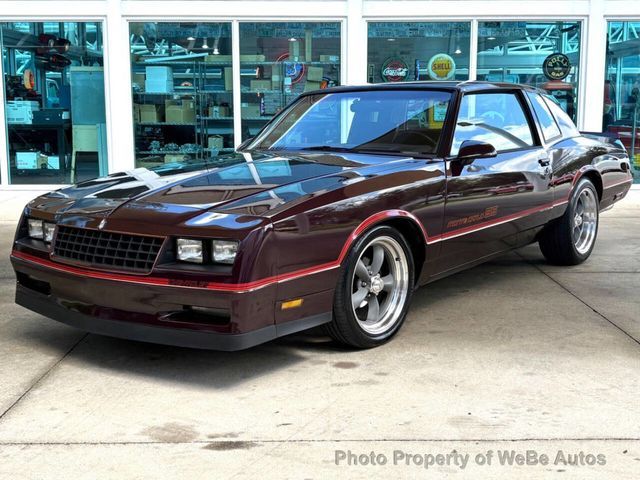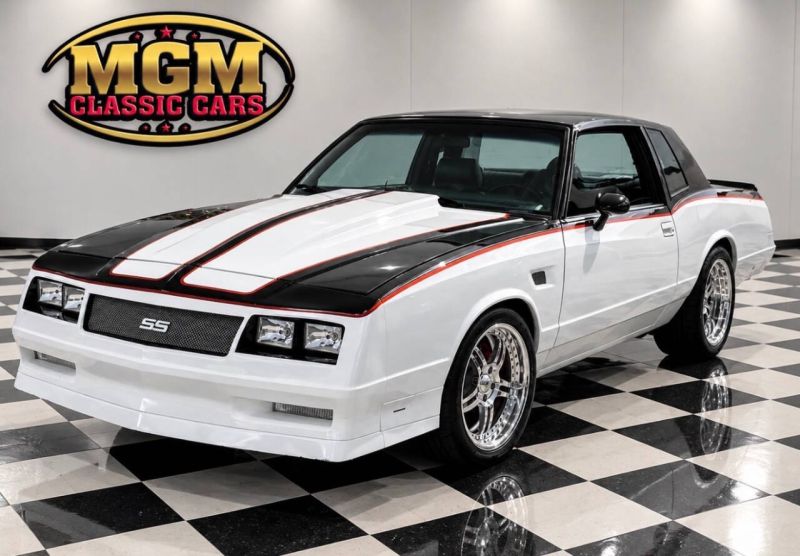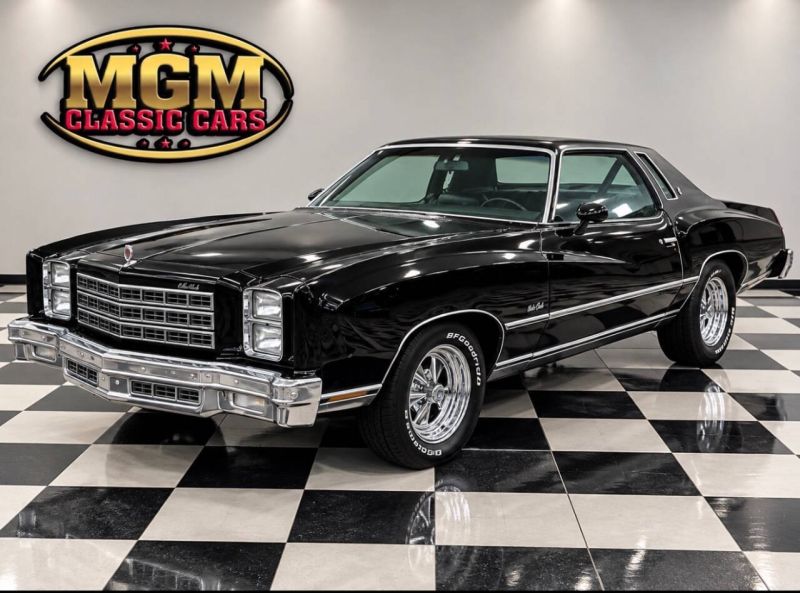
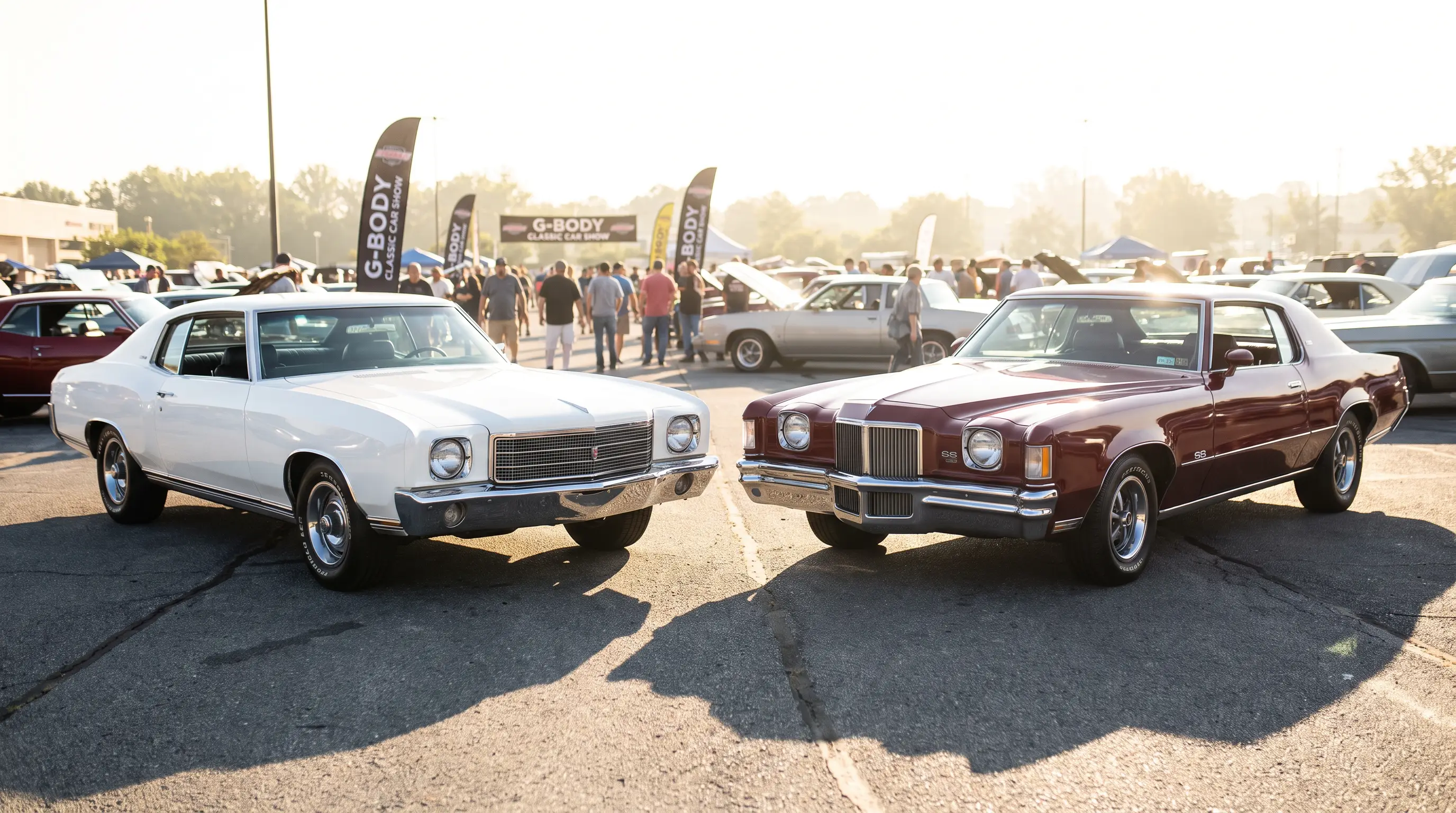
Two GM dealerships, two blocks apart, two personal luxury coupes promising the same thing: a little more attitude bolted onto a comfortable, chrome-trimmed body. Chevrolet had the SS badge on the Monte Carlo. Pontiac never actually badged a Grand Prix "SS," its answer was its own sport trim and, for the NASCAR aero war, the 2+2 fastback package, but the monte carlo ss vs grand prix ss comparison people keep arguing about is really a story about corporate siblings competing for the same customer, built on shared G-body bones but dressed and marketed by two different divisions determined to convince the same buyer that their version was the one with actual personality. Chevrolet and Pontiac were selling nearly identical mechanical packages under very different brand promises, and the duel between them still gets argued at car shows decades later.
Shared architecture, different personalities
Both cars rode on GM's G-body platform, both offered a V8 with a sport suspension option, and both used sport trim to signal a step up from the standard personal luxury version. Where they diverged was brand identity. Chevrolet positioned the Monte Carlo SS as an approachable, mainstream sport coupe, leaning on the nameplate's long-standing reputation as a comfortable, slightly sporty daily driver that regular buyers already trusted. Pontiac took a different approach with its Grand Prix, leaning harder into the "we build excitement" performance marketing the division was running across its whole lineup at the time, positioning its own sport-trimmed coupe, and ultimately its limited-production 2+2 fastback, as the more aggressively styled, more driver-focused option between the two.
"Walk a G-body show field and you'll see the same argument happening every single time, Chevy guys saying Monte Carlo, Pontiac guys saying Grand Prix, and nobody actually changing anyone's mind. That's not a debate anyone's supposed to win, it's just brand loyalty doing exactly what it was built to do back in the eighties."
- Patrick Walsh
Styling: aero versus muscle-classic
Pontiac's Grand Prix leaned into more aggressive body cladding and a nose treatment aimed at looking sleeker and more aerodynamic on the showroom floor, consistent with the division's broader styling direction through the decade. Chevrolet kept the Monte Carlo SS closer to a classic three-box coupe silhouette dressed up with blackout trim, a decklid spoiler, and the rally wheel and stance combination that became the car's signature look. Neither approach was objectively correct, they were simply different bets on what a personal luxury buyer wanted their sport coupe to communicate, one leaning toward futuristic aggression, the other toward a cleaner, more classic muscle car reference.
| Aspect | Monte Carlo SS | Grand Prix sport trim / 2+2 |
|---|---|---|
| Brand positioning | Approachable, trusted daily sport coupe | Division's more aggressive performance image |
| Styling direction | Classic three-box silhouette, blackout trim | More aerodynamic nose and body cladding |
| Platform | GM G-body | GM G-body |
| Motorsport tie | NASCAR Aerocoupe, Earnhardt era | 1986 Grand Prix 2+2 NASCAR aero homologation special |
Parts crossover and what it means for owners
Because both cars share so much underlying G-body structure, a Monte Carlo SS owner and a Grand Prix owner often end up shopping the same suppliers for suspension bushings, driveline components, and other mechanical wear items, even though the two communities rarely think of themselves as sharing a parts pool. That crossover has quietly helped keep both nameplates more affordable to maintain than a genuinely unique platform would be, since the combined demand from both fan bases supports a wider reproduction parts market than either car could sustain on its own. Where the crossover ends is in body panels, trim, and anything visually specific to a division's styling choices, which is exactly where each car's individual identity, and each car's individual parts scarcity, actually lives. An owner chasing a mechanical fix has more options than the badge on the grille would suggest. An owner chasing a correct trim piece is on their own within their own brand's community.
The NASCAR angle cuts both ways
Both nameplates carried genuine motorsport connections into the era, which only sharpened the rivalry. The Monte Carlo SS Aerocoupe's tie to Dale Earnhardt's championship-winning run gave Chevrolet a documented, celebrated racing story that still drives collector interest today. Pontiac answered with its own homologation special, the 1986 Grand Prix 2+2, a limited-production fastback built to meet NASCAR's aero rules the same way the Aerocoupe was, and buyers loyal to the Pontiac brand had their own reasons to believe the Grand Prix carried the sportier pedigree. Neither side's motorsport claim erases the other's, and that overlapping credibility is a big part of why this rivalry has never fully settled, even among people who were not alive to see either car racing.
Where the two cars actually differ under the skin
Sharing a platform did not mean sharing every specification, and buyers cross-shopping these two cars today should understand the real mechanical differences rather than assuming they are the same car in different sheet metal. Suspension tuning between the two divisions was calibrated differently even when using structurally similar components, chasing each brand's own idea of how a personal luxury sport coupe should ride and handle. Trim, gauge packages, and available option combinations diverged as well, with each division offering its own take on how much instrumentation and console equipment belonged in what was fundamentally a comfort-oriented car wearing a performance badge. None of these differences are large enough to make one car dramatically faster or more capable than the other in a straight comparison, but they are large enough that period buyers genuinely experienced two distinct cars, not two badges on one identical product, and that distinction is part of why both nameplates built loyal followings rather than one absorbing the other's fan base.
Which one actually wins the argument today
Ask a collector focused purely on documented value and they will usually point to the Monte Carlo SS Aerocoupe's stronger, more widely recognized motorsport story as the bigger draw in today's market. Ask a Pontiac loyalist and you will get a passionate defense of the Grand Prix's styling and brand history that no spreadsheet is going to settle. That is really the honest answer here. This was never a rivalry with an objective winner, it was two GM divisions successfully building loyal, distinct fan bases around what was fundamentally the same platform, and both fan bases are still showing up to the same shows arguing about it forty years later. That kind of stubborn, good-natured brand loyalty is honestly part of what keeps both corners of the G-body hobby healthy, since a rivalry with real history behind it gives people something to talk about beyond just admiring paint, and it keeps both communities showing up to the same events decade after decade rather than drifting apart. For the deeper background on how the Monte Carlo side of that argument built its reputation, more on the monte carlo ss lays out the badge's full history, and our complete history covers the nameplate across its entire run, not just the SS era. If this comparison has you leaning toward the Chevrolet side of the argument, you can go look at classic Monte Carlos on the market and decide for yourself.