Ask a room full of Monte Carlo SS owners which year is the best one and you will get an argument, not an answer. Ask an appraiser which years actually move the needle on a sale price and the answer gets a lot narrower. The monte carlo ss most collectible years question is not about which model year drove best or looked cleanest on a brochure. It is about scarcity, documentation, and which specific combination of options a real buyer will pay a premium to own. I look at condition, paperwork, and liquidity before I look at nostalgia, and that framework points to a handful of years and one very specific variant that consistently outperform the rest of the run.
The Aerocoupe sits above everything else
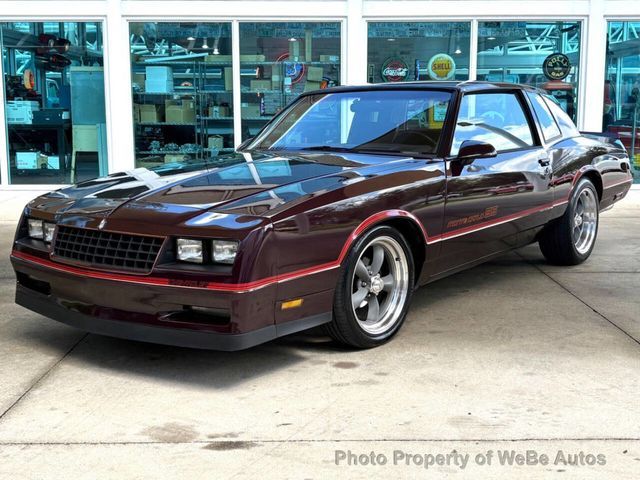
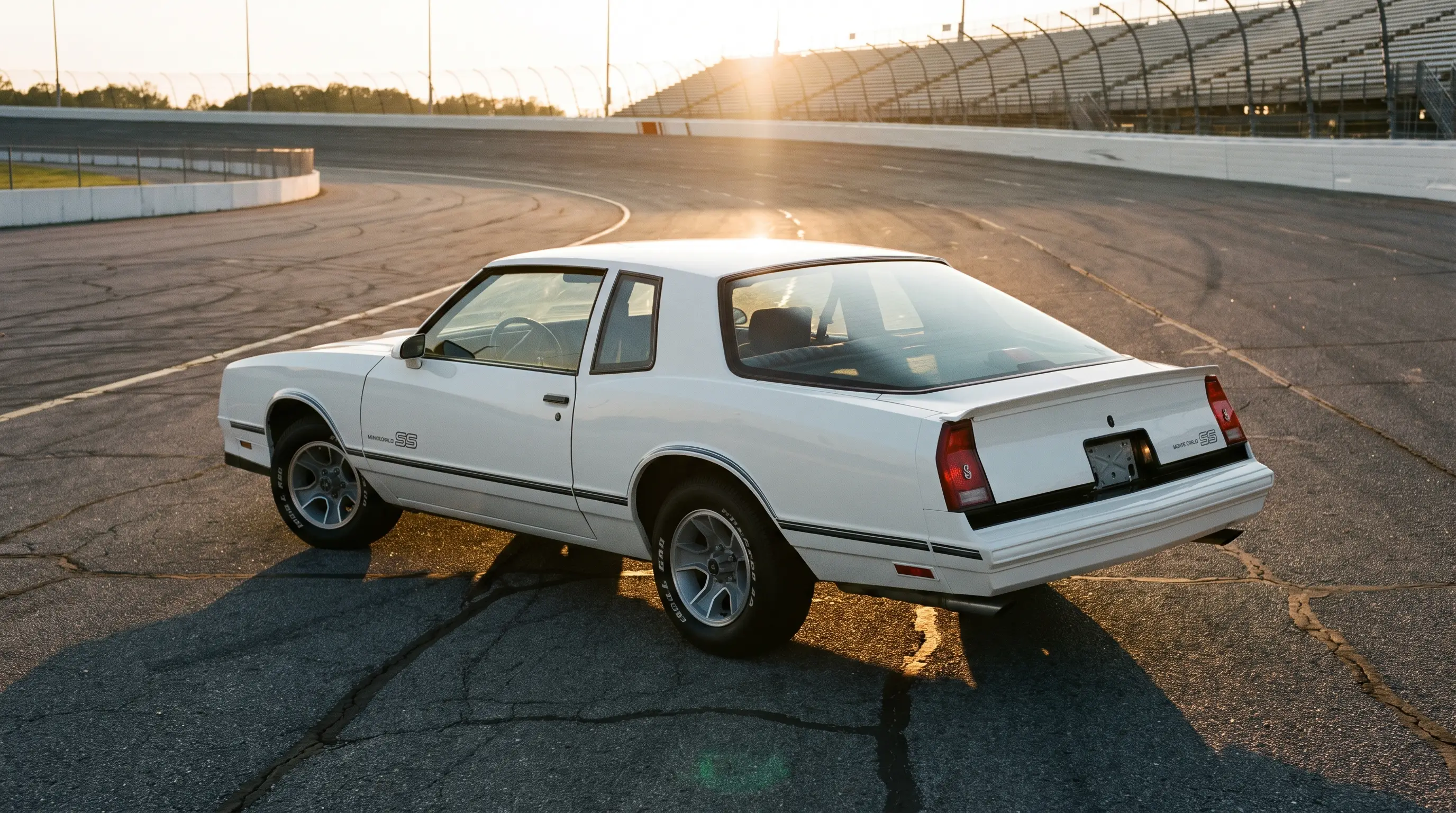
The 1986 and 1987 Aerocoupe, built with the sloped rear glass for NASCAR aerodynamic homologation, is the single most collectible variant of the entire Monte Carlo SS run and it is not close. The 1986 cars were a low-volume run built specifically to satisfy racing eligibility rules, and the 1987 Aerocoupe added modest volume but stayed well below regular SS production. Scarcity alone does not make a car valuable, plenty of rare cars go unwanted, but the Aerocoupe pairs its low numbers with a direct tie to Dale Earnhardt's championship-winning NASCAR program, and that connection to a documented, celebrated racing history is exactly the kind of story that turns a rare option into a genuinely desirable one. When an Aerocoupe with solid documentation and an unmolested body comes to market, it draws buyers who otherwise have no particular interest in the standard notchback SS.
"Rarity without a story is just a hard car to sell. Rarity with a story, in this case a NASCAR championship connection anyone can verify, is what actually moves a price. That's the whole difference between the Aerocoupe and every other SS built in this run."
- Marcus Feld
1983: the first-year premium, with a catch
First-year cars of any reintroduced nameplate tend to carry a premium, and the 1983 Monte Carlo SS is no exception. It was the car that brought the SS badge back to the Monte Carlo after a long absence, and that first-year status matters to buyers who care about being able to say they own the car that restarted the story. The catch is condition survival. Early SS production years took harder daily use over the decades than later, more collector-aware years, and clean, low-mileage 1983 cars are genuinely thin on the ground compared to how many were built. An honest, documented 1983 in strong original condition punches above its raw production numbers because so few have survived unmolested.
| Year or variant | Why collectors chase it | Value driver |
|---|---|---|
| 1986-1987 Aerocoupe | NASCAR homologation body, low production | Rarity plus racing history |
| 1983 | First year the SS badge returned | First-year status, thin survivor pool |
| 1988 | Final year of production | Last-of-the-line collector demand |
| 1984-1985 | Peak volume, strong parts support | Best entry point, easiest to restore |
1988: the last-of-the-line effect
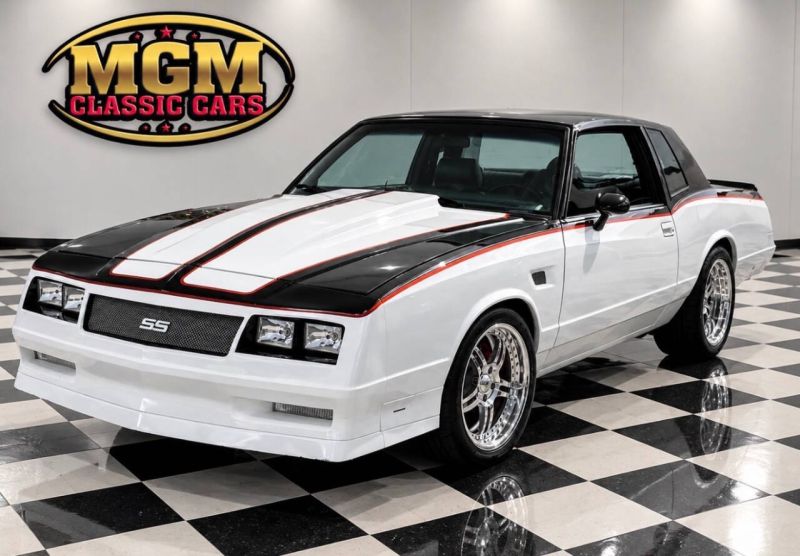
Final production years attract their own dedicated buyer group regardless of whether the last year was actually the best engineered one, and the 1988 Monte Carlo SS benefits from that pattern. It closed out the G-body SS run before Chevrolet moved the nameplate to a front-drive platform in the following decade, and collectors who want to bookend a set, or simply want the last classic-configuration SS built, will pay to secure a documented 1988 over a mechanically identical 1985 in similar condition. It is not always a rational premium in pure mechanical terms, but liquidity in this market rewards a clean story, and "last year built" is a clean story.
Documentation matters more than the calendar year
None of these year distinctions mean anything without paperwork to back them up. A claimed Aerocoupe without a verifiable build sheet or window sticker is worth appraising as a standard SS until proven otherwise, because the visual differences between an Aerocoupe body and a standard notchback are subtle enough that misrepresentation, intentional or not, does happen in this market. I ask for a build sheet, a Protect-O-Plate, a title history, and ideally a paper trail that connects the car to its claimed production run before I put a number on any car trading on rarity alone. The same discipline applies to a claimed first-year 1983 or a claimed final-year 1988. Year alone is a data point on a title, not proof of anything a buyer is actually paying a premium for, and separating a genuinely documented rare car from a car simply described as rare is most of an appraiser's actual job on this nameplate.
Condition grading interacts with all of this in ways that surprise newer buyers. A rough, incomplete Aerocoupe with panels replaced from a standard SS donor car is not automatically worth more than a pristine, fully documented standard notchback from a strong production year. Rarity sets a ceiling on what a car can be worth, it does not guarantee that ceiling gets reached, and a botched or incomplete example of a rare variant regularly sells for less than a beautifully kept common one. Buyers who chase rarity without weighing condition and completeness equally often end up disappointed when resale time comes and the market values honesty over headline scarcity.
Where the real value actually sits for most buyers
Here is the part that gets lost in the chase for the rarest variant. For most buyers, the 1984 and 1985 model years represent the best combination of parts availability, mechanical familiarity, and price entry point into SS ownership. They lack the Aerocoupe's rarity premium and the bookend appeal of first or last year status, and that is precisely why they are the smartest place to start if the goal is driving and enjoying the car rather than treating it as a speculative asset. I tell clients constantly that the most collectible year and the smartest year to buy are not always the same car, and anyone deciding between them should read the full story of how the SS badge and its variants took shape before committing capital to a specific model year. If you are ready to compare what is actually out there against this framework, you can look at classic Monte Carlo for sale and weigh documentation and condition against the year premium you are being asked to pay.