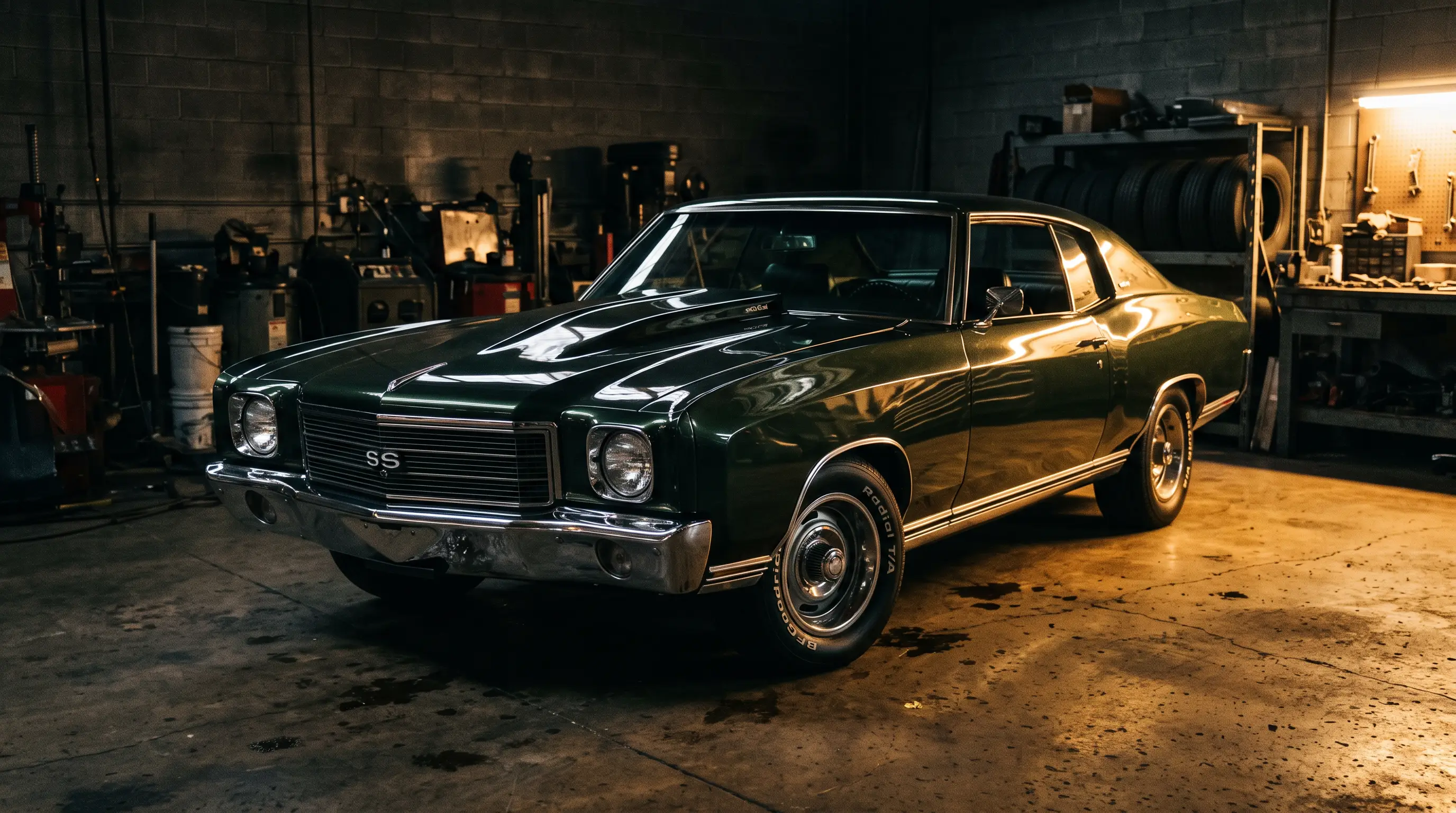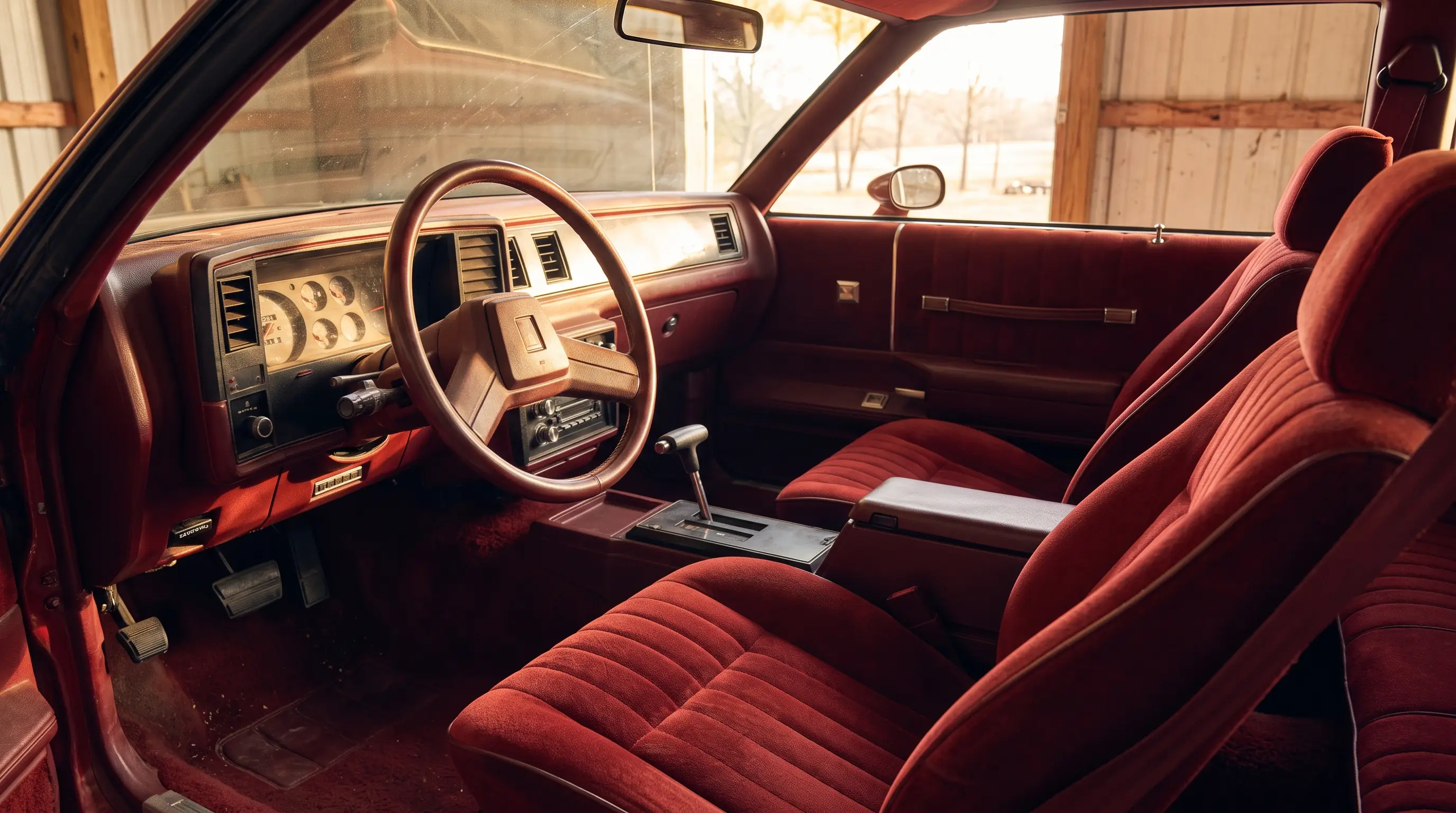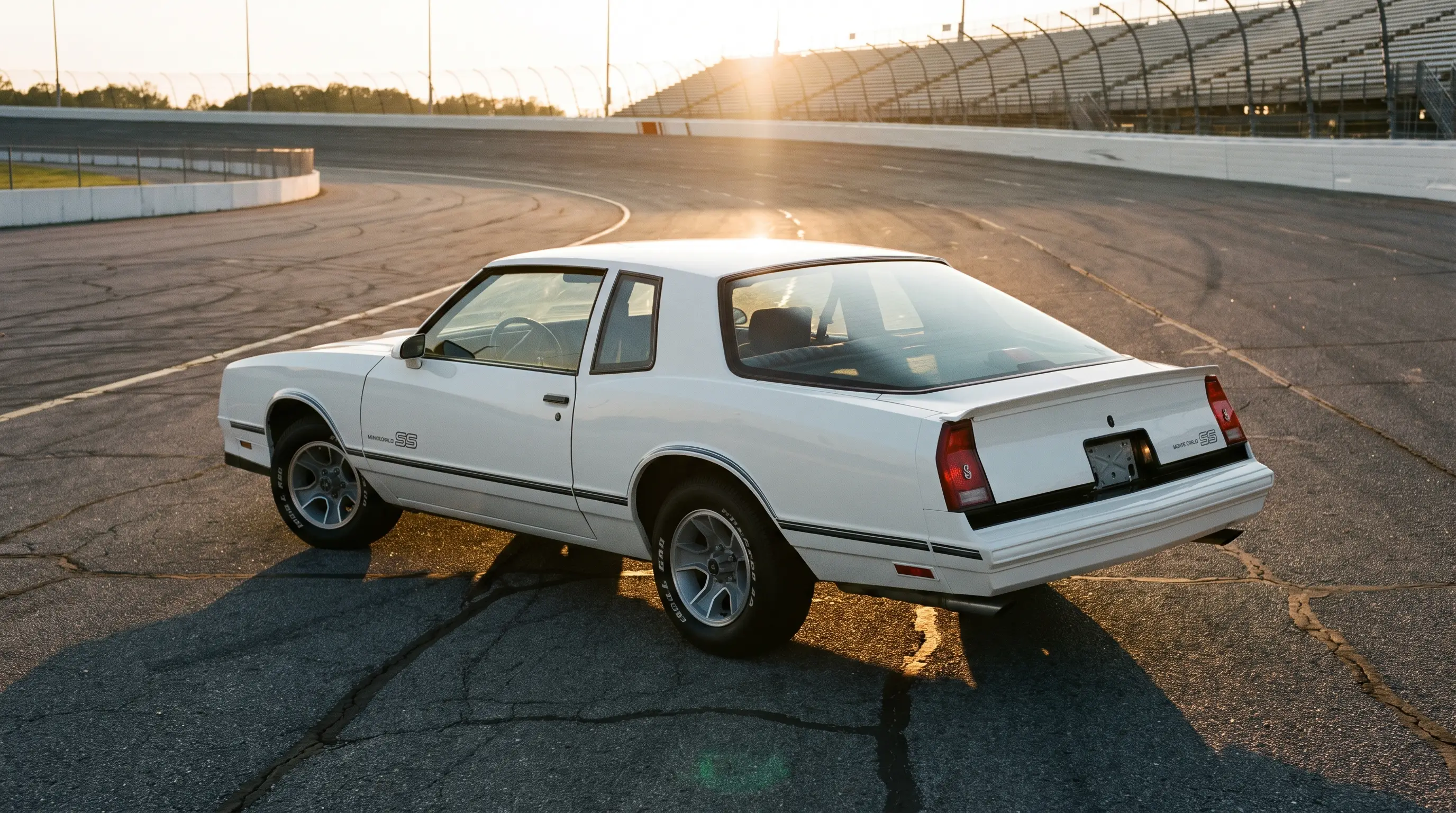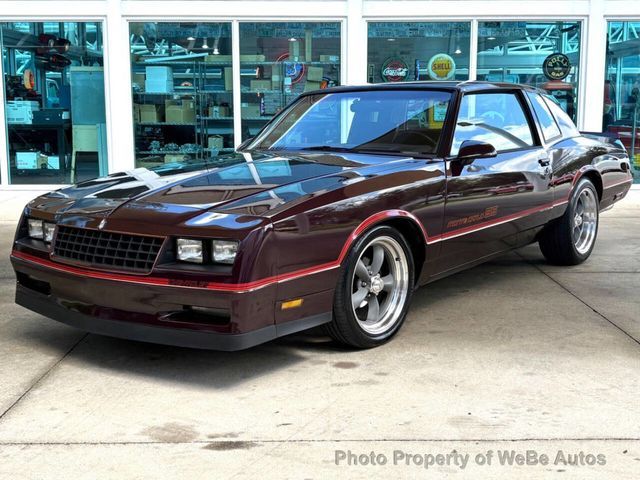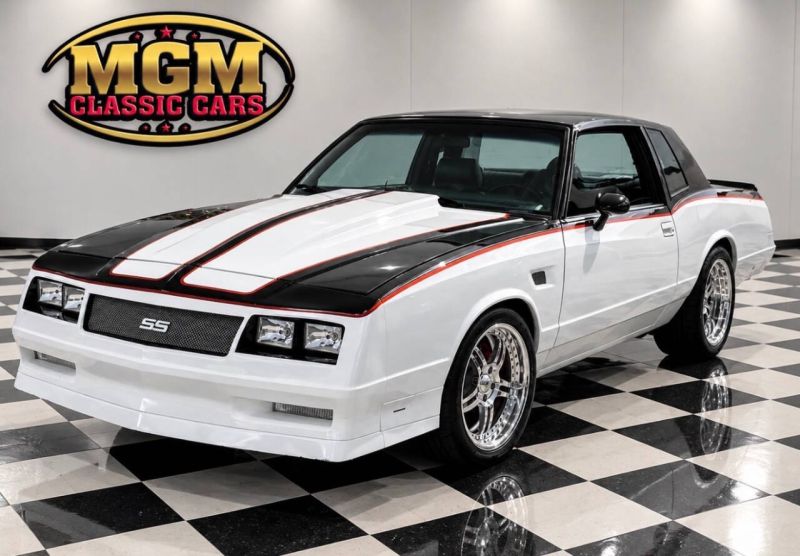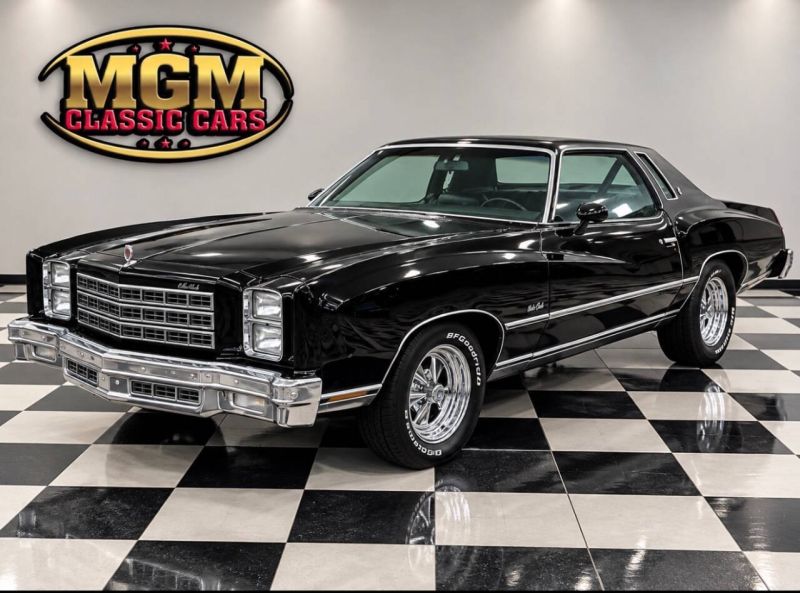
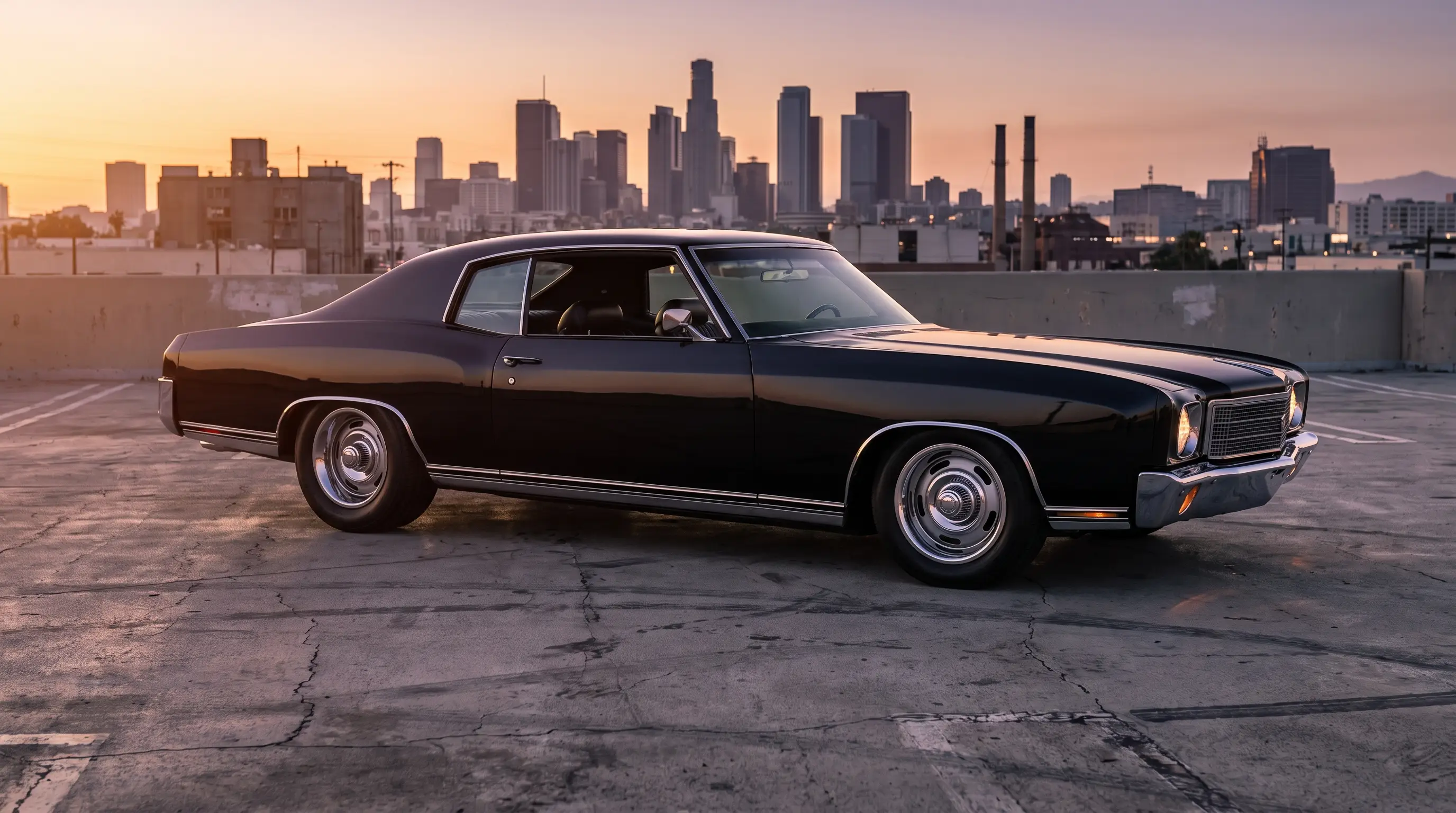
There is a photograph that circulates every summer in Monte Carlo owner groups: a white 1987 SS parked at a diner at dusk, the sun catching the rally wheels just right, the tires filling the wheel wells like they were poured in. Nobody argues about the paint or the badge in that photo. Everybody argues about the wheels. The monte carlo ss rally wheels look is the detail that turned a competent personal luxury coupe into something a sixteen year old would tape to a locker door, and it happened almost by accident, built from parts GM already had sitting in the corporate bin rather than anything designed from scratch for this car.
Borrowed hardware, perfect timing
The rally wheel that became synonymous with the Monte Carlo SS was not invented for it. GM had been running variations of the rally wheel design across its intermediate lineup for years, a steel wheel with a trim ring and center cap dressing up what was structurally a work wheel. What made it land so well on the SS was proportion. The G-body's fenders were already tucked tight and low compared to the boxier downsized cars that came before it, the F41 sport suspension option dropped ride height just enough to matter, and a silver or argent rally wheel against black steel and a bright trim ring gave the car a stance that photographed better than almost anything else on a domestic showroom floor in 1983.
Why the stance reads as aggressive without a single flare
Nobody widened the Monte Carlo SS. There is no fender flare, no aftermarket bodywork baked into the factory package, and that restraint is exactly why the look still holds up. The SS achieved its stance through wheel and tire fitment and a suspension tune, not sheet metal surgery. Chevrolet paired the rally wheels with a taller sidewall than a modern eye expects, and that combination, steel wheel, chrome trim ring, blackwall tire with just enough sidewall to flex visibly over a bump, reads as period-correct muscle rather than costume. Patrick Walsh has covered enough SS reunions to know the wheel debate never really ends among owners.
"Ask ten SS owners what wheel belongs on the car and you'll get ten answers, but put an original rally wheel next to any aftermarket alloy from the same era and the room goes quiet. There's a reason nobody's replaced that look in forty years, they just keep arguing about which finish is correct."
- Patrick Walsh
The aftermarket wheel debate that never dies
Walk any Monte Carlo SS show field today and you will see three camps. The purists run factory rally wheels, correct trim rings, correct center caps, no exceptions. A second camp swaps to period-appropriate alloy wheels that were dealer-available accessories in the mid-1980s, arguing those are still period-correct even if they were not what most cars left the factory wearing. A third camp, usually the youngest owners, runs modern wheels sized closer to what a contemporary muscle car wears, chasing a look rather than originality. None of these camps is wrong exactly, but the resale math tells its own story. Cars wearing original or correctly reproduced rally wheels consistently draw stronger offers at shows and in private sales than the same car on a set of unrelated aftermarket alloys, because the rally wheel is doing more work toward the car's identity than most buyers initially realize.
| Wheel setup | Era it represents | Buyer perception today |
|---|---|---|
| Factory rally wheel, trim ring, center cap | As-delivered 1983-1988 | Strongest, most collectible presentation |
| Period dealer-accessory alloy | Contemporary aftermarket option | Accepted, seen as a legitimate period choice |
| Modern reproduction or oversized alloy | Later personalization | Divides buyers, often reduces originality value |
Finding a car that still wears the look correctly
If the wheels are what pull a buyer toward this car, and for a lot of people they genuinely are, then a wheel-correct example is worth chasing over a modified one, even at a modest price premium. Look for matched trim rings without gaps or cracks, a center cap that reads Monte Carlo SS rather than a generic bowtie, and tire sidewall proportion that matches the factory photos rather than a low-profile modern tire crammed onto the original steel wheel. Getting that reference right matters enough that it is worth reading the monte carlo ss story before you go shopping, since the badge history and the wheel story grew up together, and the full story of the model puts the SS era in context against everything that came before it. When you are ready to see what is actually available, you can browse classic Monte Carlos on the market and judge the stance for yourself.
Sources and notes
- Hagerty: 1983-88 Chevy Monte Carlo SS buyer's guide
- Chevrolet Monte Carlo - Wikipedia
- MonteCarloSS.com: Production Figures FAQ
- Curbside Classic: 1987 Monte Carlo SS Aerocoupe
- GBodyNation: Monte Carlo archives
Tire fitment is where most restorations go wrong
Get the wheel right and get the tire wrong and the whole look falls apart, which is the mistake I see most often on cars otherwise built with real care. Modern tire manufacturing has drifted toward lower profile sidewalls even in sizes that nominally match the original fitment, and a low-profile modern tire on a correct-diameter rally wheel changes the entire visual proportion the factory engineers were working with. The stance photographs everyone chase from period brochures and magazine spreads depended on a taller sidewall that could flex visibly, giving the car a planted, slightly soft look that reads as confident rather than harsh. Builders chasing period accuracy need to specifically seek out tire sizes and sidewall profiles that match factory specification rather than defaulting to whatever a modern tire shop stocks for that wheel diameter, because the wrong sidewall height undoes the wheel choice before anyone even gets close enough to notice the trim ring.
Trim rings and center caps deserve their own mention because they are the parts that go missing first and get replaced worst. A rally wheel without its correct trim ring looks like a work truck wheel, not a sport coupe wheel, and the ring is exactly the kind of small chrome part that gets lost during a tire change, corrodes and gets thrown away, or gets swapped for a generic reproduction that does not sit flush the way an original does. Buyers evaluating a car on the strength of its wheels should look closely at how the trim ring meets the wheel face, because a gap or a rattle there is the first sign that what looks right in a listing photo may not hold up to a walk-around inspection in person.
The look that outlasted the badge
Chevrolet stopped building the Monte Carlo SS after 1988, and the rally wheel disappeared from new car lots not long after. What did not disappear was the visual formula. Low stance, steel wheel with a bright trim ring, blackout trim, a two-tone or monochrome paint scheme, that combination still gets referenced by builders working on entirely different cars decades later because it simply works. Few personal luxury coupes from this era earned a genuine cult following built partly around a wheel choice. This one did, and it still does.