
The Mopar 340 rewrote the math. Everybody in the muscle era chased cubic inches, and then Chrysler built a 340 cubic-inch small-block that ran with cars carrying a hundred more. The factory rated it at 275 horsepower gross. That number was low and the drag strip proved it. Pound for pound, the 340 was the best engine Chrysler built in the period, and it did it by making power the smart way instead of the big way.
Car Features
5 min read
Mopar 340 Small-Block: The Giant-Killer
Rated at 275 hp but widely underrated, the Mopar 340 small-block beat bigger engines with light weight and heads that breathe. Here is why.
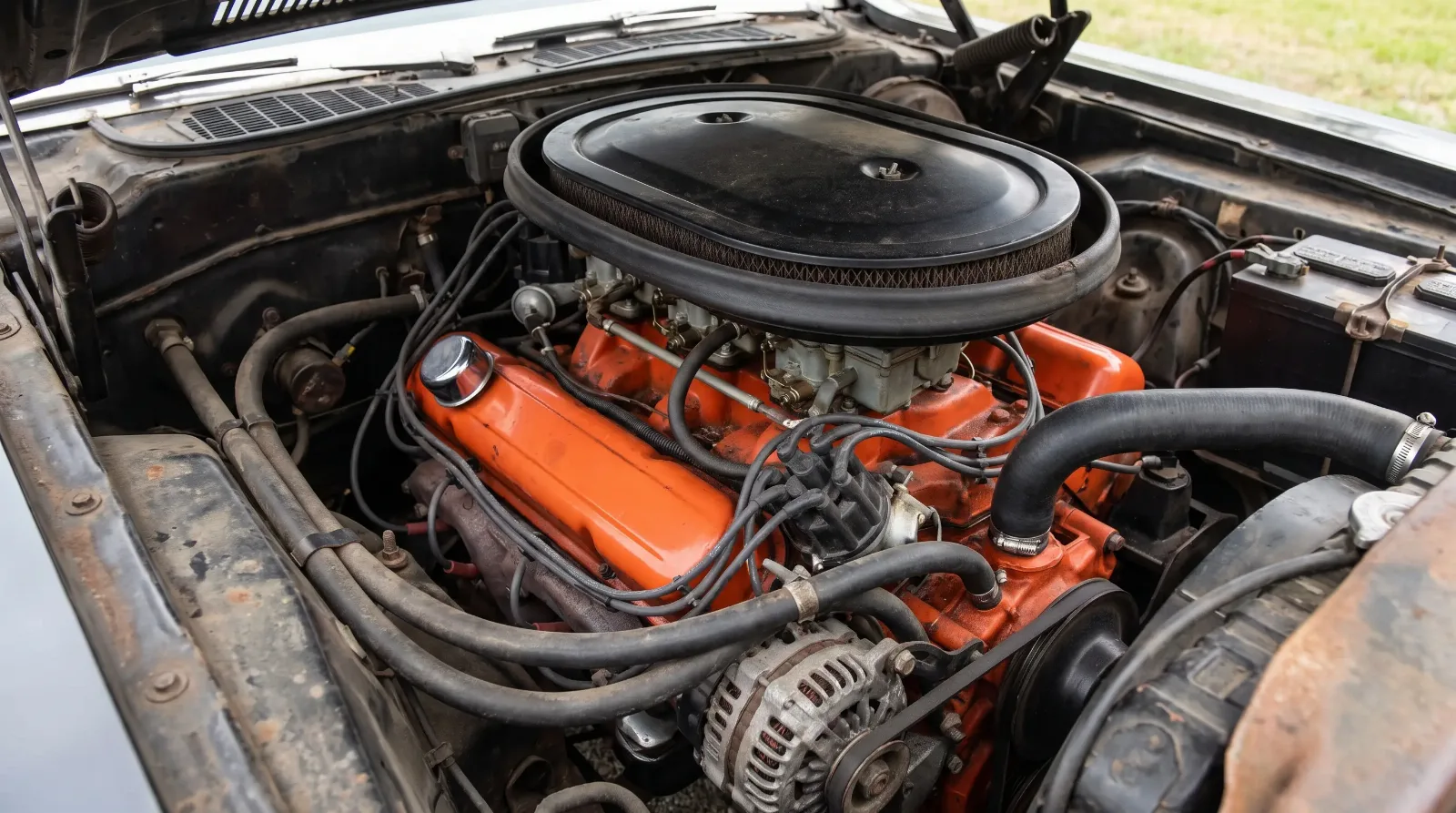
I build engines for a living, so I care about what actually makes power versus what just makes noise. The 340 makes power. It breathes, it revs, and it lives in a light car. That combination beats displacement more often than the cubic-inch crowd wants to admit. If you want the wider context, our our muscle car engines guide lays out where the small-blocks fit against the big iron. The 340 is the one that punched above its weight class.
What the 340 was under the hood
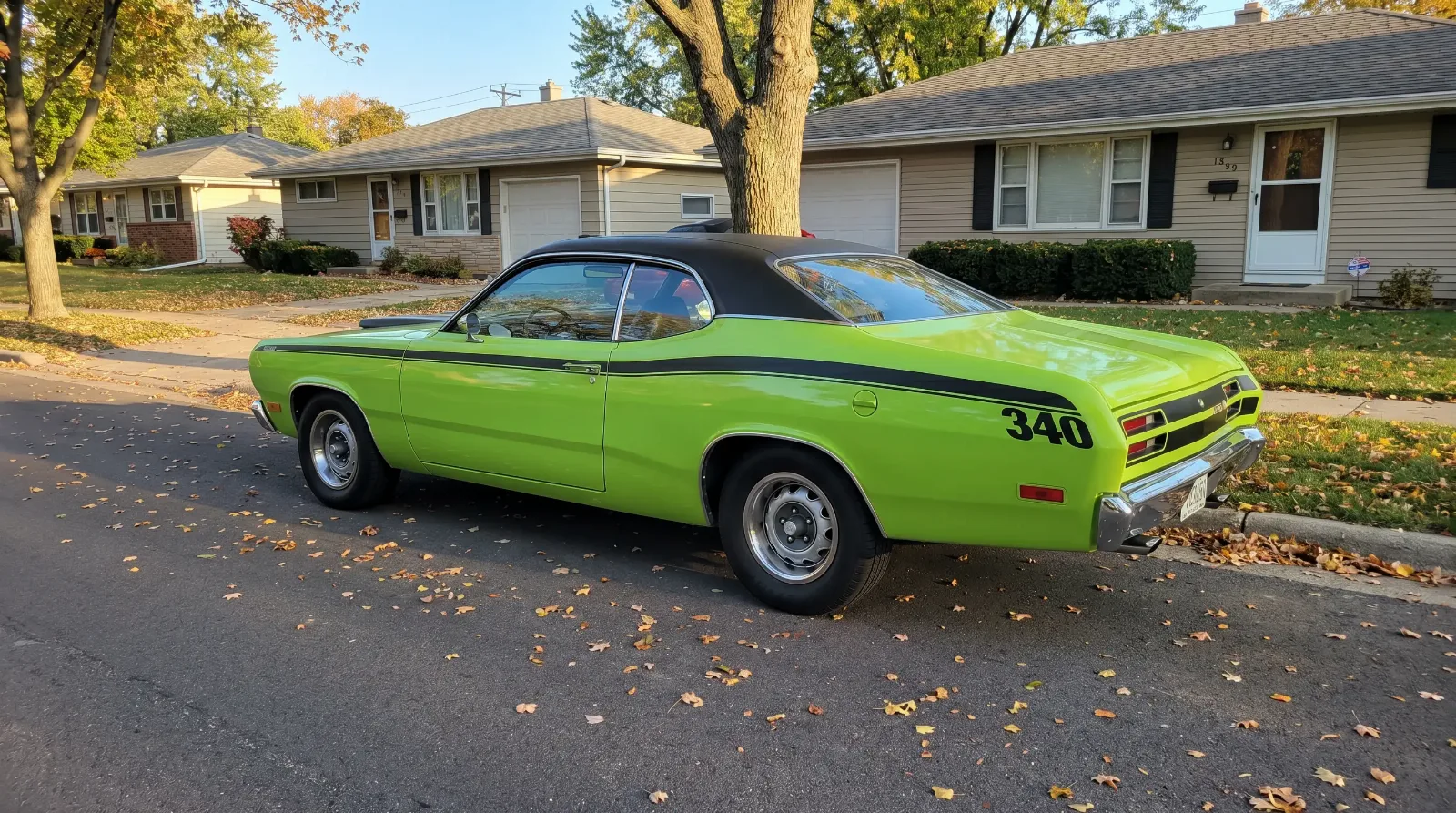
The 340 arrived for 1968 as part of Chrysler's LA engine family, the same thin-wall small-block that also gave us the 273, 318, and later the 360. Displacement was 340 cubic inches, roughly 5.6 liters. Bore and stroke came out near 4.04 by 3.31 inches. That is a big bore and a short stroke, and that geometry is the whole point. Short stroke means the engine likes to rev, and revs are where a small-block makes its money.
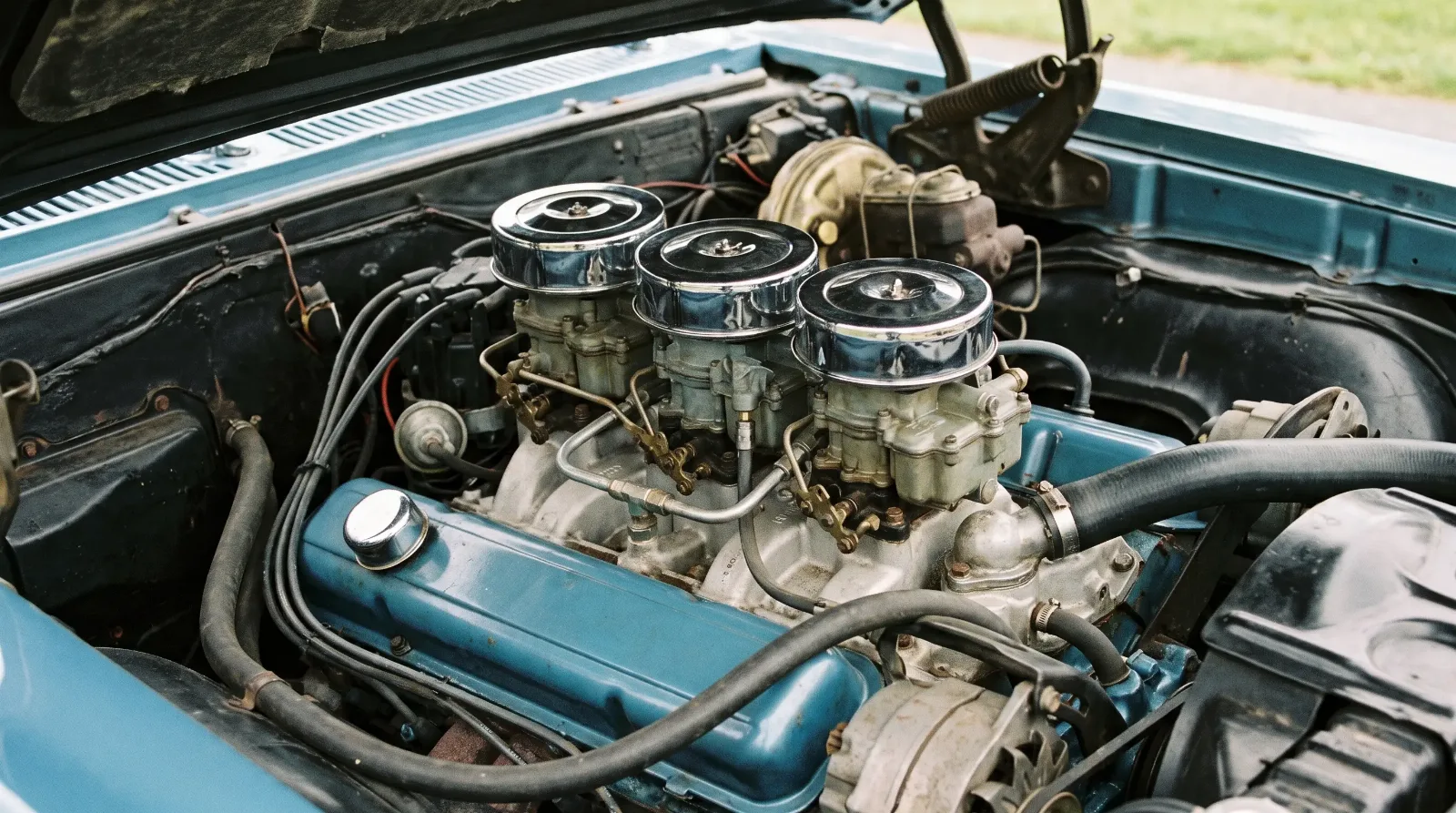
Chrysler did not phone this one in. The 340 got its own high-flow cylinder heads with larger valves, a windage tray, a forged crank in the early cars, and a compression ratio around 10.5 to 1. Those heads are the reason the engine breathes. You can throw parts at a restrictive head all day and get nothing. The 340 came from the factory already able to move air, which is why it responded so well to tuning.
The horsepower rating was a lie
Chrysler advertised 275 horsepower gross at 5,000 rpm and about 340 lb-ft of torque. Take the horsepower number with salt. Independent estimates and dyno work over the years have put the real output higher, and the strip results back that up. A 340 car should not have run the times it ran on 275 honest horsepower. The low rating helped buyers with insurance, same game everybody was playing.
Here is why the underrating mattered on the street. The 340 dropped into light bodies. A Dodge Dart or a Plymouth Duster with a 340 weighed a lot less than a big-block intermediate, so the power-to-weight math worked in the small-block's favor before you even left the line. Less weight, an engine that revs, and heads that breathe. That is a recipe, not an accident.
Where it lived and what it beat
The 340 showed up in the cars that made the most of it. The Dodge Dart GTS and later the Demon, the Plymouth Duster 340, the Barracuda, the Dodge Challenger. The Duster 340 is the clearest example of the giant-killer idea. Cheap compact body, that willing 340, and a price that undercut nearly everything it could beat. Buyers who knew what they were doing bought Dusters and embarrassed people who spent more.
On the strip, a well-sorted 340 car ran quarter-mile times in the low-to-mid 14s in stock trim, and the Six Pack cars were quicker. That put it right on the heels of much bigger engines while using less fuel and putting less weight over the front wheels. The 340 also handled better because of that lighter nose, so it was the rare muscle engine that did not ruin the car it sat in. Induction was a big part of the story too, and if carburetion is your thing you can read the full story on how the multi-carb setups worked.
The Trans-Am connection is worth understanding because it tells you how seriously Chrysler took this engine. The Challenger T/A and AAR 'Cuda were built so Dodge and Plymouth could go racing in the SCCA Trans-Am series, where the rules capped displacement at 305 cubic inches for the race cars. The street cars carried the 340 Six Pack, and the race versions used a destroked 340 built for high rpm. You do not build a special race version of an engine you do not believe in. Chrysler believed in the 340, and the results on track backed the decision.
"Displacement is a shortcut. The 340 took the long way and beat the shortcut. Light car, heads that flow, an engine that likes rpm. That combination made real power, and the dyno does not care what the badge says."
Dan Reeves
Mopar 340 by the numbers
| Spec | 1968-1970 Mopar 340 (approx.) |
|---|---|
| Displacement | 340 cu in (5.6L) |
| Bore x stroke | ~4.04 x 3.31 in |
| Compression | ~10.5:1 |
| Horsepower (gross) | ~275 hp at ~5,000 rpm (widely believed underrated) |
| Torque (gross) | ~340 lb-ft |
| Six Pack version | ~290 hp, triple two-barrels, 1970 T/A and AAR |
Buying a 340 car today
The 340 held its value for good reason. These are the small-block Mopars people actually want to drive, because they are quick, light, and reliable in a way the big-blocks are not. A numbers-matching Duster 340 or Dart is still more attainable than a Hemi car, and it will not punish you at the pump or in the corners. If you want to see what is trading right now, you can view muscle cars for sale and watch where the small-block money is landing.
Watch two things on any 340. First, verify the block and heads are the correct high-compression pieces and not a later 360 wearing 340 valve covers. Second, the 1971 cars dropped compression to run on low-lead fuel, so power fell off after 1970. A pre-1971 car with the right numbers is the one to chase. The 340 proved a simple point that still holds. Build the whole package right, and cubic inches stop mattering as much as everybody thinks.
Related Reading
Have a
Classic Car
for Sale?
Reach thousands of serious classic car collectors across the US.
Sell It Here →
Are You a Classic Car Dealer?
List your full inventory and connect with targeted classic car buyers.
Join as a Dealer →

About the author
Dan Reeves
Performance engine builder from North Carolina's motorsports corridor, focused on swaps, forced induction and making real, repeatable power.


Comments
Be the first to comment on this article.