
Buick spent the muscle era acting like it did not want to be there. The division built its cars for people who wore a suit to the office, and the marketing leaned on comfort and quiet. Then you popped the hood on a 1970 GSX Stage 1 and found the largest torque figure of any American production car of the year. That contradiction is the whole story of the Stage 1 455. It was the most polite brutal engine Detroit ever built.
Car Features
6 min read
Buick Stage 1 455: The Torque Monster
Rated at just 360 hp but making near 510 lb-ft, the Buick Stage 1 455 ran with the Hemi and LS6. Inside the quietest brute of the muscle era.
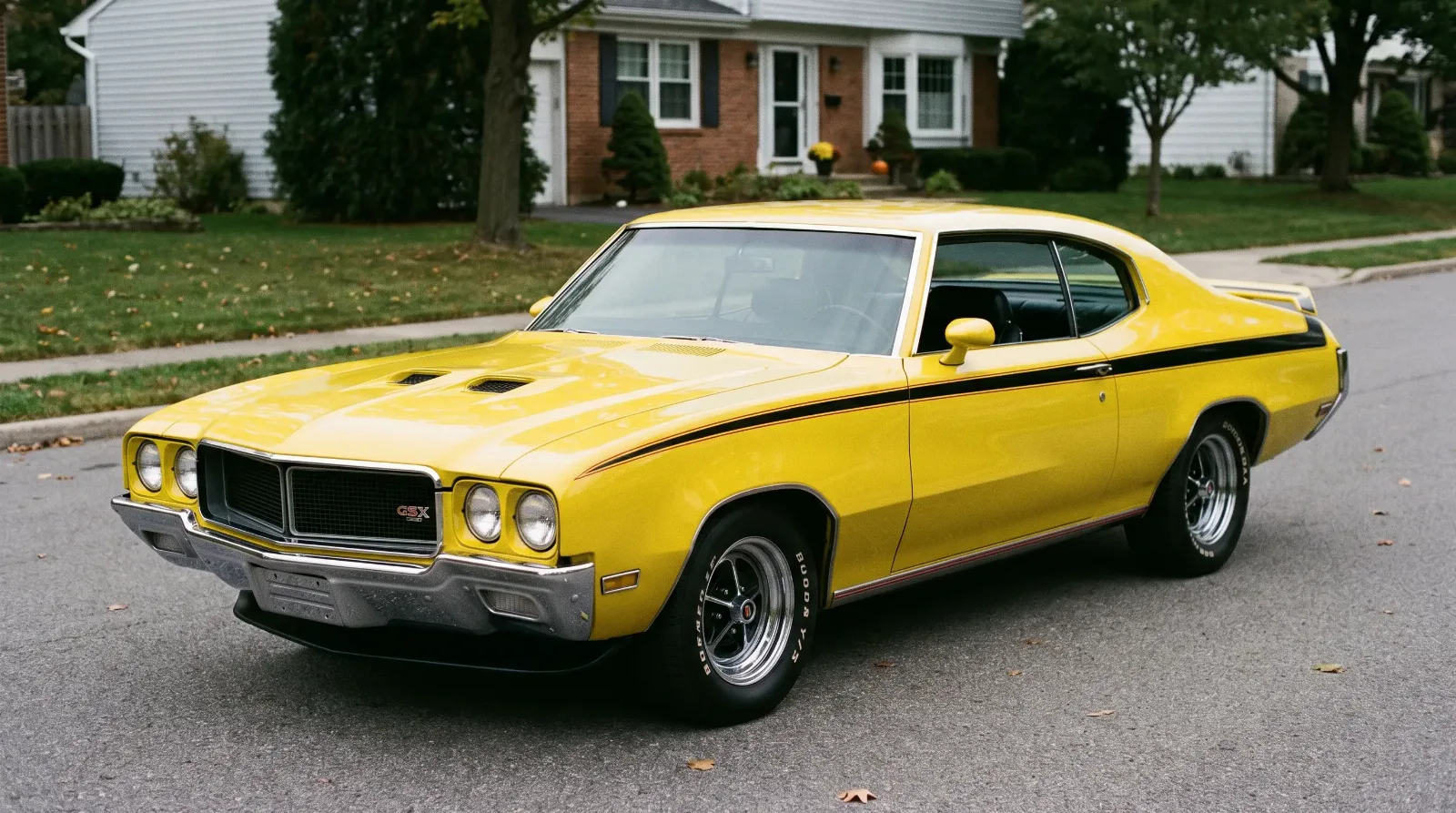
I like these cars precisely because they hide what they are. A Chevelle looks fast standing still. A Buick GS looks like something a dentist would drive to church. Underneath, the Stage 1 was moving more mass off the line than almost anything wearing a wilder badge. If you are new to how these big-blocks stacked up against each other, our rundown of classic muscle car engines puts the Buick in context. The short answer is that torque wins stoplight fights, and nobody made more of it in 1970.
The 455 that Buick built its own way
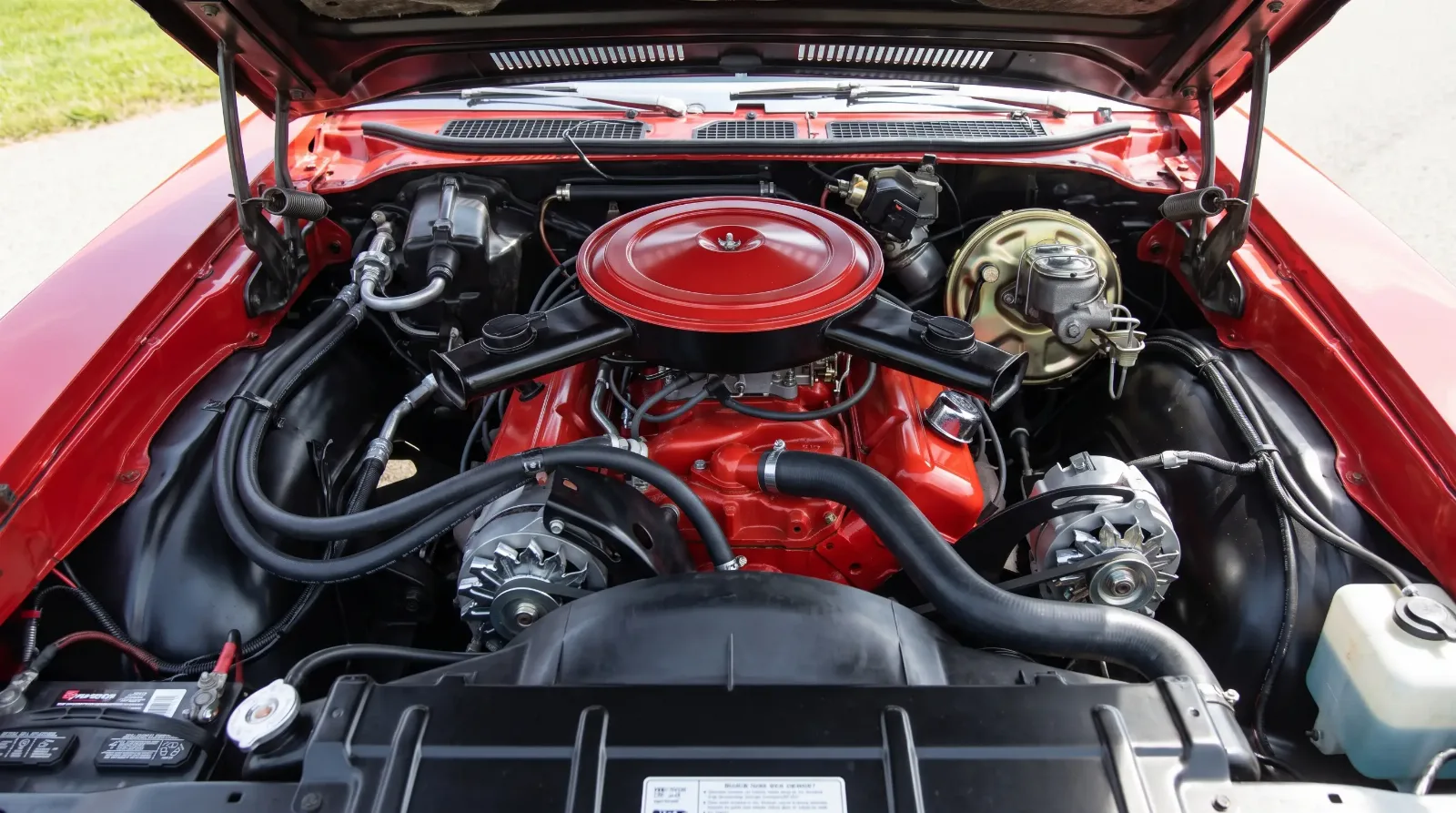
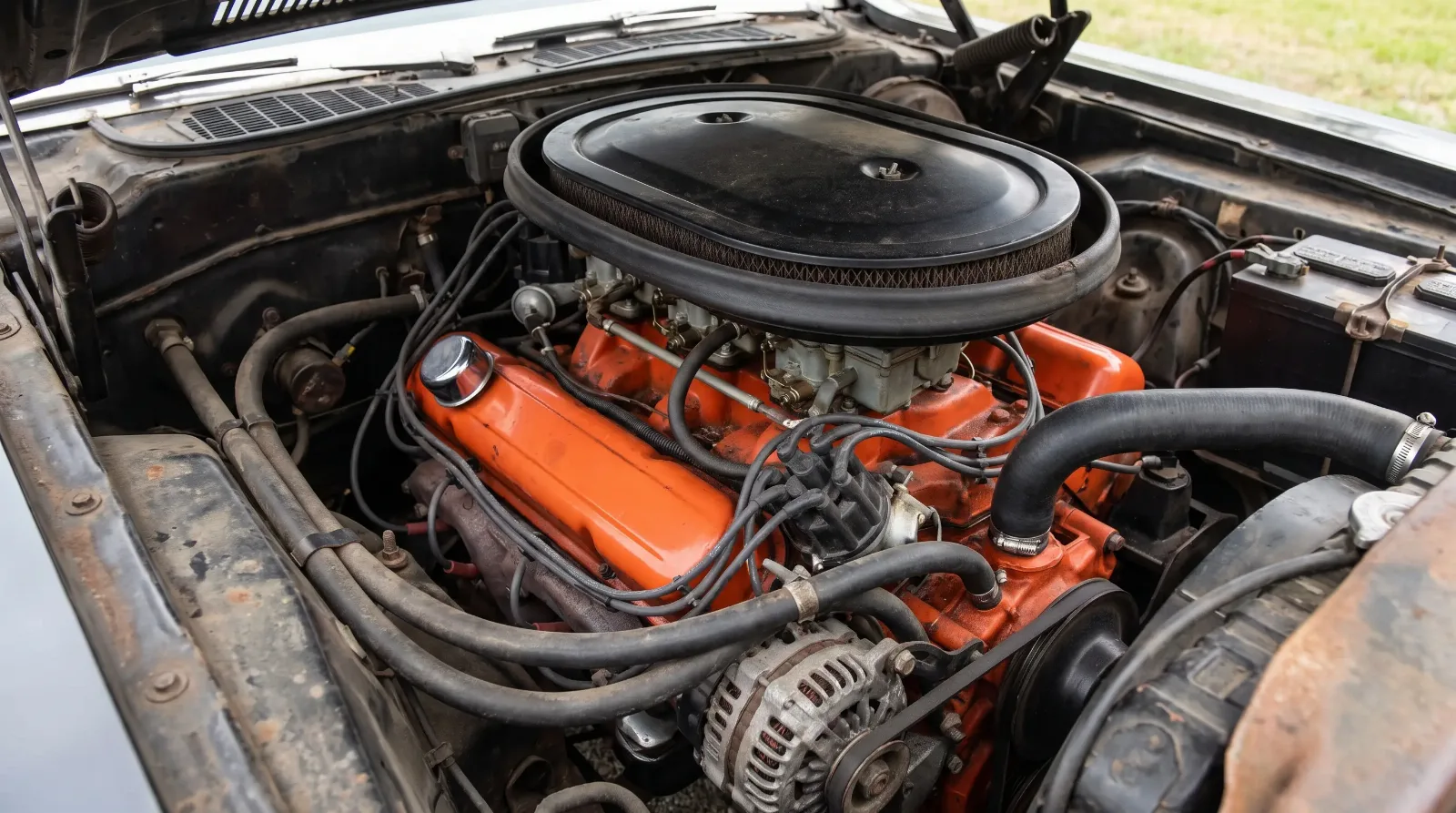
Here is a thing people get wrong. The Buick 455 is not the Oldsmobile 455 or the Pontiac 455. GM let each division keep its own engine family, so the Buick big-block shares almost nothing with the others beyond the displacement number. Buick's version came out of the earlier 400 and 430 Nailhead-successor family, a tall-deck design with its own heads, its own oiling, and its own character.
Bore and stroke landed around 4.31 by 3.90 inches, which is a big bore and a relatively short stroke for a 455. That layout, plus good breathing heads, is a lot of why the engine made torque the way it did without feeling strangled. Buick also built these to run quiet and last, so the bottom end is stout. You do not hear many stories about Stage 1 blocks letting go.
What Stage 1 added
Stage 1 was the factory hot-rod package, and it was more than a sticker. Buick fitted a more aggressive camshaft, larger valves, a recalibrated Quadrajet, a higher-flow exhaust, and a numerically deeper rear axle to put the torque to use. Compression sat around 10.5 to 1 on the 1970 cars, which is why they want good fuel. The package was available on the GS 455 and the range-topping GSX.
The factory rated the 1970 Stage 1 at around 360 horsepower gross. That number was a fiction and Buick knew it. Insurance companies were watching horsepower figures like hawks, so the smart play was to keep the advertised power modest and let the torque do the talking on the street. The torque figure was somewhere near 510 lb-ft, and unlike the horsepower rating, that one was probably honest or even a little shy. Treat both as approximate. Ratings moved across the year and net figures arrived in 1972.
How the torque monster earned the name
A 1970 GSX Stage 1 with the automatic and the deep gear ran the quarter in the high 13s in period testing, and a well-driven one dipped into the low 13s. That is elite company for the year. What the numbers do not capture is the way it got there. The Buick did not need to rev to make it happen. It just leaned on the rear tires and left, pulling hard from just off idle in a way that made experienced drivers laugh out loud the first time.
That low-end shove is the practical difference between a torque engine and a horsepower engine. A peaky small-block makes you work the gears and keep the revs up. The Stage 1 did the work for you. On a real street, with real traffic and real driving, that made it faster than its reputation and a lot easier to live with. Buick's whole engineering culture shows up in that trait.
It helps to know the difference between the two Stage 1 cars, because it changes what you pay. The GS 455 was the base performance car and could be ordered with the Stage 1 package. The GSX was the loud top model, with the spoilers, the stripes, the hood tach, and the aggressive colors, and it could also carry Stage 1. Mechanically the engine is the same in both. The GSX just wraps it in the flashiest package Buick offered, and that package now commands a big premium over an identical GS underneath.
"I put a guy in a Stage 1 once who had driven Chevelles his whole life. He came back white. Said it did not feel fast, it felt like the road grabbed the car and threw it. That is torque. You do not hear it, you feel it in your chest."
Mike Sullivan
Buick Stage 1 455 at a glance
| Spec | 1970 Buick Stage 1 455 (approx.) |
|---|---|
| Displacement | 455 cu in (7.5L) |
| Bore x stroke | ~4.31 x 3.90 in |
| Compression | ~10.5:1 |
| Horsepower (gross) | ~360 hp at ~4,600 rpm |
| Torque (gross) | ~510 lb-ft at ~2,800 rpm |
| Induction | Rochester Quadrajet, functional hood scoops |
Buying one now
The GSX Stage 1 is serious money today, especially in the loud Saturn Yellow or Apollo White with the spoiler and stripes. The plain GS 455 Stage 1 cars are more attainable and drive exactly the same, so if you want the engine more than the trim, that is where the value hides. As with any of these, documentation is everything. Stage 1 was an option package, and clones exist. Get the build documents and the block verified before you commit.
Buick's approach was not the only way to build a great engine, and the era proved there was more than one right answer. Mopar took the opposite path with a light, revvy small-block that beat big-blocks by being nimble instead of massive, and you can read the full story on that one. For the wider picture of how all these cars fit together, our muscle car coverage lays out the whole American muscle arc. The Stage 1 remains the best argument that the quietest car in the lot was often the one you did not want to race.
Related Reading
Have a
Classic Car
for Sale?
Reach thousands of serious classic car collectors across the US.
Sell It Here →
Are You a Classic Car Dealer?
List your full inventory and connect with targeted classic car buyers.
Join as a Dealer →

About the author
Mike Sullivan
Detroit-area muscle car enthusiast and restoration specialist with three decades of hands-on experience working on American iron.

Comments
Be the first to comment on this article.