
Ask why the muscle car got slow, and most people point at the gas crisis or the insurance companies. Those mattered. But the engineering answer, the one that shows up in the compression numbers, came first, and it came fast. In 1971 General Motors dropped compression across its entire engine lineup, and the rest of the industry followed inside a couple of years. That single decision took the edge off cars that had been getting meaner every season.
Car Features
6 min read
Why Compression Ratios Dropped After 1971
How GM's 1971 compression cut for unleaded fuel, plus the 1972 switch to net horsepower, took the edge off the muscle car and what it means for buyers.
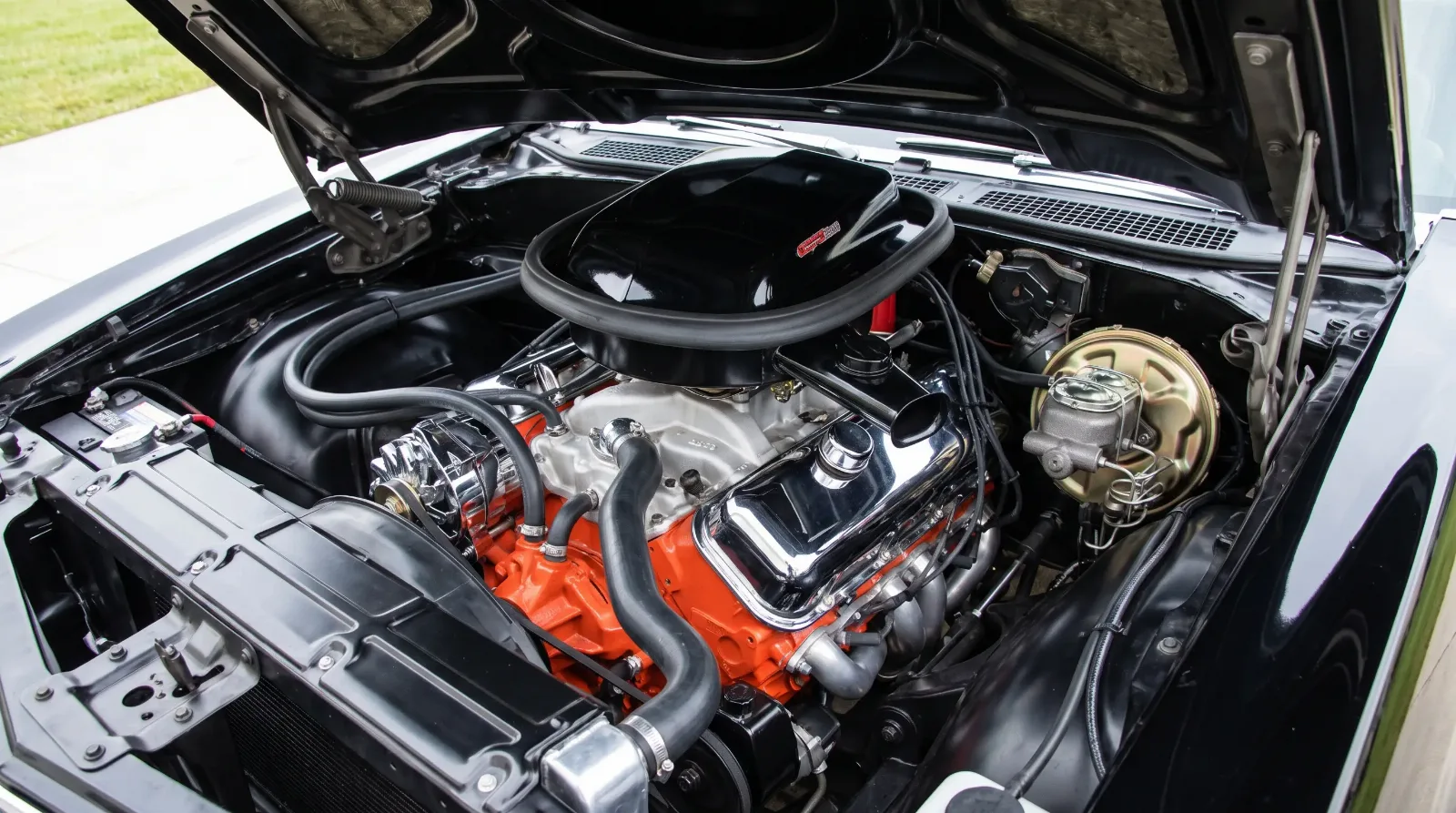
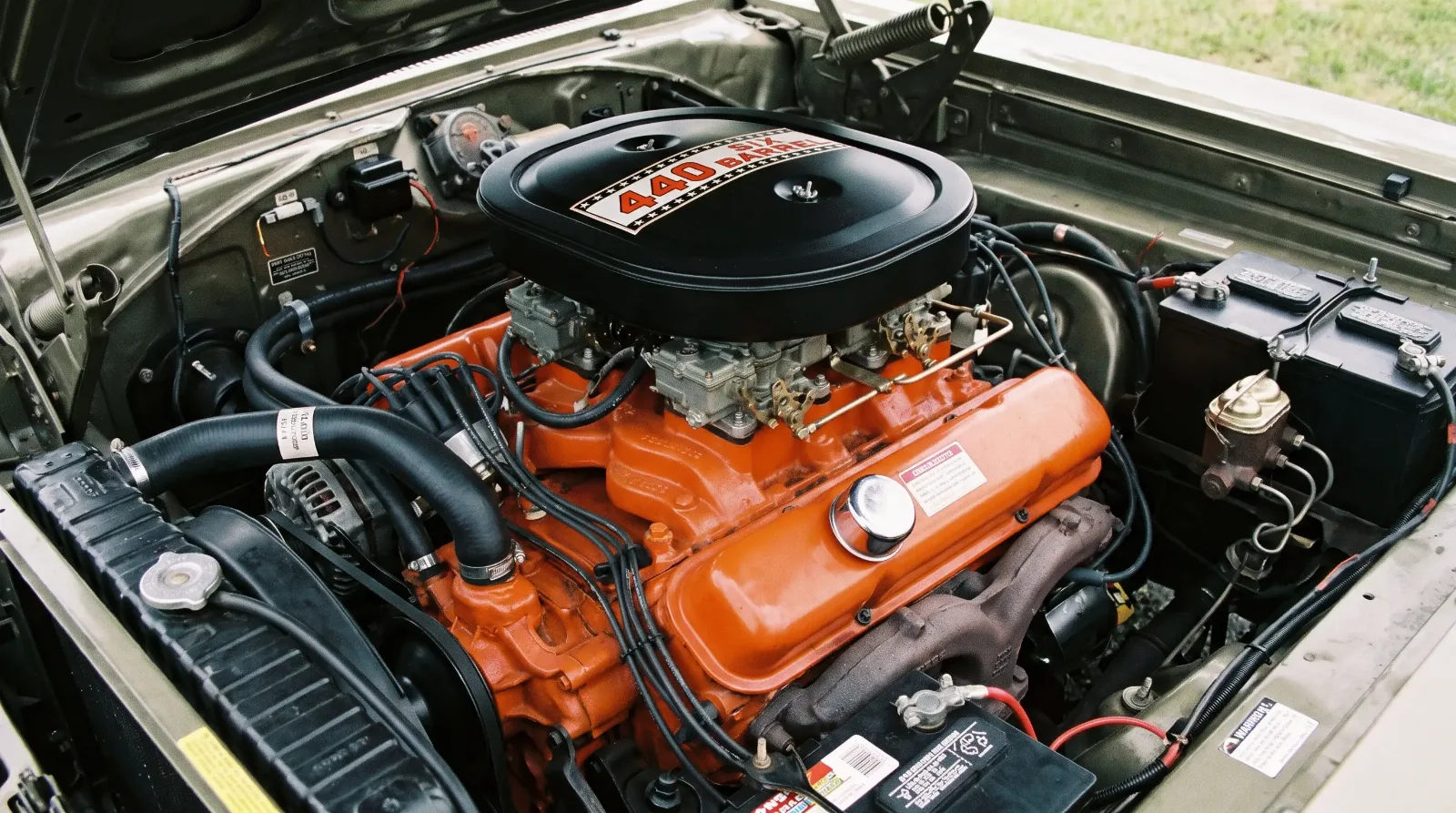
Compression ratio is not a glamorous topic, but it is where the power lived. Understand what happened to it and the whole decline of the era makes sense. The engines did not get smaller. They got choked, on purpose, to run on the fuel that was coming. For the full picture of what these engines were before the cut, here are muscle car engines explained at their peak.
What compression ratio actually does
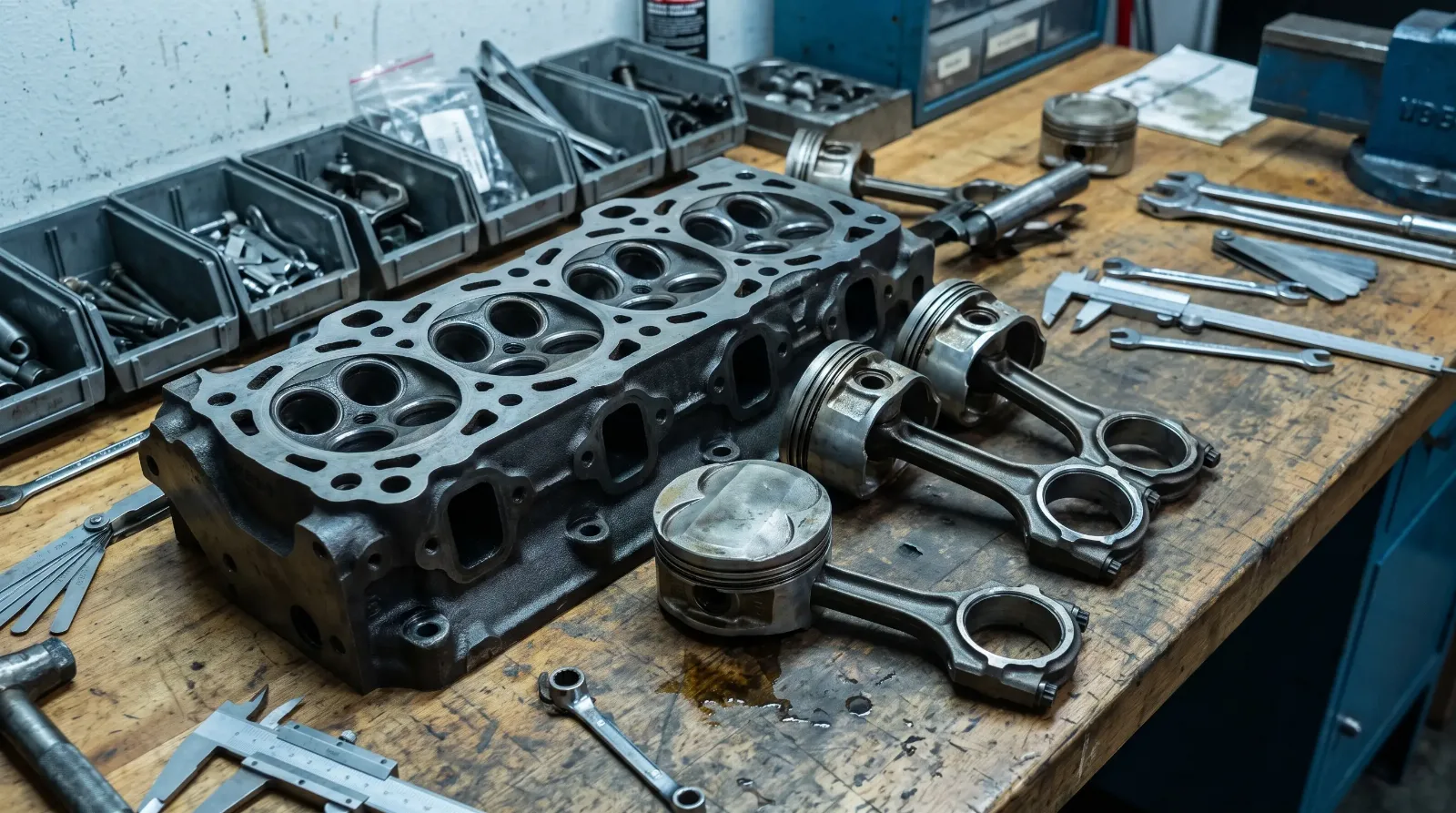
Compression ratio is the measure of how much the engine squeezes the air and fuel before the spark lights it. A 10.5:1 engine packs the mixture into a tenth of its original volume. A 8.5:1 engine squeezes it a lot less. The tighter the squeeze, the more energy you pull out of each combustion event, which means more power and better efficiency from the same displacement. That is why the hot engines of the 1960s ran high compression.
The catch is that high compression needs high-octane fuel. Squeeze the mixture too hard for the octane you are burning and it ignites before the spark, which is detonation, and detonation hammers pistons and rings until something breaks. In the muscle years the pumps sold leaded premium with plenty of octane, so the factories built engines with 10.5:1 and even higher and let the good gas keep them alive. That arrangement was about to end.
The 1971 GM decision
For the 1971 model year General Motors made a corporate call to lower compression across the board, targeting figures around 8.5:1 on performance engines that had run 10.5:1 or more the year before. The reason was fuel. The industry knew unleaded gasoline was coming, driven by emissions rules and the catalytic converters that leaded fuel would destroy. Low-lead and unleaded regular carried less octane, so the engines had to be detuned to run on it without tearing themselves apart.
Lower compression means less power out of the same engine, and the effect was immediate. A 1971 big-block made noticeably less than the identical-displacement engine from 1970, even before any other change. The factories were building engines that could survive on the fuel of the near future, and the near future had worse gas. This was not a market choice, it was engineering getting out ahead of a regulatory wall.
There was a logic to going early. An automaker could not retool engines overnight, and it did not want two versions of the same motor running down the line for different fuel markets. Cutting compression a year or two ahead of the unleaded mandate meant the engines already worked when the fuel changed, no recall, no field failures from detonation. It cost power, and the enthusiast press howled about it, but from the factory's side it was the safe call. The engines that came after were built around the fuel, not around the horsepower chart.
| Era | Typical compression | Fuel context |
|---|---|---|
| 1968 to 1970 peak | around 10.5:1 to 11:1 | Leaded premium, high octane |
| 1971 GM cut | around 8.5:1 | Preparing for low-lead regular |
| 1972 and later | often 8:1 to 8.5:1 | Unleaded coming, net ratings begin |
Why the paper numbers fell even further
The compression cut hurt real output. Then a second change made the paper numbers look even worse. Starting in 1972 the industry switched from gross horsepower ratings, measured on a bare engine on a stand, to net ratings measured with the accessories and exhaust the car actually used. That switch alone knocked a big chunk off every published figure, whether or not the engine had changed.
So a buyer reading a 1970 spec sheet next to a 1972 spec sheet saw a cliff, and part of that cliff was real detuning and part was just the honest measuring method catching up. Both were happening at once, which is why the early 1970s numbers look so brutal compared to the peak years. The engine architecture had not collapsed. The compression came down and the accounting got honest at the same time. If you want to see how combustion chamber design fed into all of this, you can read the full story on chamber shapes.
What this means for a car you buy today
The practical upshot for anybody shopping is that the model year on a muscle car tells you a lot about how it will actually run. A 1970 engine and a 1971 version of the same engine can look identical under the hood and behave very differently, and the compression is the reason. When a seller quotes horsepower, ask whether it is the gross or net number, and check it against the year, because carrying a 1970 figure onto a 1972 car is a common mistake, honest or otherwise.
None of this makes the low-compression cars bad. They are more forgiving on modern pump gas, which is a real advantage for a driver, and many can be built back up if that is your goal. Just know what you are looking at before you pay peak-year money for a detuned engine. If you want to compare the years side by side in the market, you can view muscle cars up for grabs and see how the pricing follows the compression story.
"People blame the gas crisis for killing the muscle car, but the compression was already gone by 1971, a year or two before the pumps ran dry. The factories saw the fuel changing and pulled the squeeze out of the engines ahead of it. The power left quietly, in the compression ratio, before anybody noticed at the pump."
Mike Sullivan
Related Reading
Have a
Classic Car
for Sale?
Reach thousands of serious classic car collectors across the US.
Sell It Here →
Are You a Classic Car Dealer?
List your full inventory and connect with targeted classic car buyers.
Join as a Dealer →

About the author
Mike Sullivan
Detroit-area muscle car enthusiast and restoration specialist with three decades of hands-on experience working on American iron.




Comments
Be the first to comment on this article.