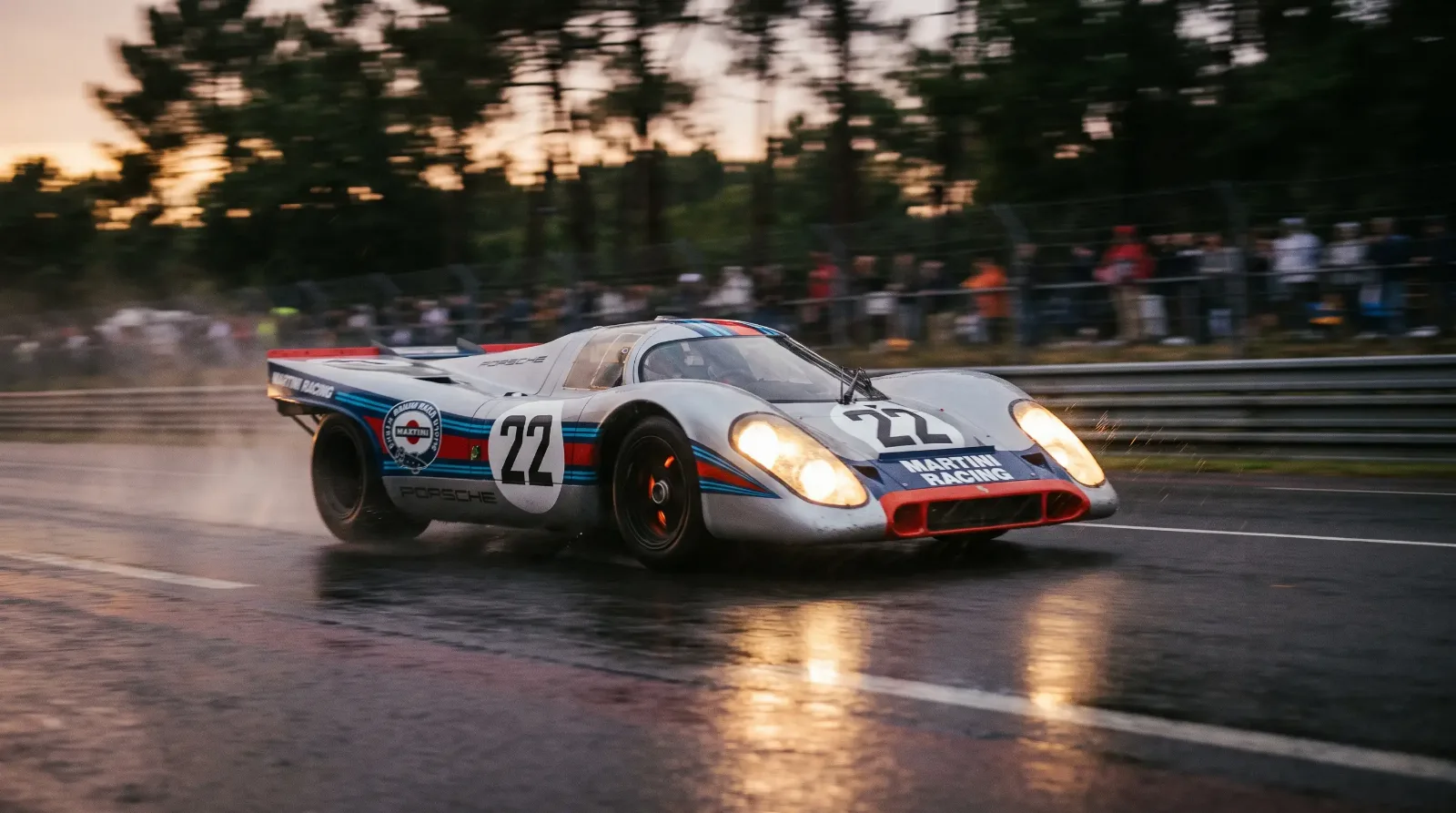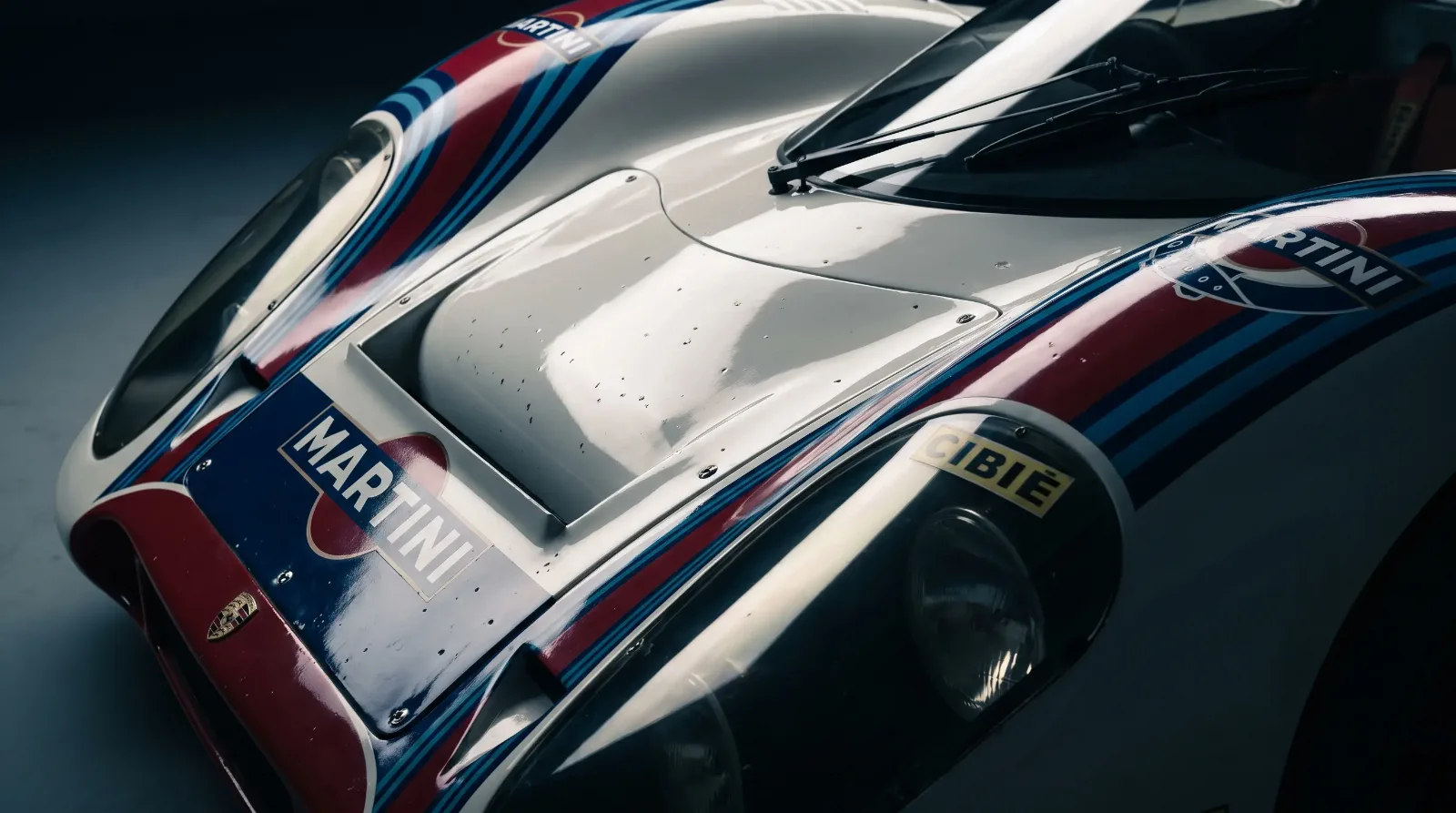
Norbert Singer joined Porsche in 1970, fresh out of the Technical University of Munich, and by the time he retired from the racing department more than three decades later, he had put his hand on nearly every significant competition car the factory built, from the 917 through the 936, 956, 962, and eventually the 911 GT1. Sixteen Le Mans overall wins carry his fingerprints in one capacity or another, a total no other engineer in the sport's history has matched. Ask people inside Porsche's competition department who the most important person in the building was during those decades, and the same name comes up more often than any driver's.
An aerodynamicist before the word was common
Singer's early work at Porsche focused on aerodynamics at a time when most of the field still treated bodywork as an afterthought to the engine and chassis. He was closely involved in refining the 917's rear bodywork after its early instability problems, the long-tail version that eventually became stable enough at speed to stop terrifying its drivers. That early lesson, that a race car's shape could be engineered with the same rigor as its engine, stayed with Singer for the rest of his career and shaped how Porsche approached every prototype that followed.
By the time Group C arrived in the early 1980s, Singer was the engineer most responsible for translating ground-effect theory, borrowed loosely from Formula 1's experiments earlier that decade, into a workable endurance racing package. The 956's underbody tunnels, and the aluminum monocoque built to support them without flexing the airflow away, were largely his doing. It's difficult to separate the 956's dominance from Singer's specific insistence that the car's aerodynamics and structure be designed together rather than bolted onto an existing chassis as an afterthought.
Reading the rulebook better than anyone else
What set Singer apart from other engineers of his generation wasn't just technical skill, it was a talent for finding legitimate advantages inside motorsport's rulebooks that other teams had simply overlooked. Group C's fuel-economy formula, IMSA's various homologation quirks, the FIA's GT1 regulations in the 1990s, each one got studied by Singer with the patience of someone looking for a loophole that wasn't actually a loophole, just an opportunity nobody else had noticed. Rivals occasionally complained that Porsche's cars stretched the spirit of a regulation, but Singer's work almost always held up to scrutiny because it operated inside the letter of the rules, not around them.
This pattern repeated across three decades of regulation changes. New rules would arrive intended to slow Porsche down or level a field that Porsche's earlier cars had dominated, and Singer's department would find the version of the new rulebook that Porsche could still win under. It's a large part of why Porsche's overall record at Le Mans stretched so consistently across such different eras of race car design, from open prototypes to closed-cockpit GT1 machines.
"Singer wasn't chasing the fastest car on paper. He was chasing the fastest car that would still be running at hour twenty-three, and that's a much harder problem to solve."
— Patrick Walsh
The 1998 GT1 and a career-defining bet
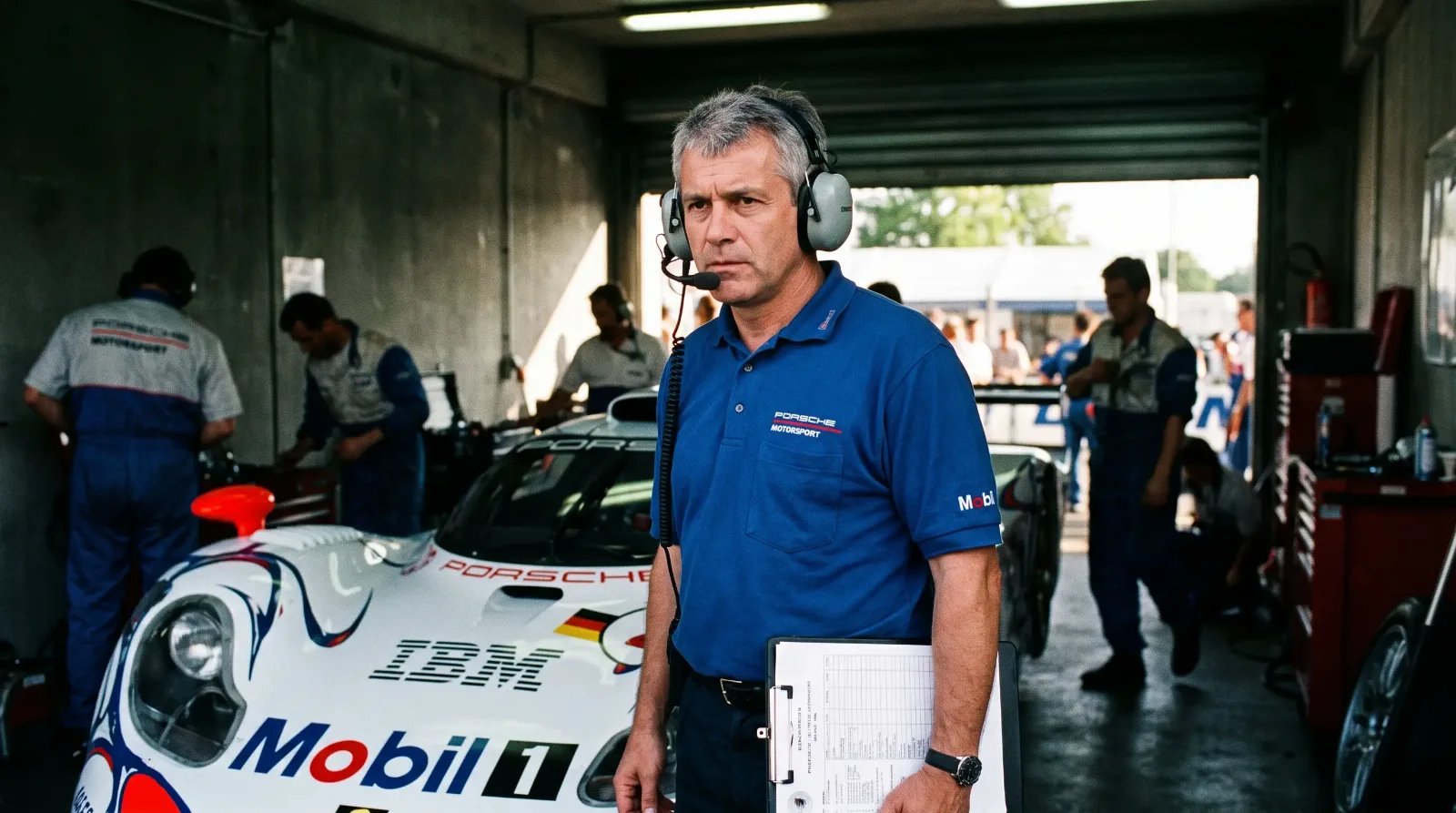
By the mid-1990s, Singer was managing a competition department under enormous pressure. The FIA's GT1 rules had opened the door to purpose-built machines wearing thin road-car disguises, and Porsche's 911 GT1 was arriving late compared to entries from McLaren and Mercedes. Singer's response was characteristically patient rather than flashy: rather than chase outright pace, he built a car engineered to survive twenty-four hours of racing without the mechanical dramas that had ended other manufacturers' efforts early.
That patience paid off in 1998, when Porsche's GT1s finished first and second at Le Mans after the leading Toyota broke down late in the race, a result still counted among the most satisfying wins of Singer's career. It was also, as it turned out, the last time a Porsche factory prototype won Le Mans outright for more than a decade, which makes that final GT1 program a fitting bookend to everything Singer had built since the 917.
A career that outlasted the cars it shaped
Singer's involvement ran through the racing chapter of Porsche's history that most enthusiasts know best, the 917 and its immediate successors, but his real influence shows up in how consistently Porsche's competition department kept producing winning cars decade after decade, well past the point where institutional knowledge should have started fading. Engineers who worked under him describe a demanding, detail-obsessed manager who cared as much about a bracket's weight as its strength, and that obsession with marginal gains compounded across a career long enough to touch six different decades of regulation changes.
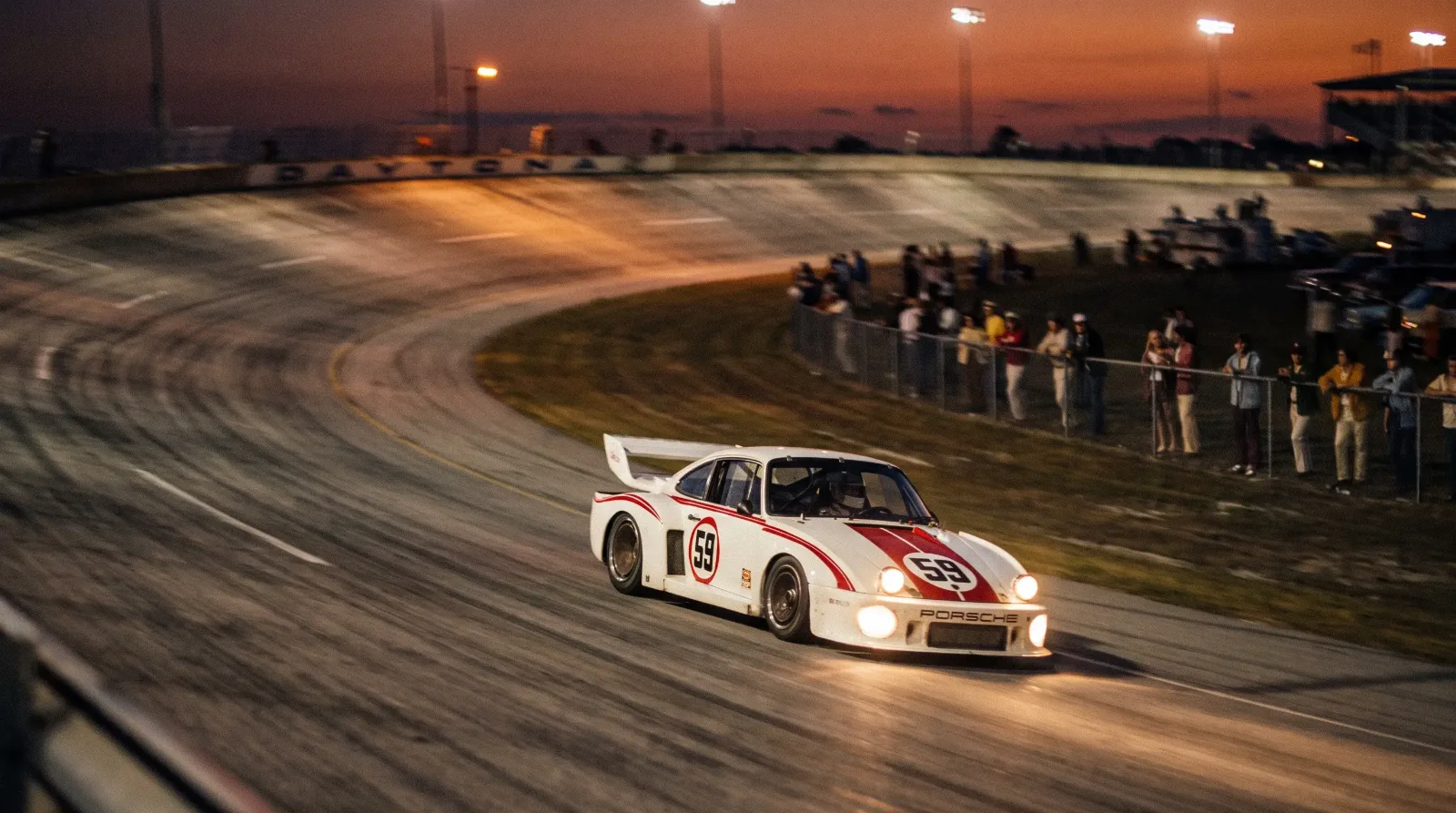
Teams and drivers who campaigned Porsche's customer race cars during Singer's tenure, including the long-running program covered in another angle on the same car, benefited directly from engineering decisions made at the factory level, even when Singer himself never turned a wrench on their specific chassis. His work filtered down through every 911-derived race car Porsche sold to privateers.
Why his work still matters to buyers today
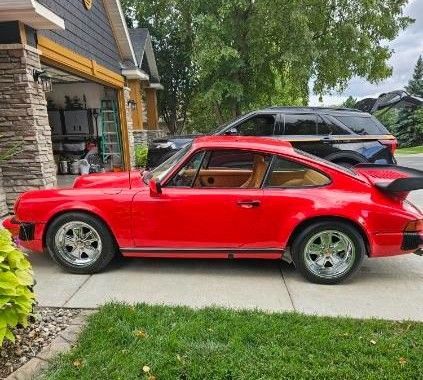
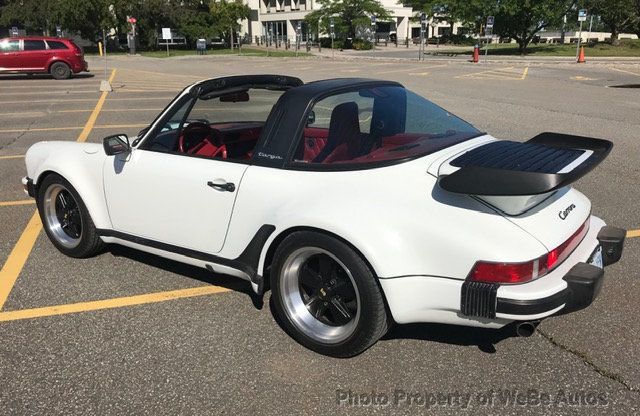
For collectors and buyers browsing classic Porsches for sale today, Singer's legacy shows up in unexpected places: the aerodynamic details on a 930 Turbo, the structural thinking behind a 964's chassis, decisions that trace back to lessons learned on cars that never touched a public road. Understanding Norbert Singer's contribution to Porsche is, in a real sense, understanding why the company's road cars have always felt more thoroughly engineered than their specifications alone would suggest.
Singer rarely gave interviews and never courted attention the way some of the drivers he worked with did, which is probably why his name is less familiar to casual fans than Ickx's or Bell's. Inside Porsche, though, and among the engineers who came up under him, his reputation was never in question. A career spanning the 917 to the GT1, with sixteen Le Mans wins scattered across it, tends to speak for itself even when the person behind it prefers to let the results do the talking.