Peter Gregg walked into a Jacksonville Porsche dealership in the early 1960s looking for a fast car, and he walked out a few years later as the man who turned Brumos Porsche into the winningest name in American road racing. The partnership between a Florida dealership and Stuttgart's factory cars is one of the great overlooked chapters of classic Porsche history, and it started with a simple bet: that a well-prepared 911 could beat anything else on an American road course.
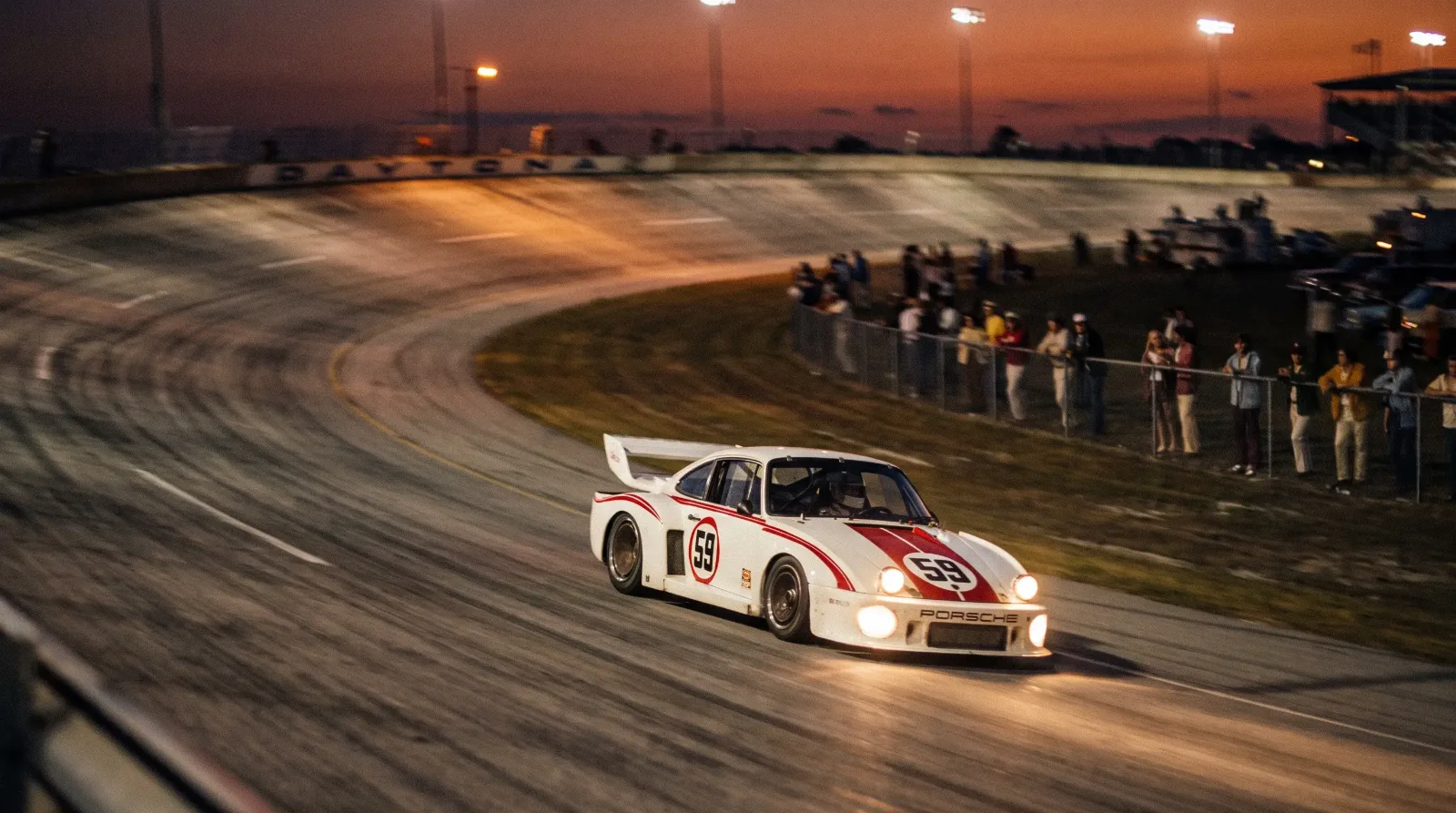
Brumos was not a factory team in the way Porsche's European efforts were. It was a dealership, first and always, with racing bolted on as both marketing and obsession. Gregg bought into the Brumos name (originally a nod to a "brew moss" root beer stand joke among the dealership's founders) and by 1966 he was racing under its colors. The white-and-red livery with the number 59 or 46 became a fixture at Daytona, Sebring, and Watkins Glen for the next two decades, and it turned Brumos into a name collectors still chase on 911s, 934s, and 935s today.
Peter Gregg and the birth of a racing dealership
Gregg was an unlikely racing hero. He had a Harvard degree and a reputation as a demanding, exacting driver who treated setup notes like scripture. Fellow racers nicknamed him "Peter Perfect" for his precision, both behind the wheel and in how he ran the shop. That discipline showed on track. Gregg won the IMSA GT championship multiple times through the 1970s, and Brumos-prepared 911s and Carreras became the standard other privateer teams measured themselves against.
The Brumos model was straightforward but hard to replicate: sell Porsches to Florida customers by day, race the same cars (or close derivatives) on weekends, and let the results sell the next round of cars. It worked because the results were real. Brumos entries were not gentleman's-club novelties; they beat factory-adjacent teams from BMW and Chevrolet on merit.
Hurley Haywood and the Daytona years
If Gregg built the foundation, Hurley Haywood built the legend. Haywood joined Brumos as a mechanic and test driver before becoming one of the most successful endurance racers America has produced, with multiple overall wins at the Daytona 24 Hours and Le Mans behind Porsche machinery. His partnership with Gregg through the 1970s, sharing cockpits in Carrera RSRs and later 935s, gave Brumos a driver lineup that could run a full 24-hour race without losing pace in the closing hours.
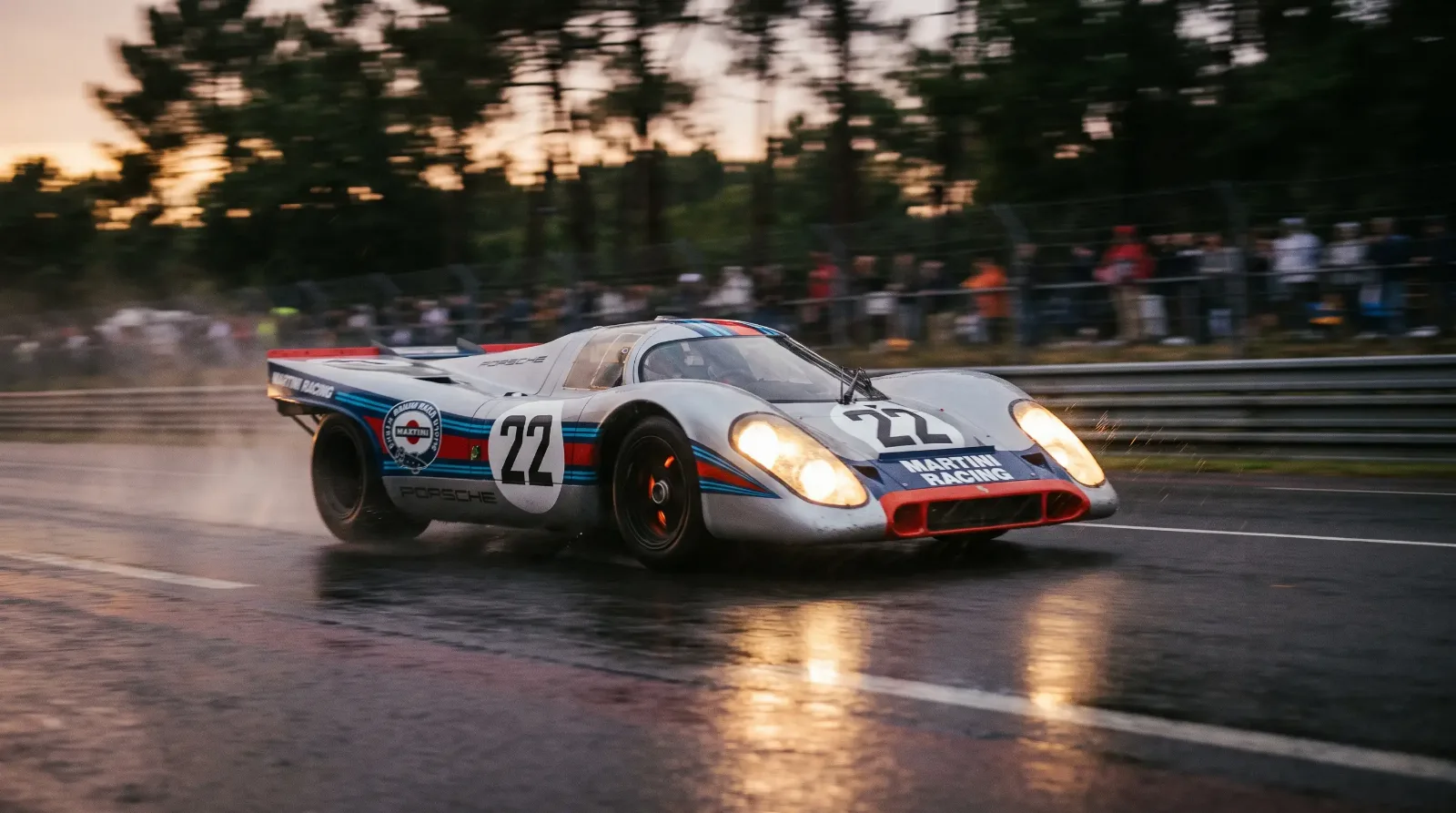
The Brumos 935, in particular, is the car most enthusiasts picture when they hear the name. Silver over red-and-white, campaigned through the late 1970s and into the early 1980s, it represents the high point of the turbocharged IMSA era before rules changes reshaped the category. Anyone researching the 917 and Le Mans years will recognize the same turbocharged, flat-six engineering lineage feeding directly into what Brumos raced on American soil a decade later.
Why Brumos cars command a premium today
Provenance drives value in the classic Porsche market more than almost any other factor, and Brumos provenance is about as good as it gets. A 911 or 935 with documented Brumos race history, especially one tied to Gregg or Haywood specifically, sells at a significant premium over an equivalent car with no competition record. Buyers are not just paying for the car; they are paying for a verified chapter in American racing.
The tricky part is verification. Decades of ownership changes, restorations, and "tribute" builds have muddied the waters. A genuine Brumos team car will have a paper trail: period photographs, race entry lists, and often factory correspondence. A car simply painted in Brumos colors without that history is a recreation, not a race car, and the market treats the two very differently.
| Era | Primary chassis | Key driver(s) | Notable results |
|---|---|---|---|
| Late 1960s | 911 / 911S | Peter Gregg | Regional and national SCCA class wins |
| Early-mid 1970s | Carrera RSR | Gregg, Hurley Haywood | IMSA GT championships, Daytona 24 podiums |
| Late 1970s | 935 | Gregg, Haywood, Al Holbert | Daytona 24 overall win in 1978, with Gregg, Rolf Stommelen, and Toine Hezemans in a 935/77 |
The end of an era and the Brumos legacy
Peter Gregg's death in 1980 changed the character of the team, though Brumos continued fielding cars into the 1980s and 1990s with Haywood and later drivers carrying the banner. The dealership itself remained a going concern in Jacksonville for decades afterward, and the racing history became inseparable from the brand's identity. For collectors today, a Brumos-liveried Porsche is shorthand for a specific strain of American privateer racing: well-funded, meticulously prepared, and genuinely competitive against factory efforts.
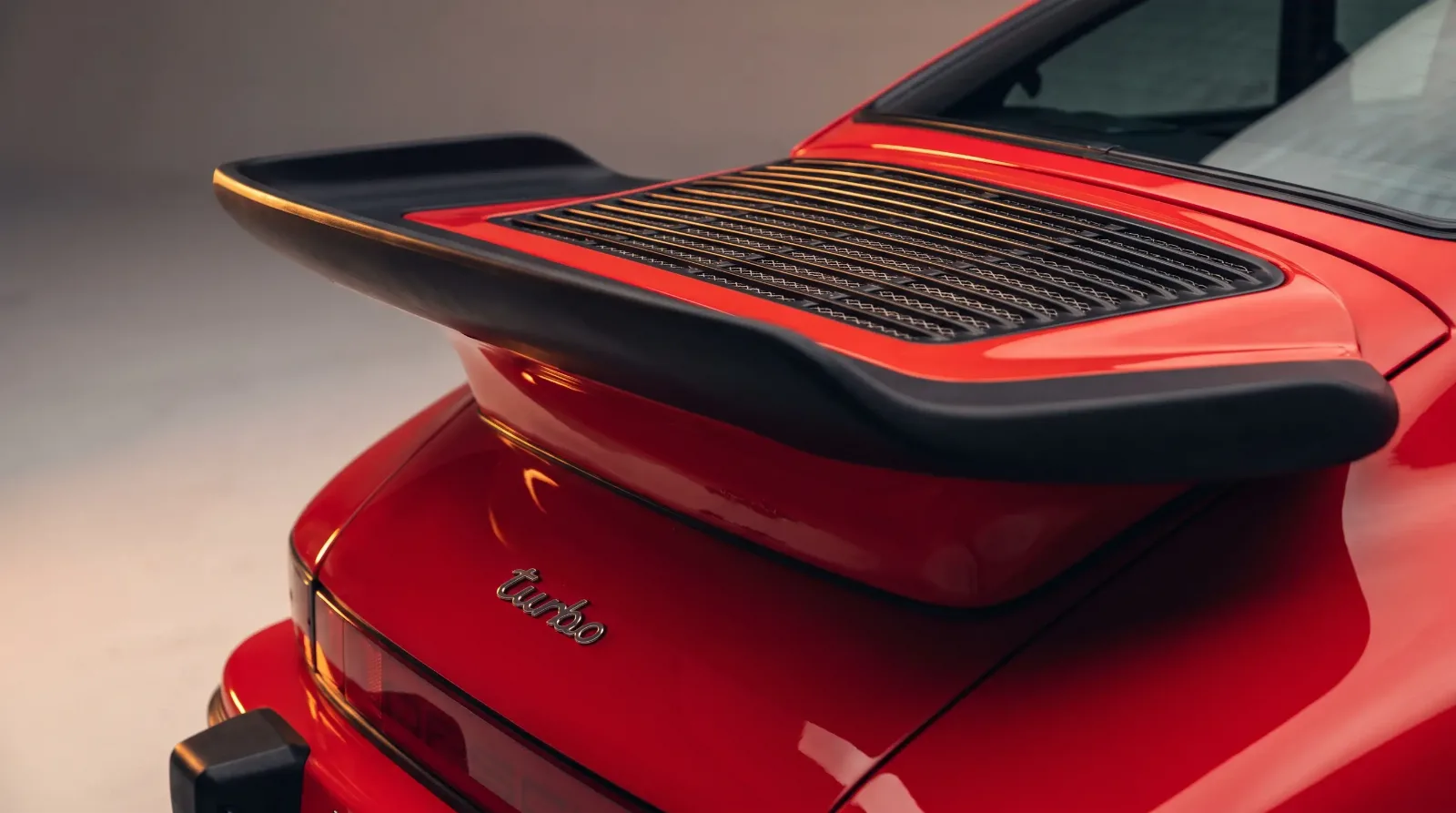
It is worth reading another angle on the same car if the turbocharged 911 era is what draws you in, since the aerodynamic changes that defined the street 930 grew directly out of what teams like Brumos learned running these cars at speed for 24 hours at a stretch.
"Brumos cars didn't win because they had the biggest budget. They won because Gregg treated every bolt like it mattered, and Haywood could drive a car flat out for hours without making it angry at him."
— Patrick Walsh
What to look for if you're chasing Brumos history
Anyone shopping for a car with genuine Brumos connections should start with the paperwork before falling for the paint scheme. Race entry forms, period magazine coverage, and any correspondence between the dealership and the factory are worth more than a fresh repaint in the right colors. The community around these cars is small and well informed, and a car's history tends to be known long before it hits an auction block.
For a broader view of how this fits into the marque's history, the Classic Cars Arena Porsche guide lays out the full arc from the earliest 356s through the turbocharged era that Brumos helped define on American tracks. The Brumos story is a reminder that some of Porsche's most important racing history was not written in Stuttgart or at Le Mans, but in Florida, by a dealership that decided selling cars and racing them were the same job.
Sources and notes
- The History of Brumos - The Brumos Collection
- Brumos Racing - Wikipedia
- Peter Gregg (racing driver) - Wikipedia
- Peter Gregg - IMSA Hall of Fame
- Brumos Closes its Doors; Haywood Reflects on Legacy - Sportscar365
- Brumos birdstrike at 50: How Porsche beat adversity to win the 1973 Daytona 24 Hours - Motorsport.com