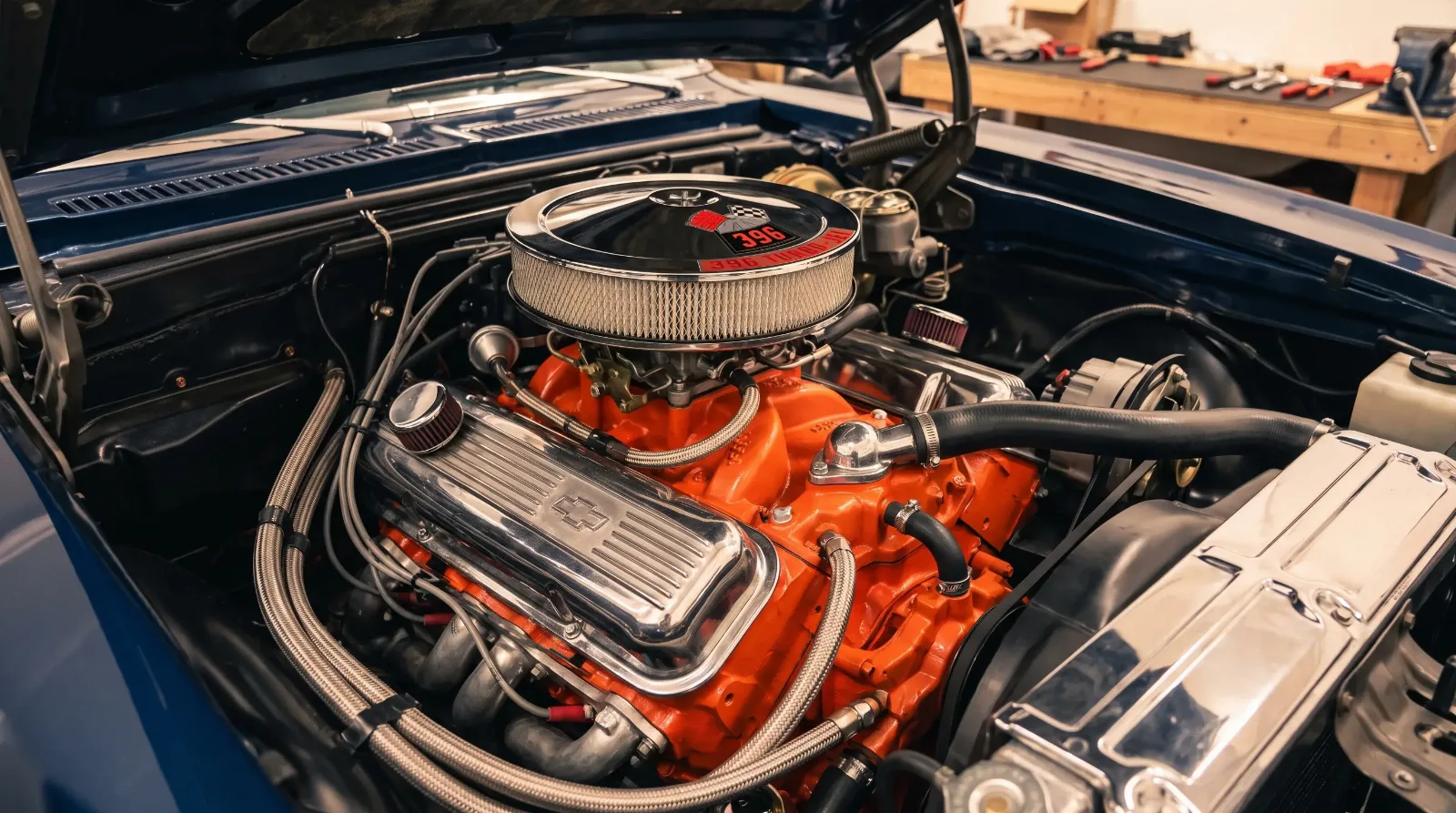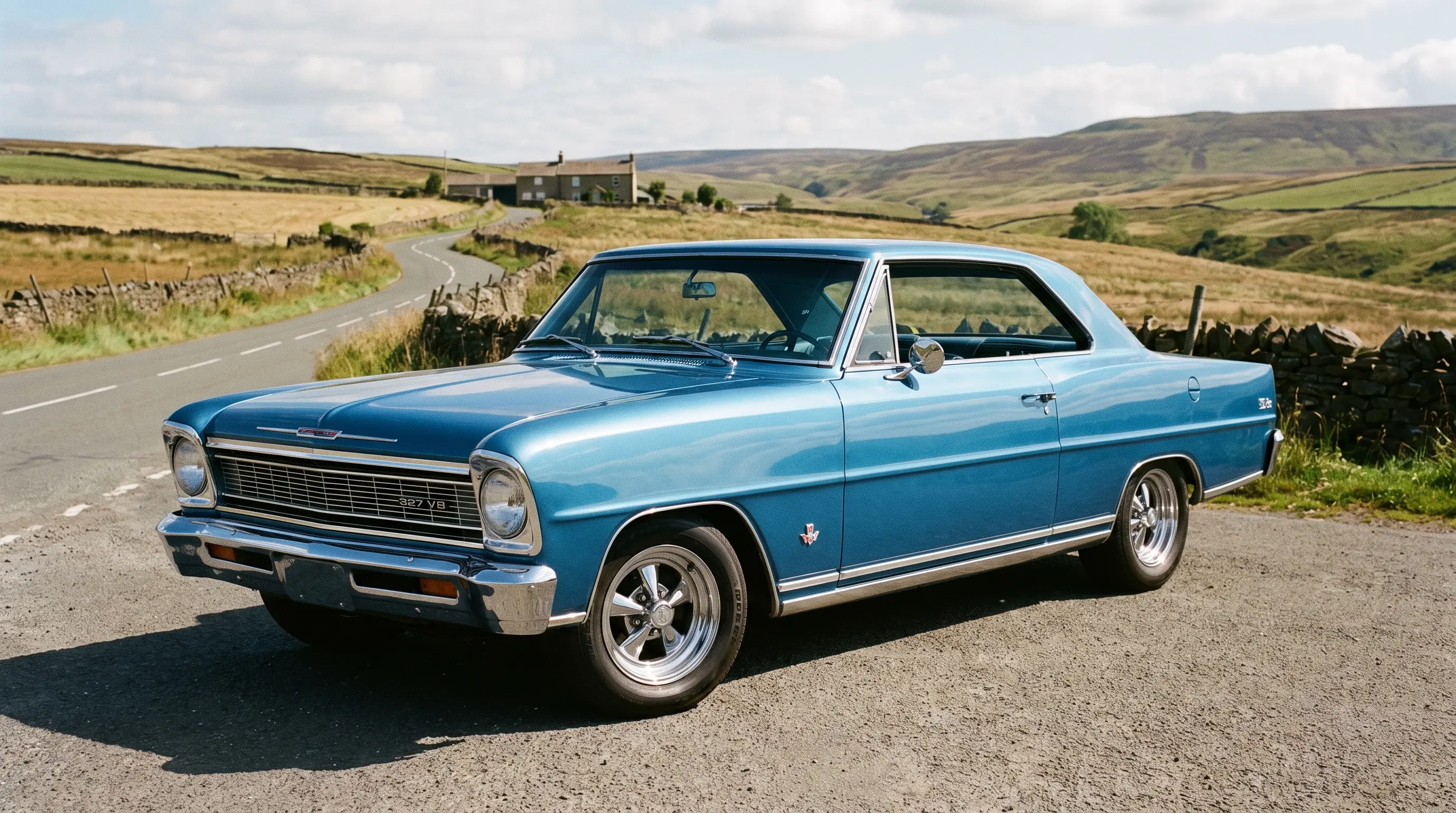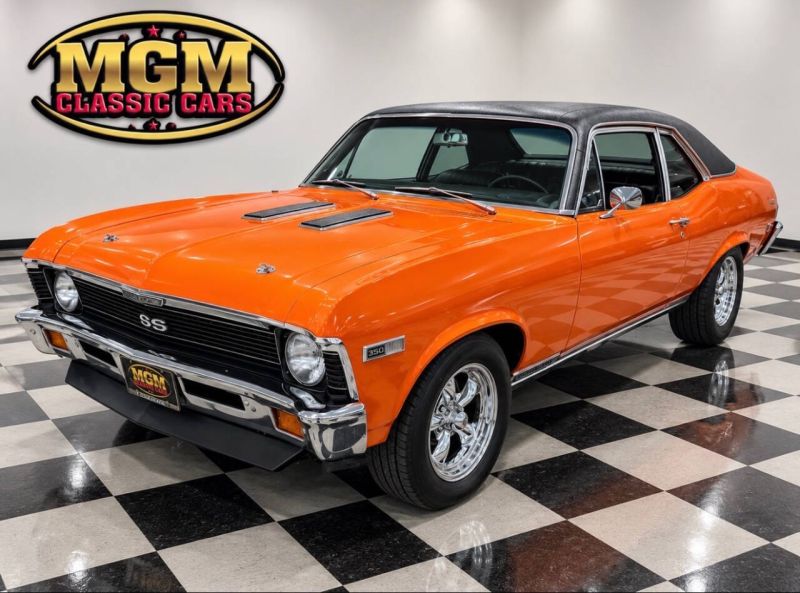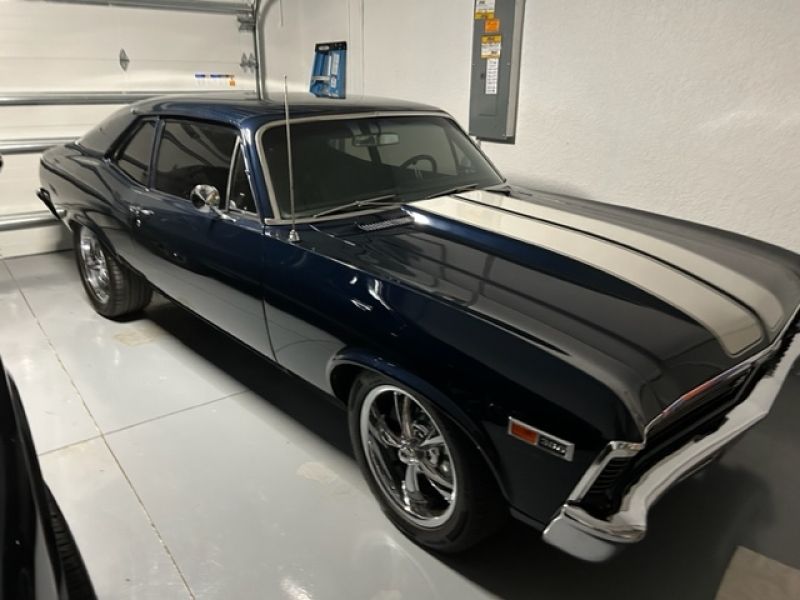
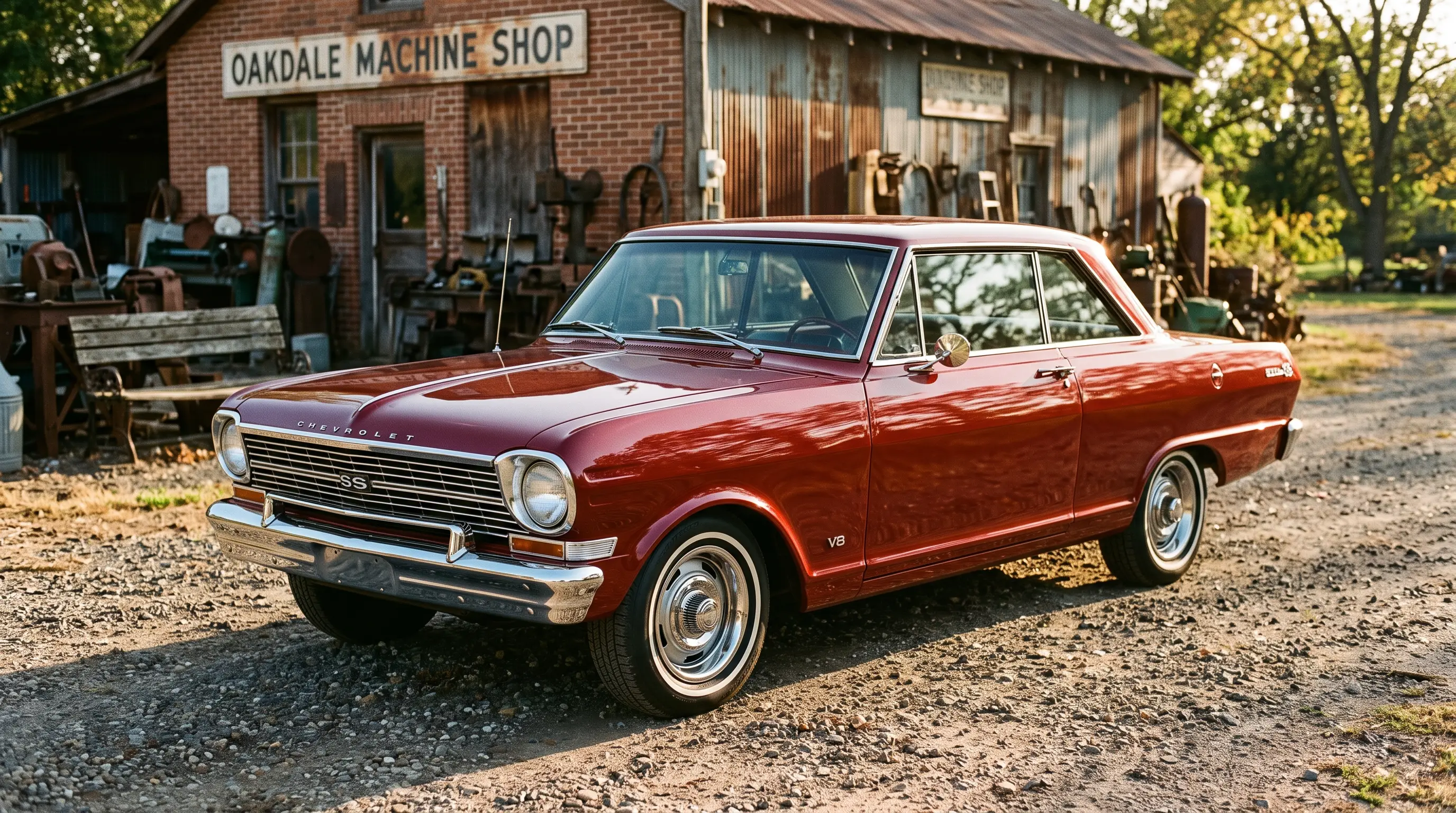
The 283 in a Chevy Nova is not the engine anybody brags about at a cruise-in. It is the engine that made the Nova a real car instead of a grocery-getter with a six-cylinder apology under the hood. When Chevrolet finally let the small-block into the Chevy II/Nova engine bay in the mid-1960s, the numbers changed the conversation, and the numbers are still the reason this engine matters.
The swap that mattered more than any option code
Early Chevy II and Nova models launched with four-cylinder and six-cylinder power exclusively. That changed once Chevrolet cleared the 283 cubic inch small-block V8 for the platform, and the effect on the car was immediate. A compact that had been competing on economy alone suddenly had a legitimate performance option, and buyers noticed. The 283 was not new technology. It was a proven, well-understood engine family Chevrolet had been refining since the late 1950s, dropped into a chassis that had room for it without a lot of drama.
Output depended heavily on carburetion and compression, and that is where people get sloppy with claims. The base two-barrel 283 in the Nova application made a modest, honest 195 horsepower when it debuted for the 1964 model year, while a higher-compression, dual-exhaust version added at midyear 1965 pushed 220 horsepower. Neither number was going to embarrass a full-size Chevy with a big-block, and neither was supposed to. This was a small-block doing small-block things in a small car, and the power-to-weight math worked out better than the raw horsepower figure suggests.
What the dyno sheet says that the badge doesn't
Strip away the option code and the marketing language and the 283's real story is torque delivery in a lightweight car. A compact Nova with a 283 under the hood had a power-to-weight ratio that made it feel quicker than the horsepower number implied on paper. That is the part enthusiasts chasing peak-horsepower bragging rights tend to miss. A heavier car with a bigger number on the option sheet does not automatically outrun a lighter car with a smaller number, and the 283 Nova is a clean example of that math.
| Configuration | Approximate output | Notes |
|---|---|---|
| 283 two-barrel | 195 hp | Standard small-block application from 1964, broad low-end torque |
| 283 dual-exhaust | 220 hp | Higher compression version added midyear 1965 |
| Six-cylinder base engine | Well under 283 output | Baseline the 283 option was measured against |
Reliability is the other number that matters here, and it is not a soft one. The 283 had years of production maturity behind it by the time it landed in the Chevy II/Nova, and the failure modes were well understood by any shop in the country. That translates directly into surviving cars today. An engine family this well documented does not hide surprises the way an unproven design might, and that predictability is worth real money to a buyer evaluating an original-engine car now.
Which years actually got the option
The 283 was not available across the entire Chevy II/Nova run, and that window matters to anyone trying to identify a genuine, factory-correct car. The V8 option arrived partway through the model's early production life, well after the four-cylinder and six-cylinder engines had already established the platform's reputation as economical, unremarkable transportation. Once the 283 cleared engineering and cost approvals for the compact chassis, Chevrolet did not waste time offering it broadly, but the fact that it was only ever factory-available from the 1964 model year through 1968, before the 307 took over for 1969, is exactly the kind of detail that separates a documented original from a later engine swap dressed up to look period-correct.
That distinction carries real weight in today's market. A numbers-matching 283 car from its correct production window commands a different conversation than a car with a 283 dropped in later from another Chevrolet product. Neither car is dishonest if the seller discloses it plainly, but they are not the same car, and pricing them the same is a mistake buyers make more often than sellers correct.
Where the hype outruns the paperwork
Ask around a swap meet long enough and somebody will claim their 283 Nova ran numbers it never ran stock. That is not malice, usually. It is decades of memory rounding up. The honest approach is the same one that applies to every engine claim on an old car: trust the factory documentation over the story, and treat an undocumented performance claim as a story until proven otherwise.
"The two-barrel car made a real number. It just wasn't the number people remember forty years later. Dyno sheets don't get more exciting with age. Memories do."
— Dan Reeves
For buyers cross-shopping small-block options in this platform, the engine chapter lays out how the 283 sits relative to the displacements that followed it, and a companion piece covers the larger 327 that eventually replaced it as Chevrolet's mid-tier small-block choice for the Nova platform.
What this means for a buyer today
A documented, numbers-matching 283 Nova is not a car you buy for bragging rights on a dyno chart. It is a car you buy because the engineering underneath the badge was proven, the parts supply is still deep, and the power-to-weight math still works in the car's favor decades later. That is a boring pitch. It is also an accurate one, and accurate has aged better than hype in this segment.
Parts availability deserves its own mention here, because it is the practical difference between an engine that stays on the road and one that becomes a display piece. The 283's core components, from pistons to bearings to intake manifolds, remain in wide production or reproduction today thanks to decades of aftermarket support for the small-block family as a whole. That means a documented 283 Nova is not just historically honest, it is genuinely usable as a driver, which is a claim plenty of rarer, more exotic engine options in this era cannot make with a straight face.
None of this requires a buyer to be a numbers-matching purist to appreciate. Even a driver-quality 283 Nova, engine correct or not, benefits from the same practical case: a well-understood, well-supported engine in a lightweight compact body is a formula that worked in 1966 and still works now. The honest number on the dyno sheet was never the whole story. The reliability behind that number always was.