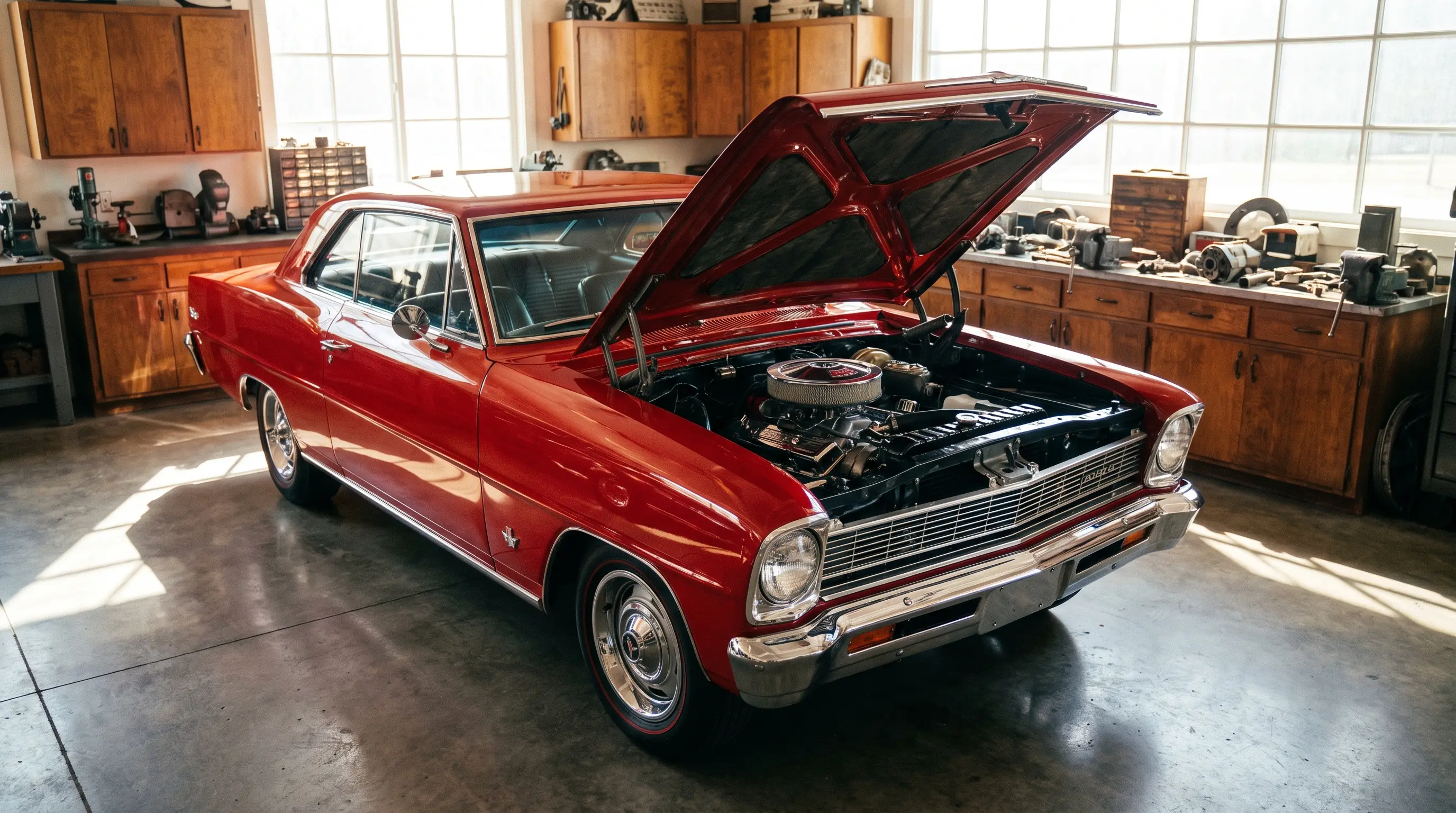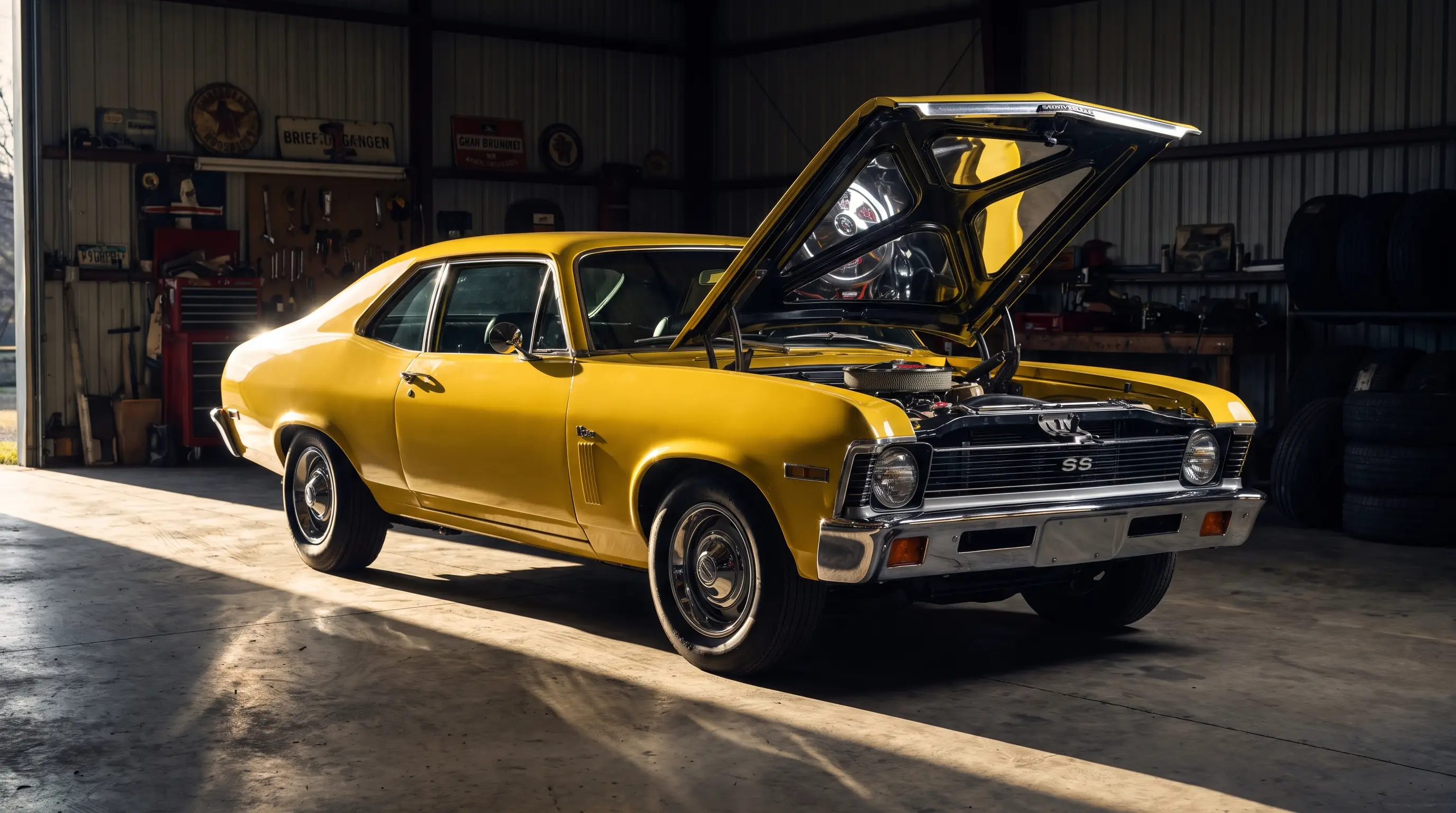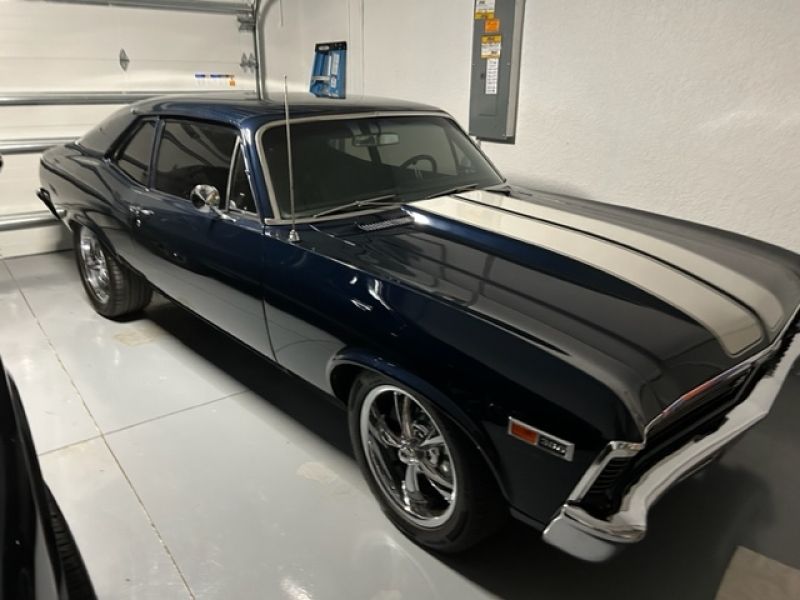
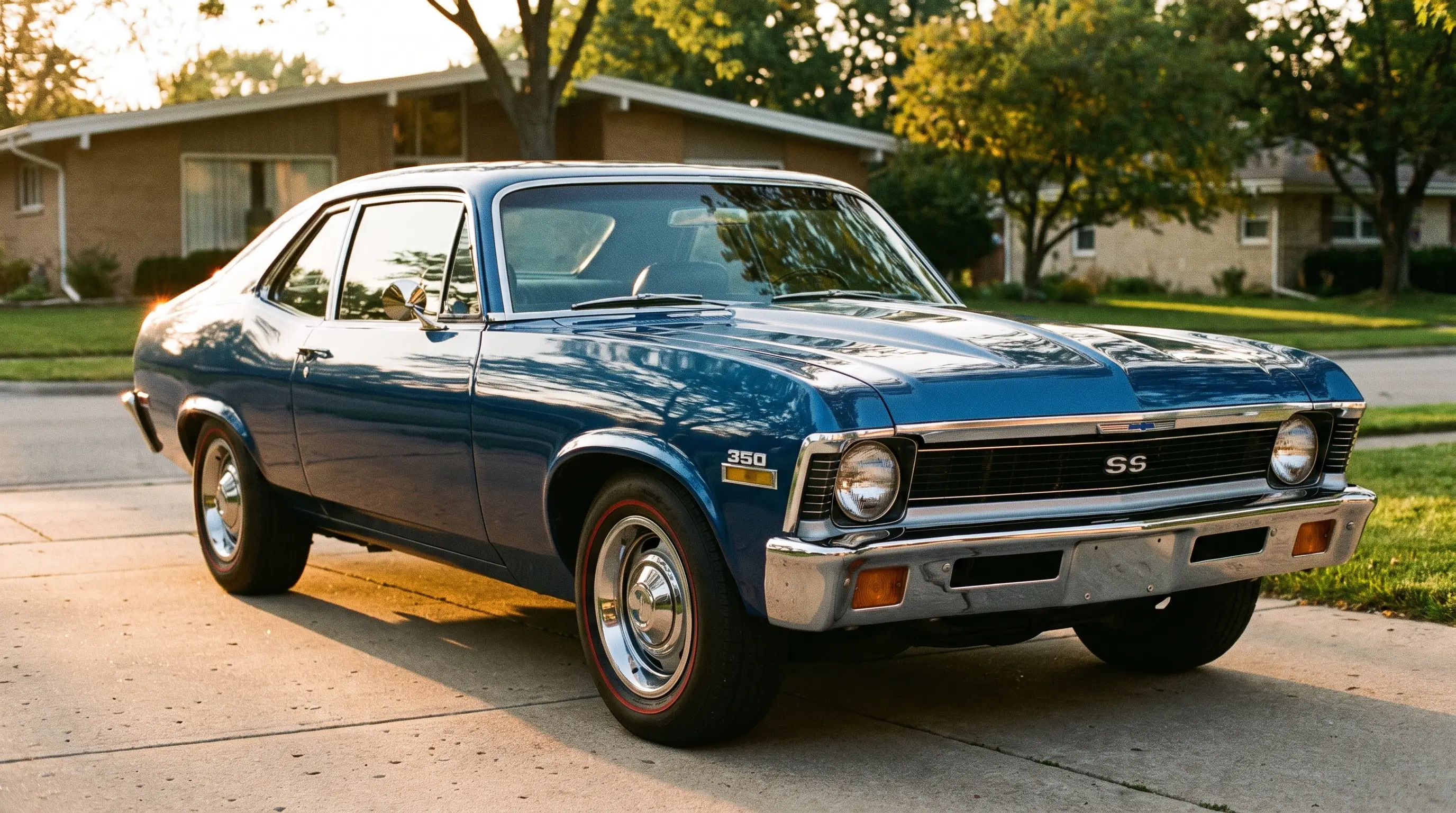
The Chevy 350 Nova is not one engine, it is thirteen years of the same displacement wearing different numbers. Chevrolet dropped the 350 cubic inch small block into the Nova starting in 1968 and kept it there through the end of the X-body's run in 1979, and the horsepower figure on the door sticker tells you more about what year it left the factory than it does about the hardware under the hood. Same bore, same stroke, wildly different output depending on when you bought it.
1968 to 1970: the 350 arrives with real numbers
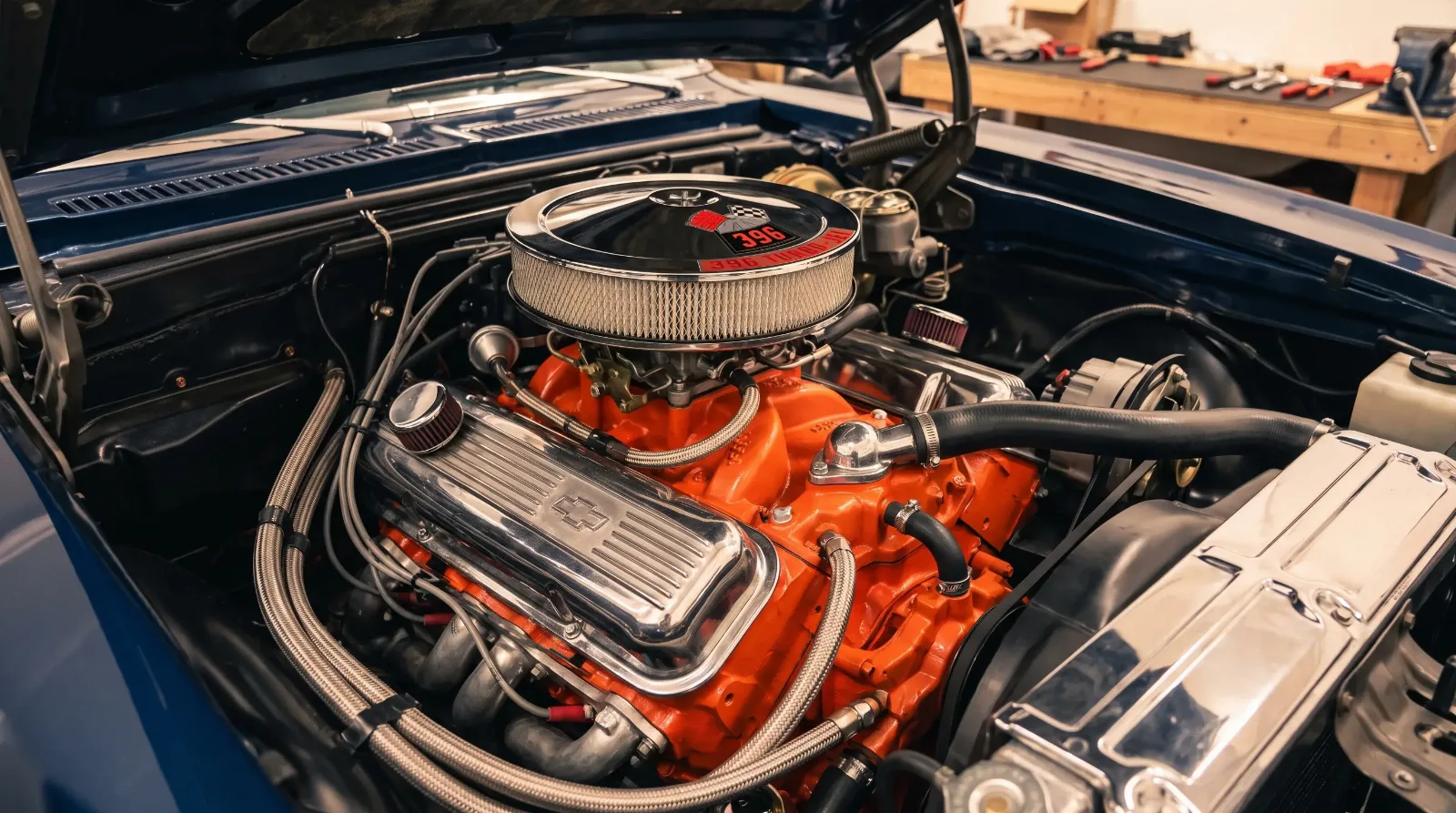
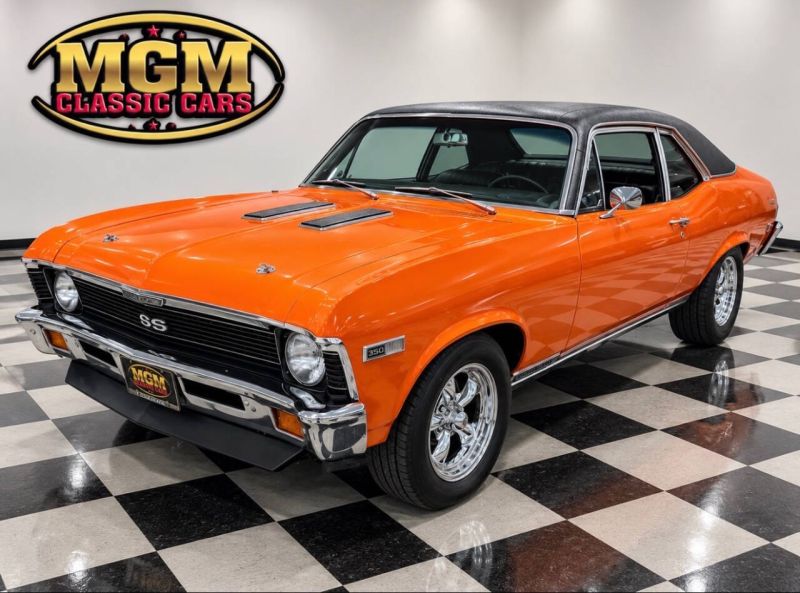
Chevrolet introduced the 350 small block for the 1967 model year in the Camaro, and it landed in the Nova SS package for 1968. The L48 version in the Nova SS was rated at 295 horsepower gross, a genuine step up from the smaller-displacement options and close enough to the big-block Novas that a buyer had to think about the trade. Compression was high, the four-barrel carburetor did real work, and this was still the gross horsepower era, meaning the number on the window sticker was measured without accessories, without a full exhaust system, and without the corrections that would show up a few years later.
These early 350 Novas are the ones collectors chase hardest today, because the gross rating actually reflected a hot street engine and the cars weighed little enough that 295 horsepower moved them with authority. Chevrolet paired the L48 with a Turbo Hydra-Matic automatic or a manual gearbox depending on the order, and either combination made for a car that could run with plenty of intermediate-size muscle cars despite its shorter wheelbase.
1971 to 1972: the net horsepower correction
1971 and 1972 are the years the number drops on paper without the engine actually changing much. GM lowered compression across the board to run on lower-octane, lower-lead fuel ahead of tighter emissions rules, and by 1972 the industry switched from gross to net horsepower ratings, which measure the engine with accessories and a real exhaust system attached. A 350 rated at 300 gross horsepower in 1969 shows up rated at 165 to 175 net horsepower by 1972, depending on whether it carried a two-barrel or four-barrel carburetor, even though the difference in actual output was smaller than the number implies. This confuses a lot of buyers who compare a 1969 spec sheet to a 1972 one and assume the engine got weaker. Some of it did. Most of the drop is the measurement changing under it. If you are shopping a car from these two transition years specifically, ask whether the number quoted in the ad is the gross figure carried over from an earlier brochure or the net figure that actually applied to that model year. Sellers mix the two up constantly, sometimes without realizing it themselves.
1973 to 1979: the smog years
By the mid-1970s the 350 in the Nova was carrying catalytic converters, lower compression ratios, and increasingly restrictive emissions equipment. Output settled into a range of roughly 145 to 175 horsepower depending on the year and the exact carburetor and exhaust combination. This is the least collected version of the 350 Nova today, and it is also the most common one to actually find running and driving, because these cars were built in higher numbers and used as everyday transportation rather than preserved as show cars. A 1977 or 1978 350 Nova is a genuinely easy car to own daily. It starts reliably, runs on pump gas without complaint, and does not punish an owner who cannot devote a weekend a month to keeping a solid-lifter valvetrain in adjustment.
| Era | Approx. horsepower | Rating standard |
|---|---|---|
| 1968-1970 (L48) | 250-300 hp | Gross |
| 1971-1972 | 165-270 hp | Transition / net |
| 1973-1979 | roughly 145-175 hp | Net |
Why the horsepower drop trips people up
Anyone shopping a 350 Nova needs to know which rating system a given year used before they compare it to another year's engine. This is the single most common mistake in Nova forums and classified ads, someone quoting a gross number next to a net number as if they measure the same thing. They do not. If you want the full breakdown of every engine Chevrolet put in this car across its run, the engine chapter lays out the whole lineup side by side, gross and net ratings both labeled so the comparison actually holds up.
The mechanical case for any year of 350 Nova is solid regardless of the horsepower rating on the sticker. Parts are everywhere. Machine shops know this block cold. A rebuild does not require hunting down rare NOS pieces the way a big-block build sometimes does. That is also why the 350 Nova is the engine most owners choose to swap into a car that came with a six-cylinder from the factory, and why so many surviving Novas today are running a 350 that did not leave the factory installed in that exact car.
"People see a 145 horsepower rating from 1976 and think Chevrolet built a weak engine. They didn't. They built the same engine and started measuring it honestly, with a real exhaust and the air pump bolted on. Compare the gross number to the gross number, or don't compare at all."
— Dan Reeves
What to actually pay attention to when buying
Confirm the year before you get excited about a horsepower figure quoted in an ad. A 1969 350 Nova and a 1976 350 Nova share a displacement and not much else in terms of actual output and driving character. The earlier car is quicker, thirstier, and pickier about fuel. The later car is more tolerant, easier to live with daily, and worth considerably less at auction because the market prices these years very differently despite the identical badge on the fender. Neither is the wrong car to buy. They are different cars that happen to share a name.
If a car has already been swapped, that is not automatically a deal breaker, but it changes what you should pay for it. A numbers-matching L48 from 1968 with the original build sheet is worth a real premium. A later Nova with a 350 dropped in from a donor car is a good driver at a fair price, not a collector piece, and it should be priced that way. Up next, the next story in this set moves up to the big-block option Chevrolet offered alongside the 350 in these same years.