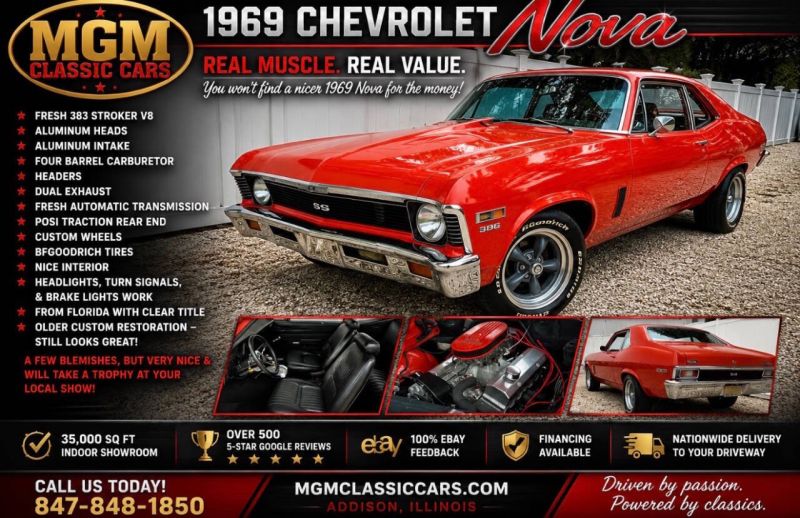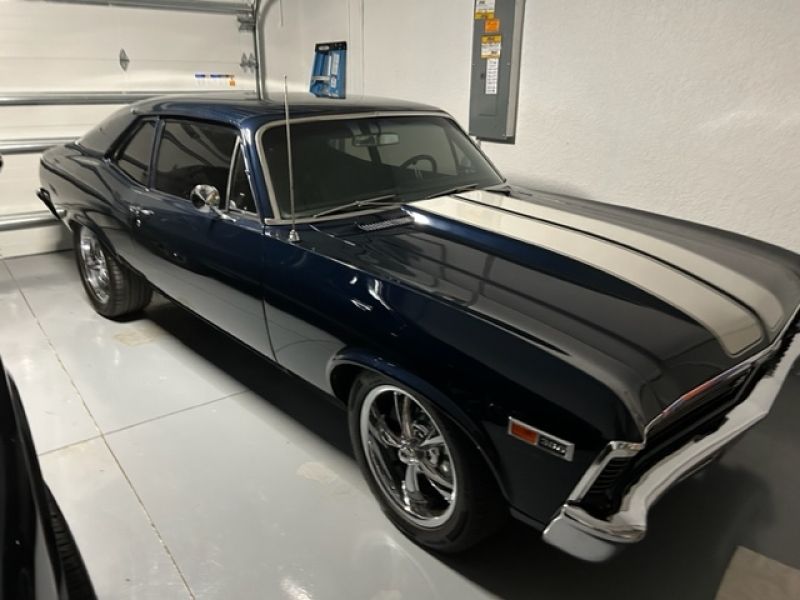
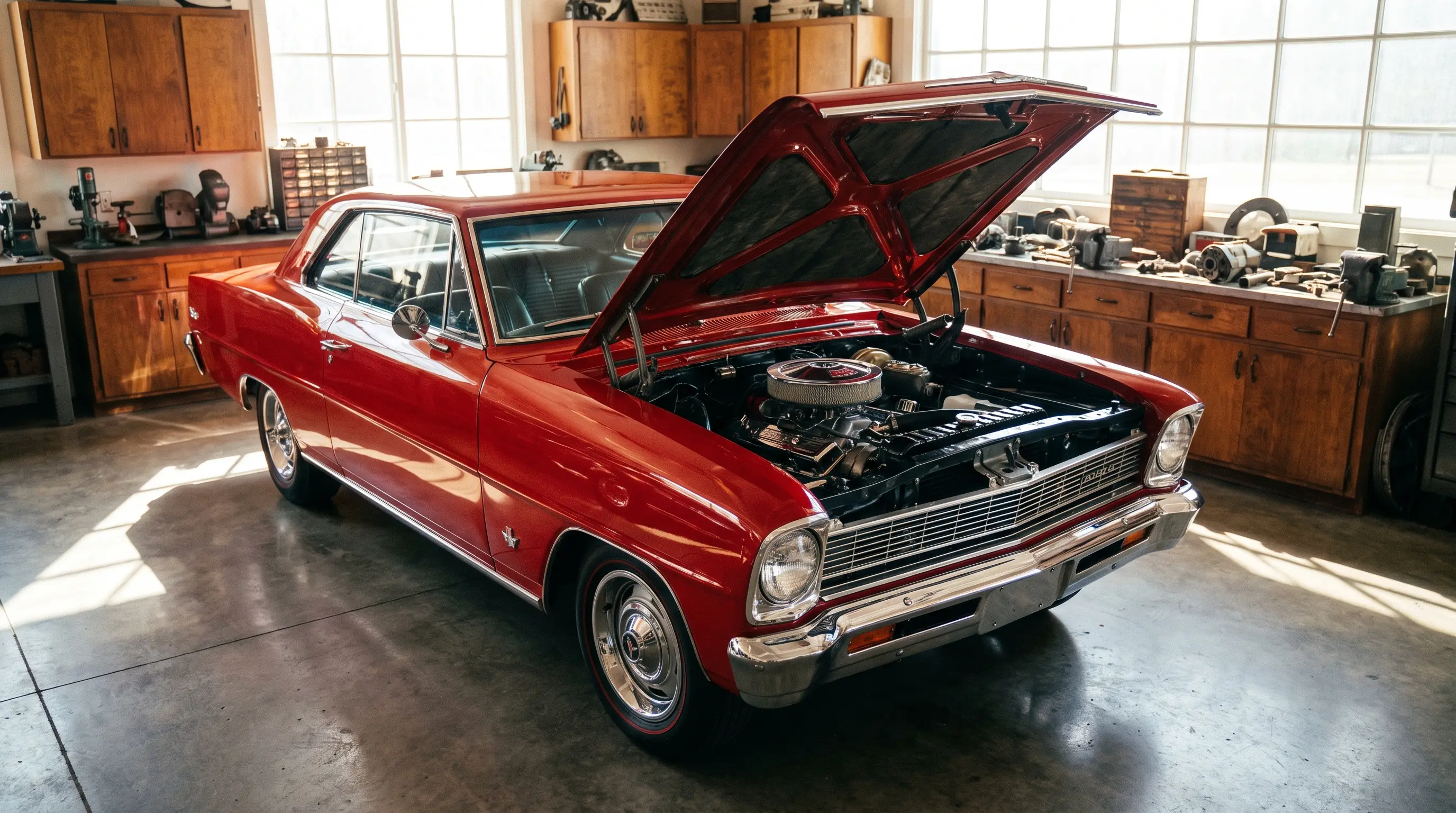
The L79 327 engine is the one number that changes every conversation about a 1966 or 1967 Chevy II Nova SS. Put a 283 or a two-barrel 327 in that car and you have a decent compact. Put the L79 in it and you have a 350 horsepower small block stuffed into a body that weighs around 3,100 pounds. That ratio is the whole story. Chevrolet did not build many quick compacts in the mid-1960s. This was one of them, and it did not need a big block to get there.
What the L79 actually is
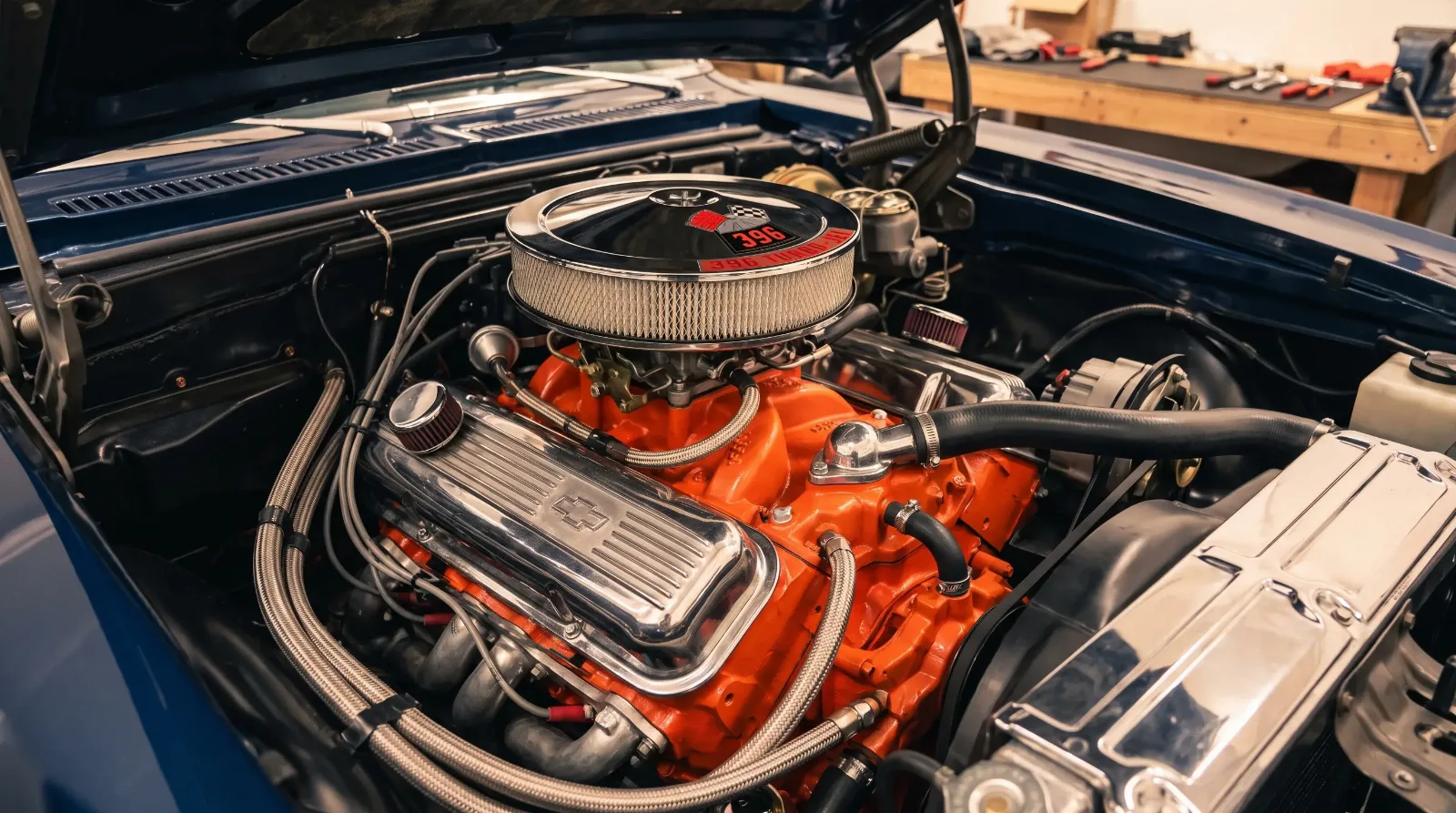
RPO L79 was Chevrolet's high-output 327 cubic inch small block, rated at 350 horsepower at 5,800 rpm and 360 lb-ft of torque at 3,600 rpm. Compression sat around 11.0:1, fed by a Holley four-barrel carburetor on an aluminum intake, with a solid-lifter camshaft that wanted to be revved, not lugged. This was not a mild option box. A solid-lifter cam means periodic valve lash adjustment. It means the engine idles a little rough and does not love sitting in traffic. Chevrolet built the L79 for people who understood that trade and wanted it anyway.
The 327 block itself was already a known quantity by 1966, sold in dozens of GM applications with a bore and stroke that left room to breathe. The L79 heads and cam package is what separated it from every other 327 in the Chevrolet catalog that year. Same displacement, different intent.
Where it lived: the Nova SS, 1966 to 1967
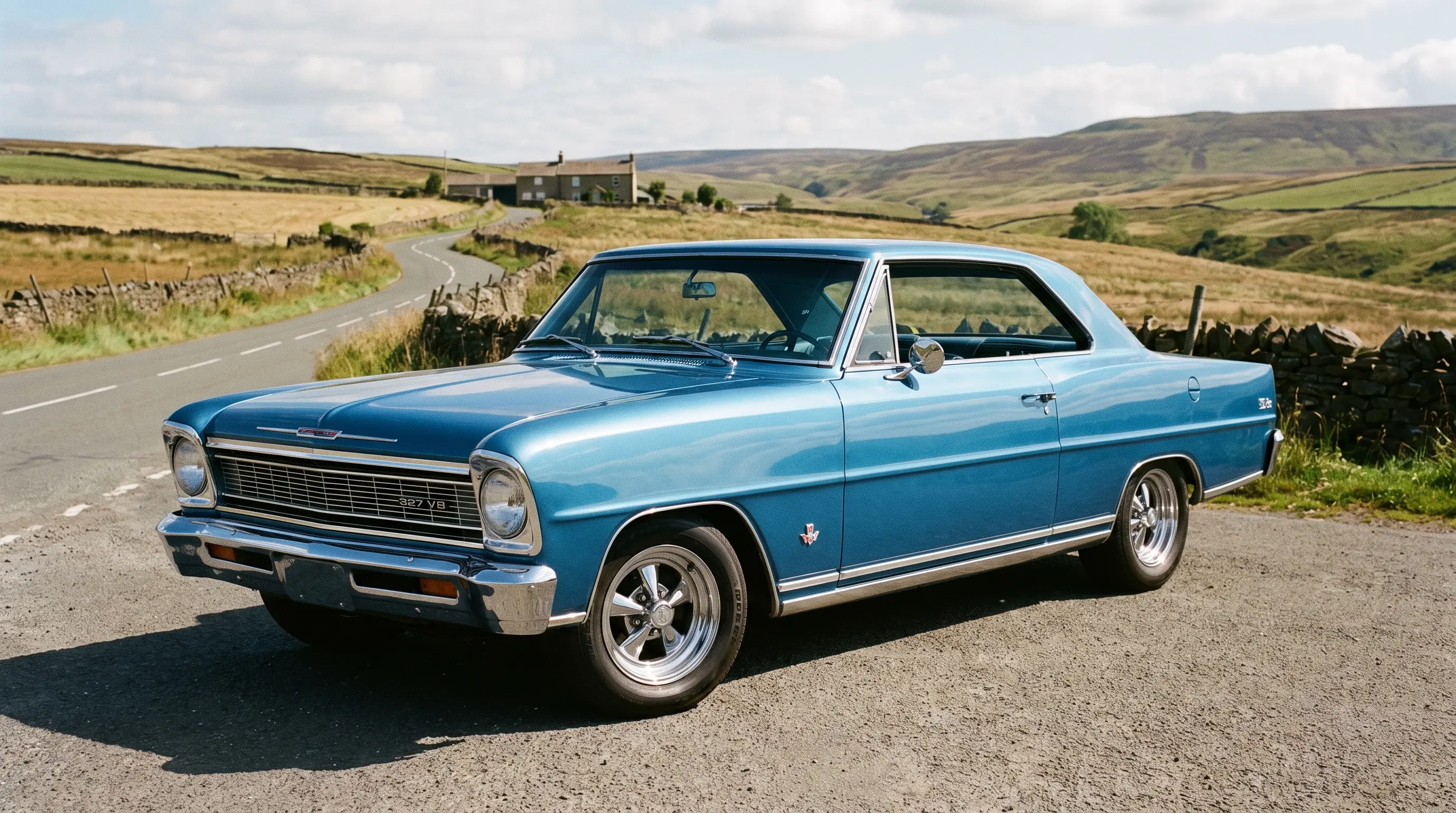
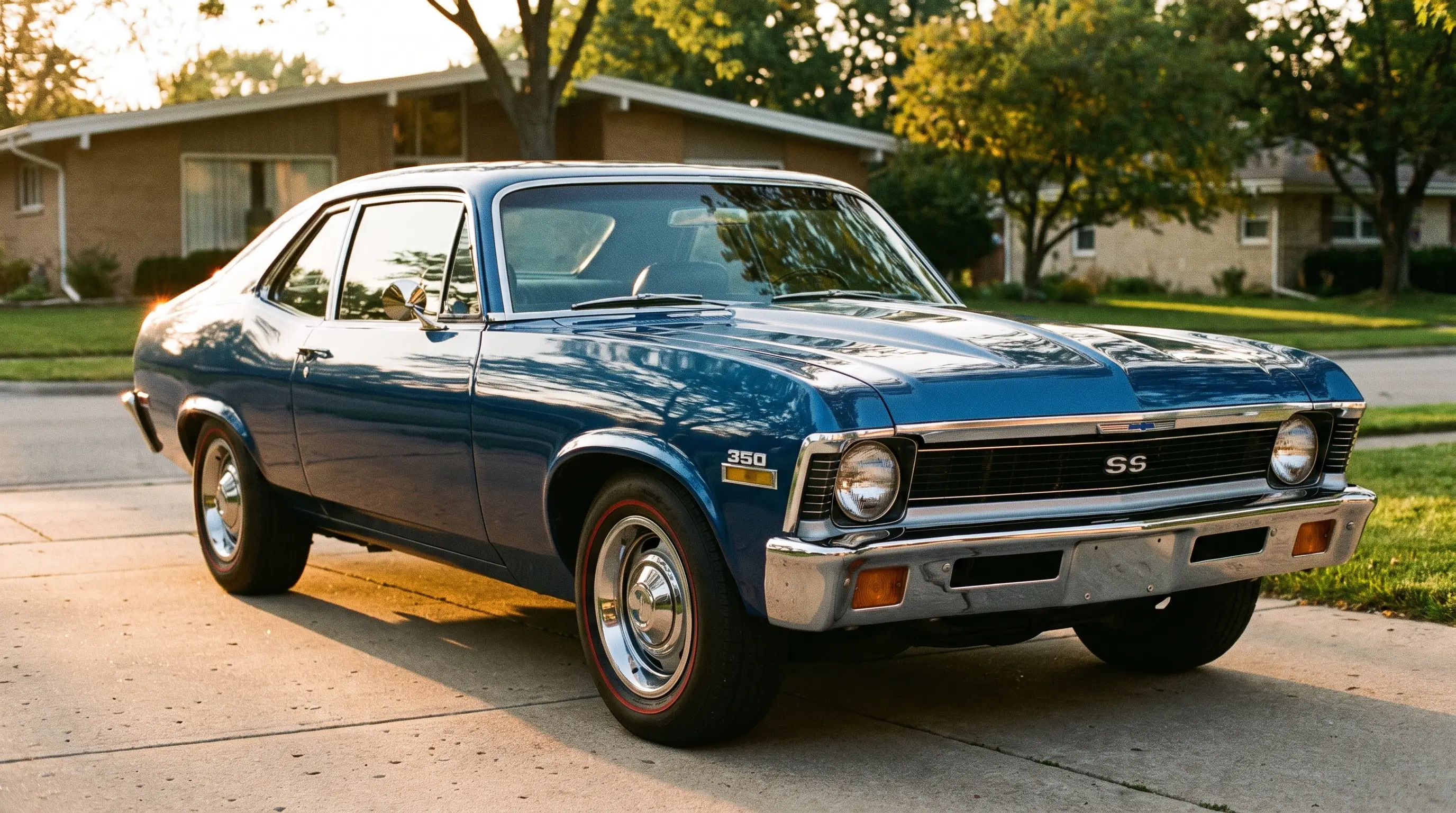
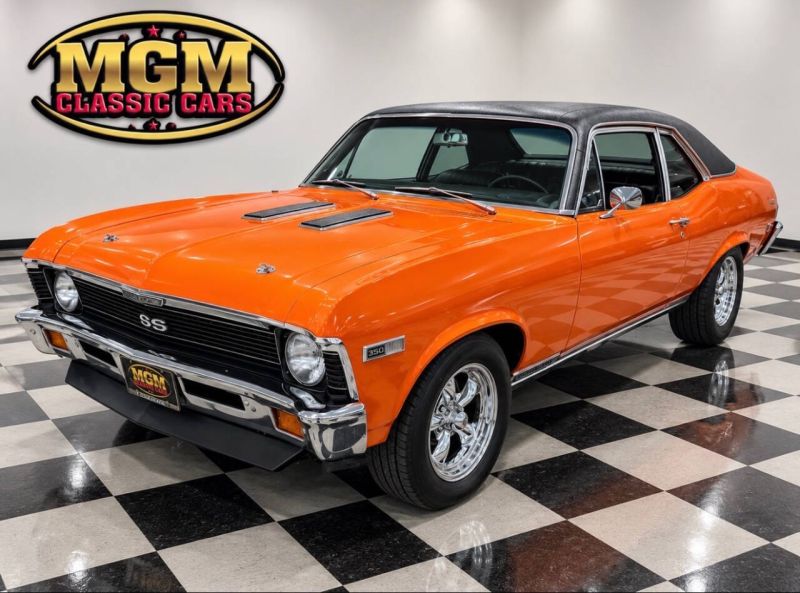
Chevrolet offered the L79 in the Chevy II Nova SS for the 1966 and 1967 model years, and it also showed up in the Chevelle and the Corvette during the same era. In the Nova, it was the top engine option on the order form, above the two-barrel 327 and well above the base six. Take rates on the L79 Nova were low. Most buyers who wanted a quick Chevy II in this period were still choosing the cheaper two-barrel engine, and the four-speed, solid-lifter L79 combination was a smaller slice of an already small production run. Chevrolet built 3,547 L79 Nova SS cars for 1966, and only a handful, around six, before the option was dropped for 1967.
That scarcity is exactly why the car matters now. A documented L79 Nova SS with the factory build sheet or a verified cowl tag is not a common find at a swap meet. Most of what shows up labeled "L79 Nova" today needs the paperwork checked before the number means anything.
Chevrolet paired the L79 almost exclusively with a Muncie four-speed manual in the Nova, and that combination is part of why the take rate stayed so low. A buyer had to want the solid-lifter engine, the manual gearbox, and the higher price all at once. Automatics were rare on L79 cars, and a documented L79 with a Powerglide is a genuine oddity rather than the standard combination most buyers should expect to find.
The numbers that matter
Here is what separates the L79 from the rest of the 327 lineup Chevrolet sold in the same catalog year.
| Spec | L79 327 | Base 2bbl 327 |
|---|---|---|
| Displacement | 327 cid | 327 cid |
| Horsepower | 350 hp @ 5,800 rpm | ~275 hp @ 4,800 rpm |
| Torque | 360 lb-ft @ 3,600 rpm | ~355 lb-ft @ 2,800 rpm |
| Compression | ~11.0:1 | ~10.0:1 |
| Camshaft | Solid lifter | Hydraulic lifter |
| Induction | Holley 4-barrel, aluminum intake | 2-barrel carburetor |
The gap on paper looks like seventy five horsepower. The gap in how the car actually drives is bigger than that number suggests, because the L79 wants rpm the base engine never asks for. That is the entire personality difference between the two cars.
What breaks, what holds up
Solid-lifter valvetrains need attention. Lash goes out of spec, and an owner who does not check it periodically ends up with a noisy top end and, eventually, valve damage from a lifter that is not doing its job. That is not a flaw specific to the L79, it is the tax every solid-lifter small block from this era charges. Beyond that, the L79 shares the durability profile of the rest of the small-block 327 family: rebuildable blocks, available parts, and a bottom end that holds up fine at the power level Chevrolet rated it for.
The bigger risk with any L79 Nova today is not mechanical, it is paperwork. Numbers-matching claims on a car this old need a documented trail, not a seller's word. Nova power explained lays out the full engine lineup for this generation, and it is worth reading before you trust an L79 badge on a car you have not had inspected.
Cooling is worth a second look too. The L79's higher state of tune runs warmer than the base 327, and a Nova that has not had its radiator serviced in a while can run hotter than an owner expects in stop and go traffic, exactly the driving the solid-lifter cam already dislikes. None of this is expensive to fix. It is expensive to ignore, because a small block that overheats repeatedly does not stay a numbers-matching engine for long.
"Seventy five horsepower on a spec sheet does not tell you why this engine matters. What tells you is that it wants to rev past five grand and the base 327 never asks you to go there. That is a different car, not a bigger number."
— Dan Reeves
Buying one today
A verified L79 Nova commands a real premium over an equivalent car with the base engine, and that gap has only widened as documentation has become the deciding factor in what these cars sell for. If the casting numbers, the cowl tag, and the paperwork line up, you are paying for genuine scarcity. If they do not line up, you are paying muscle-car money for a car that happens to have a 327 in it now, which is a very different purchase.
Budget for a compression and leakdown test before you sign anything, and get a mechanic who knows solid-lifter small blocks to listen to it running. Lash noise on cold start is normal. Lash noise that does not settle down is not. Ask for the tank sticker or the cowl tag decode before you negotiate on price, not after. A seller who has the paperwork ready will not mind the question, and one who gets defensive about it just told you something.
Insurance and registration on a genuine L79 car are no different than any other 1960s Nova, which keeps the ownership cost reasonable compared to a big-block equivalent. Where the L79 gets expensive is entirely at the point of purchase, not after. If you want to see how this engine fits into the rest of the Nova's power options across the decade, the next story in this set picks up where the L79 left off.