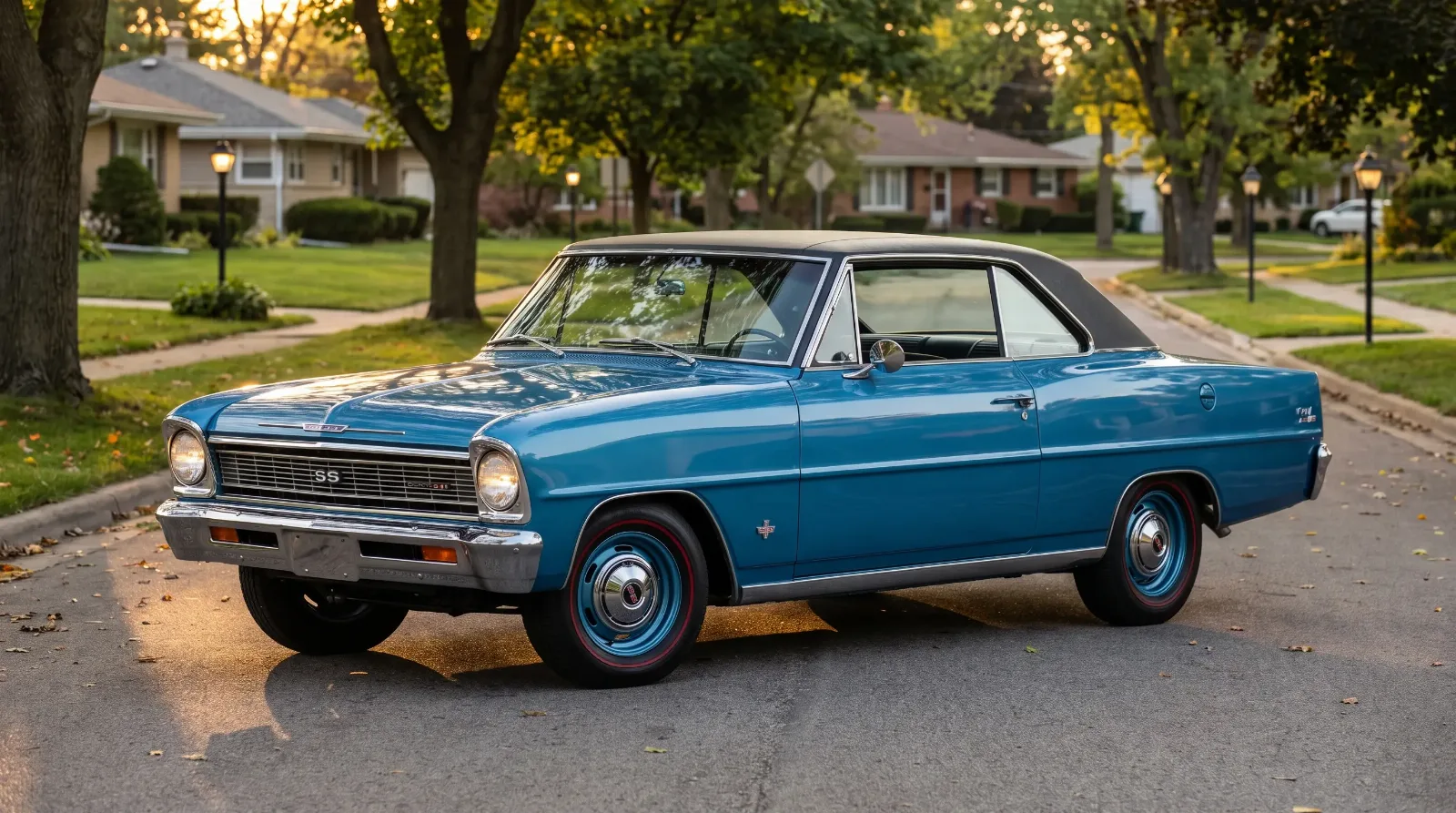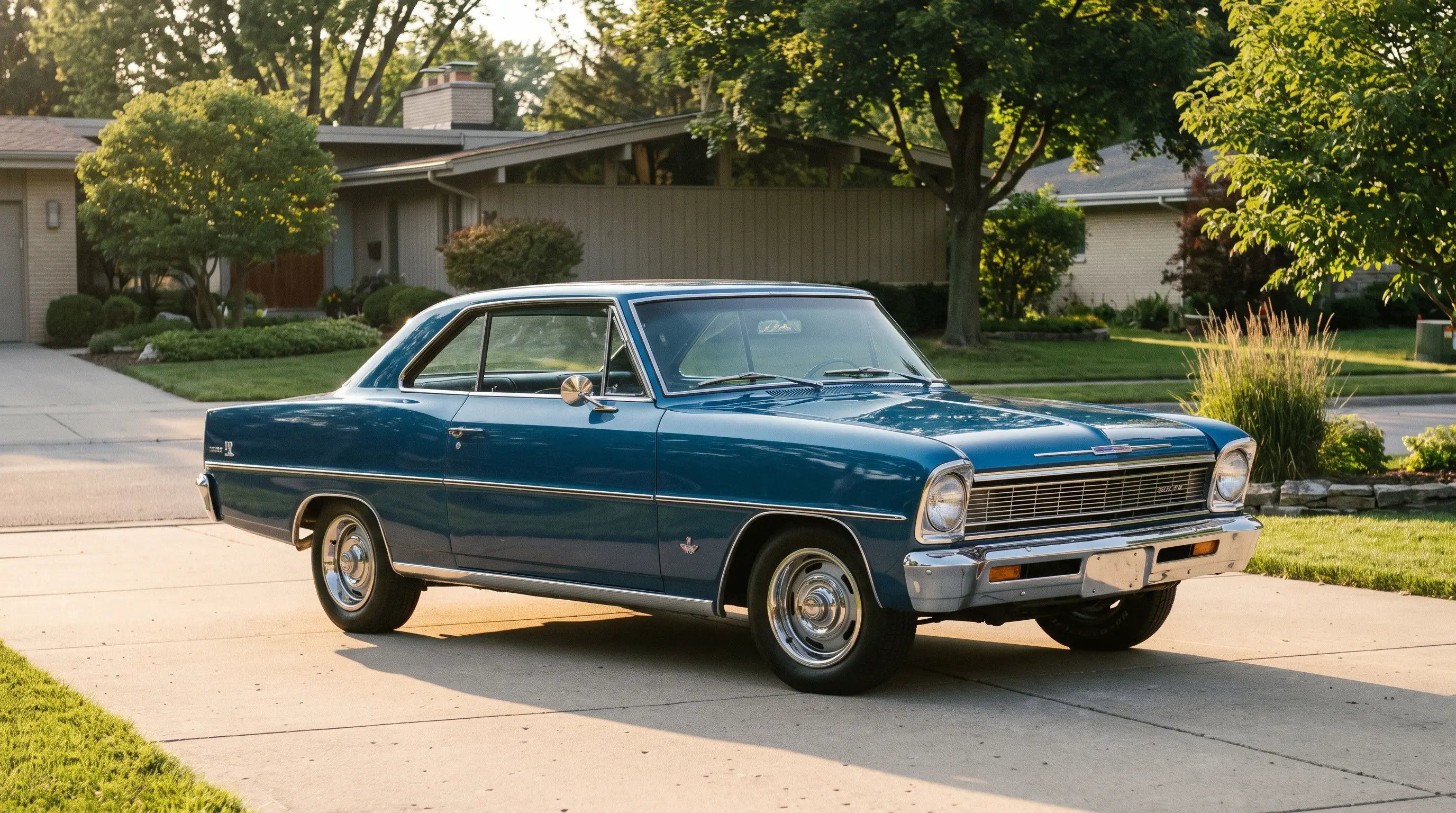
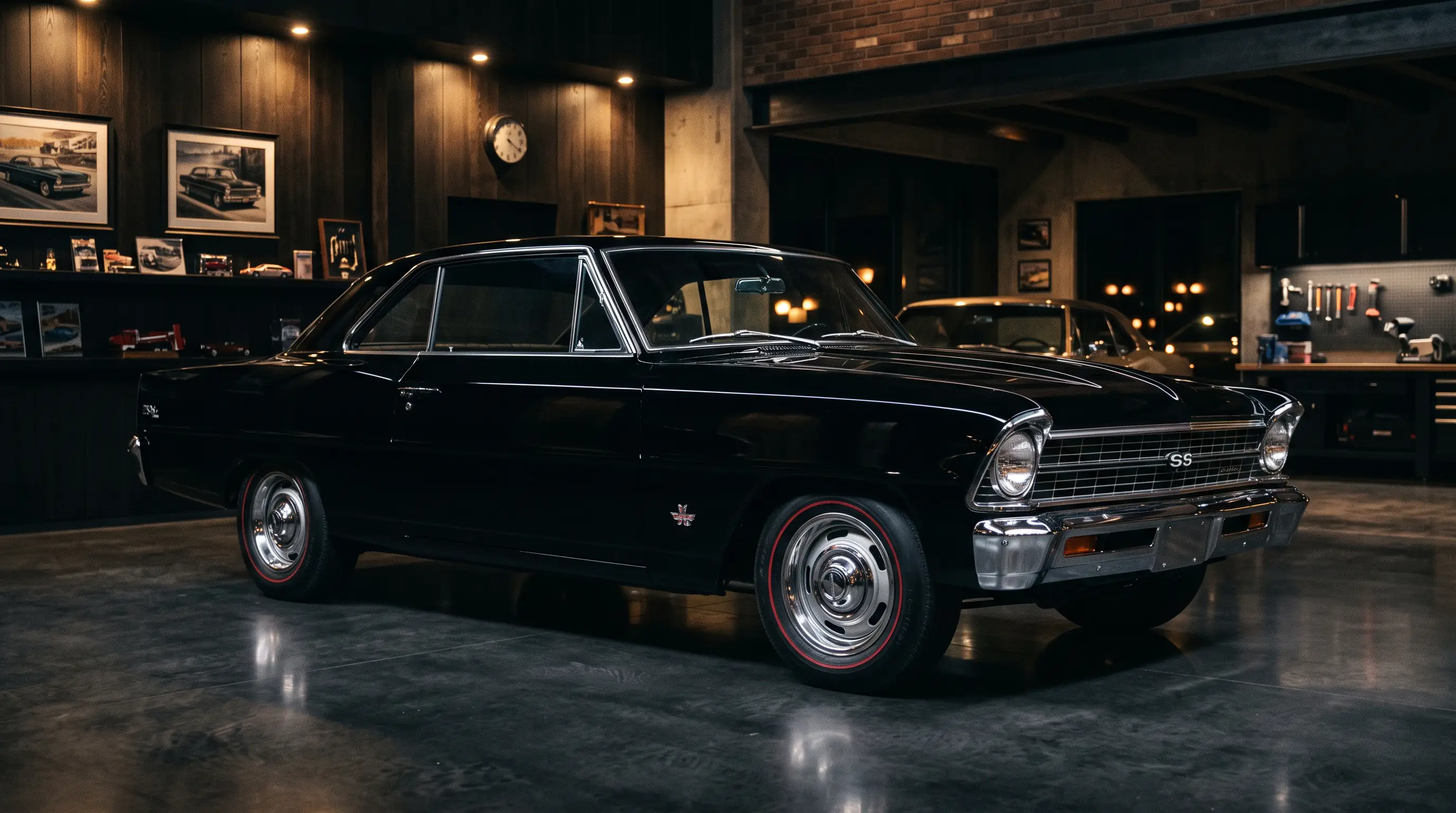
Ask a handful of serious collectors why they went after a clean 1966 or 1967 Chevy II Nova instead of a Chevelle or a Camaro from the same era, and the answer usually comes back to scarcity, not sentiment. The second-generation Nova, built for exactly two model years before Chevrolet redesigned the compact again for 1968, produced far fewer surviving well-documented cars than its bigger stablemates, and that narrow window is precisely what has pushed clean examples into serious collector territory.
I look at production records for a living, and the Gen2 Nova numbers tell a clear story: this was never Chevrolet's flagship performance car, so the cars that were optioned and driven hard mostly got used up, and the ones that survived in honest condition are a smaller pool than most buyers expect going in.
Why a two-year body style matters
Chevrolet's Chevy II line went through several distinct body generations across its production run, and the 1966-67 cars occupy a specific, short window between the boxier first-generation Chevy II and the longer, more heavily facelifted third-generation Nova that followed in 1968. Because Chevrolet only built this body style for two years, the total production run across both years is smaller than the multi-year runs that came before and after it, and that alone limits how many clean, unmolested cars exist today.
Collectors chasing the short-run Nova are not just buying a car, they are buying into a body style that Chevrolet effectively abandoned after two seasons in favor of a longer-wheelbase redesign. That kind of short production window is exactly the sort of detail that tends to get overlooked by buyers focused only on horsepower figures, and exactly the sort of detail that experienced collectors weigh heavily.
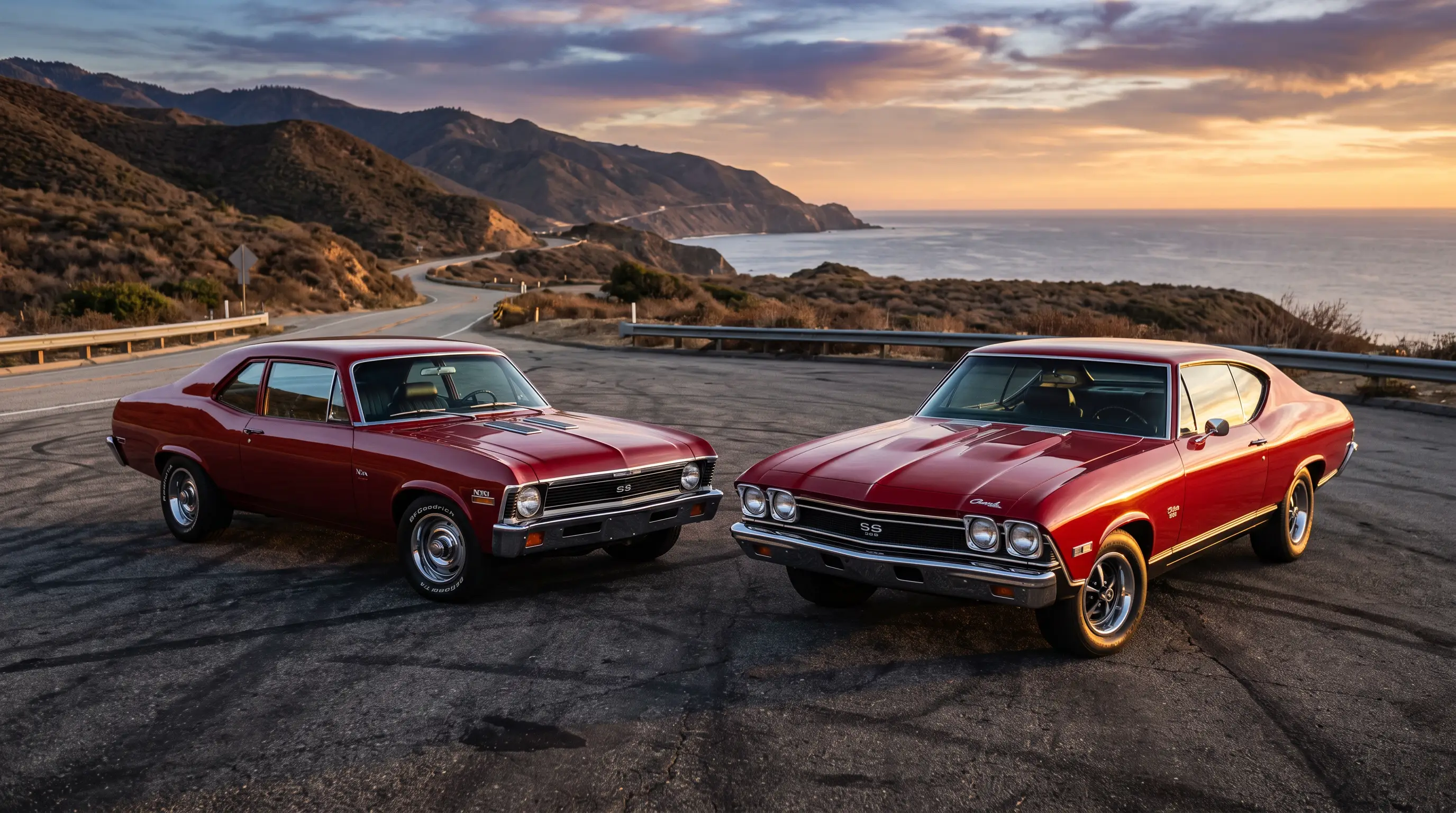
Compare that to the Chevelle, which ran its A-body design across several model years before a major update, or the first-generation Camaro, which had a longer run before its own redesign. Both of those cars accumulated a much larger surviving population simply because Chevrolet kept building them the same way for longer. The Gen2 Nova never had that luxury, and the collector market has slowly caught up to what that scarcity actually means for long-term value.
What actually drives desirability here
Three factors separate a merely nice Gen2 Nova from a genuinely sought-after one: documented drivetrain originality, an honest and traceable ownership or restoration history, and a body that has not been reshelled, reskinned, or heavily patched. None of those factors are unique to this generation, but they matter more here because the smaller production numbers mean fewer donor cars exist to source correct sheetmetal and trim from when a restoration goes sideways.
A numbers-matching V8 car, particularly one built with the higher-output 327, commands a real premium over a comparable six-cylinder car, and that gap has widened as more buyers have come to understand how few Gen2 cars left the factory with the stronger drivetrain. Published production breakdowns between six-cylinder and V8 Gen2 cars vary by source, and Chevrolet never released a clean official split, so I would rather flag that than repeat an exact percentage I cannot fully stand behind. What is not in dispute is that the inline six outsold the V8 across the Chevy II 100 and regular Nova series in this era, which is exactly why a documented, numbers-matching V8 car draws the premium it does.
| Factor | Why it matters on a Gen2 car |
|---|---|
| Drivetrain originality | Fewer donor cars exist to correctly replace a swapped engine or transmission |
| Body integrity | Reproduction sheetmetal for this specific two-year body is thinner in supply than for later generations |
| Documented history | A traceable ownership chain matters more when the surviving population is already small |
| Trim tag accuracy | Confirms color, body style, and options as built, which collectors now check routinely |
The restoration parts problem
Because the second-generation body was only produced for two years, the aftermarket support for reproduction panels, trim, and interior pieces has historically lagged behind what exists for the first-generation Chevy II or the third-generation Nova that followed it. That gap has closed somewhat as demand has grown, but a buyer evaluating a project car still needs to price in the reality that some trim pieces and body panels are harder to source correctly than they would be for a more common model year.
This is one of the quieter reasons prices on clean, already-restored Gen2 cars have climbed relative to project cars in rough shape. The math on a full restoration, once you account for parts sourcing time and cost, often favors buying a car that is already finished correctly over trying to build one from a rough shell.
What this means for a buyer today
If you are shopping this generation with collectibility in mind rather than just a driver, treat the two-year production window as the central fact of the car, not a footnote. It shapes everything else: how many correct examples exist, how hard the parts search will be if you need one, and why a well-documented, numbers-matching car tends to hold its value against comparable Chevelles and early Camaros from the same factory years.
Set a realistic budget before you start looking, and split it clearly between purchase price and restoration reserve. A rough shell priced low can still end up costing more than a finished car once you account for the parts hunt, and on a two-year body style, that hunt takes longer than most buyers plan for. Talk to a marque-specific parts supplier before you buy a project, not after, so you know what is actually available and what you would be waiting on.
For a fuller picture of where values sit today and how the market has treated this generation over the past several years, keep reading the series, which puts the Gen2 Nova directly alongside one of its closest factory relatives from the same period.
"People assume rarity always means value, and that is not automatically true in this hobby. But when rarity comes with a documented drivetrain and an honest body, that is when a Gen2 Nova starts pulling real money against cars people assume should be worth more."
— Tom Ramirez