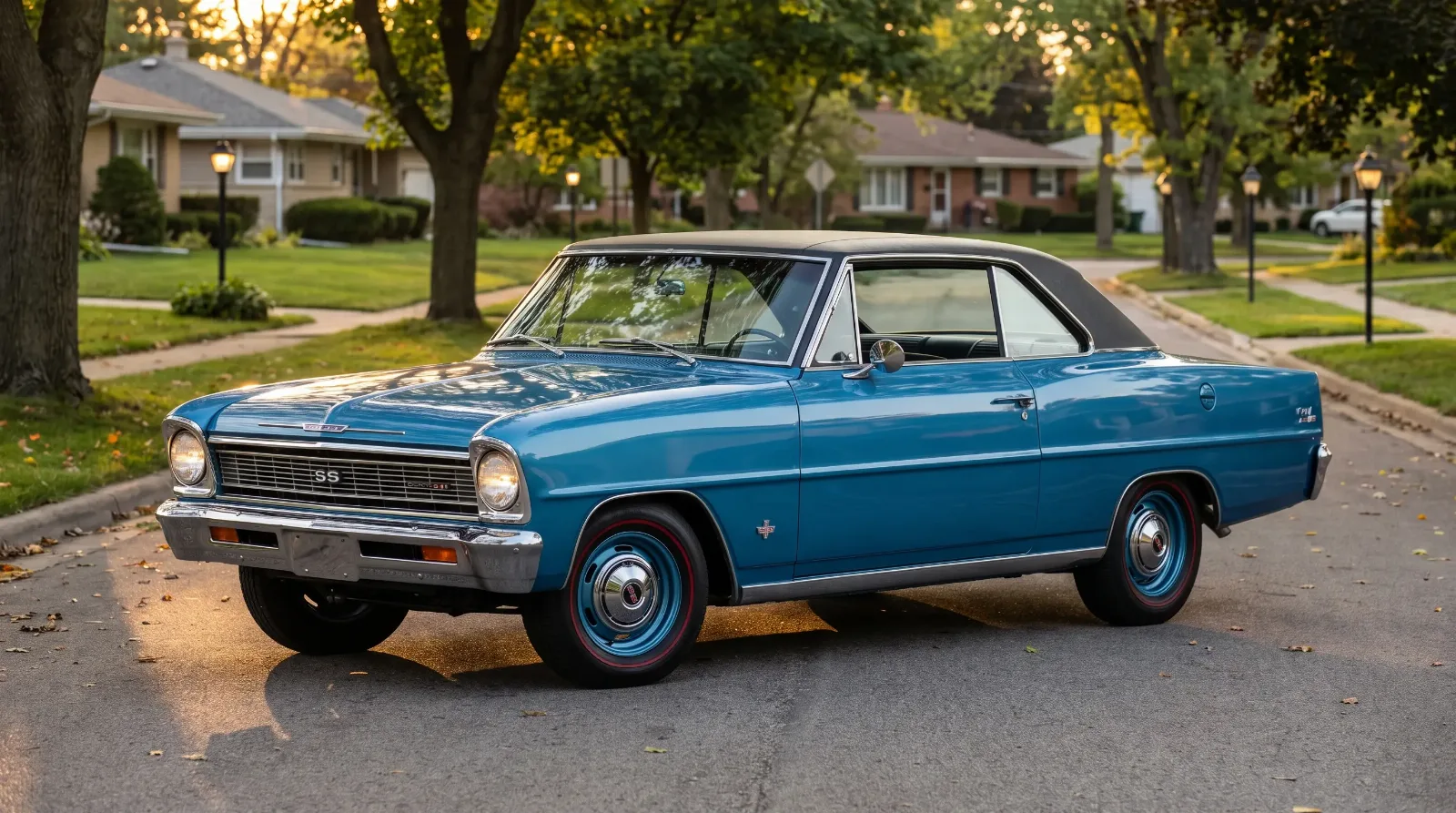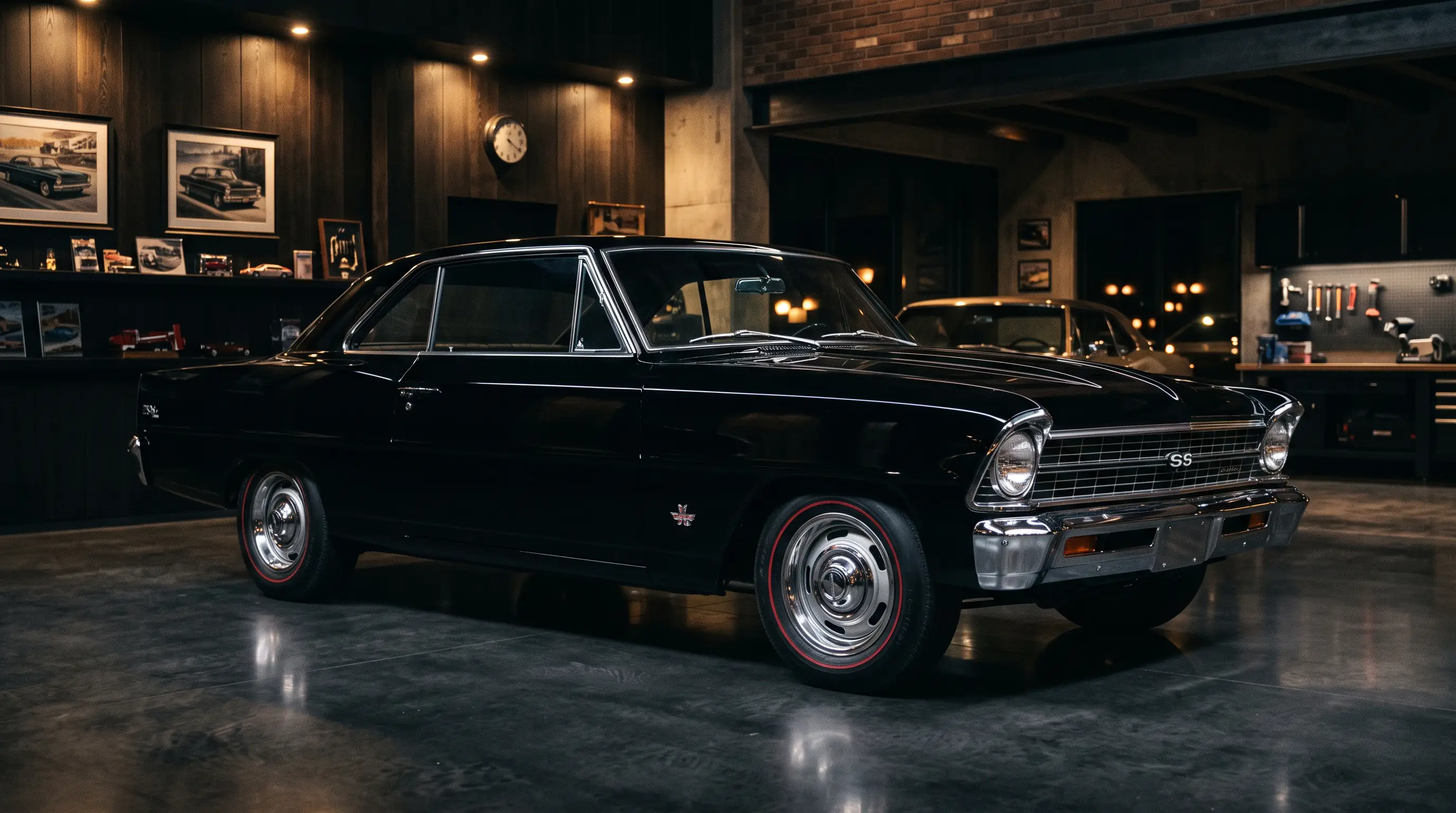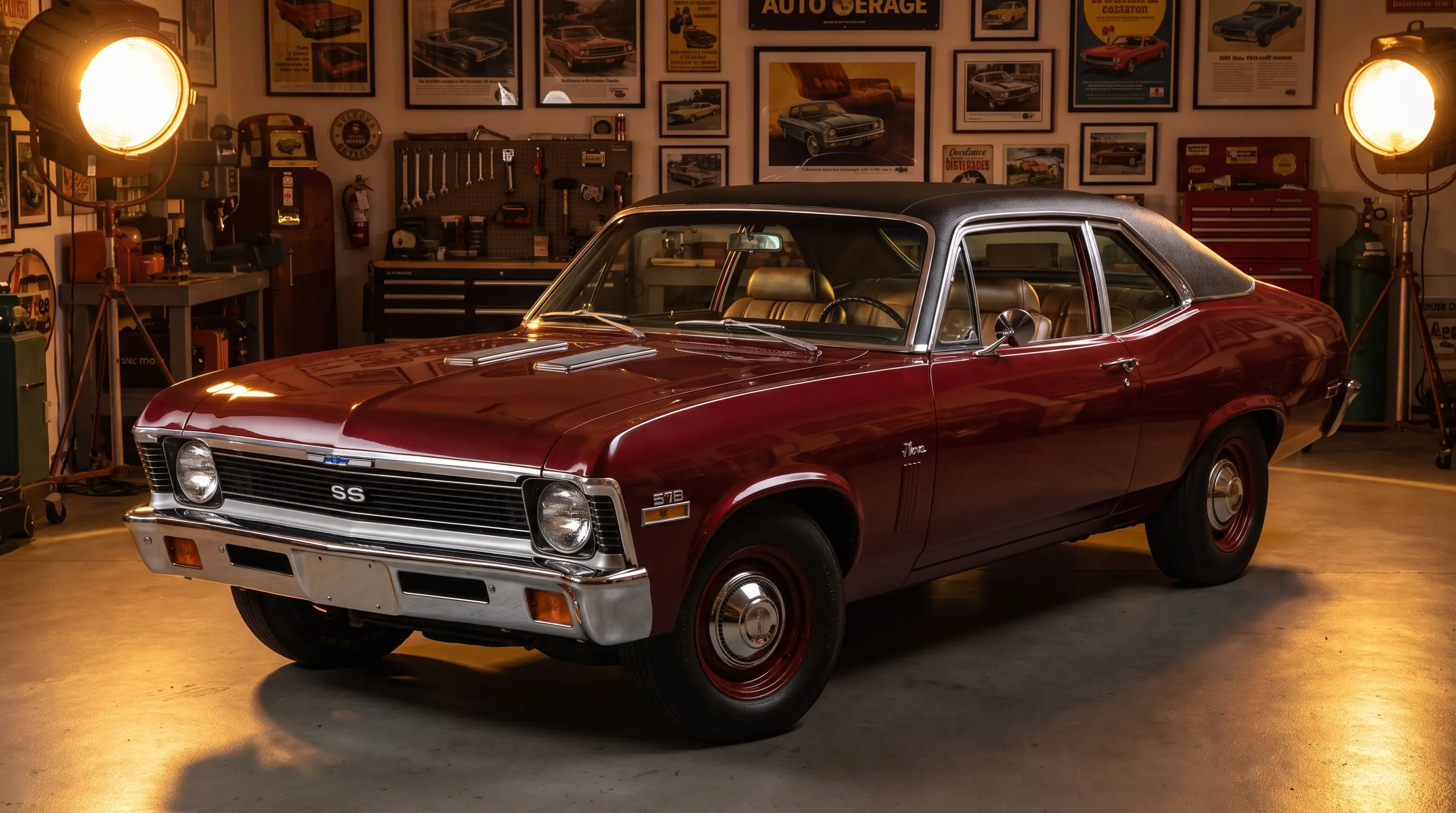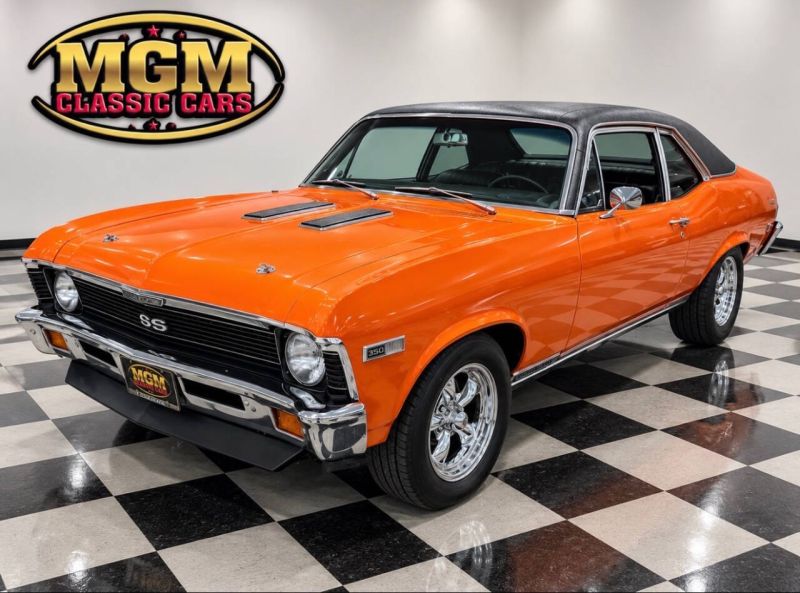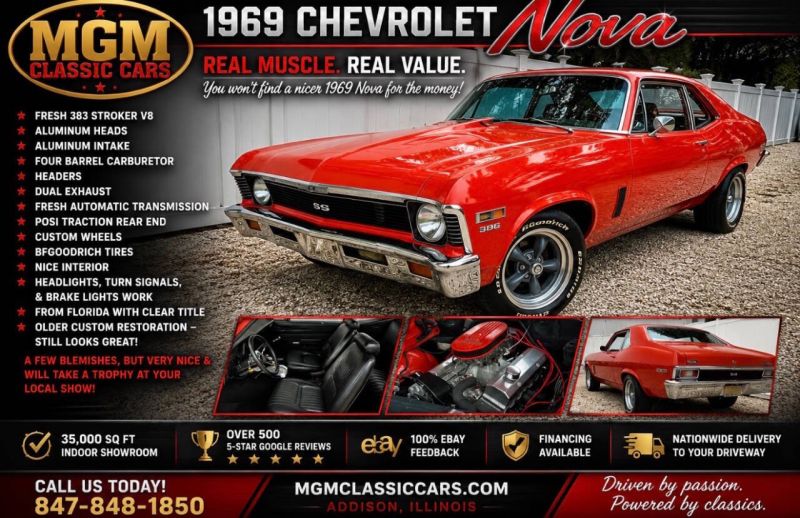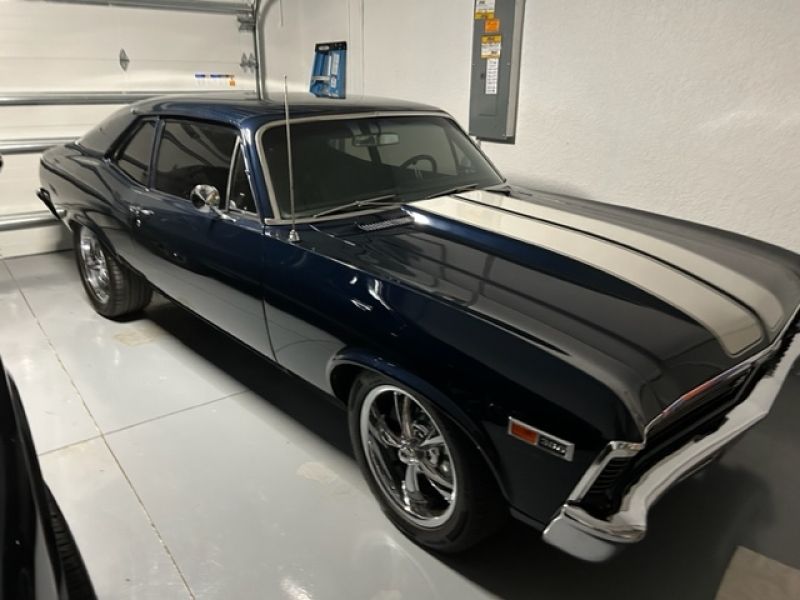
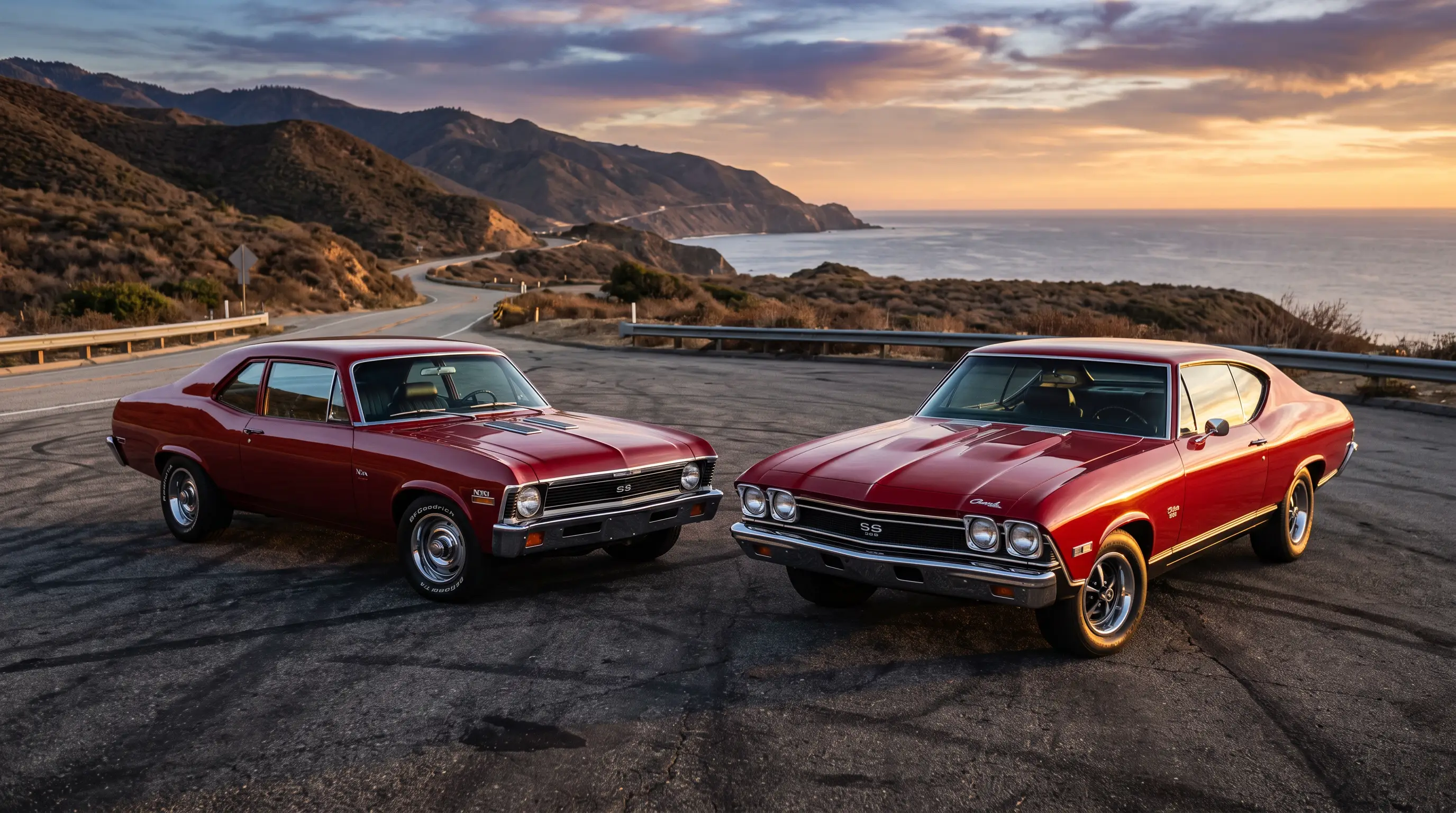
Put the same 327 cubic inch L79 engine in two different Chevrolet bodies and you get two different cars, even though the paperwork under the hood reads almost identically. That is the situation Chevrolet buyers faced in the mid-1960s when the L79, rated at 350 horsepower, was offered as an option across more than one line, including the Chevy II Nova and the Chevelle. Comparing a Nova vs Chevelle L79 build is really a lesson in what a lighter body does with the same power, and it is a comparison that still comes up whenever collectors argue about which of Chevrolet's mid-sixties performance compacts and intermediates actually drove better.
I work from factory documentation more than folklore, and the L79 story across these two platforms is a good example of why the same RPO code does not mean the same car.
The L79 itself
The L79 327 was Chevrolet's hot small-block option in the mid-1960s, built with a solid-lifter cam, a four-barrel carburetor, and a compression ratio high enough to require premium fuel, all rated at 350 horsepower. It sat above the standard 275 horsepower 327 offered in the same era, and it became one of the more sought-after factory options across every Chevrolet model that offered it, precisely because it delivered genuine performance without requiring a buyer to step up to a big-block. The availability windows differed between the two cars: the Chevelle got the L79 first, in 1965, rated at the full 350 horsepower, then Chevrolet dropped it from the Chevelle order sheet in 1966 so it wouldn't compete with the new SS396, before bringing it back for 1967 and 1968 at a reduced 325-horsepower rating. The Nova got the L79 in 1966 as an official catalog option at the full 350 horsepower, with roughly 5,481 built that year; for 1967 Chevrolet officially deleted it from the Chevy II lineup, though a small handful of cars, believed to number around six, still left the factory with a lower-rated 325-horsepower version.
What matters for this comparison is simpler and better documented: the same basic engine, in roughly the same state of tune, found its way into both the second-gen Nova and the Chevelle during overlapping model years, which gives buyers today a genuine apples-to-apples engine comparison across two very different bodies.
Weight is where the story splits
The Chevy II Nova was built on a smaller, lighter unibody platform than the Chevelle, which rode on a full body-on-frame intermediate chassis. That difference in construction and overall size translates directly into curb weight, and a Nova carrying the L79 was meaningfully lighter than a Chevelle carrying the identical engine and a comparable transmission. Less weight behind the same horsepower figure means a better power-to-weight ratio, and power-to-weight is what actually determines how a car accelerates, not the horsepower number printed on the option sheet by itself.
Period road tests back that up. Car Life tested a 1966 Nova SS hardtop with the L79 and a four-speed at a 3,530-pound test weight and ran the quarter-mile in 15.1 seconds at 93 mph, while a separate Motor Trend test of a Nova SS 327 recorded a curb weight of just 3,040 pounds. A 1965 Chevelle SS with the same L79 327, a four-speed, and 3.70 rear gears ran 0-60 in 7.6 seconds and covered the quarter-mile in 16.0 seconds at 90 mph, with better-geared cars getting into the high 14s. Test weights and gearing varied enough between magazines that the exact numbers shouldn't be treated as gospel, but the directional point is well established: enthusiasts who cross-shopped these two cars new consistently noted the Nova's quicker feel with the same drivetrain underneath it.
Suspension geometry and tire width played into that feel too. Both cars ran a fairly conventional front subframe and rear leaf spring layout for the era, but the way that hardware was tuned differed between a compact and an intermediate application. A Nova with the L79 was never marketed as a handling car in the way later performance compacts would be, but the shorter wheelbase and lighter nose gave it a noticeably different character behind the wheel than the same drivetrain in a longer, heavier Chevelle, even before either car got out of second gear.
| Factor | Nova (L79) | Chevelle (L79) |
|---|---|---|
| Platform | Compact unibody | Intermediate body-on-frame |
| Relative curb weight | Lighter | Heavier |
| Engine | 327 L79, 350 hp | 327 L79, 350 hp |
| Interior and trunk room | Tighter | Roomier |
| Collector supply today | Scarcer, shorter production run | More surviving cars overall |
Why the Chevelle still outsold the Nova version
Despite the Nova's weight advantage, the Chevelle was the bigger seller and remains the more common car to find with an L79 today, largely because it was Chevrolet's mainstream intermediate and carried a broader range of buyers who wanted more interior space and a longer list of comfort and trim options. The Nova SS with an L79 was a smaller-volume proposition from the start, aimed at a buyer who wanted the quickest car Chevrolet's compact line offered rather than the roomiest.
That production gap is part of why a documented L79 Nova commands real attention from collectors today. It was never the volume seller, and the two-year window of the second-generation body narrows the surviving population even further, which keeps demand ahead of supply for genuine, numbers-matching examples.
What this means for a buyer choosing between them
If straight-line quickness with the same drivetrain is the priority, the lighter Nova has the edge on paper, and most period accounts back that up. If daily usability, interior room, and a deeper pool of parts and comparable cars matter more, the Chevelle is still the easier car to live with and to source. Neither answer is wrong, and plenty of collectors end up owning one of each rather than treating it as a single decision.
Documentation matters more here than in most comparisons, because the same engine option appearing across two different bodies means a suspiciously perfect L79 Nova deserves the same scrutiny as any other high-demand factory option car. Confirm the RPO code against the trim tag, check the block casting date and casting number against the build date, and be skeptical of a car with no paper trail at all, regardless of which body it came in.
For a closer look at where Gen2 Nova values sit specifically, independent of this comparison, a companion piece breaks down what documented cars are actually trading for in today's market.
"People love to argue Nova versus Chevelle like it is a simple question. It isn't. Same engine, same rough era, completely different car to drive, and completely different car to own twenty years later. The tag and the build sheet tell you which one you actually have."
— Tom Ramirez