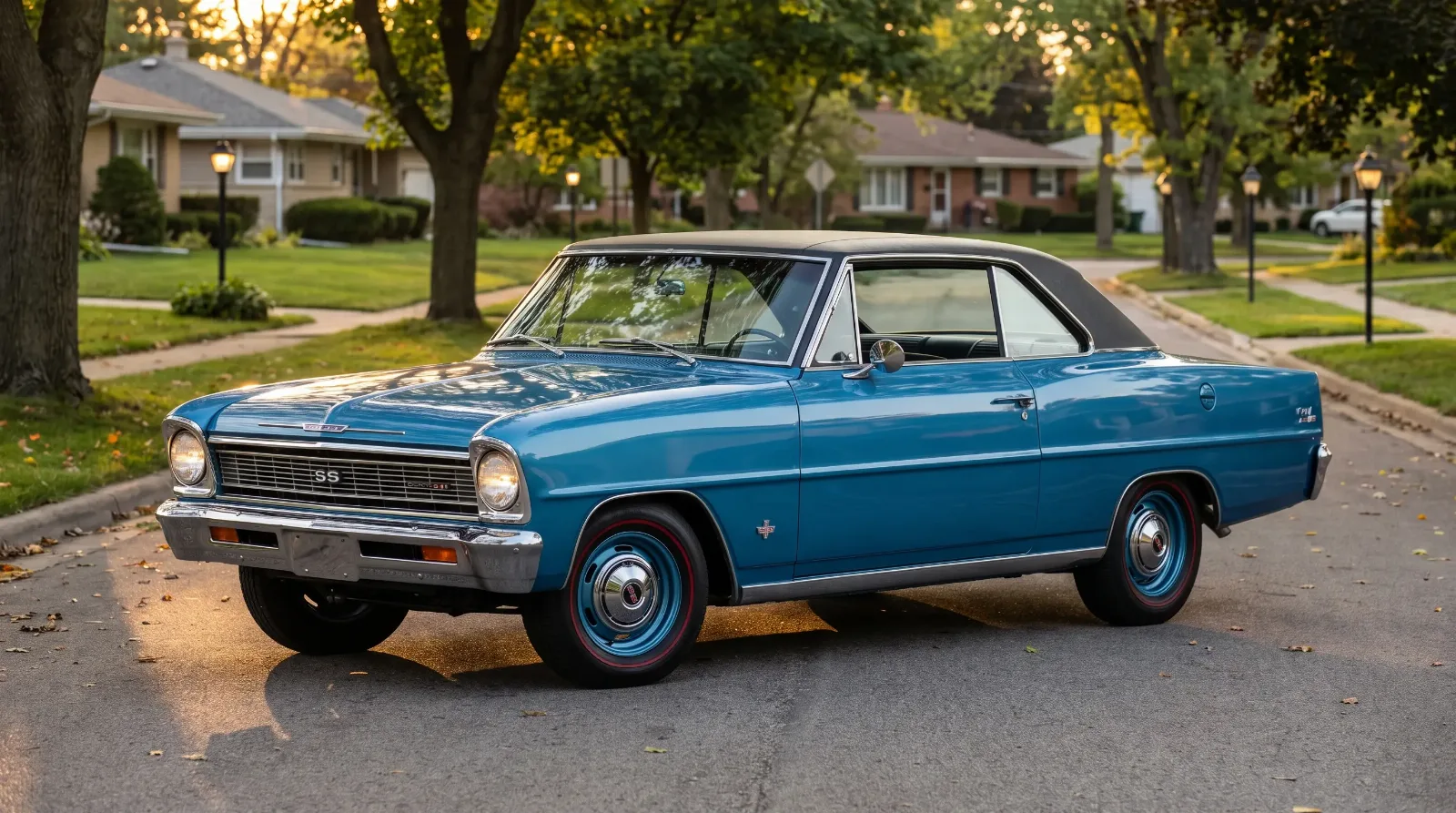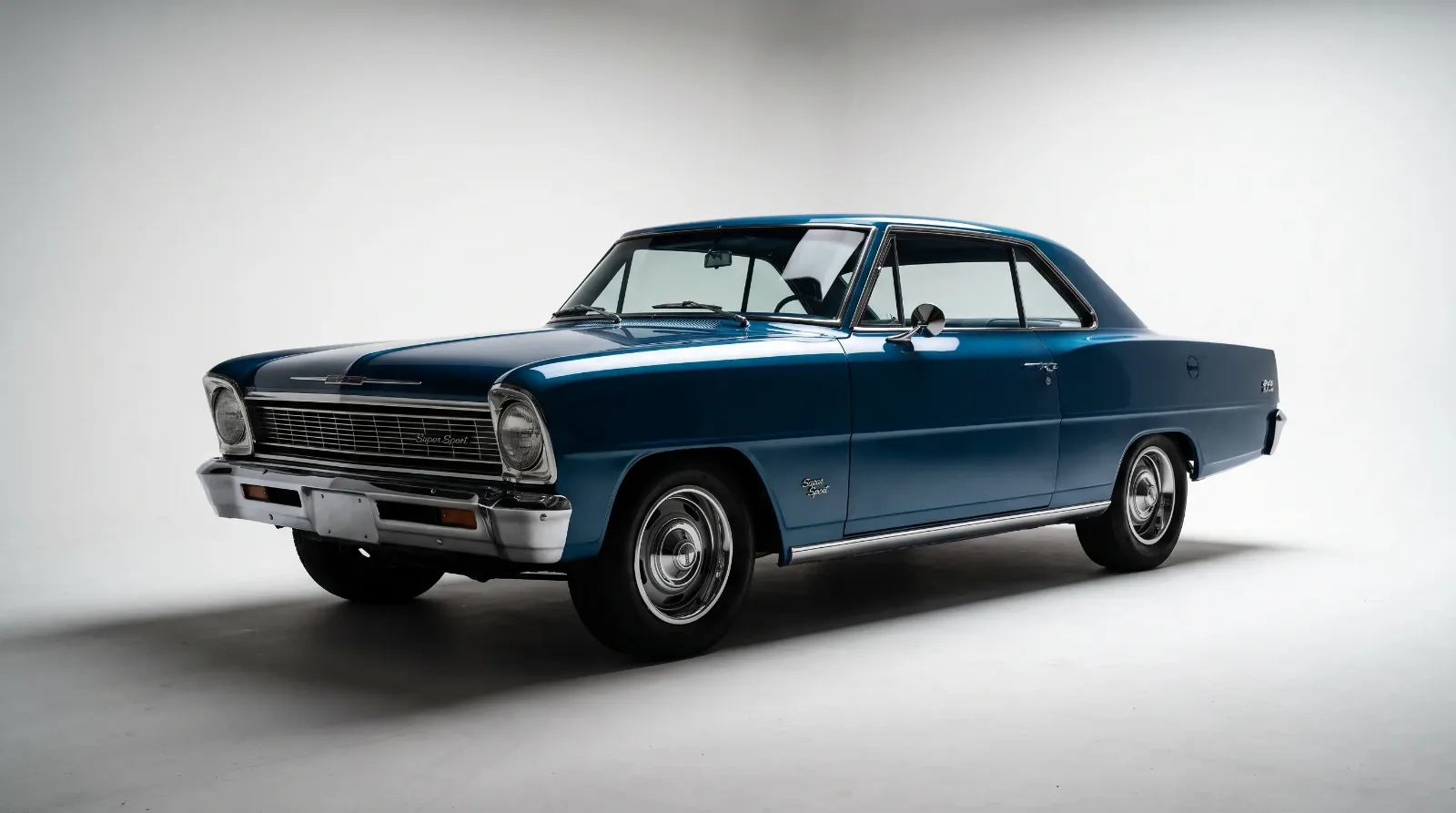
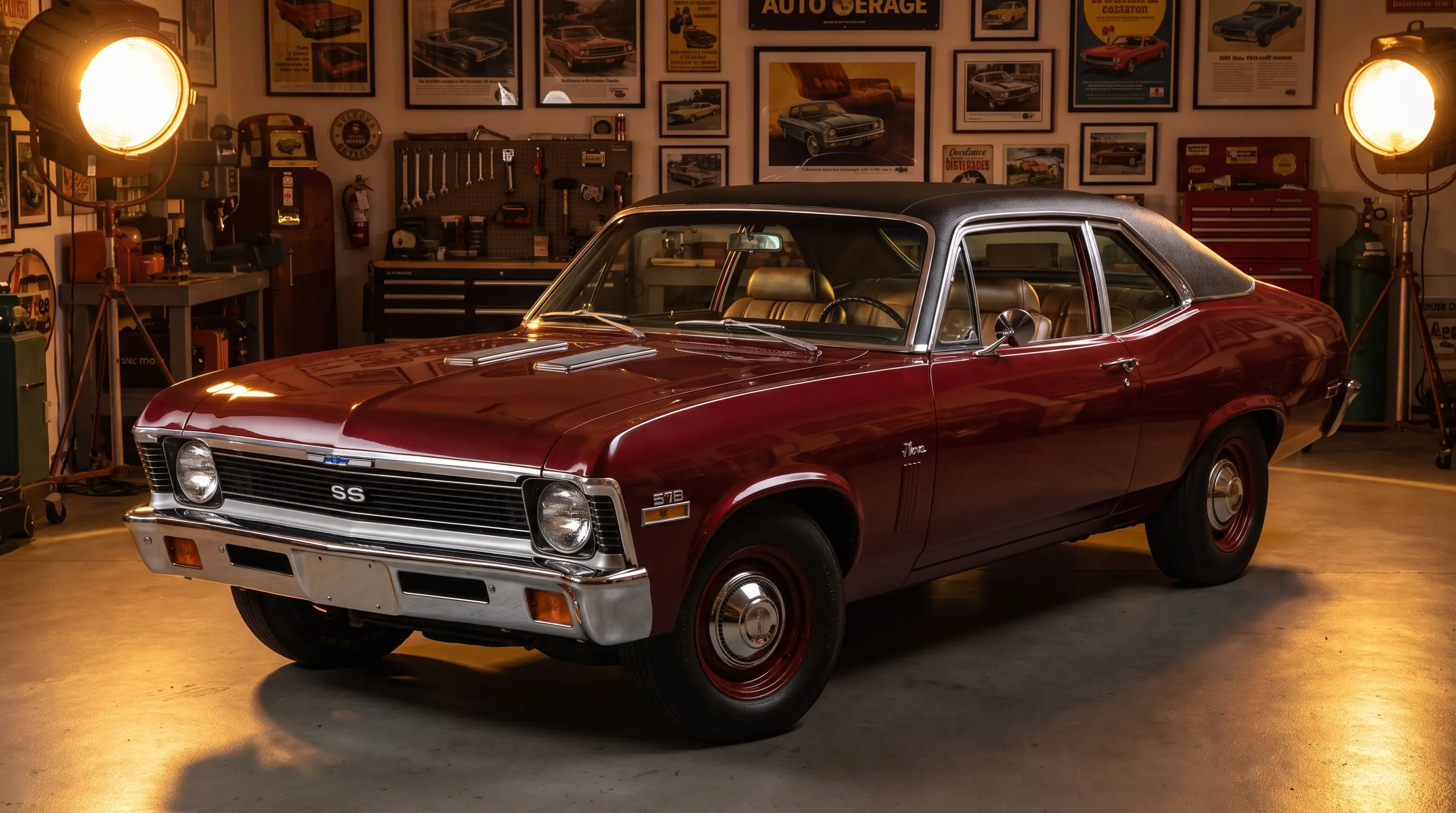
There is a guy at every Chevy club meet who bought his Nova for less than a used pickup truck back in the nineties and now will not stop mentioning what the last comparable car sold for. Everybody laughs, but he is not wrong to bring it up. The short-run 1966-67 Chevy II Nova has quietly become one of those cars where the nova gen2 value conversation has shifted more in the last several years than most owners expected, and the club circuit has watched it happen in real time, one auction result and one restored car at a time.
I have sat through enough of these arguments at swap meets and club dinners to know the difference between a good story and a documented number. Both matter here, but only one settles a disagreement.
Why this generation moved differently
The second-generation Nova only existed for two model years before Chevrolet moved to a longer, redesigned body for 1968, and that short window has become the whole reason values have behaved the way they have. Fewer cars were built across those two years than across the multi-year runs on either side of it, and the surviving pool of documented, unmolested examples is smaller still. When collectors started paying closer attention to the short-run Nova as its own distinct chapter rather than a footnote between two more famous generations, the demand for genuine, well-documented cars started outpacing what the market had been used to seeing.
Club regulars who have owned these cars for decades will tell you they watched this happen slowly. A car that would have sat at a swap meet for a full weekend fifteen years ago now gets circled by three or four serious buyers before lunch, especially if the seller has the trim tag paperwork and a build sheet to back up the claims.
What actually separates the price tiers
Ask around any club gathering and you will hear the same three things come up before anyone mentions a dollar figure: is the drivetrain original to the car, is the body straight and free of hidden rust repair, and does the paperwork actually match what the seller is telling you. Cars that check all three tend to sit in a different price bracket entirely from cars that check none of them, even when the two look nearly identical parked side by side.
Recent public auction results give a rough feel for the spread: documented Gen2 Nova SS cars have traded anywhere from the mid five figures for a solid #3-condition driver up past six figures for a concours-level, numbers-matching L79 car, with one widely reported 1967 Nova SS sale reaching well into six figures at a 2025 auction. Those numbers move around a lot by drivetrain, body style, and documentation, and a single figure would misrepresent how wide that range actually is. What the club consensus agrees on, without needing an exact number, is the direction: honestly documented cars have pulled further ahead of undocumented ones over the past several years, not closer together.
Body style plays into this too, though it gets less attention than engine and documentation. A convertible in solid, honest condition sits above a comparable hardtop in most club estimations, simply because fewer convertibles were built and fewer still survived without a top-up conversion or a full rust repair somewhere along the way. Six-cylinder cars, even documented ones, still trail V8 cars by a wide margin, which surprises newer buyers who assume a clean six-cylinder car should track closer to its V8 counterpart than it actually does.
| Condition tier | What defines it | General price direction |
|---|---|---|
| Documented, numbers-matching | Trim tag, build sheet, and drivetrain all confirmed original | Commands the clearest premium |
| Solid driver, undocumented | Good condition but no paper trail confirming originality | Sells for meaningfully less than a documented twin |
| Project or partial car | Needs restoration, may be missing correct parts | Priced on parts and labor math, not sentiment |
The story that settles most arguments
Everybody at the club has a theory about which color, which engine, or which options make a Gen2 Nova worth the most, and most of those theories are half right at best. The argument usually ends the same way: somebody pulls out the trim tag or the build sheet, and the bench racing stops. It is not the story that decides the value, it is the paperwork behind it, and the members who have been collecting the longest are the ones who learned that lesson the hard way, usually after paying too much for a car whose history turned out to be more legend than fact.
Where the market seems to be heading
Nobody at a club meeting can promise where prices go next, and anyone who tells you otherwise is selling something. But the pattern the last several years have shown is consistent: the gap between documented and undocumented cars keeps widening, and buyers are increasingly willing to pay for paperwork rather than promises. That trend lines up with what happened to this platform's own predecessor, and a companion piece on the 1966 redesign itself walks through how this body came to exist in the first place.
For anyone sitting on a documented Gen2 car, or hunting for one, the advice from the club floor has not changed in years: buy the paperwork as much as the paint, and be patient enough to wait for a car that actually has both. Selling too fast off a single strong offer has burned more than one member who later watched a comparable car bring more once the buyer pool caught up to where the documented cars actually sit.
"Everybody at the club had a theory about that Nova until somebody pulled the trim tag and the build sheet, and just like that, the bench racing was over."
— Wayne Coburn
Sources and notes
- Chevrolet Nova SS 2nd Gen (1966-1967) Market Data (Classic.com)
- Chevrolet Chevy II/Nova 2nd Gen Market (Classic.com)
- Prices for the 1962-67 Chevy II Nova Are on a Slow Burn (Hagerty Media)
- 1966-1967 Chevrolet Nova SS (2nd Gen) Guide and Specs (Moto Gallery)
- 1966 Chevrolet Nova SS, Real L79 Chevy II (Old Town Automobile)
- Nova Rear Axle Codes (NovaResource)