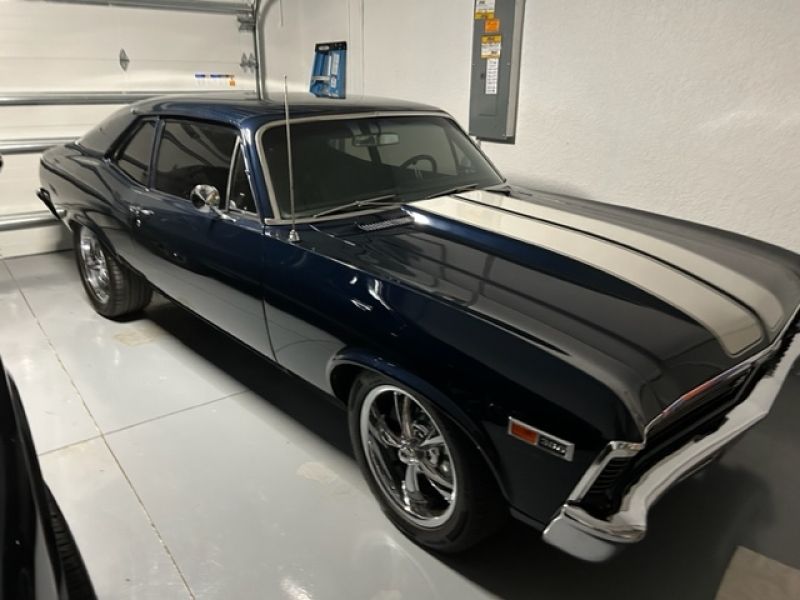
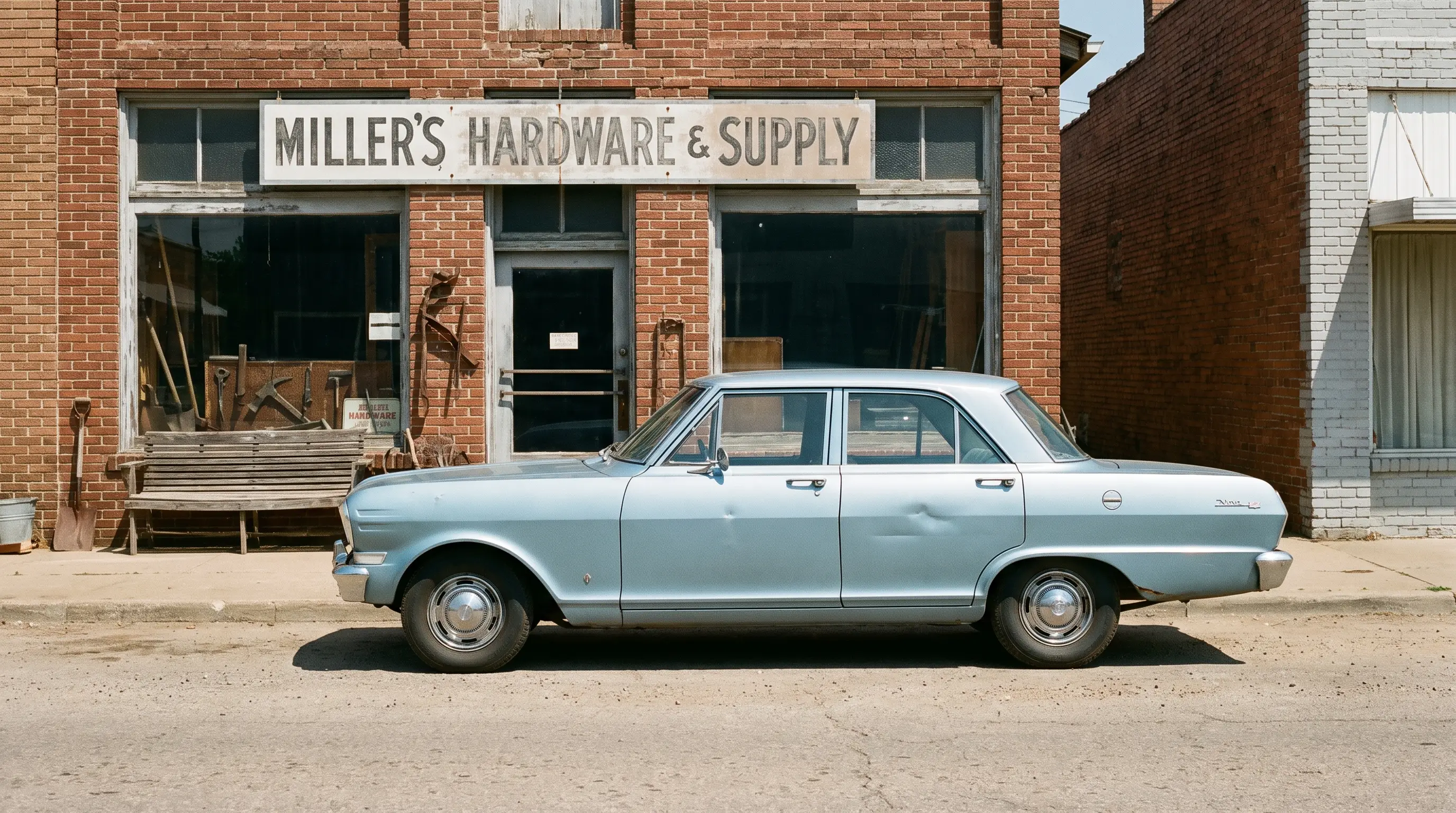
The chevy nova inline 6 is the engine most Nova buyers actually drove, not the one they brag about at car shows. Chevrolet built more Chevy II and Nova sixes than small-block V8s through most of the 1960s and 70s, and the numbers back that up. Three different sixes wore the Nova's fender badges over the years: the 194, the 230, and the 250. Each one earns its own paragraph here, because they are not interchangeable stories, and this piece fills in the six-cylinder detail that the Nova engine story only has room to summarize.
Three sixes, one small car
Chevy II launched in 1962 with a 153 cubic inch four as the base engine and a 194 cubic inch six as the step-up option. The six cost more, weighed more, and made more sense for anyone hauling a family instead of chasing a stoplight. By 1968 the four was gone from most trim levels and the six had become the default engine in the car. That is not a footnote. That is the actual sales history.
Three sixes, one basic architecture. Cast iron block, cast iron head, seven main bearings on later versions, a single-barrel or two-barrel carburetor depending on year and trim. Nothing exotic. That was the point.
| Engine | Years in Nova/Chevy II | Bore x Stroke | Gross HP (peak) |
|---|---|---|---|
| 194 cid Turbo-Thrift | 1962-1967 | 3.5625 x 3.25 in | 120 hp |
| 230 cid Turbo-Thrift | 1964-1970 | 3.875 x 3.25 in | 155 hp early, down to around 140 hp by decade's end |
| 250 cid Turbo-Thrift | 1966-1979 | 3.875 x 3.53 in | 155 hp gross, later rated closer to 100-110 net hp |
The 194 and the 230: the early years
The 194 is the one people forget existed. It ran from 1962 through 1967, mostly as the step-up option over the 153 four, and it never got a reputation because it never needed one. It just worked. Torque came on low, the car pulled away from lights fine for a commuter, and nobody wrote songs about it.
The 230 showed up in 1964 as a bigger-bore, longer-stroke version of the same basic six, and by the mid-1960s it had become the volume engine in a lot of Nova trim levels. More displacement, more torque, same honest character. If you find a 1966 or 1967 Nova with a six under the hood today, odds are good it is a 230, not a 194. The 194 got phased out first because the 230 did everything it did, only better.
The 250: the six that outlasted everything else
The 250 arrived in 1966 and stayed in the Nova lineup all the way to 1979, longer than most of the small-block V8 combinations Chevrolet offered in the same car. That alone tells you something about what this engine was built for. It was not built to win drag races. It was built to run for 150,000 miles on regular gas and require nothing more than oil changes and the occasional valve adjustment.
Gross horsepower on the early 250 sat around 155 hp, measured the old way, no accessories bolted on, no exhaust system attached. By the early 1970s the industry switched to net ratings and added emissions equipment, and the same basic engine started showing numbers in the 100 to 110 hp range. That is not the engine getting worse. That is two different measuring sticks, and it is a separate argument for a separate day.
Why a six made sense in a Nova
Buyers who ordered a six-cylinder Nova were not cross-shopping a Camaro. They wanted a car that started every morning, got better mileage than a V8, and cost less to insure. The six weighed less over the front axle too, which meant lighter steering and less strain on the front suspension bushings compared to a small-block. None of that sells magazine covers. All of it sells cars to people who actually need one.
Fleet buyers understood this math better than anyone. Taxi companies, delivery services, and municipal motor pools ordered Novas by the dozen with a six under the hood, because a fleet manager cares about total cost of ownership, not quarter-mile times. A six that runs 150,000 miles between major rebuilds, on regular gas, with cheap parts at every corner store, wins that argument every time against a V8 that drinks premium and needs more frequent attention.
Parts availability today favors the six in a strange way. Because these engines were common and cheap, rebuild kits, gaskets, and exhaust manifolds are still easy to source. A numbers-matching 250 in a driver-quality Nova is not going to command auction attention, but it also is not going to bankrupt you at parts stores. That tradeoff matters if you are buying a car to drive, not to trailer.
Fuel economy numbers back up the sales pitch, too. A 250-powered Nova with a manual transmission could return somewhere in the high teens to low twenties on a highway trip, a figure that a V8 Nova of the same era rarely touched. In an era before fuel prices spiked, that difference mattered less. After the 1973 oil crisis, it mattered a great deal, and six-cylinder Nova sales held up better than V8 sales through the back half of the decade as a direct result.
"Everybody wants to talk about the 350 under the hood. Nobody wants to talk about the six that actually got 200,000 people to work every day. I'll take the six. It tells the truth about what this car was for."
— Dan Reeves
What to check before you buy one
Rod knock on a tired 250 shows up as a dull thump under load, worse when the engine is cold. Check the oil pressure gauge if the car has one, and expect 30 to 40 psi at speed on a healthy engine. Carburetor icing on the single-barrel setups is a known issue in humid climates, so a hesitation on cold starts is not automatically a bad sign.
Head gasket failure is the other item to watch for on a high-mileage 250. Look for white residue under the oil filler cap, or a sweet smell from the exhaust, both signs of coolant working its way into the combustion chambers. It is a straightforward repair on this engine, since the head comes off without disturbing much else, but it is still a repair you want to know about before you agree on a price, not after you have handed over the check.
Matching the engine to the car's build sheet matters more than most sellers admit. A six-cylinder Nova with a six-cylinder radiator, a smaller driveshaft, and the lighter-duty front springs that came with it will drive differently than the same body shell with a V8 swapped in later. Neither combination is wrong, but they are different cars to own, and a seller who calls a modified car "numbers matching" without a build sheet to back it up is not being straight with you.
If you are cross-shopping engine options in this family, the next story in this set covers the smaller four-cylinder these sixes replaced in the lineup, and why Chevrolet moved away from it so fast.
The chevy nova inline 6 was never the headline engine, and it did not need to be. It sold the car, ran the car, and kept running long after the V8 models had been rebuilt twice. That is the whole story in one sentence.