
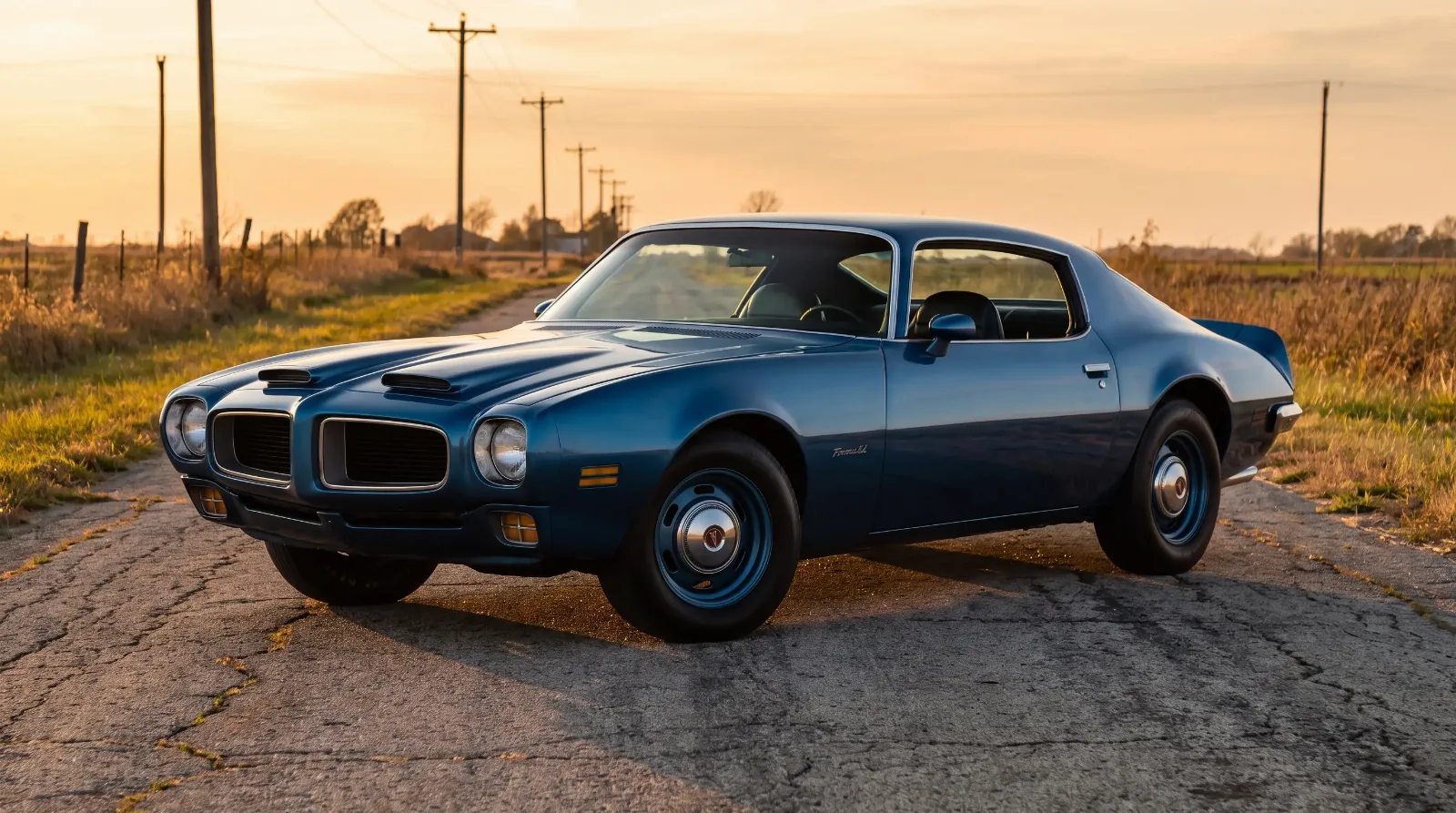
The Pontiac 400 engine is not the biggest V8 Pontiac ever built, and it is not the one with the biggest reputation. That belongs to the 455. But drop into a second-generation Trans Am and the 400 is what you'll find under most of the hoods that matter, and it earned that spot the honest way: it made real power for most of its run, it fit the engine bay without a fight, and it kept the Firebird relevant through years when a lot of competitors were losing the plot entirely.
Car Features
6 min read
The Pontiac 400: The Firebird's Heart
A blunt, numbers-first look at what the Pontiac 400 engine actually made across its thirteen-year run, and what breaks on the ones you'll find today.
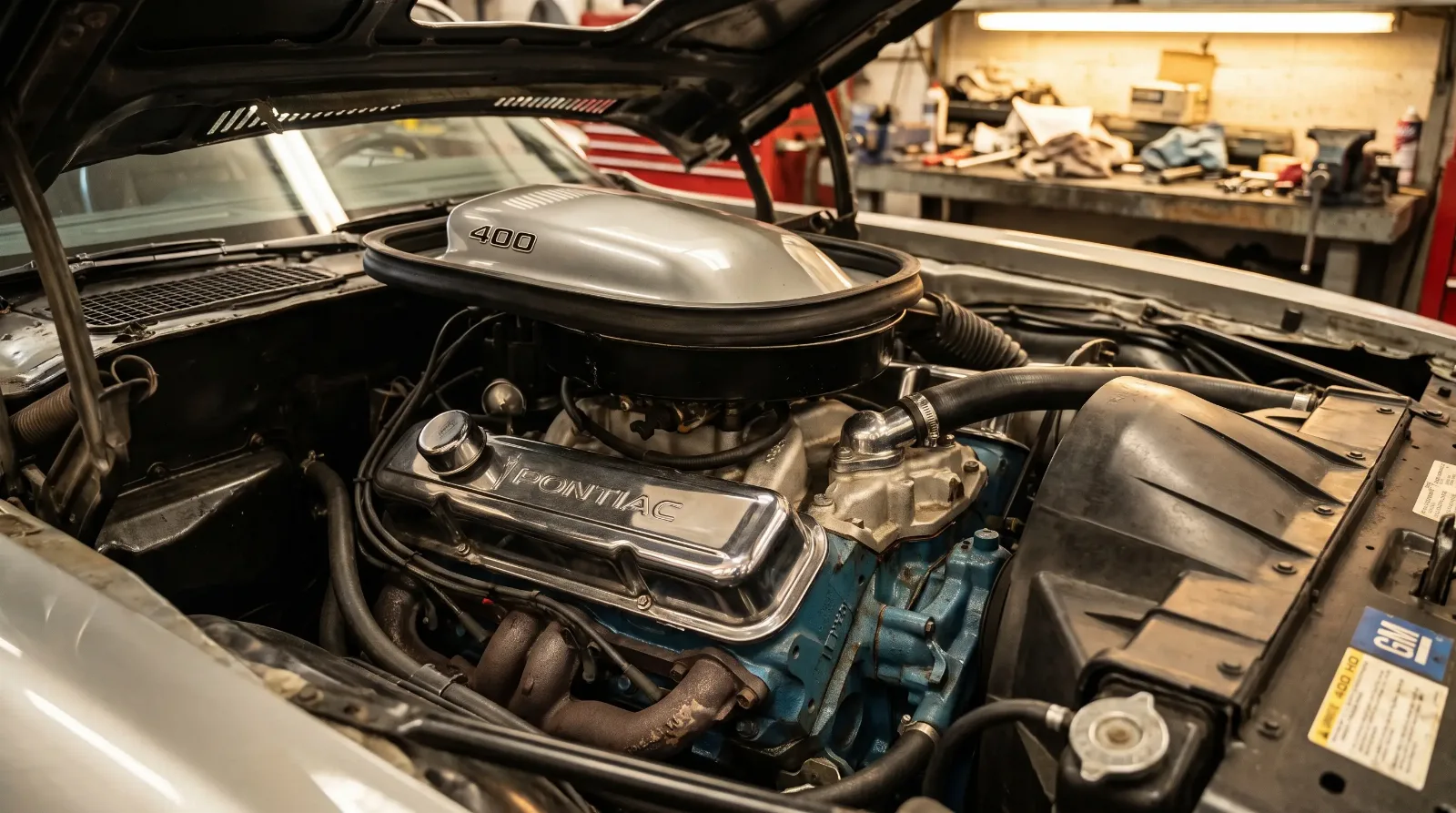
What the 400 actually is
Pontiac's 400 cubic inch V8 arrived in 1967 and stuck around through 1979, which is a long production run for any engine, let alone one built through the roughest regulatory decade the American V8 ever faced. It shared its basic architecture with Pontiac's other big-block designs, a 4.12 inch bore, and depending on the year, either a 3.75 inch stroke or a taller deck configuration. None of that matters as much as this: it was a genuinely stout bottom end that could take boost, big cams, and abuse without falling apart, which is exactly why it survived so many different states of tune across thirteen model years.
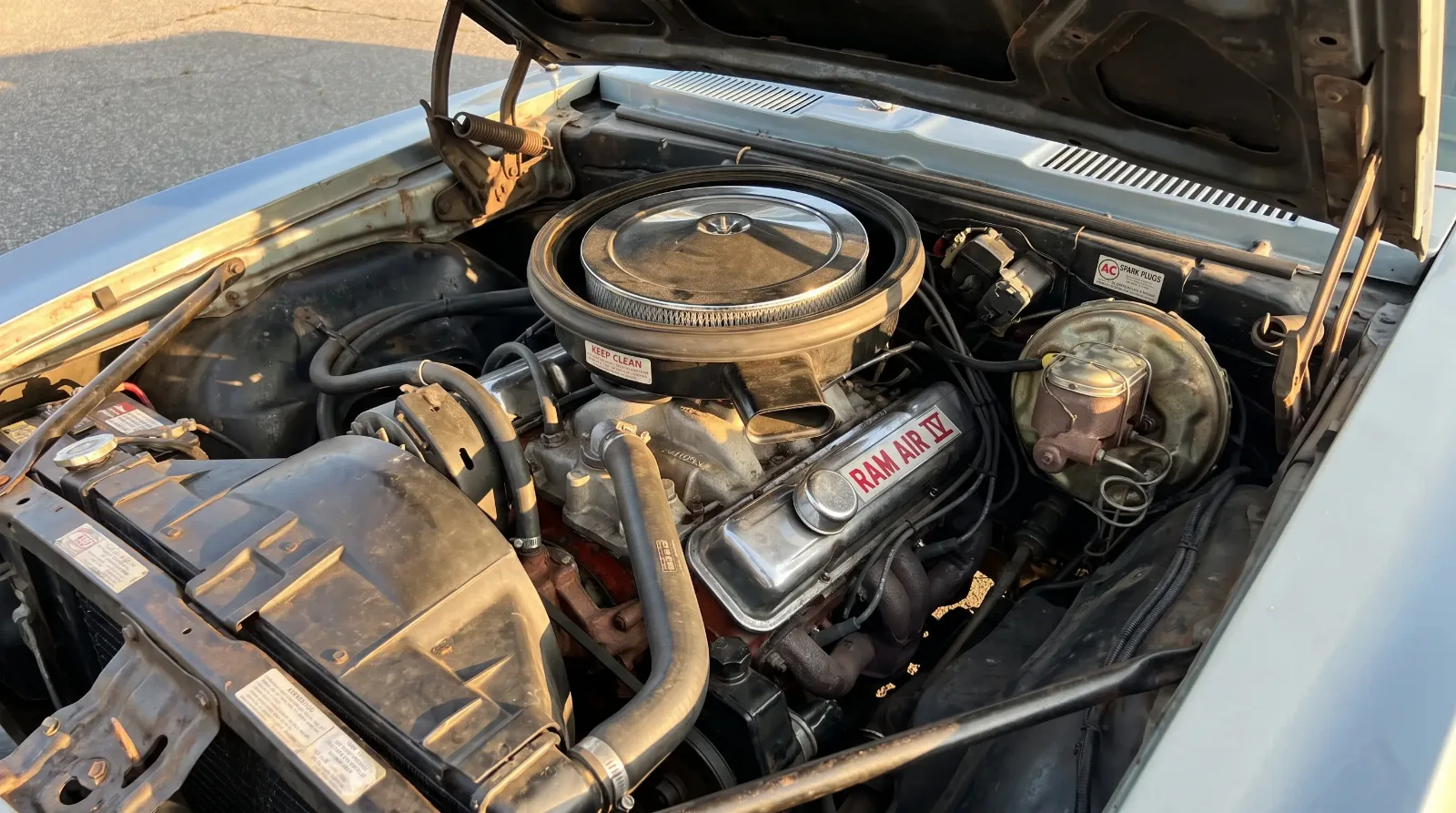
The Ram Air variants get the attention, and they earned it. But the base 400 in a Formula or Trans Am was never a weak engine. It was a compromise engine, built to survive emissions testing while still moving a 3,400 pound car with some urgency.
Year by year, the power numbers that matter
Here's where I get blunt: a lot of what gets repeated about Pontiac 400 output is rounded up from nostalgia, not from a dyno sheet. The real numbers moved a lot across the run, and the direction was mostly down until the back half of the 1970s started clawing a little back.
| Year range | Rating basis | Approx output | Notes |
|---|---|---|---|
| 1970-1971 | Gross | 330-345 hp | Peak muscle-era tune, Ram Air III/IV variants highest |
| 1972 | Net (new SAE standard) | Roughly 250 hp | Same hardware, different measurement, looks like a bigger drop than it was |
| 1973-1974 | Net | Roughly 225-230 hp for the top 4-barrel tune | Emissions equipment tightening further |
| 1975-1976 | Net | Roughly 185-210 hp | Catalytic converters, lower compression |
| 1977-1979 | Net | 200 hp (1977) rising to 220 hp (1978-1979) for W72 | W72 code brings some of the run's better later-year output |
That net-versus-gross jump at 1972 is the single most misread number in this whole story. The engine did not suddenly lose a hundred horsepower overnight. The measurement standard changed. Anyone quoting a huge year-over-year drop without mentioning that switch is telling you half the story.
Common problems and what breaks
Rocker arm studs strip. It happens, it is well documented in the enthusiast community, and it is not a reason to walk away from an otherwise sound engine, just a reason to check for it before you buy. Timing chains stretch on higher-mileage examples, same as any engine of this era that has gone two hundred thousand miles without a rebuild. Overheating shows up more on cars that have had cooling system parts swapped for cheaper aftermarket units instead of correct-capacity replacements.
None of this is exotic. It is a fifty-year-old cast iron V8 with known failure points that any competent shop can diagnose in an afternoon. The bigger risk with a 400 isn't the engine itself, it's buying one that's been represented as something it isn't, a base 400 dressed up and sold as a Ram Air or W72 without the paperwork to back it.
Oil pressure at idle is worth a look too. A tired 400 with worn bearings will still run fine at highway speed and then drop pressure alarmingly at a stoplight, and a lot of casual buyers never think to check that during a test drive because the car feels strong on the road. Pull over, let it idle warm, and watch the gauge for a full minute before you sign anything. It costs you nothing and it tells you more than a compression test alone.
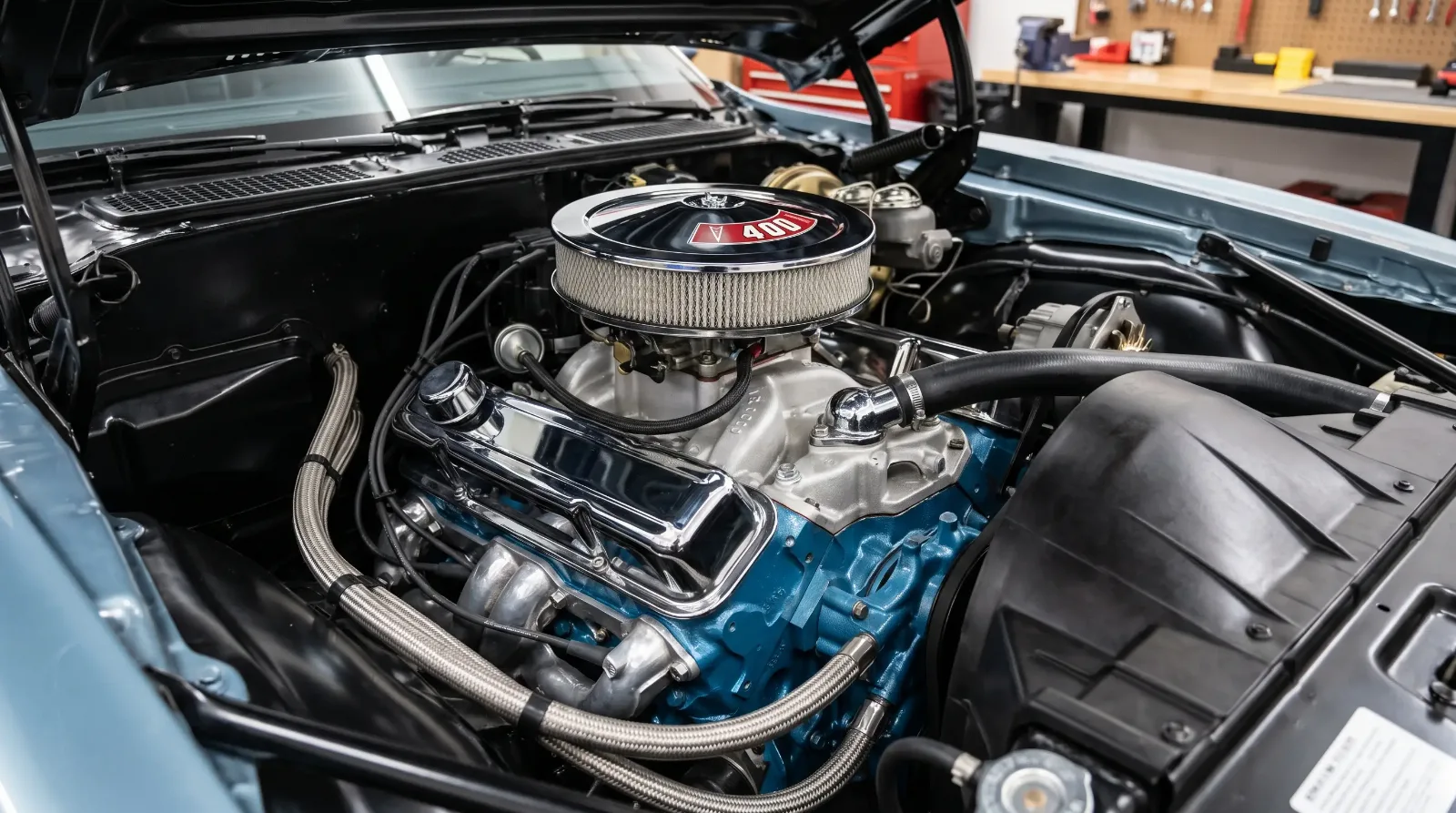
Casting numbers on the block and heads are the other piece worth learning before you shop. Pontiac stamped specific codes for specific applications, and a seller who can point to the correct numbers without hesitation is a different kind of seller than one who shrugs and says "it's a 400, that's all I know." The difference between those two conversations usually tells you everything about how the rest of the sale is going to go.
"I've had guys tell me their 400 makes 350 horsepower because that's what the internet said the year should be. I put it on the dyno. It made 240. The internet doesn't know your specific engine. The dyno does."
Dan Reeves
What it's worth to a real buyer
A documented, numbers-matching 400 with the correct casting numbers and, ideally, a build sheet, commands a real premium over an undocumented replacement engine, and that gap has only widened as more buyers learn to actually check for it. Ram Air and W72 examples sit above the standard tune, for good reason, they made more real power and there were fewer of them built.
If you're shopping for a Firebird specifically because of the engine, don't take a seller's word on output. Ask for documentation. Ask when it was last on a dyno, if ever. A correct, honestly represented 400 is a good engine to own. A misrepresented one is an expensive lesson.
For the full lineup of what Pontiac put under Firebird hoods across three decades, from the base sixes up through the big-inch options, read Pontiac's V8 world for the complete picture. And if the 400's bigger sibling is what you're actually curious about, a companion piece covers that engine's own numbers in the same no-nonsense way.
The bottom line
The 400 is not the engine people brag about at a show. It's the engine that actually kept the Firebird moving through the worst years the muscle car ever had to survive, and it did that job well enough that most second-gen Trans Ams on the road today are still running one, or a correctly built replacement. That's not a glamorous legacy. It's a durable one, and durable is worth more than most buyers give it credit for.
Sources and notes
Related Reading
Have a
Pontiac Firebird
for Sale?
Reach thousands of serious classic car collectors across the US.
Sell It Here →
Are You a Classic Car Dealer?
List your full inventory and connect with targeted classic car buyers.
Join as a Dealer →

About the author
Dan Reeves
Performance engine builder from North Carolina's motorsports corridor, focused on swaps, forced induction and making real, repeatable power.
Related Listings - Pontiac Firebird




Comments
Be the first to comment on this article.