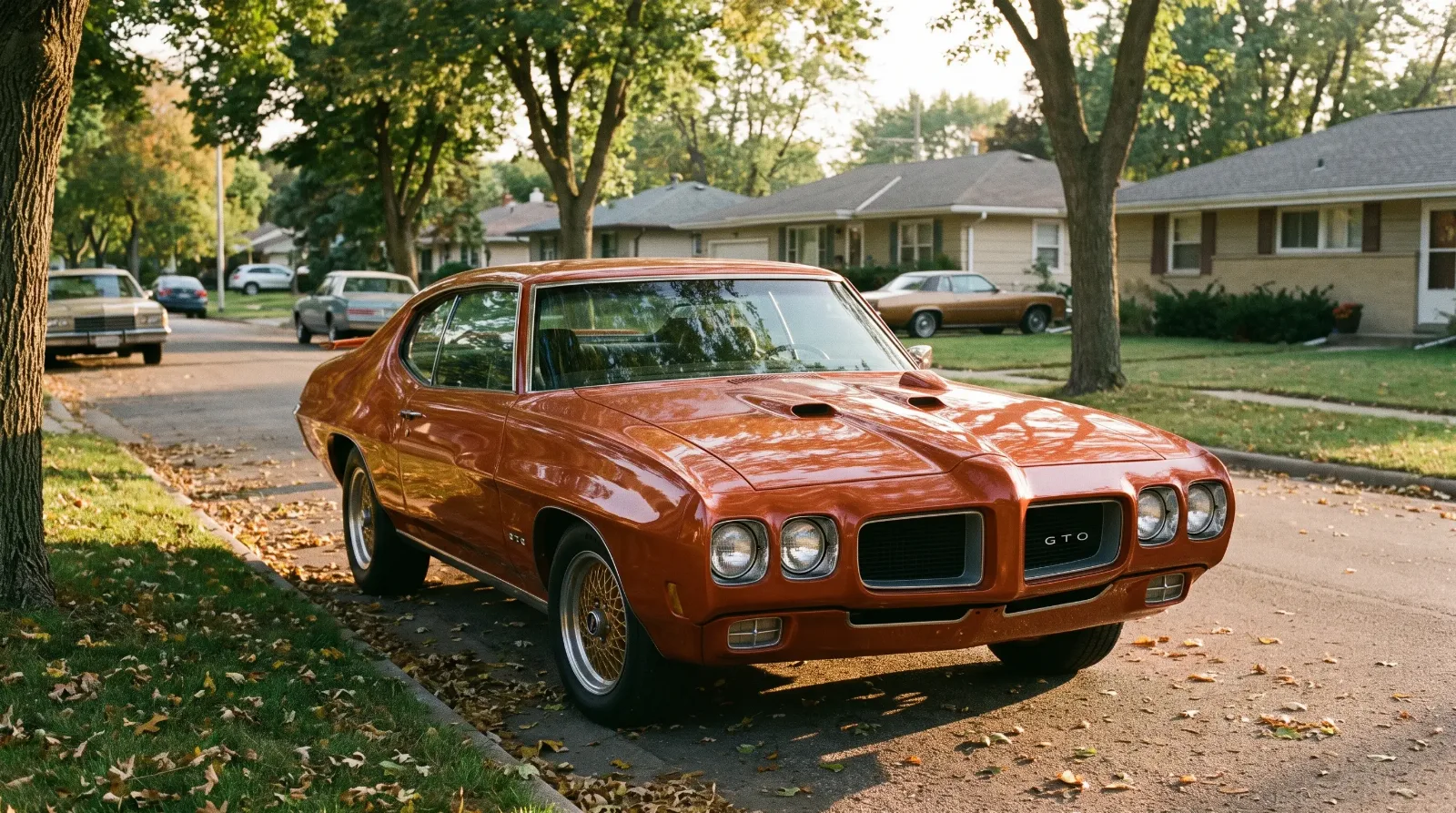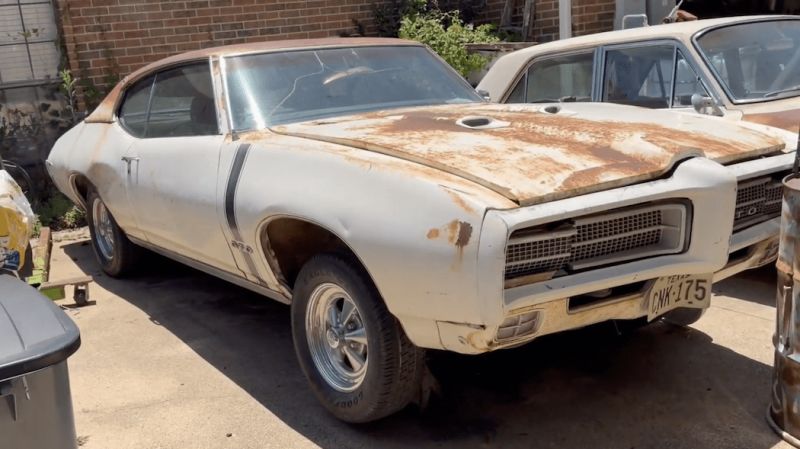
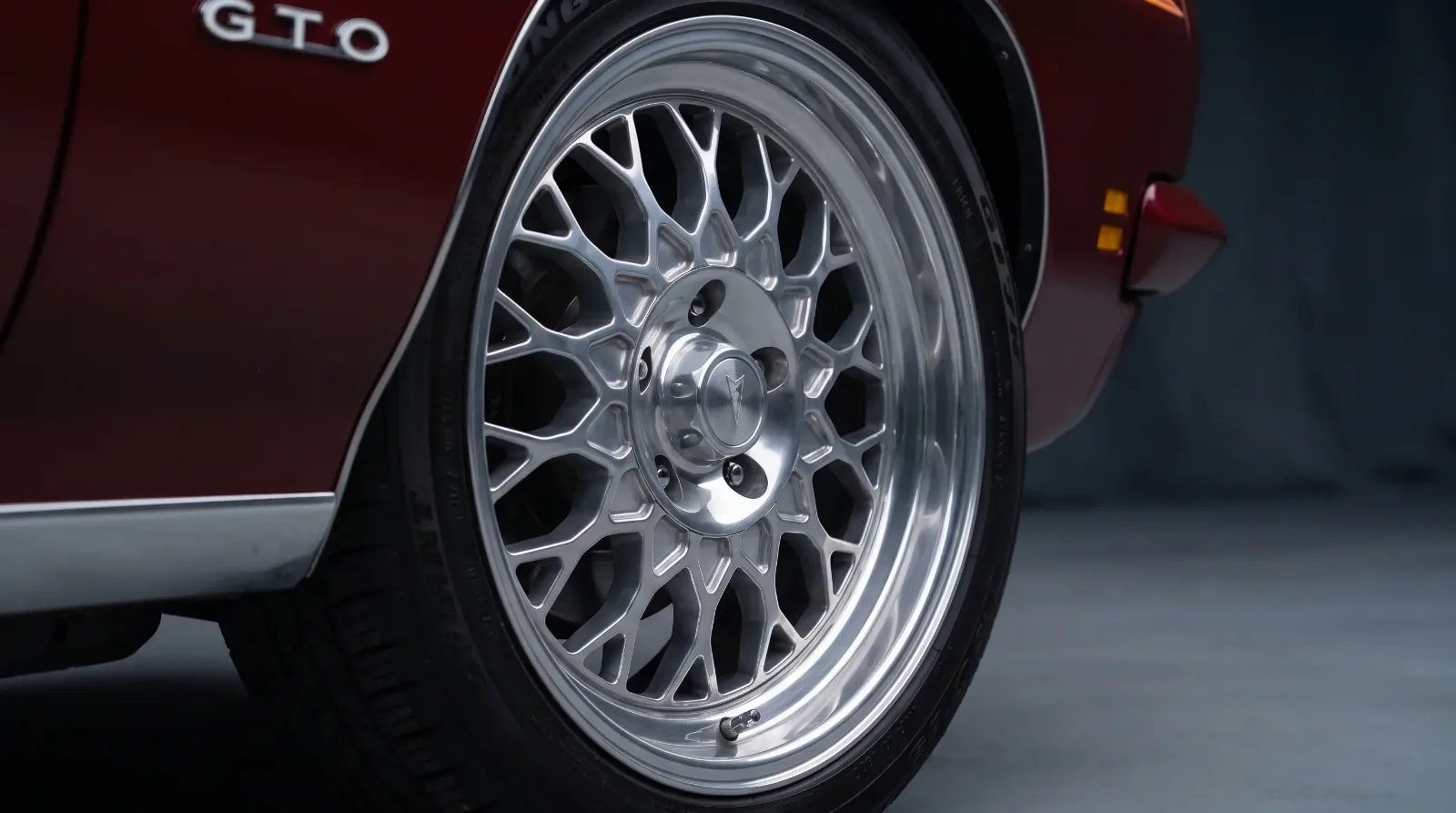
I used to hang around a Pontiac dealer lot on Saturday mornings back when that was still a thing a teenager could do without anybody chasing him off, and I remember the first time a GTO rolled in wearing honeycomb wheels. Half the guys standing around the coffee machine stopped talking mid-sentence. Nobody had seen anything quite like them on a production car before, this cast pattern of hexagons pulled straight off a jet engine turbine, or that's what everybody said at the time, true or not. Didn't matter if it was exactly true. It felt true, and that was enough.
By the early seventies, Pontiac was fighting for attention in a muscle car market that had gotten crowded fast, and the peak-power years of the GTO needed something visual to match the noise those engines made. The honeycomb wheel did exactly that job. It didn't add a single horsepower. It just made every other wheel on the lot look like it belonged on somebody's grandmother's sedan.
Where the pattern came from
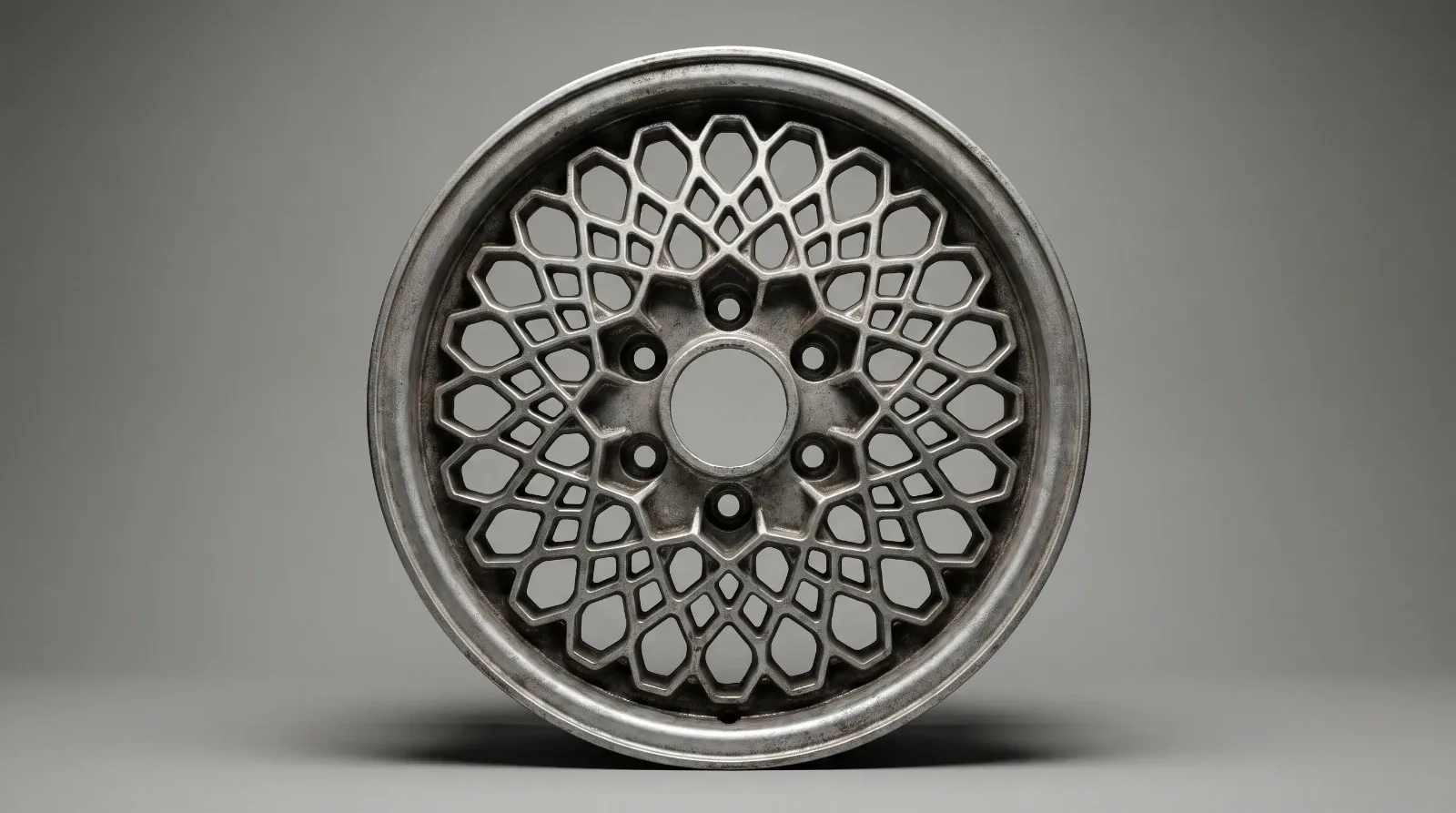
The honeycomb design showed up on Pontiac's option sheets for 1971, and the aerospace comparison wasn't just dealer floor talk, Pontiac's own designers leaned into that language too, selling the wheel as something closer to a turbine fan than a regular road wheel. What most buyers never realized standing on that lot is that the wheel wasn't cast aluminum at all. Pontiac built it as a "polycast" wheel, a steel wheel core with a heavy, rubber-like plastic compound molded onto the face to reproduce that deep hexagon pattern. It looked like a cast alloy wheel from ten feet away, which was the entire point, at a time when most muscle cars still rolled on stamped steel wheels dressed up with trim rings and hubcaps that could pop off if you hit a pothole wrong.
Pontiac wasn't the only GM division chasing this look, and the honeycomb pattern carried over onto the Firebird and Trans Am through the mid-1970s. But the GTO's version became the one people remember, partly because the car underneath it had the reputation to match the wheel's ambition. A plain wheel on a plain car doesn't get talked about fifty years later. A wild wheel on the right car does.
What it actually took to option one
These wheels weren't cheap, and they weren't standard equipment, they sat on the options list as a genuine splurge item for a buyer who already wasn't being frugal by ordering a GTO in the first place. Original literature and dealer order guides listed the honeycomb wheel as its own line item, and plenty of GTO buyers skipped it in favor of Rally II wheels instead, which were more affordable and, frankly, more common, which is exactly why honeycomb-equipped cars stand out in a parking lot of GTOs even today.
The sizing and offset were built around the GTO's stance in a way that made the car look planted rather than perched, and that's not an accident. Pontiac's design people cared about how a car sat on its wheels almost as much as how fast it went, and the honeycomb pattern with the right amount of dish did more for the car's presence than most people give it credit for.
Why they became a target for thieves and forgers
Anything that rare and that recognizable becomes a target eventually, and honeycomb wheels got stolen right off parked cars often enough that owners in some neighborhoods started keeping their GTOs in locked garages instead of driveways. That scarcity problem only got worse as decades passed and originals started cracking or delaminating from age, since the molded polycast face on these wheels wasn't built to survive fifty years of sun and weather the way a modern part would be.
Reproduction wheels have filled a lot of that gap for restorers. Most modern reproductions are cast in genuine aluminum to the original pattern and sizing, which ironically makes them tougher and truer to the "cast" look than the factory originals ever were, and they've made it possible for a GTO missing its original set to get the look back without hunting down a numbers-matching set that might not exist anymore. Purists still chase surviving original polycast sets for concours builds, and the price difference between a genuine period set and a quality aluminum reproduction tells you everything about how collectors value originality on a detail this visible.
"You could always tell which GTO in the lot the salesman didn't want you looking at too long, because it was the one without the honeycomb wheels next to the one that had them."
— Gary Nowak
Keeping a set alive fifty years on
A polycast face ages differently than bare aluminum would, and honeycomb wheels that spent decades outside show it in ways that aren't always obvious from ten feet away. The molded compound facing shrinks, fades, and can separate or crack away from the steel core underneath, especially around the hexagon pockets and near the lug area. A wheel that looks fine in a driveway photo can still be a problem child once it's mounted and balanced, especially if the bond between the plastic face and the steel wheel has started to fail with age.
Refinishing shops that specialize in this era know the process, but it isn't a straightforward polish-and-clearcoat job the way it would be on real cast aluminum. A deteriorated original often gets replaced outright rather than restored, which is exactly why reproduction wheels have become the practical answer for most restorations. It isn't cheap work either way, and owners who've sourced a clean set will tell you it's worth every bit of the cost, because a tired, cracking honeycomb wheel drags the whole car down visually in a way that's hard to compensate for anywhere else on the build.
Swap meets and Pontiac-specific shows are still where a lot of original sets change hands, and prices have only gone one direction as fewer clean examples turn up. Anybody restoring a GTO to original specification with honeycomb wheels on the build sheet needs to budget for that hunt separately from the rest of the car, because it rarely resolves itself quickly or cheaply.
What the wheel says about the car underneath it
There's a reason this wheel keeps showing up in magazine spreads and calendar shots decades after the last one rolled off a Pontiac assembly line. It photographs like nothing else from the era, all those hexagons catching light from a dozen different angles at once, and it does that job on a car that already knew how to draw a crowd. Put honeycomb wheels on a plain sedan and people might not notice. Put them on a GTO with the right stance and the right engine note idling underneath it, and you've got the kind of car that used to stop conversation at a dealer's coffee machine on a Saturday morning, the kind some of us never really got over.
The wheels were flash, sure, but flash backed up by a genuine engineering choice, and that combination is rarer than people think. Most eye-catching options from this era were exactly that and nothing more. This one held up as one of the smarter design decisions Pontiac made in a period when the whole industry was throwing ideas at the wall to see what stuck to a muscle car buyer's imagination.
Numbers tell their own kind of story about how good a year 1970 really was for this car, and if you want to see just how strong it finished, read on.