
Ram Air is one of the most misused terms in the muscle car world. People throw it at any hood scoop that looks the part, but at Pontiac it meant something specific, and the records back that up. Ram Air was a package of engine hardware, not a single part, and by 1969 the two versions that mattered were the Ram Air III and the Ram Air IV. Both were built on the Pontiac 400 cubic inch V8. Both fed cold outside air through a functional hood scoop. But they were not the same engine, and the difference is written in the parts and the option codes.
Car Features
6 min read
Pontiac Ram Air III and IV Explained
Pontiac Ram Air engines explained: how Ram Air III and IV differ on the 400 V8, their gross power ratings, round-port heads, and how to authenticate one.

The confusion is understandable, because the marketing and the sheet metal looked similar from the outside. The engineering did not match. The Ram Air IV was a genuinely different build with its own heads, cam, and internals, and it left the factory in far smaller numbers. Getting the two straight is the whole point of buying one correctly. For where these fit in the larger performance picture, the Pontiac story sits inside the wider muscle engine field, and we cover it in detail across the segment.
What Ram Air actually meant at Pontiac
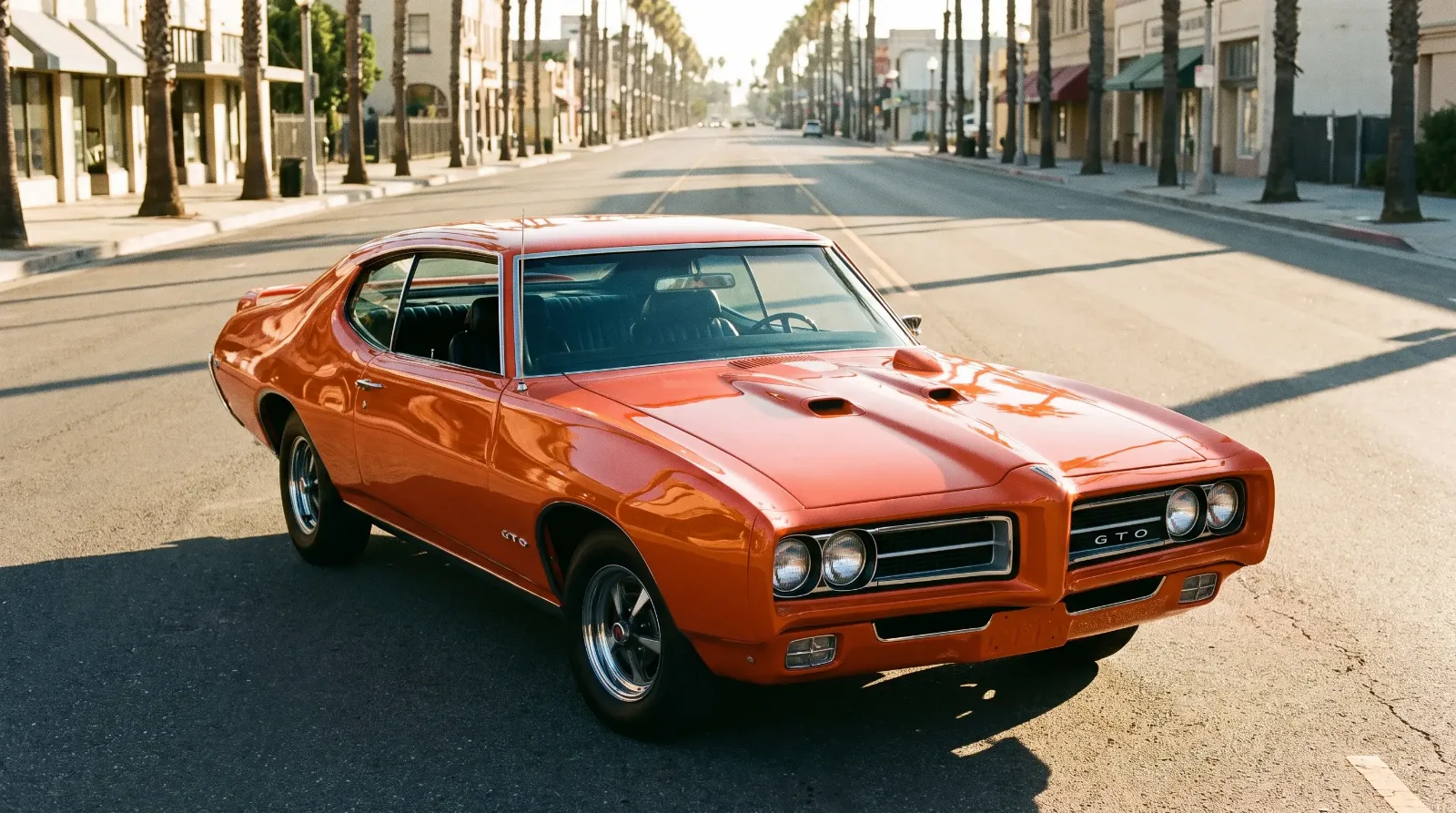
The name describes the induction. A functional scoop on the hood ducted cold outside air directly to the carburetor, and cold air is denser air, which helps an engine make power. Plenty of manufacturers used cold-air tricks, but Pontiac attached the Ram Air label to specific engine packages rather than to the scoop alone. That is the detail that trips people up. A car with a scoop is not automatically a Ram Air car. A Ram Air car is defined by the engine hardware underneath, and that hardware is identifiable by casting numbers and option codes.
Both the Ram Air III and Ram Air IV were versions of the 400 V8, and both appeared prominently in 1969 and 1970 in the GTO and the Firebird Trans Am. The base performance 400s and the Ram Air engines shared displacement, but the internals separated them. If you are authenticating one of these cars, the scoop is the least reliable thing to trust. The block, the heads, and the paperwork tell the real story.
Ram Air III versus Ram Air IV
The Ram Air III was the more common of the two and the more streetable. It used revised exhaust manifolds, a specific cam, and cylinder heads that flowed better than the base engine, and it was rated at around 366 horsepower gross in the GTO for 1969. It was a strong, tractable engine that behaved on the street and pulled hard, and it is the version most Ram Air cars actually carried.
The Ram Air IV was the serious one. It got round-port cylinder heads, a more aggressive camshaft, a higher-rpm powerband, and other internal upgrades aimed at making real top-end power. Pontiac rated it at around 370 horsepower gross, only a few horsepower above the Ram Air III on paper. Anyone who has studied these engines knows that rating was conservative. The IV made its power higher in the rev range and pulled far harder up top than the small advertised gap suggests. Both figures are gross ratings measured the old way, so read them as approximate factory numbers rather than what reached the pavement, and confirm any exact horsepower or production figure against documented Pontiac records before quoting it.
| Spec | Ram Air III | Ram Air IV |
|---|---|---|
| Displacement | Pontiac 400 cu in | Pontiac 400 cu in |
| Cylinder heads | Improved-flow ports | Round-port heads |
| Camshaft | Performance cam | More aggressive, higher-rpm cam |
| Rated power (1969 GTO) | Around 366 hp gross | Around 370 hp gross |
| Power character | Streetable, strong midrange | Top-end, higher-rpm pull |
| Relative rarity | More common | Rare, low production |
How to authenticate one
Documentation carries these cars. Pontiac used engine block codes and casting numbers that identify exactly which engine a car was built with, and the factory build information, where it survives, ties the engine to the car. A PHS documentation service report, drawn from Pontiac's own records, is the closest thing to a birth certificate these cars have, and a serious buyer gets one before making an offer.
Do not authenticate on the scoop, the badges, or the seller's enthusiasm. Restamped blocks and swapped engines are common on cars this valuable, and a Ram Air IV clone built on a base 400 is not hard to assemble for someone willing to mislead. Verify the block code, verify the head castings, and match them against the documentation. A car that checks out on paper and in the metal is worth a large premium over one that only looks the part, and the gap between a real IV and a pretender is enormous.
"The scoop tells you almost nothing. I have seen base 400 cars wearing every visual cue of a Ram Air IV, and I have seen genuine cars that somebody stripped of their correct heads decades ago. The round-port heads and the block code settle it, and the PHS paperwork confirms it. Trust the records, not the sheet metal."
Tom Ramirez
Why they still matter
The Ram Air engines are the high point of Pontiac's muscle era, and the Ram Air IV in particular is one of the most respected engines GM ever put in a street car. Its rarity, its round-port breathing, and its top-end character give it a following that has only grown as documented examples get harder to find. The Ram Air III deserves its own respect as the engine that made the package livable and put real Pontiac performance in more driveways.
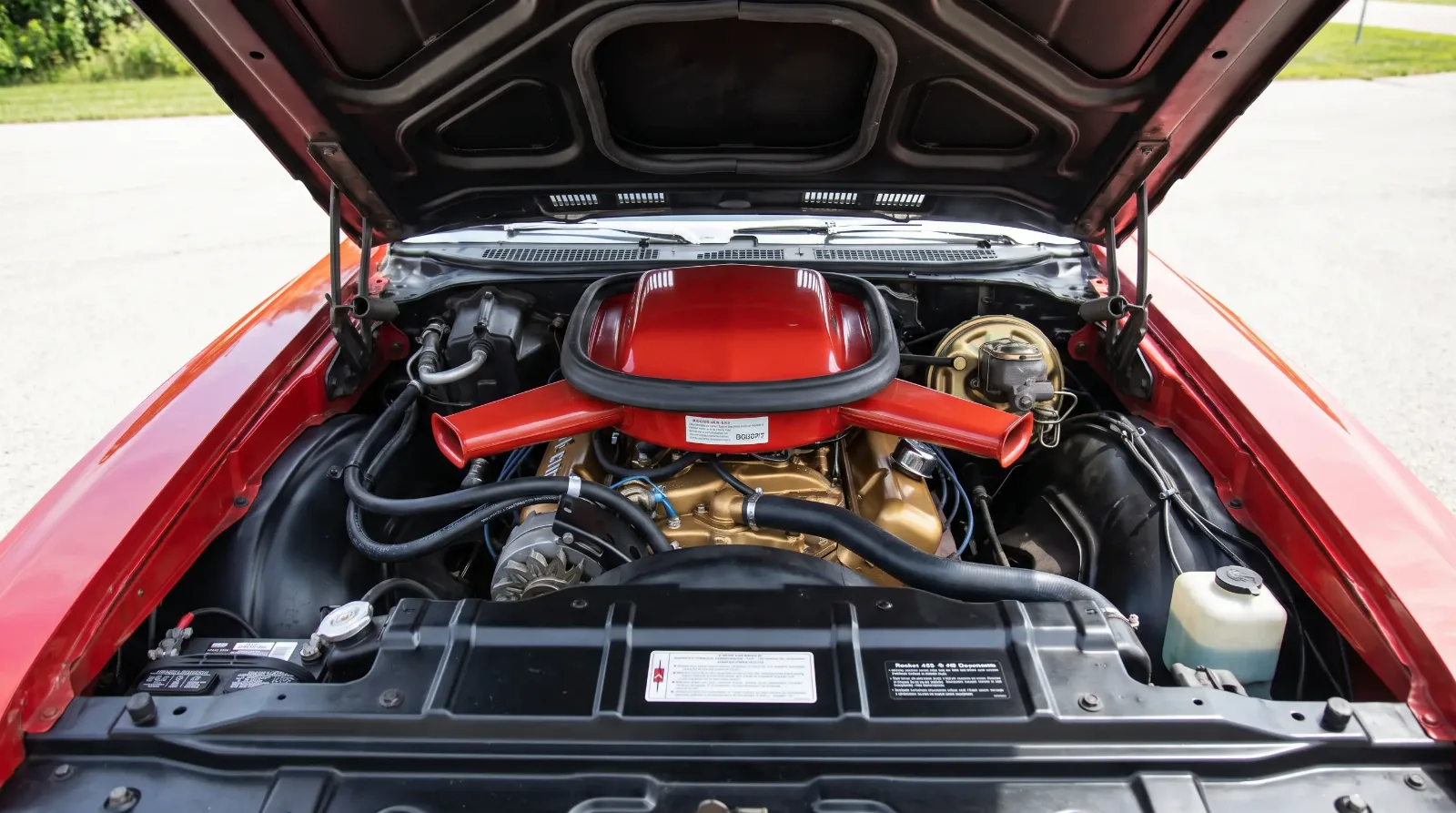
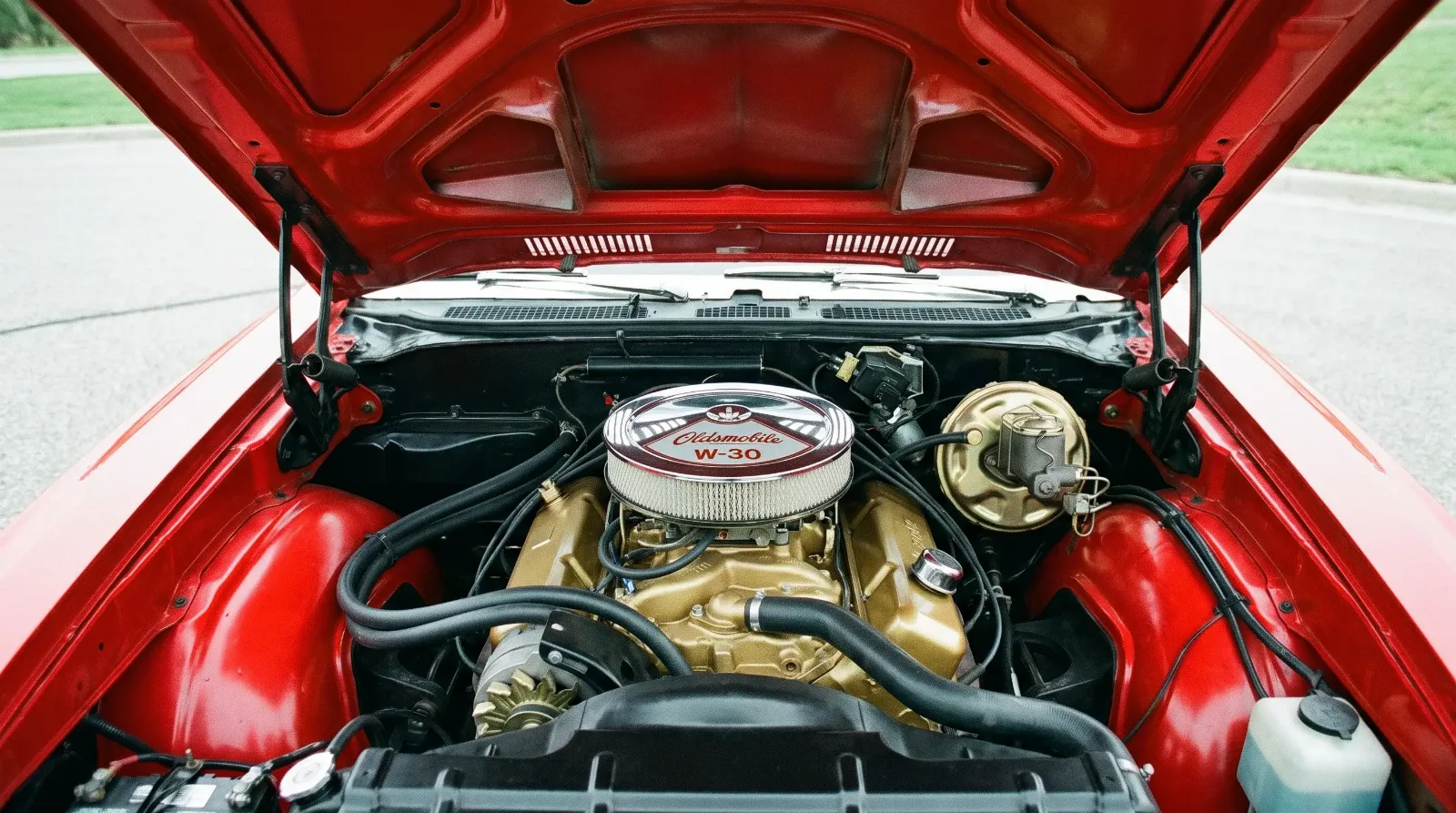
Pontiac was not alone in chasing big-cube, cold-air performance inside GM. Oldsmobile built its own answer with the 455 and the W-30 package, another engine where the factory hardware and the option codes tell the real story, and you can read the full story on how that program compared. Understand what Ram Air actually meant, learn to read the codes, and you will never mistake a scoop for an engine again.
Related Reading
Have a
Classic Car
for Sale?
Reach thousands of serious classic car collectors across the US.
Sell It Here →
Are You a Classic Car Dealer?
List your full inventory and connect with targeted classic car buyers.
Join as a Dealer →

About the author
Tom Ramirez
Corvette researcher and historian based in Bowling Green, Kentucky. Two decades documenting Corvette production history from original factory records.




Comments
Be the first to comment on this article.