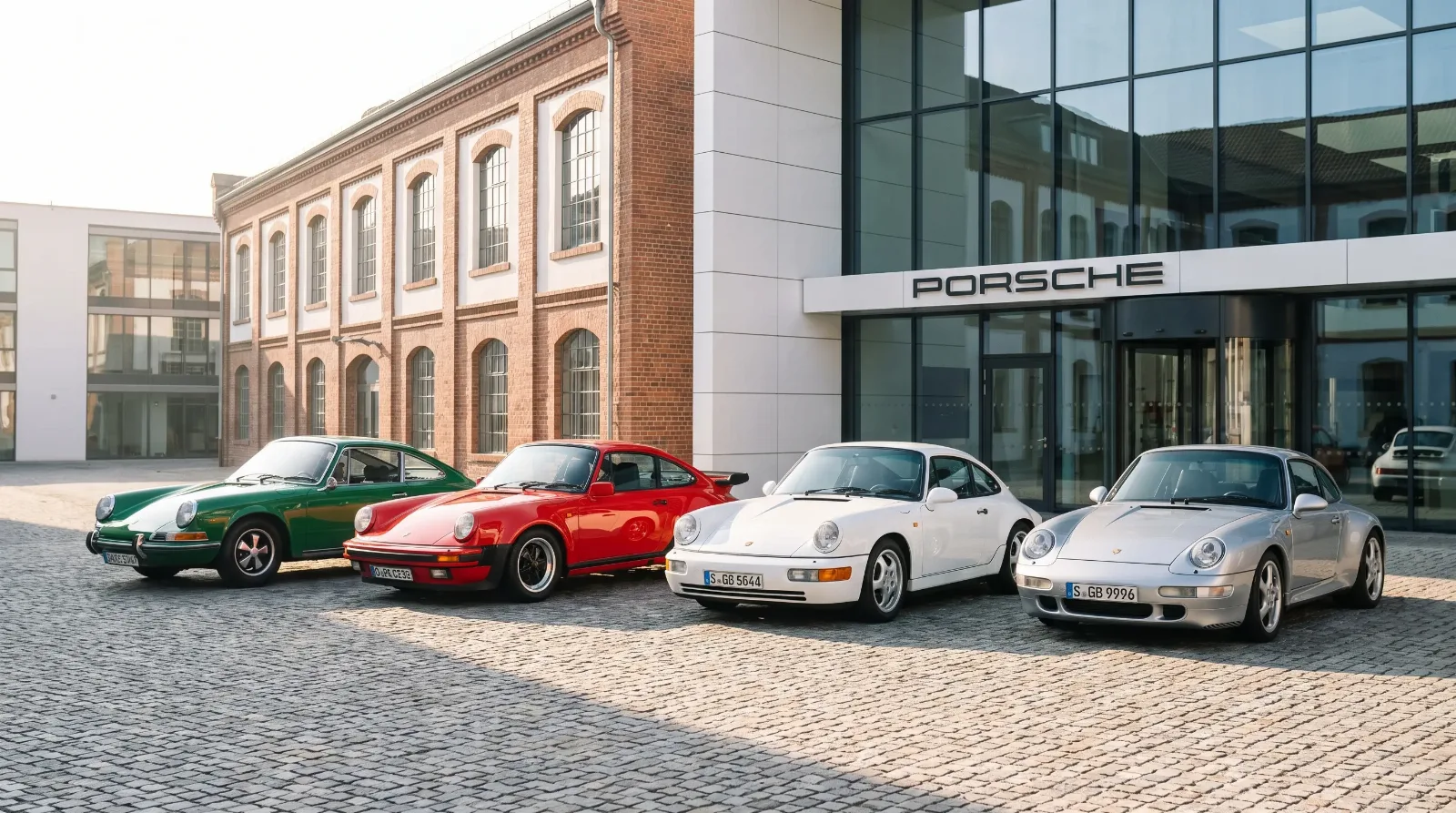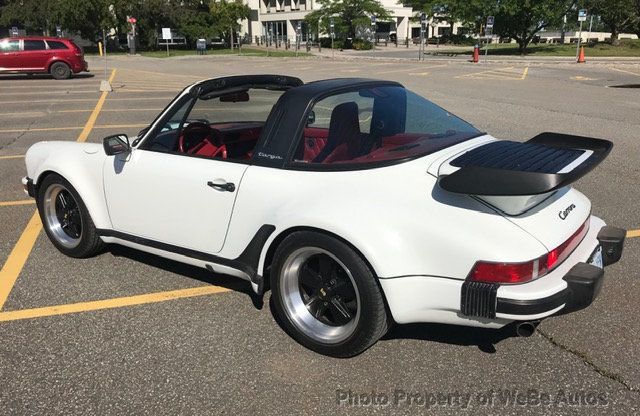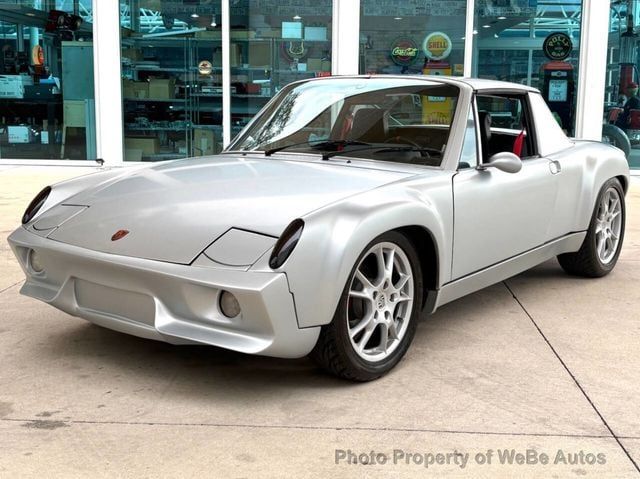
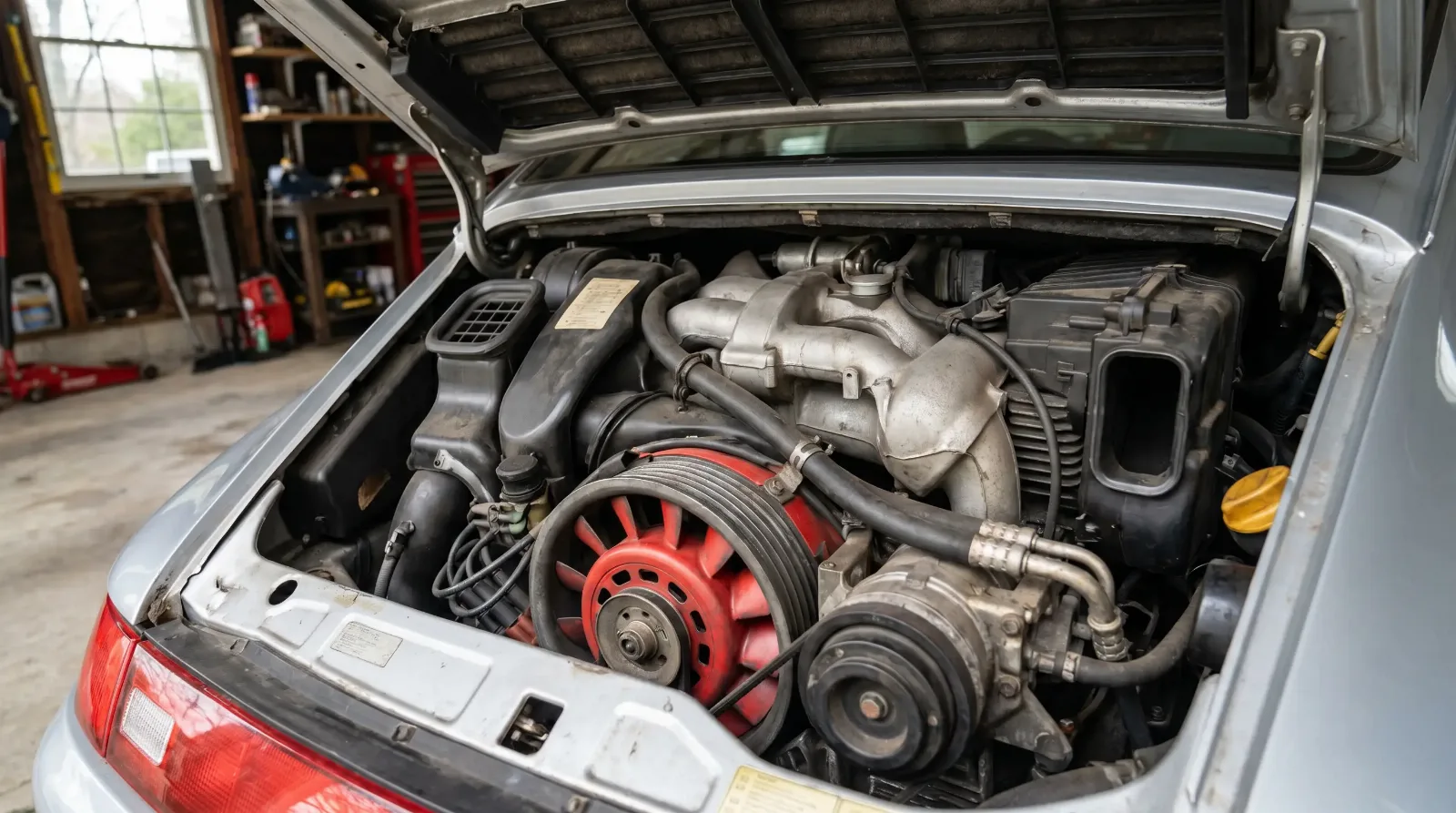
Put your hand on the engine cover of a 1965 911 and then on a 1998 993, and you are touching the same basic idea separated by thirty-five years of stubbornness. Both are flat-six, air-cooled, rear-mounted, and built around a philosophy Porsche refused to abandon even as the rest of the industry moved to water cooling, turbochargers, and front-engine layouts for anything sporting. The porsche 911 engine evolution is really the story of how far one basic architecture could be pushed before physics, and California emissions law, finally said no more.
It is easy to treat the flat-six as a fixed thing, the engine that has always defined the 911. It was not fixed. It grew in displacement almost every few years, gained and lost cylinder heads' worth of complexity, took on a turbocharger, lost it, got it back, and by the end of the air-cooled era in 1998 was making more than double the horsepower of the original 2.0-liter unit from a package that still, somehow, bolted into roughly the same engine bay.
Where it began: the 2.0-liter reveal
The original 911, launched for the 1964 model year, carried a 2.0-liter flat-six making a modest 130 hp in factory tune, a figure that sounds unremarkable today but represented a genuine leap over the four-cylinder 356 it replaced. The layout itself, six cylinders opposed horizontally and cooled by air rather than water, was not new to Porsche. It descended from a lineage that traced back through the 356 and, further still, to pre-war engineering philosophy that prized simplicity and low center of gravity over outright refinement.
What made the 911's flat-six different from anything Porsche had built before was its ambition. It was designed from the outset as a chassis the company intended to keep developing for decades, not a fixed-spec unit meant to be replaced wholesale every few years. That decision, whether deliberate foresight or simple thrift, is why the same fundamental engine architecture was still being sold new more than three decades later.
Displacement wars: 2.2 to 2.7 liters
Through the late 1960s and into the 1970s, Porsche's answer to a market that wanted more performance was almost always the same: make the engine bigger. The 2.0-liter grew to 2.2 liters for 1970, then to 2.4 liters for 1972, each step bringing modest but real gains in torque and top-end power without fundamentally changing the engine's character. These were still simple, mechanically injected or carbureted engines, serviceable with hand tools and a good manual, which is a large part of why so many of them survive in usable condition today.
The 2.7-liter Carrera RS of 1973 marked the point where displacement growth stopped being a quiet running change and became the headline. Built in response to homologation requirements for racing, the RS used a larger bore, higher compression, and a lighter overall car to produce a genuinely quick machine for its era, and it remains the engine collectors reference whenever the conversation turns to which naturally aspirated air-cooled six had the most personality.
Turbo and Carrera: chasing power through boost
By the mid-1970s, Porsche had a second, more aggressive answer to the horsepower question: forced induction. The 930 Turbo, introduced for the 1975 model year in most markets, bolted a single turbocharger onto a 3.0-liter flat-six and produced power figures that made the naturally aspirated cars look sedate by comparison. It also introduced a reputation for lag and sudden, unforgiving power delivery that gave the 930 its nickname among period road testers as a car that demanded respect.
The naturally aspirated side of the range kept growing too. The 3.2 Carrera, sold through the mid-1980s, remains one of the most usable and widely recommended air-cooled 911s specifically because its engine strikes a balance the earlier smaller-displacement cars do not: enough torque to feel relaxed in daily driving, simple enough mechanical injection and later Bosch Motronic management to be reliable, and a broad enough production run that parts and specialist knowledge are not hard to find.
| Model / era | Displacement | Approx. output | Years |
|---|---|---|---|
| Original 911 (901/911) | 2.0 liters | ~130 hp | 1964-1969 |
| 911S / 911T | 2.2-2.4 liters | ~140-190 hp | 1970-1973 |
| Carrera RS 2.7 | 2.7 liters | ~210 hp | 1973 |
| 930 Turbo | 3.0-3.3 liters | ~260-300 hp | 1975-1989 |
| Carrera 3.2 | 3.2 liters | ~207-231 hp | 1984-1989 |
| 964 Carrera | 3.6 liters | ~247-250 hp | 1989-1994 |
| 993 Carrera | 3.6 liters | ~272-282 hp | 1994-1998 |
The 964 and 993: chasing the limits of air cooling
The 964, introduced for 1989, brought the biggest single jump in displacement the standard road car had seen, up to 3.6 liters, along with a redesigned engine management system and a coil-spring suspension that replaced the torsion bars used since the original car. Under the surface, though, it was still fundamentally the same air-cooled architecture Porsche had been refining since the 1960s, now asked to meet emissions standards nobody in 1964 could have anticipated.
The 993, which followed in 1994, is widely regarded among enthusiasts, this writer included, as the high point of the air-cooled 911. Porsche redesigned the rear suspension, smoothed out the body, and refined the 3.6-liter six to a level of drivability and reliability the earlier cars never quite reached. Reading the full arc of the air-cooled 911 story makes clear just how much engineering compromise went into keeping that architecture alive for three and a half decades, and the 993 represents the last, best version of that compromise before Porsche moved on.
"I've sat in enough 911s across enough decades to know the engine note changes more than the shape does. A 2.0-liter early car sounds like a sewing machine that means business. A 993 sounds like something that has been perfected. Both of them are unmistakably the same idea, just refined by thirty years of people who refused to let it go."
— Patrick Walsh
Why the air-cooled note still matters
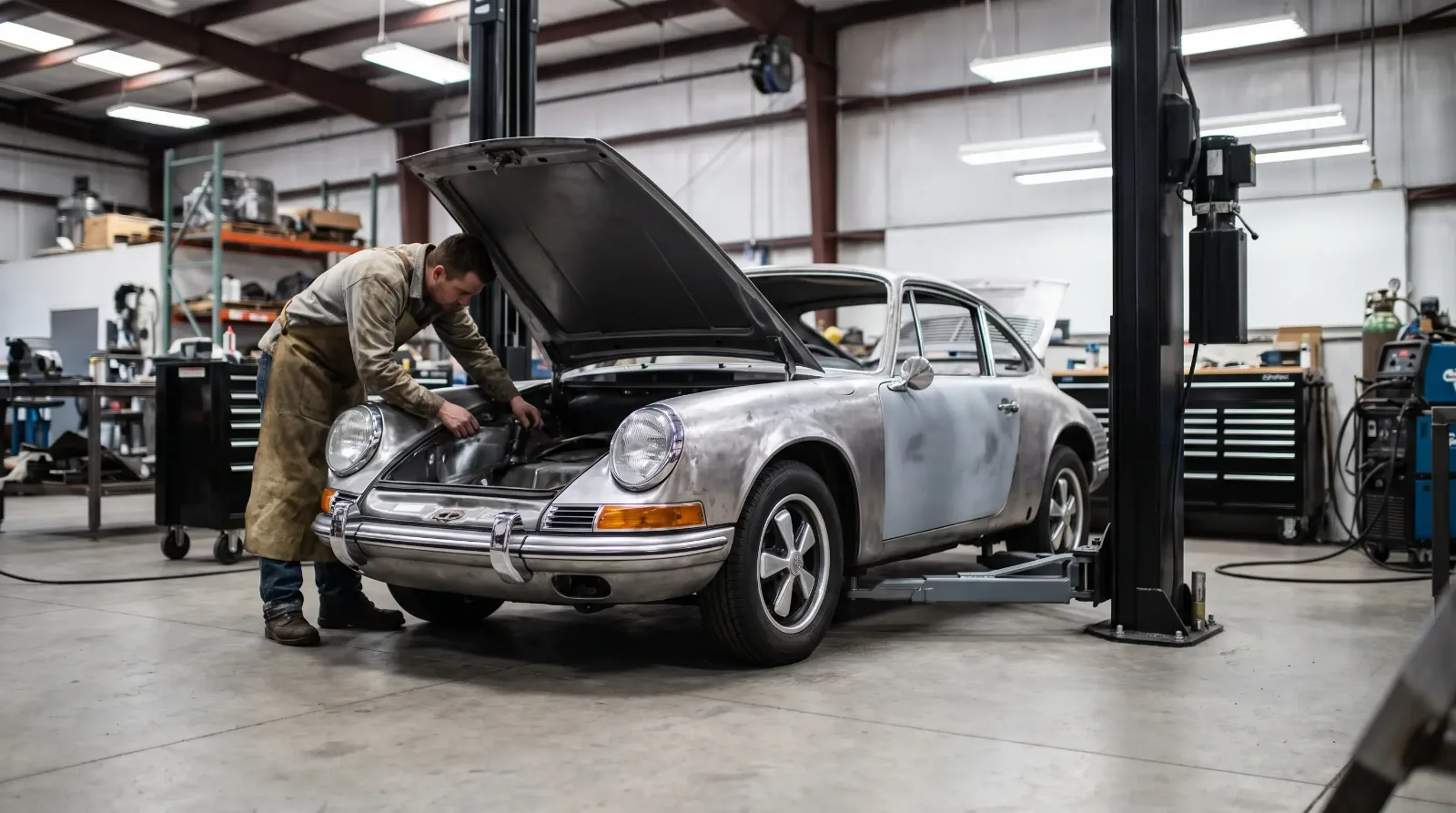
Part of what makes the flat-six's long development arc so compelling is how much of it survives in cars people still drive daily rather than trailer to shows. Unlike a lot of collector-car engines that require specialist tools and a patient wallet just to change the oil, the air-cooled six across most of its variants was designed to be worked on by a competent home mechanic, and that accessibility shaped an entire enthusiast culture around keeping these engines running rather than retiring them to static display.
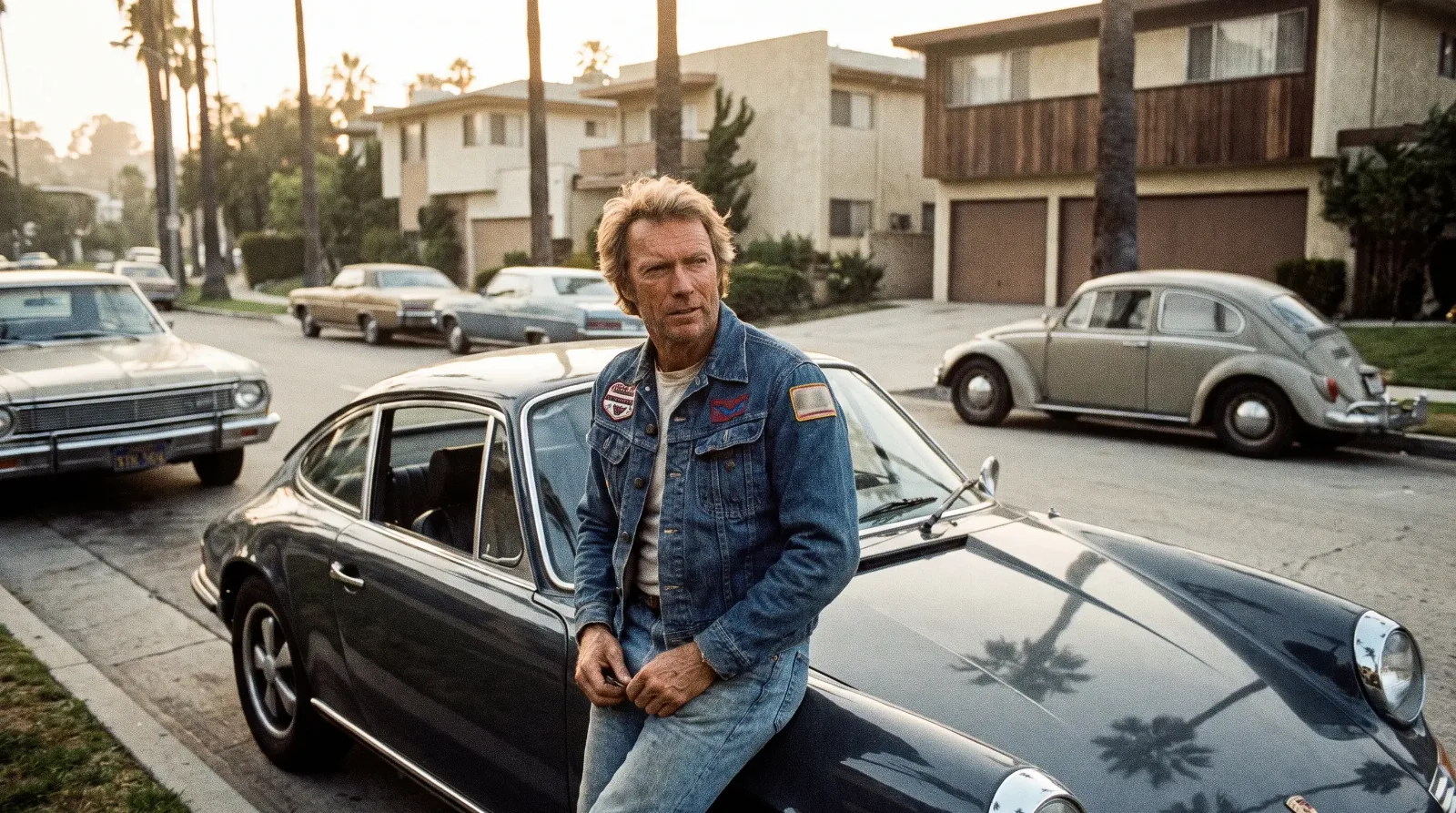
It also explains why collectors and buyers still argue, sometimes heatedly, over which displacement and which year represents the "right" 911 engine. There is no single correct answer, because the engine itself was never static long enough to have one. For a very different but connected chapter in how one specific 911 became inseparable from its most famous owner, another angle on the same car is worth reading alongside this one, and for the fuller context of how the model got here at all, the classic Porsche story fills in the rest. Anyone drawn to actually owning a piece of this history can find classic 911s for sale spanning nearly every engine generation described here, from the original 2.0-liter cars through the last of the air-cooled 993s.
Sources and notes
- Automobile Catalog: 1965 Porsche 911 specifications (130 hp)
- Wikipedia: Porsche 911 (930) Turbo
- Stuttcars: Porsche 911 Turbo 3.3 (930) 1978-1989 specifications
- Porsche Club of America: Model Guide, 1984-1989 911 Carrera 3.2
- Supercars.net: Porsche 964 specs and performance numbers
- Stuttcars: Porsche 911 Carrera (993) 1994-1997