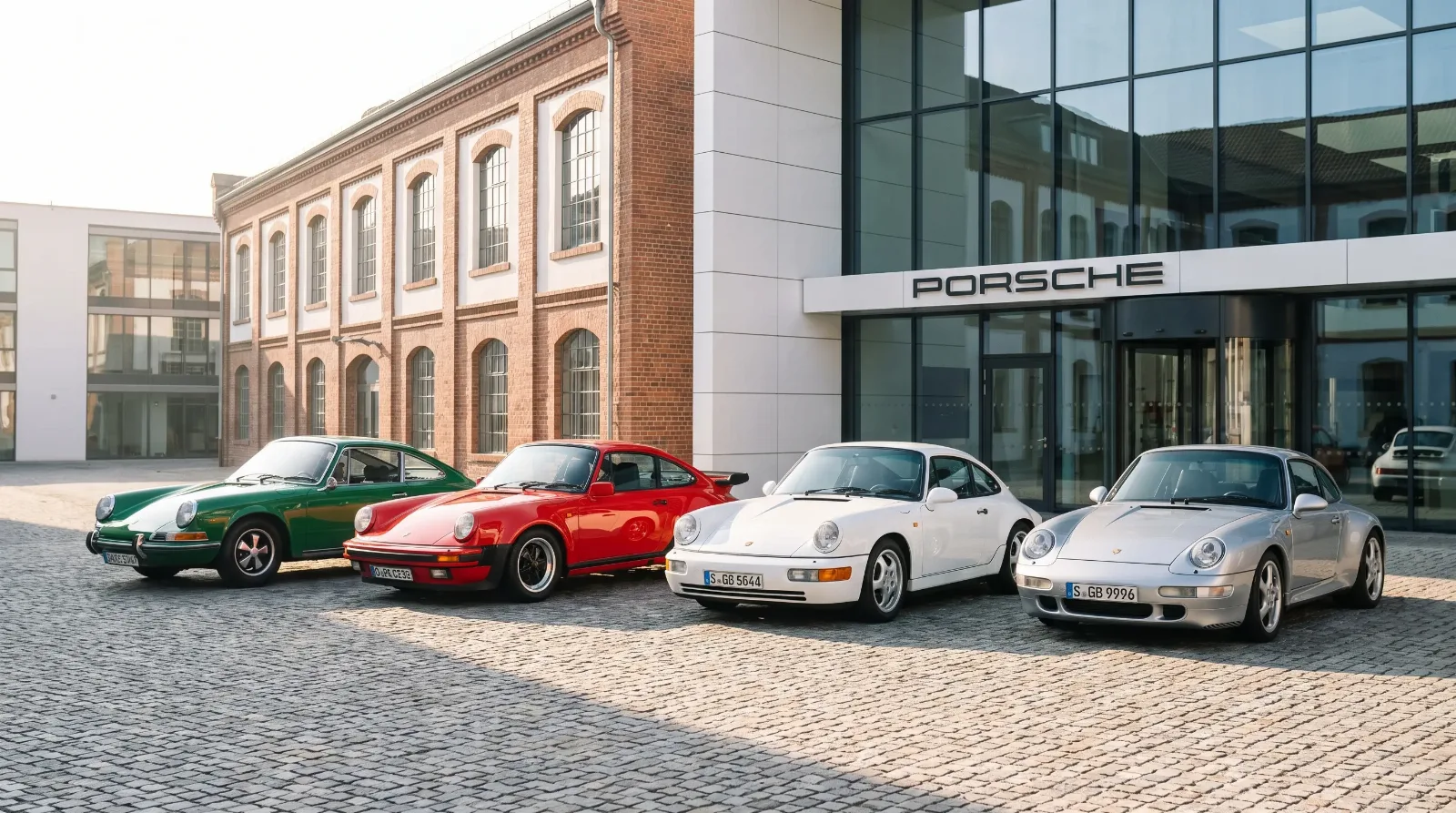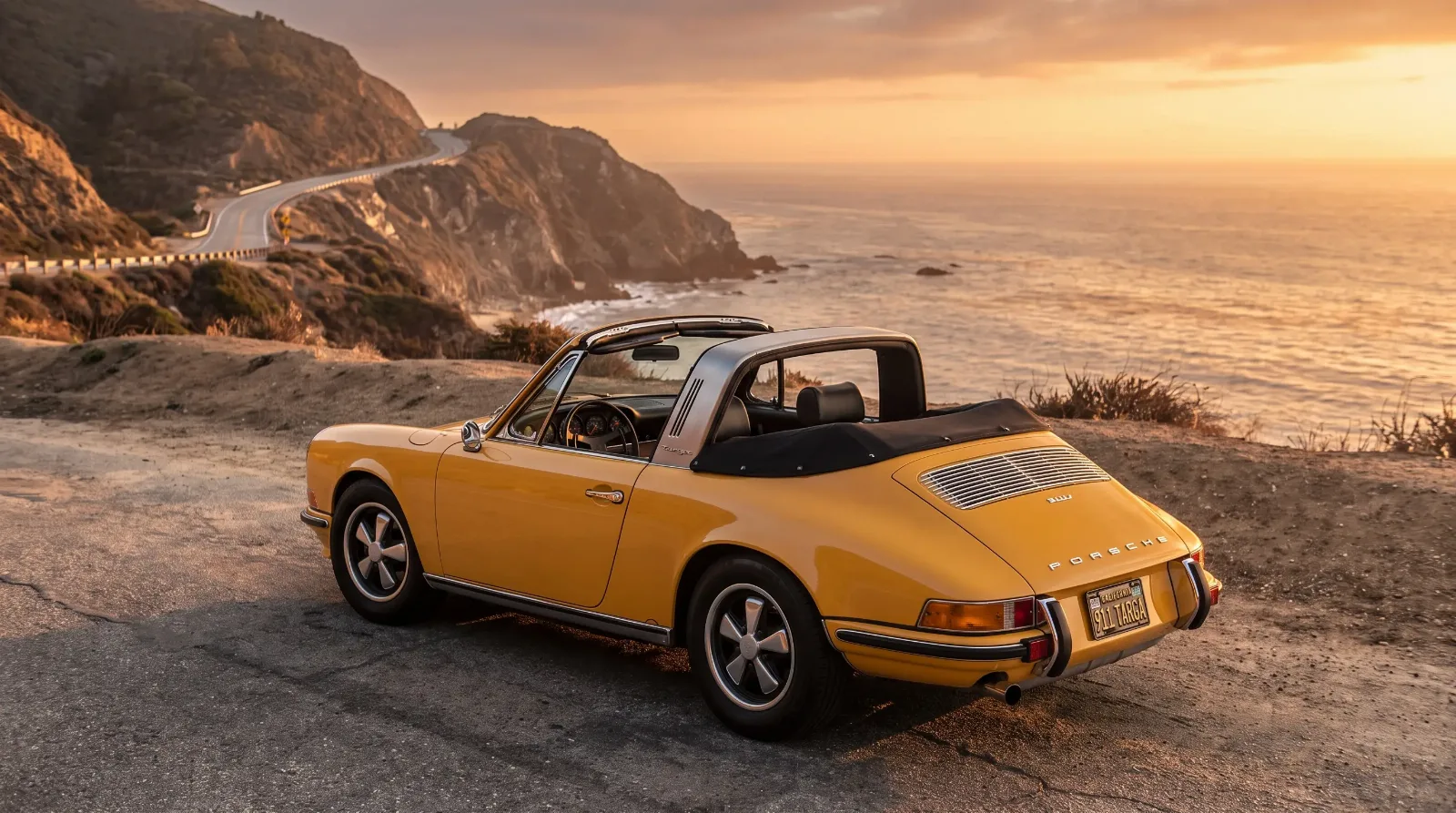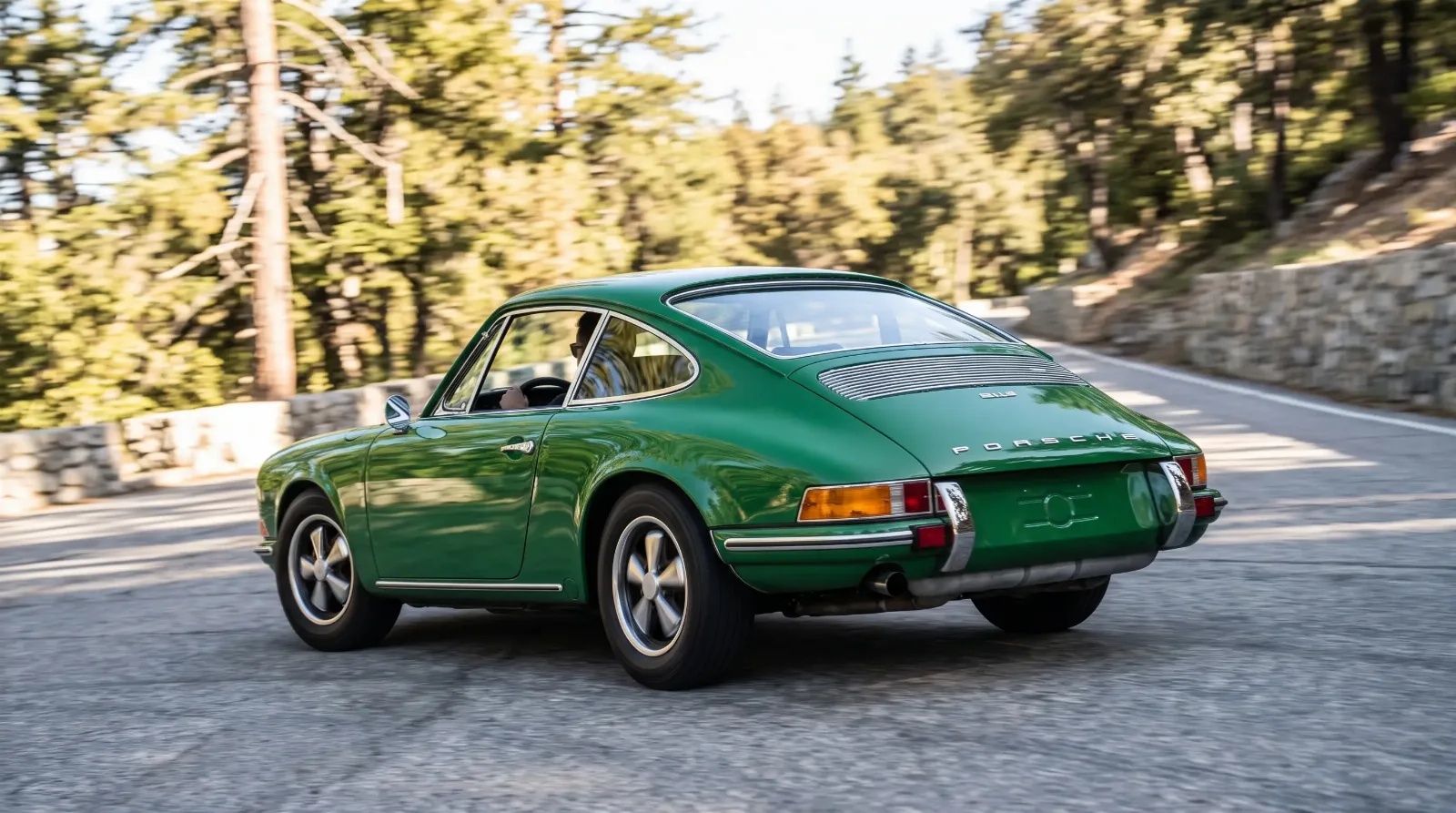
Walk into any Porsche corral at a vintage rally and you will hear the 911s before you see them, that flat-six howl bouncing off the pavement. Then, underneath it, something quieter. A four-cylinder burble that sounds almost apologetic next to its six-cylinder sibling. That is the Porsche 912, and if you want to understand porsche 912 history you have to start with a business decision, not a racing pedigree. Porsche needed an entry-level car in 1965, and the 912 was the answer nobody expected to matter this much sixty years later.
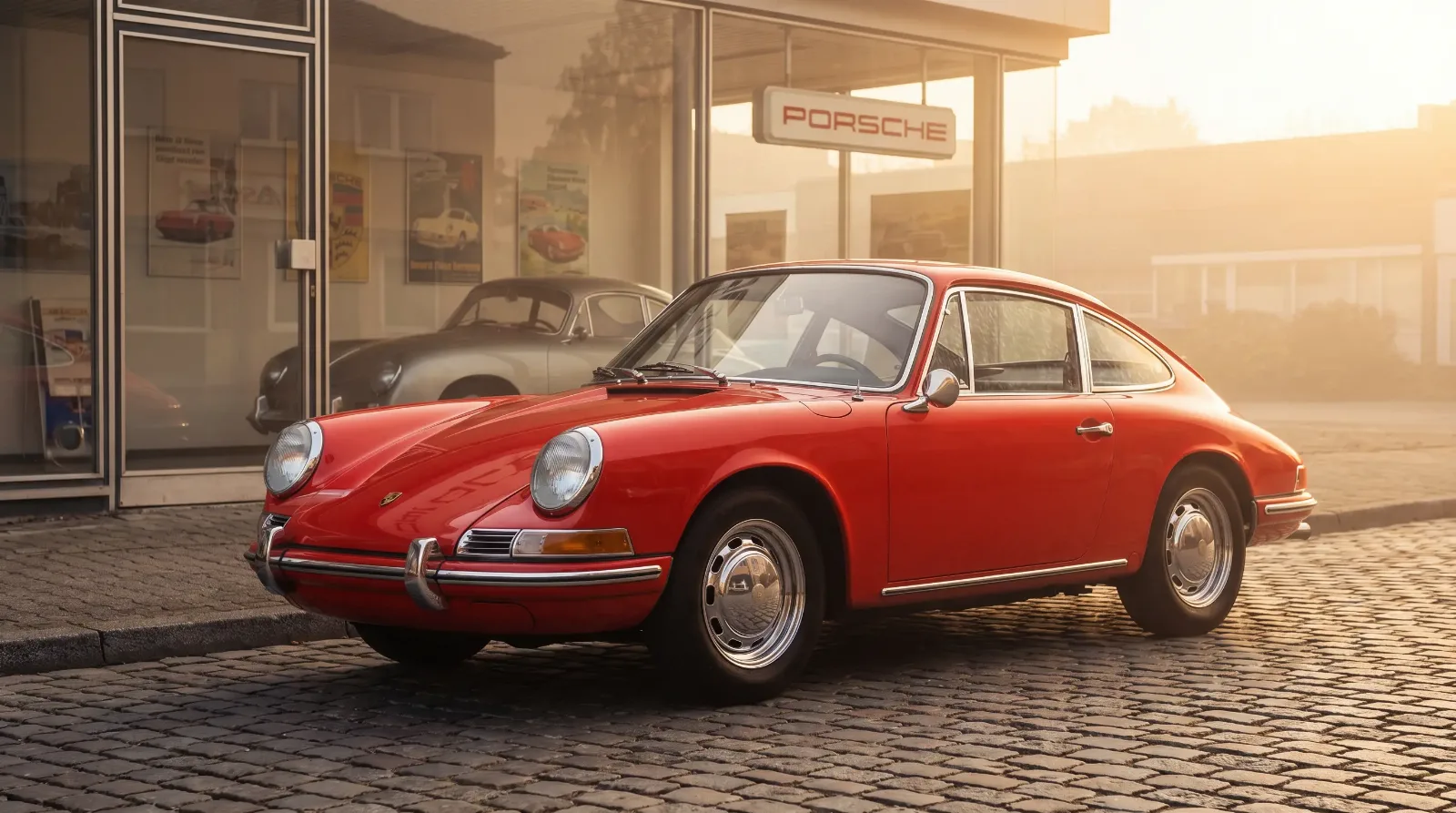
The context matters. Porsche had just replaced the 356 with the 911, a genuinely quicker, more expensive car built around a new 2.0-liter flat-six. Loyal 356 buyers balked at the price jump. Porsche's dealers needed something in between, a car with the new body and the old, proven engine. So Porsche took the 911's chassis and dropped in a version of the 356SC's 1.6-liter pushrod four, detuned slightly for smoothness, and called it the 912. It went on sale in April 1965, arriving in showrooms alongside the 911 rather than trailing behind it, which tells you how deliberate the plan was.
Why Porsche built a cheaper 911 with an old engine
The math was simple. A 912 cost roughly 1,500 fewer deutschmarks than a 911 in most markets, and in the United States the gap ran close to $1,800 to $2,000, with the 912 launching around $4,700 against a 911 near $6,500. That is not pocket change in 1965 dollars. Porsche also knew the four-cylinder engine was a known quantity, cheap to build, easy for existing 356 mechanics to service, and light. A 912 weighs somewhere around 100 pounds less than a contemporary 911, and that weight sits mostly over the front axle where the six-cylinder's extra iron would otherwise pile on.
That weight distribution turned out to be the car's quiet trump card. Owners and journalists of the period noted the 912 handled with less of the pendulum-effect oversteer that made early 911s a handful at the limit. It was never going to out-accelerate a 911S, not with 90 horsepower against the six's 160, but through a set of switchbacks the 912 felt planted in a way its pricier brother had to be driven around. Patrick Walsh has spent enough time in both to know which one he would rather thread down a mountain road in the wet.
"Everybody wants to talk about the 911's flat-six because it's the famous one. But I'll take a good 912 on a tight, damp road any day. It's lighter up front, it talks to you sooner, and it never asks you to trust it more than it deserves."
— Patrick Walsh
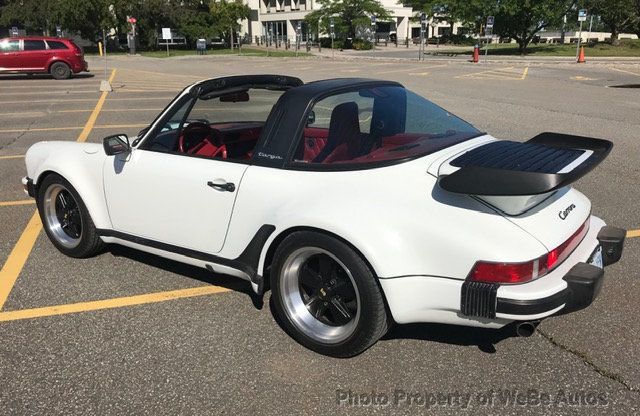
Porsche built the 912 in two distinct runs. The original coupe and Targa ran from 1965 through 1969, sold alongside the 911 as the value option. Porsche discontinued it in 1969 when the 914 arrived to fill the entry-level slot, only to bring the nameplate back for one final year, the 912E, sold exclusively in the United States for the 1976 model year to bridge a gap before the 924 was ready. The 912E used fuel injection and a 2.0-liter VW-sourced engine rather than the original Porsche four, which makes it a genuinely different animal under the skin even though it wears the same badge.
The engine that made the 912 what it is
The 1.6-liter flat-four in the original 912 traces its lineage directly to the 356's engine, itself descended from the original Volkswagen-influenced Porsche flat-four of the 1950s. It produced 90 horsepower in most markets, modest even by 1965 standards, but it was smooth, oversquare, and it revved cleanly to its redline without the drama some air-cooled fours exhibit. Porsche's engineers tuned the exhaust and carburetion for docility rather than outright output, which suited the car's role as the accessible Porsche.
Reliability was, and still is, the 912's calling card. The four-cylinder engine shares far fewer failure points with the six than most people assume, no chain tensioner dramas of the type that plague certain 911 generations, no complex fuel injection to fight if you have an early carbureted car. Parts commonality with the 356 also means a well-networked owner can source engine internals without hunting exclusively through 911 channels.
What a 912 actually costs to own today
For years the 912 lived in the 911's shadow at auction too, treated as the car you bought when you could not afford a real 911. That gap has narrowed, not because the 912 has become expensive, but because 911 prices climbed to a point where the 912 looks like the sane alternative again. A driver-quality 912 coupe still trades for a fraction of even a modest early 911, while a concours example with matching numbers and known ownership history can command real money.
| Detail | 1965 to 1969 Porsche 912 |
|---|---|
| Engine | 1.6L air-cooled flat-four, pushrod |
| Power | 90 DIN hp (102 SAE hp) at 5,800 rpm |
| Body styles | Coupe, Targa |
| Weight advantage vs 911 | Roughly 100 lb lighter, less nose-heavy |
| Production span | 1965 to 1969, plus 912E in 1976 |
Anyone shopping this end of the market should understand that condition and originality drive value more than raw performance ever will. Rust in the floor pans and battery trays is the same enemy it is on any early 911, and a 912 with a replaced engine of unknown origin loses much of its appeal to serious buyers who care about the car's specific character rather than just the shape.
Reading the 912 alongside the rest of the 911 story
None of this makes sense in isolation. The 912 only exists because of decisions Porsche made building the 911, and anyone tracing the 911 saga will keep bumping into the 912 as the quieter parallel track running the whole time. It also sits in an interesting spot relative to another angle on the same car, because the 912's chassis went through the same wheelbase change the 911 did in 1969, meaning early short-wheelbase 912s handle with the same nervous immediacy their six-cylinder siblings are known for, just with less weight to manage.
Why the 912 still matters to collectors
The 912 will never be the headline car in a Porsche collection, and it was never meant to be. What it offers instead is honesty. It is the 911 shape without the pretense, a car built for people who wanted the design and the driving position without paying for six cylinders they might never use to their full potential. That is not a lesser story than the 911's. It is a different one, told by a company that understood not every buyer needs the fastest option to fall in love with the same silhouette.