
The 912 and the 914 answered the same question for Porsche twice, five years apart, and they answered it in almost opposite ways. Both were built as the affordable entry point below the flagship six-cylinder car of their era. Both used a four-cylinder engine to hit a lower price point. And both have spent decades being cross-shopped by buyers trying to figure out which one actually delivers more car for the money. The comparison is closer than either camp likes to admit.
Car Features
6 min read
914 vs 912: The Sibling Rivalry
The 912 and the 914 both answered Porsche's need for an affordable entry model, but they solved that problem in almost opposite ways. Here is how they compare.
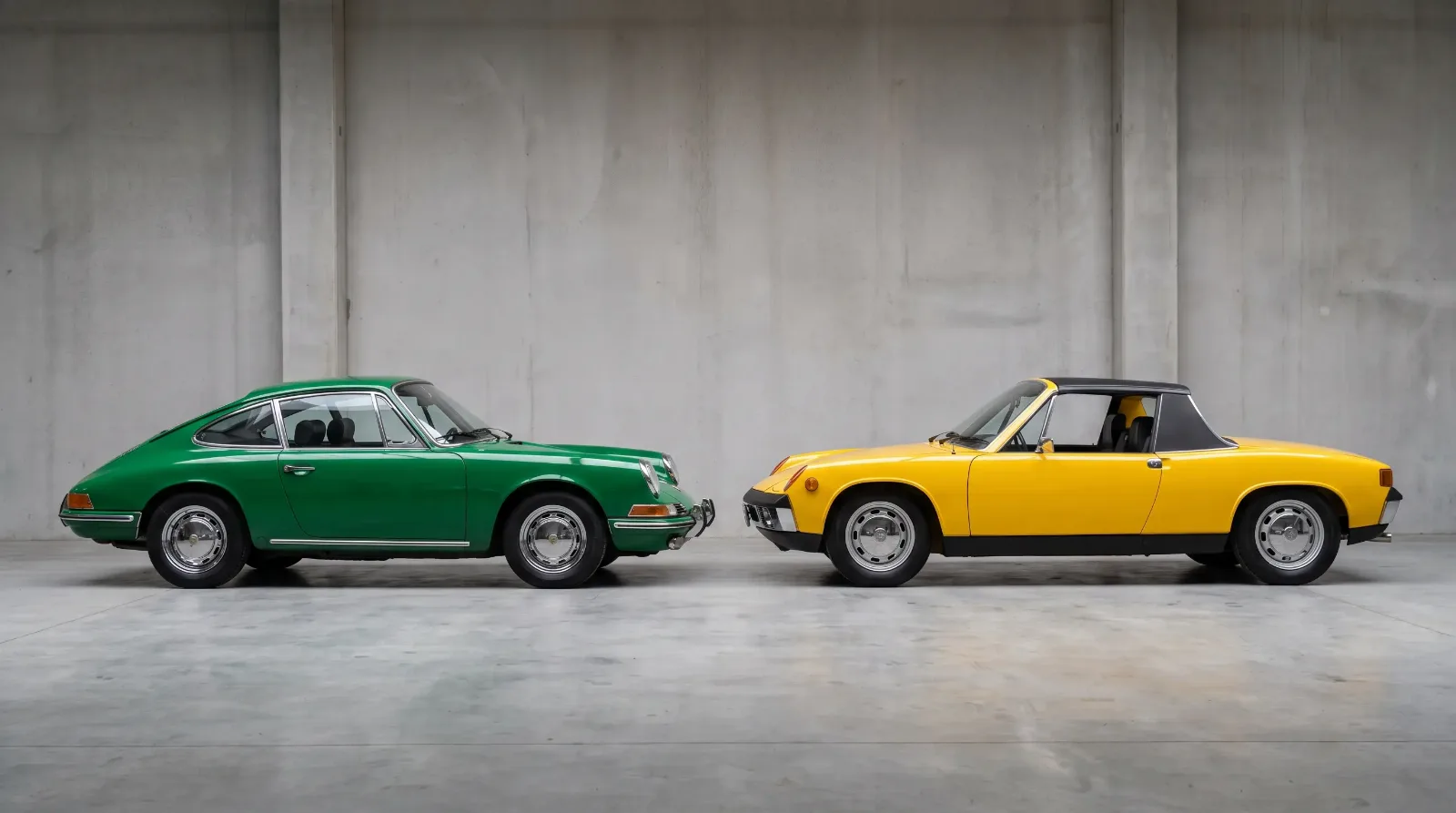
Two different answers to the same brief
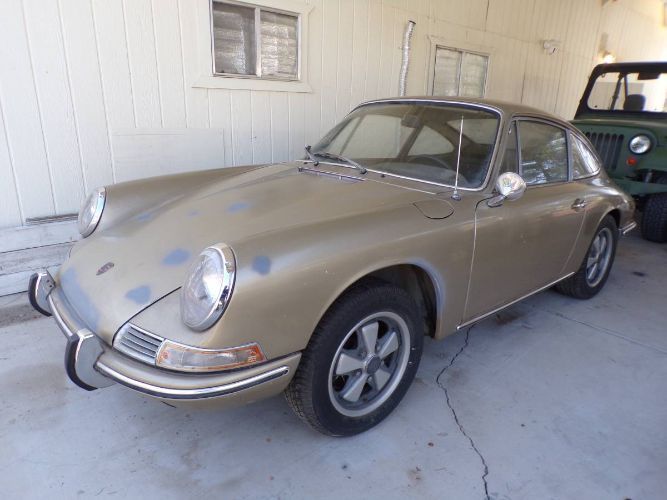
The 912, built from 1965 to 1969, was essentially a 911 body fitted with the older 1.6 liter flat four carried over from the outgoing 356, giving Porsche a lower-cost model to sell alongside the more expensive six-cylinder car without retooling the body shell. It looked identical to a 911 from outside and offered nearly the same interior, at a meaningfully lower price and with fewer cylinders to maintain.
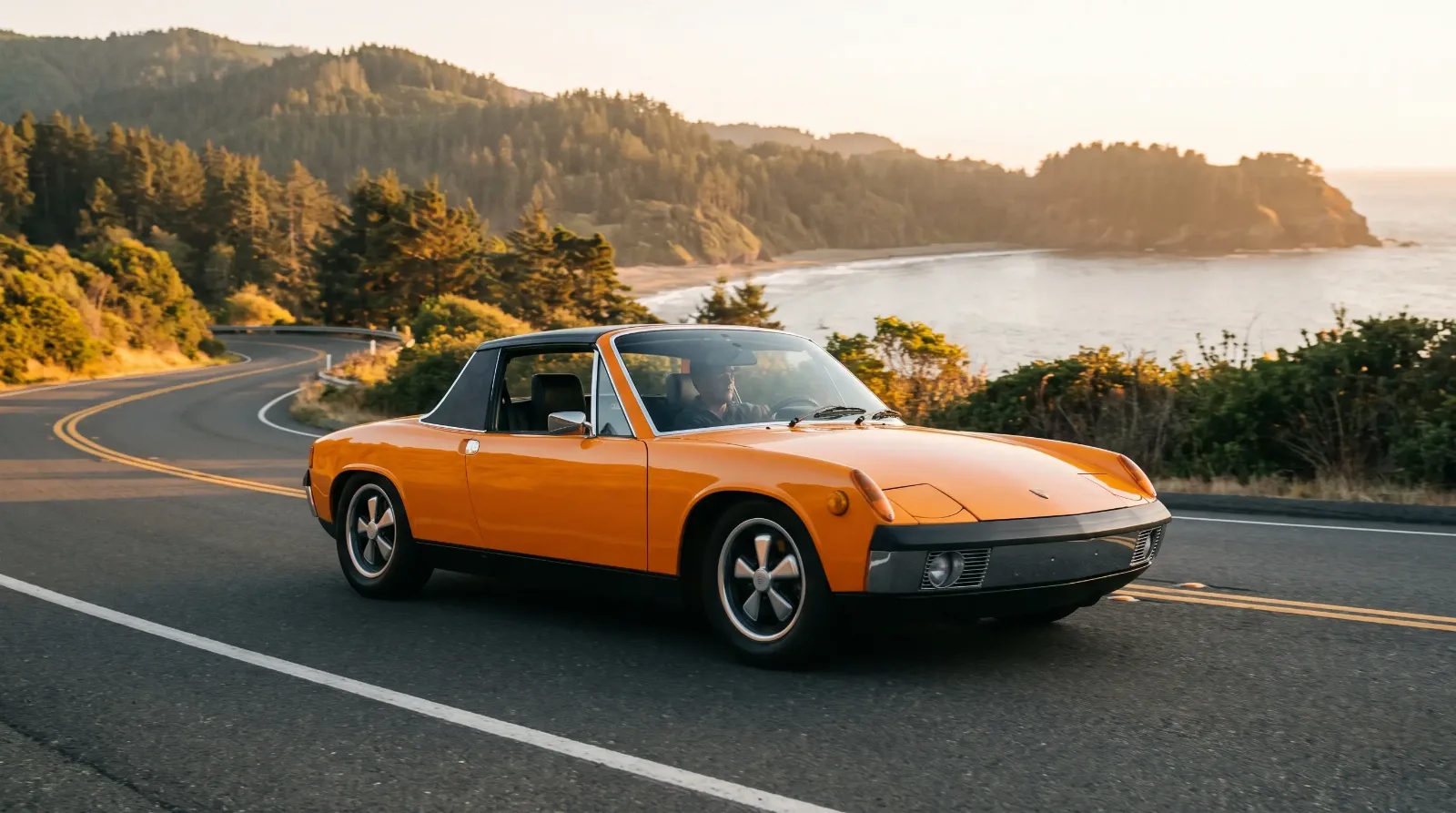
The 914, which followed, took a completely different approach to the same problem. Rather than de-content an existing 911 body, Porsche co-developed the VW-Porsche 914 as a purpose-built mid-engine chassis shared with Volkswagen, using a VW-sourced flat four in the base version and a Porsche flat six in the up-level 914/6. It was a new architecture rather than a de-contented existing one, which changed the ownership experience in ways that go beyond the badge on the trunk lid.
Head to head on the numbers that matter
| Spec | Porsche 912 | Porsche 914 (four-cylinder) |
|---|---|---|
| Production years | 1965-1969 (912E briefly in 1976) | 1969-1976 |
| Engine layout | Rear-mounted flat four | Mid-mounted flat four |
| Displacement | 1.6 liter | 1.7 to 2.0 liter across the run |
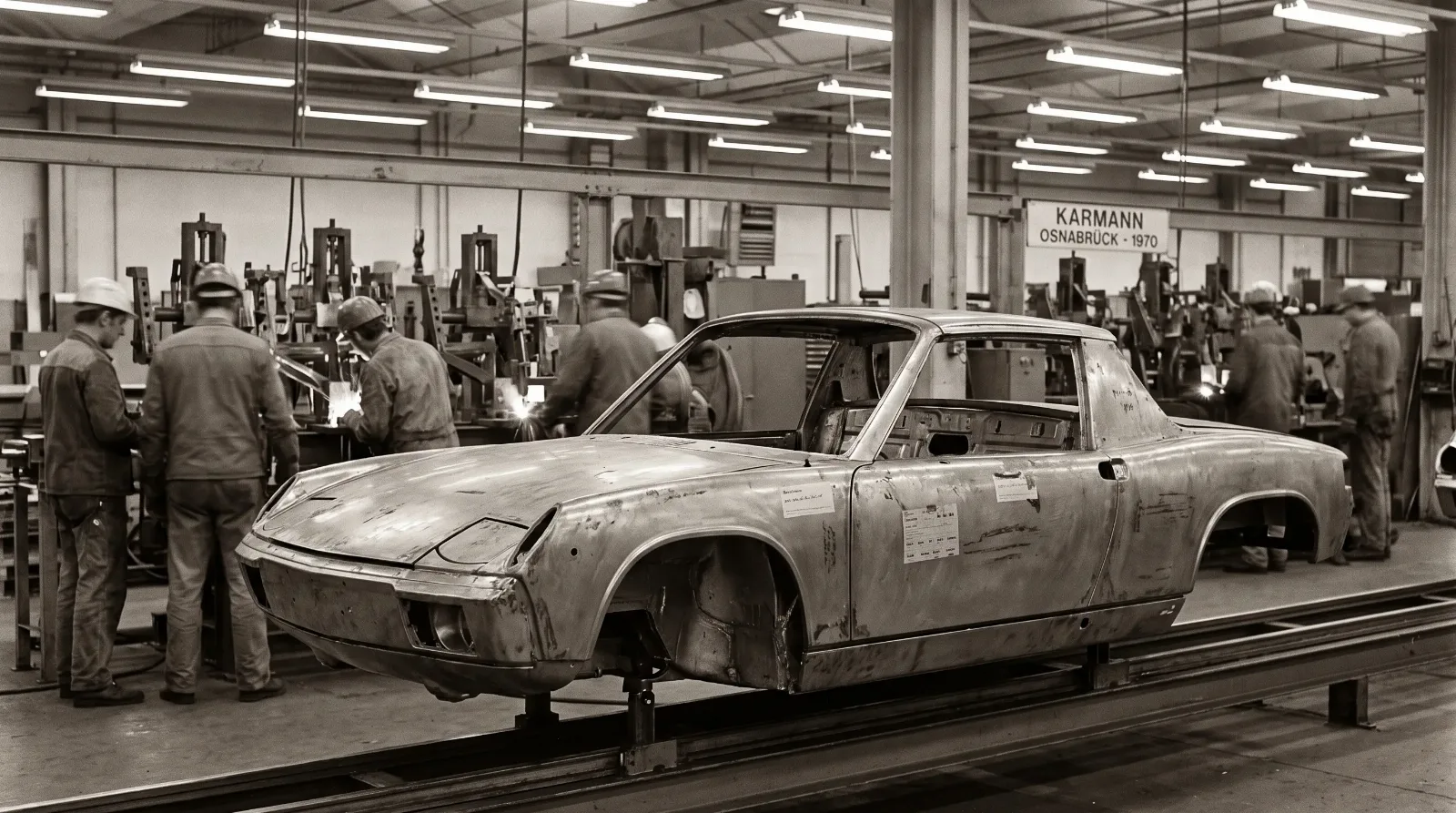
| Body | Shared with 911 | Unique shell, Karmann-built |
| Roof | Fixed coupe | Removable targa panel |
The 912's 1.6-liter flat four, a detuned carryover from the last of the 356s, made around 90 hp (DIN), and its power output was modest even by the standards of its own era, but the car's rear-engine layout and 911 bodywork gave it a handling character that felt immediately familiar to anyone who had driven a 911, just with less to manage under hard acceleration.
Where the 914 pulled ahead
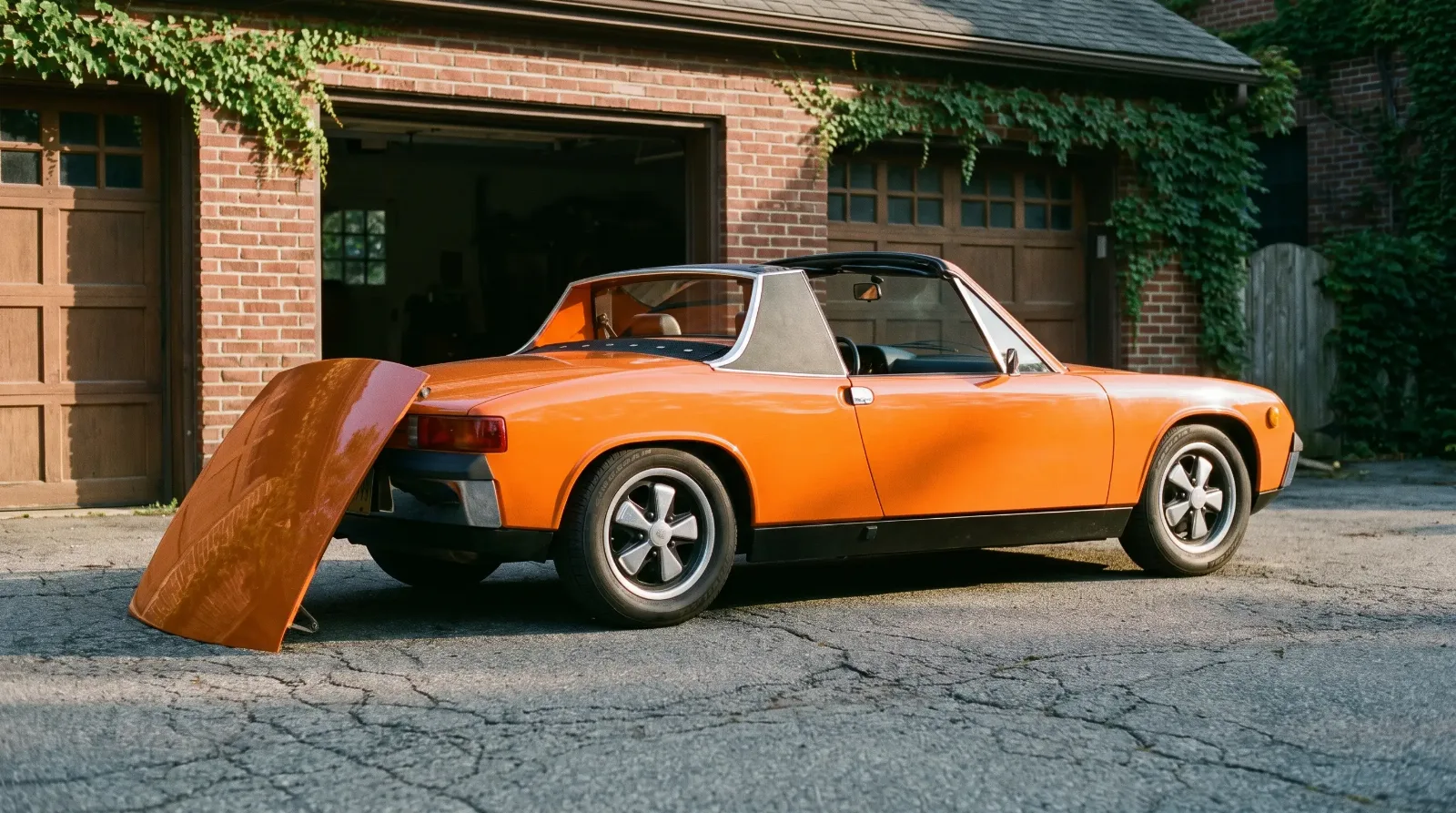
The 914's mid-engine layout, examined in more depth elsewhere in this series, gave it a genuinely different and arguably more balanced handling profile than the 912's rear-engine setup. It also solved a practical problem the 912 never addressed: usable cargo space. With the engine sitting between the cockpit and the rear axle, the 914 offered a trunk at both ends of the car, something the 912's conventional layout could not match. The removable targa roof, meanwhile, gave 914 owners open-air motoring the fixed-roof 912 simply did not offer.
Where the 914 lost ground was in perceived pedigree. Because it was co-developed with Volkswagen and used a VW-sourced engine in its base form, some period buyers and plenty of collectors since have treated the 914 as a lesser Porsche, regardless of what the chassis engineering actually delivered. That perception gap has shrunk considerably as more owners have driven both cars back to back and come away impressed by the 914's balance.
Ownership costs and parts realities
Parts availability tilts in favor of the 912 for anything shared with the early 911, since that platform has enjoyed decades of aftermarket support driven by 911 demand generally. Engine work, in particular, benefits from a large pool of specialists who have worked on the flat four and flat six 911-family engines for years. The 914 is a narrower niche. Body panels and Karmann-specific trim pieces can take longer to source than equivalent 911 parts, and the mid-engine layout means some routine service jobs simply take a competent mechanic longer than the same job on a 912, which affects labor cost even when the parts themselves are not expensive.
Rust remains the deciding factor in both cars regardless of which one a buyer prefers on paper. A structurally sound 912 with mediocre cosmetics is almost always a better purchase than a cheap 914 with hidden floor pan corrosion, and the reverse is equally true. The badge on the trunk lid matters far less than what a lift and a flashlight reveal underneath either car.
Which one is the better buy today
The honest answer depends on what the buyer actually wants from the ownership experience. A 912 delivers the closest thing to authentic 911 handling and a body shape that has never gone out of style, and it remains simpler to service given its shared parts bin with the early 911. A 914, particularly a well-sorted four-cylinder example, delivers a more modern-feeling drive with genuinely better weight distribution and the practicality of open-top motoring and dual trunks, at what is often a friendlier purchase price given the lingering perception gap.
Neither answer is wrong. Buyers chasing period-correct 911 lineage and simplicity tend to land on the 912. Buyers who care more about how the car actually handles on a back road, and who are not troubled by the VW parentage, tend to land on the 914 and rarely regret it. For more, the next story in this set looks specifically at the targa roof engineering that gives the 914 its open-air advantage over the fixed-roof 912.
"I've had owners of both cars tell me the other one is overrated, and they're both wrong. The 912 is the purer 911 experience for less money. The 914 is the better engineered chassis for the price. Pick based on which of those two things you actually value, not on which badge sounds more impressive at a cars and coffee."
Emily Chen
For a deeper look at how this whole model line came together, the full Porsche story traces the broader context both cars occupied inside Porsche's lineup. And if the 914 side of this comparison has you leaning toward ownership, current classic Porsche 914 for sale listings are worth a look before prices move further on well-sorted examples.
Sources and notes
Related Reading
Have a
Porsche
for Sale?
Reach thousands of serious classic car collectors across the US.
Sell It Here →
Are You a Classic Car Dealer?
List your full inventory and connect with targeted classic car buyers.
Join as a Dealer →

About the author
Emily Chen
Bay Area engineer with a deep focus on vintage Japanese and European performance cars. Approaches classic car research and restoration with an analytical eye.
Related Listings - Porsche




Comments
Be the first to comment on this article.