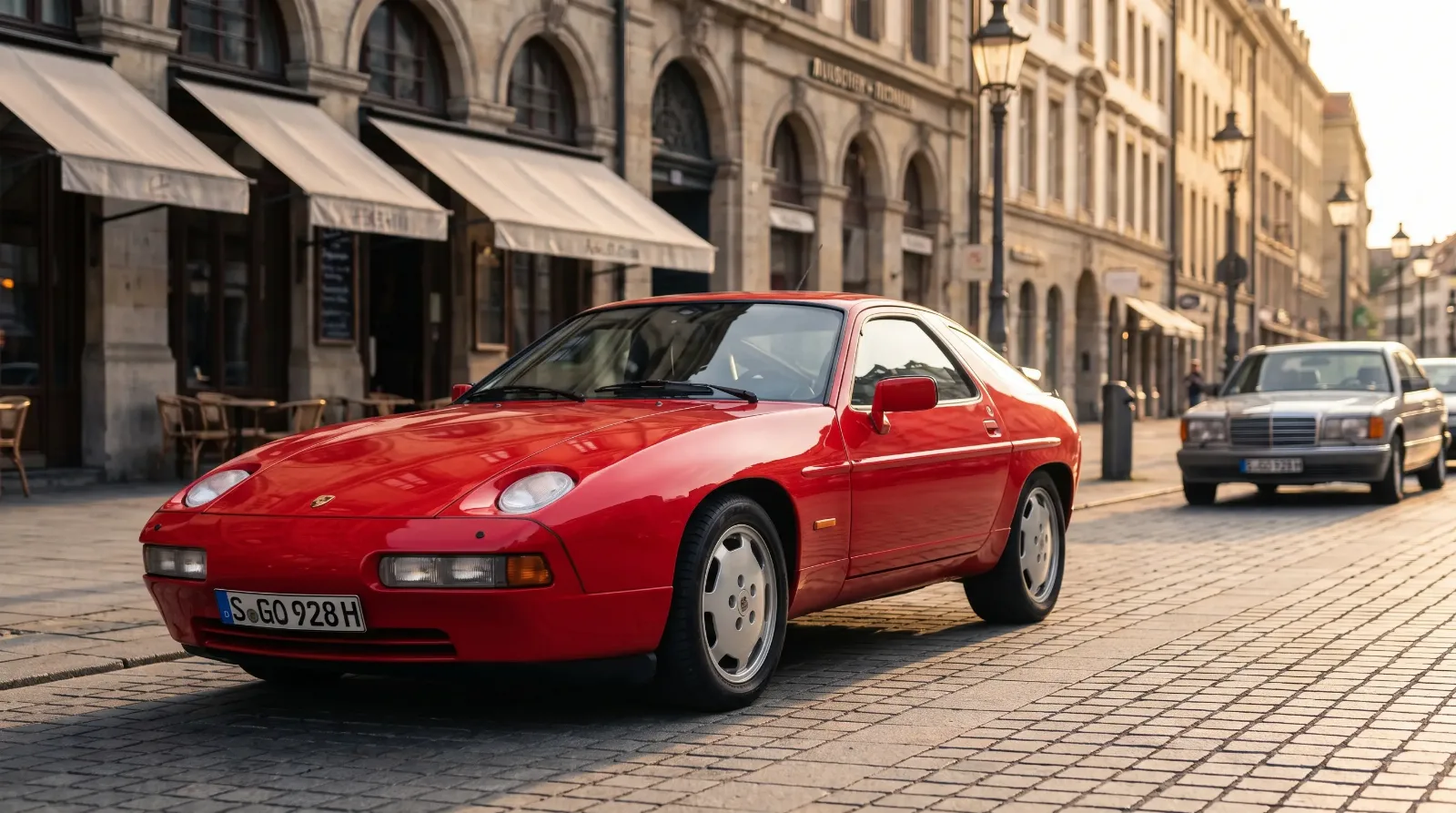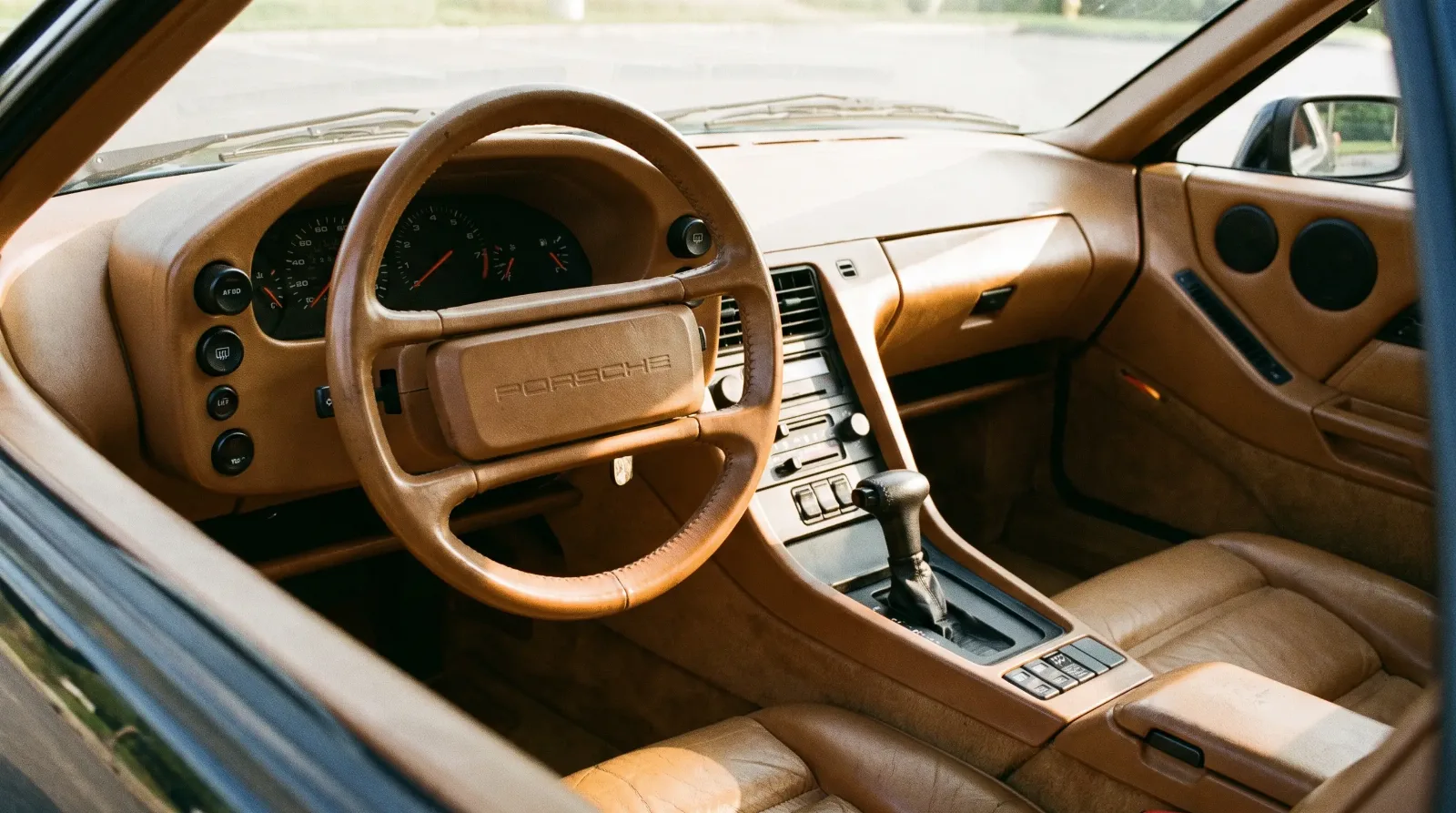
I used to keep a folder of 928 classifieds clipped from the back pages of car magazines, mostly because the prices made me laugh. A clean 1987 S4 for less than a used Honda. A GTS with service records going back to the dealer that sold it new, priced like nobody wanted it. That was the Porsche 928 for the better part of three decades: a car built to replace the 911, sold in small numbers, and then quietly ignored by the market that eventually made it valuable. The story of the the V8 grand tourer and the story of its collector value are really two different timelines, and it took a long time for them to meet.
A car nobody wanted at the swap meet
Through most of the 1990s and 2000s, the 928 had a reputation problem it never quite earned. It was expensive to service, heavy compared to a 911, and it looked nothing like what people pictured when they said "Porsche." Club members I knew treated it almost as a private joke, a car you bought because you liked it, not because anyone else did. Prices reflected that. A running, driving 928 S or S4 could be had for a few thousand dollars well into the 2000s, and even the last of the line, the GTS built through 1995, sat in the low five figures for years after production ended.
That depressed pricing did one useful thing for the cars that survived: it filtered out speculators. Nobody was buying a 928 to flip it. The people who owned them owned them because they liked the layout, the V8, the way the whole package felt different from every other Porsche on the lot. That self-selection matters more to the collector story than any auction result, because it meant the cars that stuck around were mostly in the hands of people who maintained them.
Why the 928 sat cheap for thirty years
Part of the answer is simple supply and demand for a certain kind of buyer. Air-cooled 911 values started climbing hard in the mid-2010s, and that rising tide pulled some attention toward other classic Porsches, but the 928 lagged behind for its own reasons. Maintenance costs on the V8, the timing belt service interval that scares off casual buyers, and the sheer size of the car compared to a 911 all kept it out of the mainstream collector conversation. It was, for a long time, the Porsche you bought if you already understood what you were getting into.
The other part of the answer is generational. The people who grew up wanting a 911 poster on their wall were not the same people who wanted a 928 poster, at least not in the numbers that move a market. It took the generation that actually remembered the 928 as a new car, or discovered it later as an oddball alternative to a 911, to start bidding it up.
"I've sat in club meetings where a guy would apologize for owning a 928, like he'd bought the wrong car by accident. Now that same guy gets asked what he wants for it."
— Wayne Coburn
The GTS turns the corner
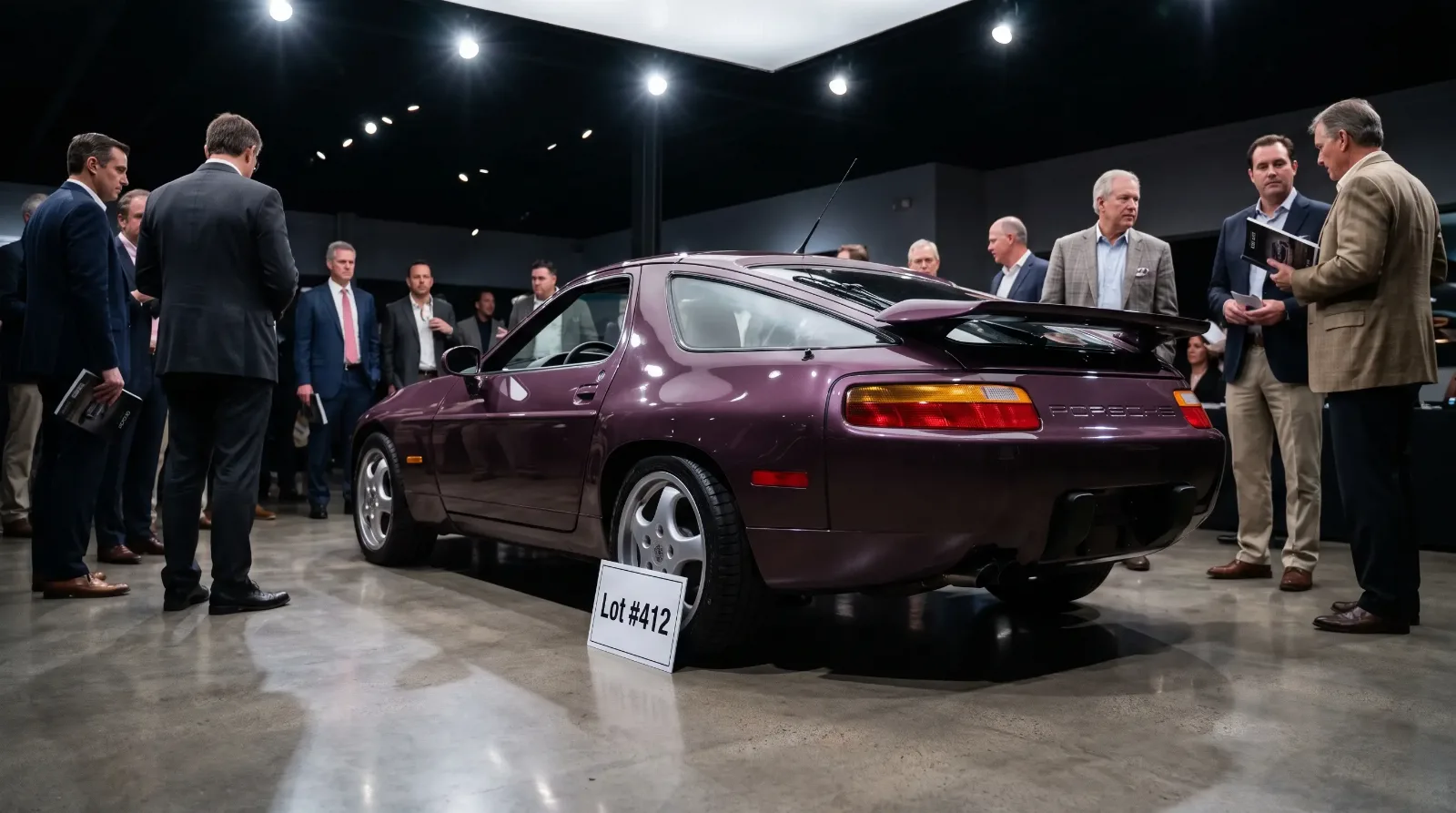
If there's one variant that dragged the whole model line into serious money, it's the GTS. Built only for the final years of production, with the larger V8 and the widened rear bodywork, the GTS was always the version enthusiasts pointed to as the one that got it right. Auction results over the last several years have shown clean, low-mileage manual GTS examples clearing well into six figures, with top sales landing in the $270,000 to $280,000 range, a number that would have seemed absurd to the same club members clipping classifieds twenty years ago.
That shift did not happen overnight, and it did not happen evenly across the model line. Early 928s and 928 S cars have moved up too, but nowhere near the pace of the GTS. The market has been specific about which chapters of the 928 story it wants to pay for, and that's worth understanding before anyone assumes every 928 is suddenly a blue-chip investment.
| Variant | Years | Collector market position |
|---|---|---|
| 928 / 928 S | 1978 to 1986 | Entry point, still the most affordable way in |
| 928 S4 | 1987 to 1991 | Steadily appreciating, strong club following |
| 928 GT | 1989 to 1991 | Lower production, sought by driver-focused buyers |
| 928 GTS | 1992 to 1995 | Top of the market, clean examples command the highest prices |
What the auction record actually says
Documentation has become the deciding factor in what a given 928 brings at sale, more so than with almost any other collector Porsche. Because the cars were expensive to maintain and easy to neglect, a full service history carries real weight with buyers who know exactly what a lapsed timing belt service can cost to fix after the fact. Cars with a clear paper trail from marque specialists routinely outsell cosmetically similar cars with gaps in the records, sometimes by a wide margin.
That's a useful thing to know if you're shopping this market rather than just watching it. The porsche 928 collector car market has rewarded patience and paperwork over flash, and the private sales that don't make headlines often tell a more honest story than the handful of auction results everyone quotes. For readers curious how the model's engineering choices set up this exact dynamic, it's worth reading another angle on the same car, which looks at where Porsche tried to take the platform next.
Where the market sits now
None of this makes the 928 a sure thing. It's still a heavier, more complex car to own than a 911, and the buyer pool, while growing, remains smaller than for the cars Porsche built in bigger numbers. What's changed is that the 928 has finally stopped being the punchline it was for so long. The people who bought them when nobody else wanted them are, in a lot of cases, still the ones holding the best examples, and the market has finally started catching up to what they already knew.