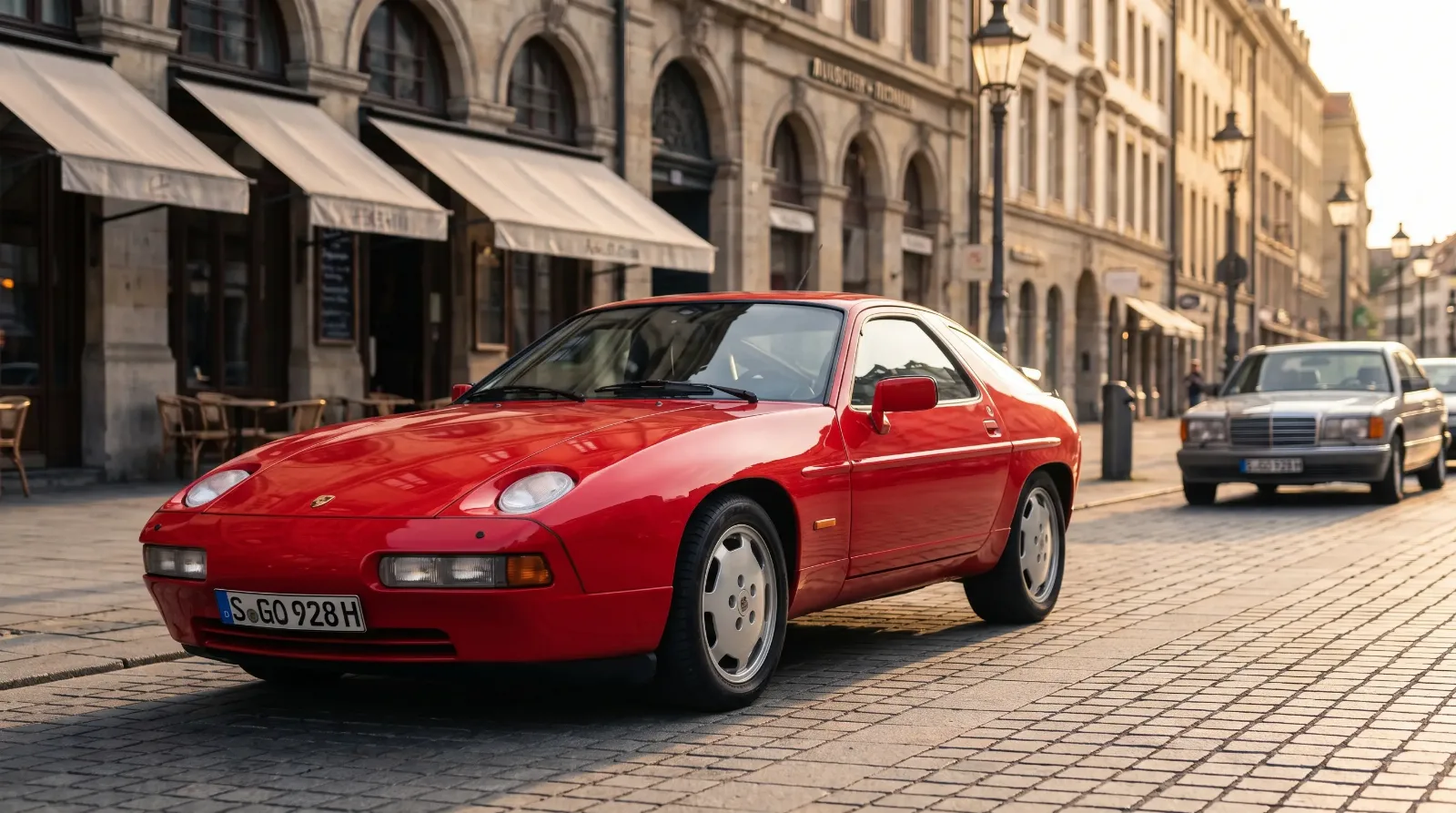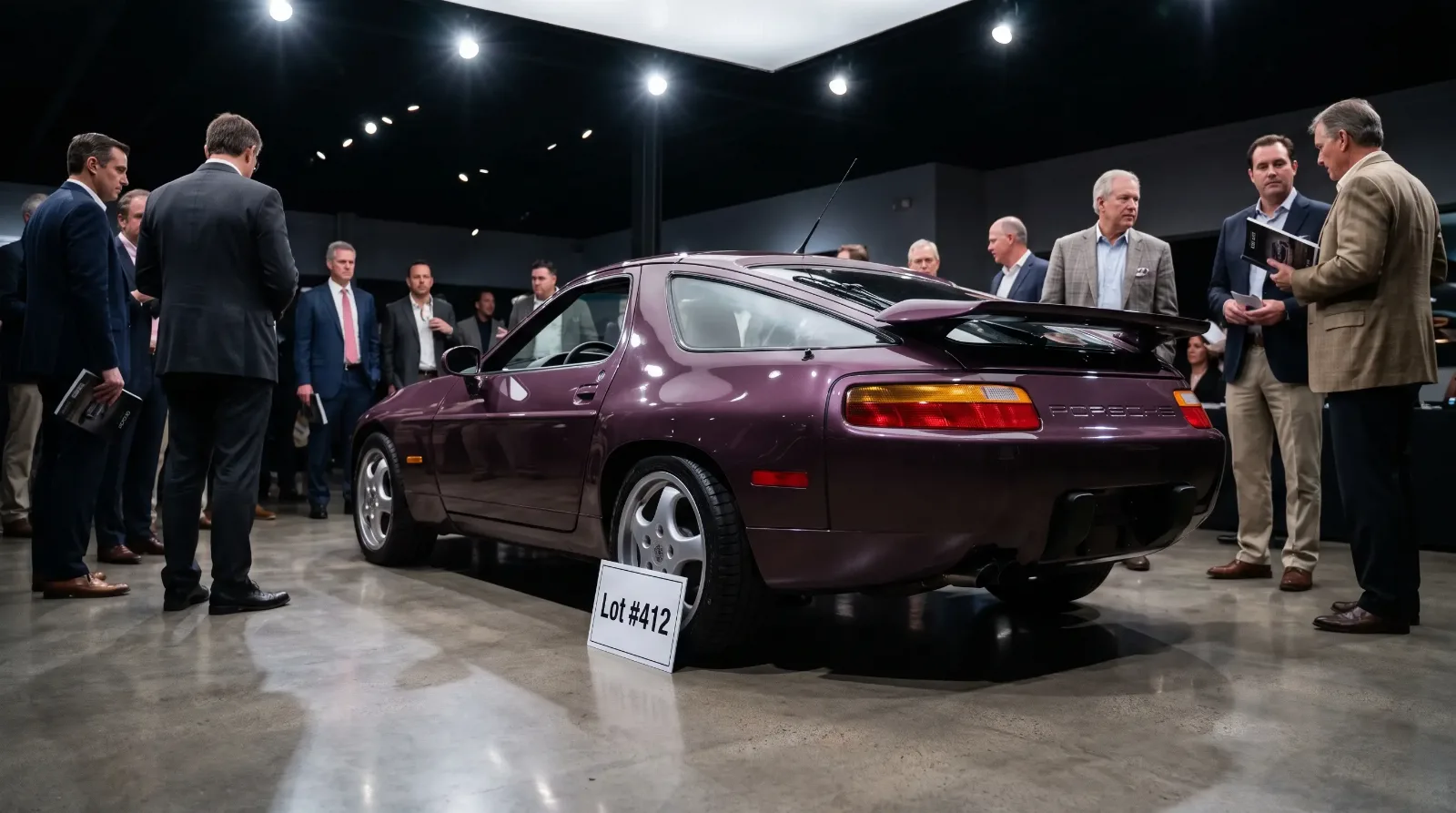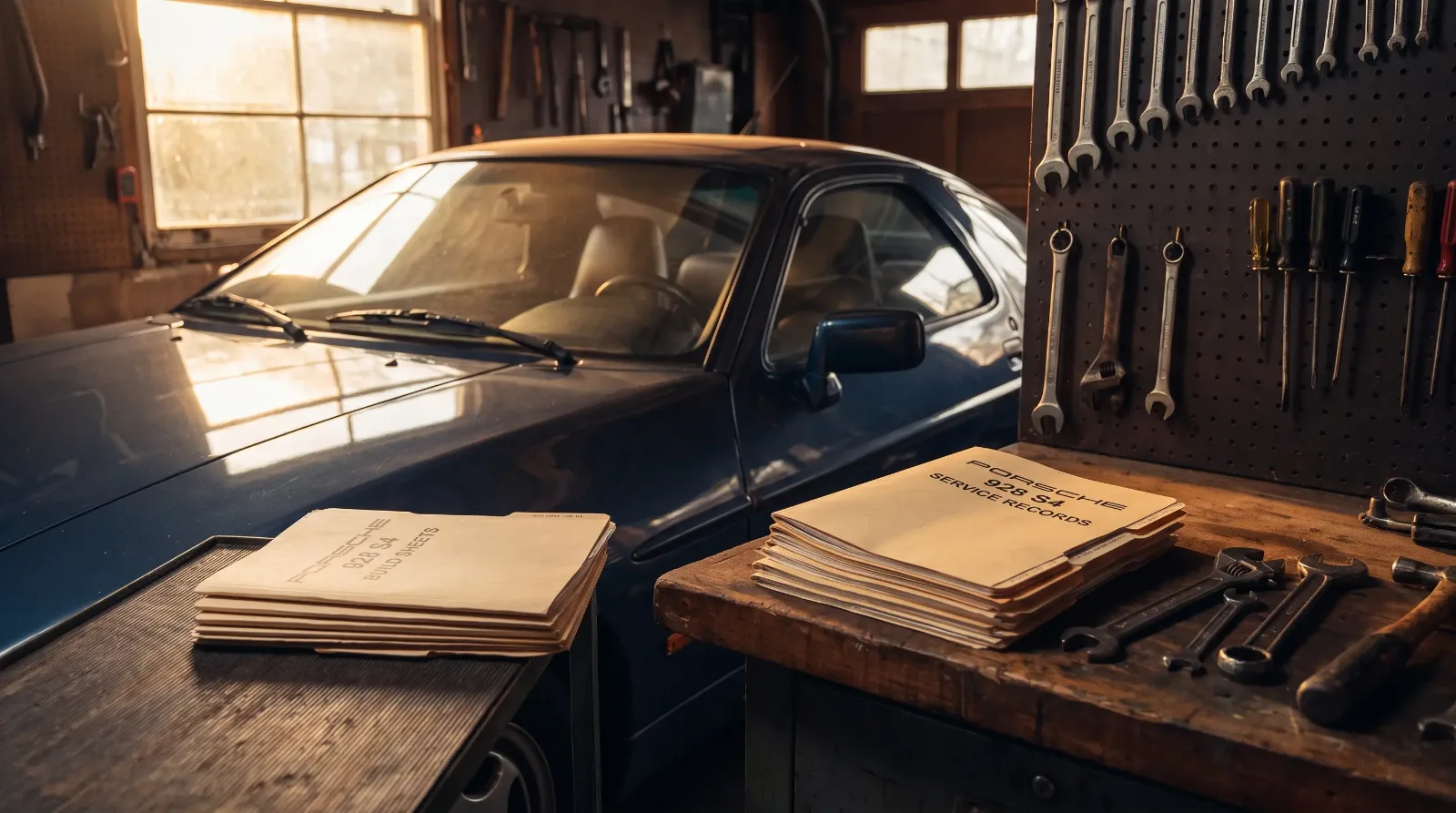
Ask a longtime Porsche club member what should have replaced the 928, and you'll usually get a pause before the answer, because the honest answer is that nothing really did. Porsche built at least two serious attempts at a proper porsche 928 successor during the model's own production run, and both got cancelled before they reached a showroom. The cars themselves barely exist outside prototype photos and old engineering memos, but the decisions behind killing them shaped Porsche for the next twenty years. That's a stranger story than the 928 story itself gets credit for.
A flagship meant to replace two cars at once
Through the mid-1980s, Porsche's engineers were working on a project that would have folded the 911 and the 928 into a single flagship, a turbocharged, all-wheel-drive grand tourer that could theoretically do everything both existing cars did, just better and in one body. Internally this project carried the designation 965, and it is remembered today as one of the more ambitious dead ends in the company's history. Porsche shelved it in December 1988. The idea made sense on paper. Porsche was running two very different platforms, the air-cooled rear-engine 911 and the water-cooled front-engine V8 928, and consolidating them promised real savings in tooling and engineering resources.
It never got built. Cost projections came in far higher than Porsche's finances could support at the time, and the company was already stretched thin. Rather than gamble the whole model lineup on an unproven flagship, Porsche's leadership chose to keep developing the 911 on its existing architecture instead, a decision that eventually produced the 993 generation later in the decade.
Why the money went to the 911 instead
Porsche in the late 1980s and early 1990s was in a genuinely difficult financial position. Sales had dropped sharply from their mid-1980s peak, and the company could not afford to fund multiple new platforms at once. Every serious successor project competed directly with keeping the existing lineup alive, and the existing lineup meant the 911 above all else. That's the blunt version of why the 928 never got a true replacement while it was still in production: there simply wasn't a second car's worth of budget available.
Club members who lived through that period sometimes frame it as Porsche choosing survival over ambition, and there's truth in that, but it's also a fair description of what kept the company independent. The 911 kept selling in numbers the 928 never approached, and when the money had to go somewhere, it went where the sales were.
"Every 928 owner I know has heard some version of the flagship-that-never-was story at a club dinner. The paperwork on those cancelled projects tells you more about Porsche's near-death experience in the early nineties than any brochure ever will."
— Wayne Coburn
The GTS as the closest thing to a successor
With no clean-sheet replacement coming, Porsche instead pushed the existing 928 platform as far as it could go, and the result was the GTS. Larger V8, wider rear track, updated interior. It wasn't a new model in the sense the cancelled flagship projects would have been, but it was Porsche's answer to the question of what came next for the front-engine V8 grand tourer, using the tooling and engineering it already had rather than the tooling it couldn't afford to build.
That's worth sitting with. The GTS is often talked about as simply the best 928, and it is, but it's also the direct result of Porsche not being able to build what its engineers actually wanted to build. The car that exists is a compromise version of a much bigger ambition.
| Project | Concept | Outcome |
|---|---|---|
| All-wheel-drive turbo flagship | Single car to replace both 911 and 928 | Cancelled on cost, 911 development prioritized instead |
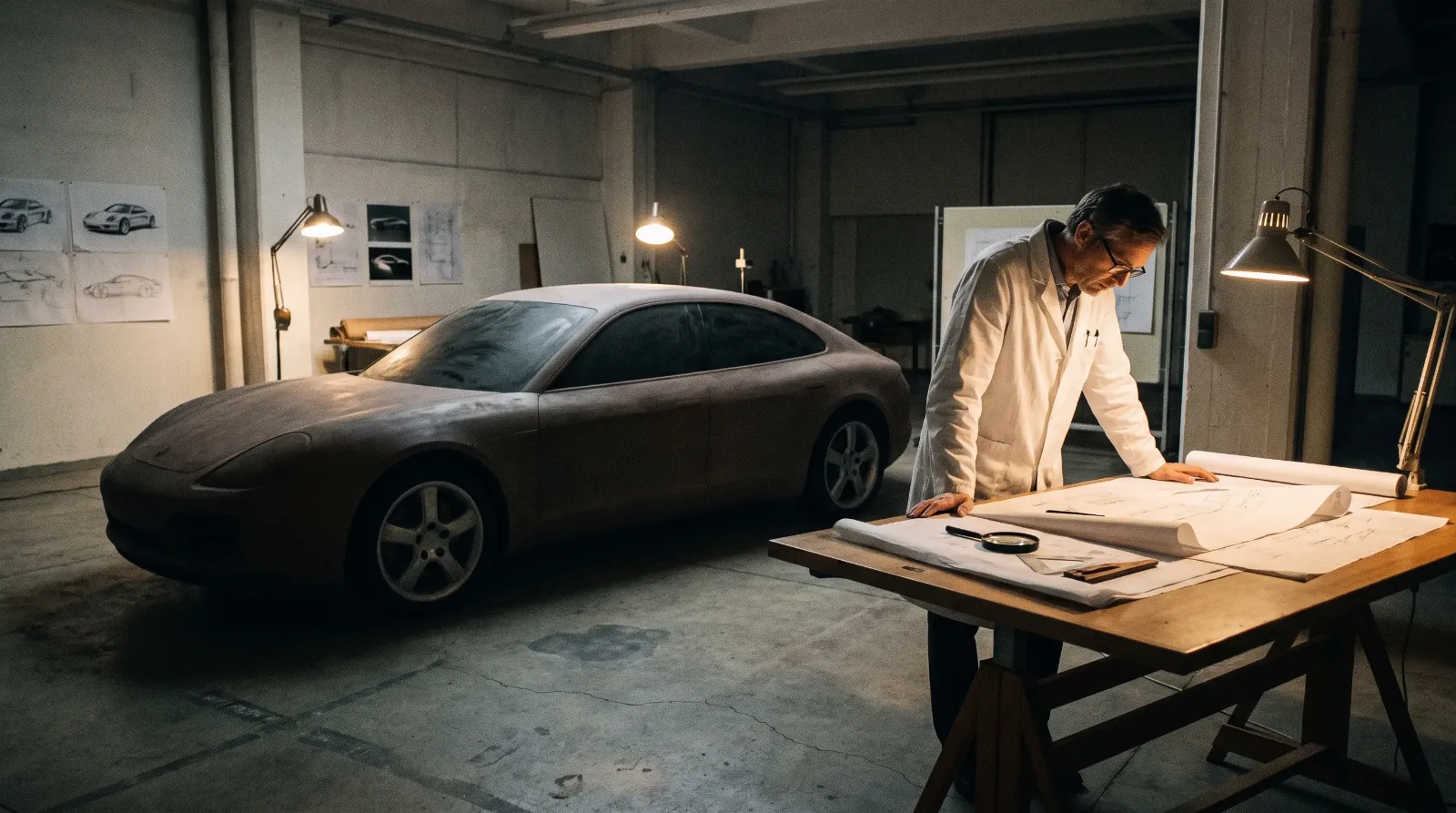
| 928-based luxury sedan | Four-door flagship built on 928 running gear | Cancelled, idea revived decades later as the Panamera |
| 928 GTS | Final development of the existing platform | Reached production, closest thing to a successor built |
What actually replaced the 928
Strictly speaking, nothing replaced the 928 when production ended in 1995. Porsche did not build another front-engine V8 grand tourer until well over a decade later, and even then the market and the company had changed enough that the comparison only goes so far. The 928 ended its run as a car without an heir, which is part of why club members still argue about what should have come next. There wasn't a clean answer in 1995, and there still isn't one that satisfies everybody today.
What makes the gap more interesting is that Porsche didn't stop thinking about the front-engine V8 formula once the 928 left production. Engineers who had worked on the cancelled flagship projects carried those ideas forward informally for years, and pieces of that thinking surfaced again once the company's finances recovered later in the decade. The direct line from those 1980s sketches to any later Porsche sedan is loose at best, more a shared ambition than a continuous engineering program, but the fingerprints are there for anyone who reads the internal history closely.
It also explains why so many 928 owners bristle at being asked what "replaced" their car. Nothing did, not cleanly, and the closest thing to an answer took the better part of two decades to arrive in a completely different body style aimed at a completely different buyer. That's a long silence for a model line that started with this much ambition behind it.
For the fuller picture of how that gap affected the people who actually owned these cars day to day, another angle on the same car covers what living with a 928, and knowing it would never get a proper successor, actually felt like for owners.