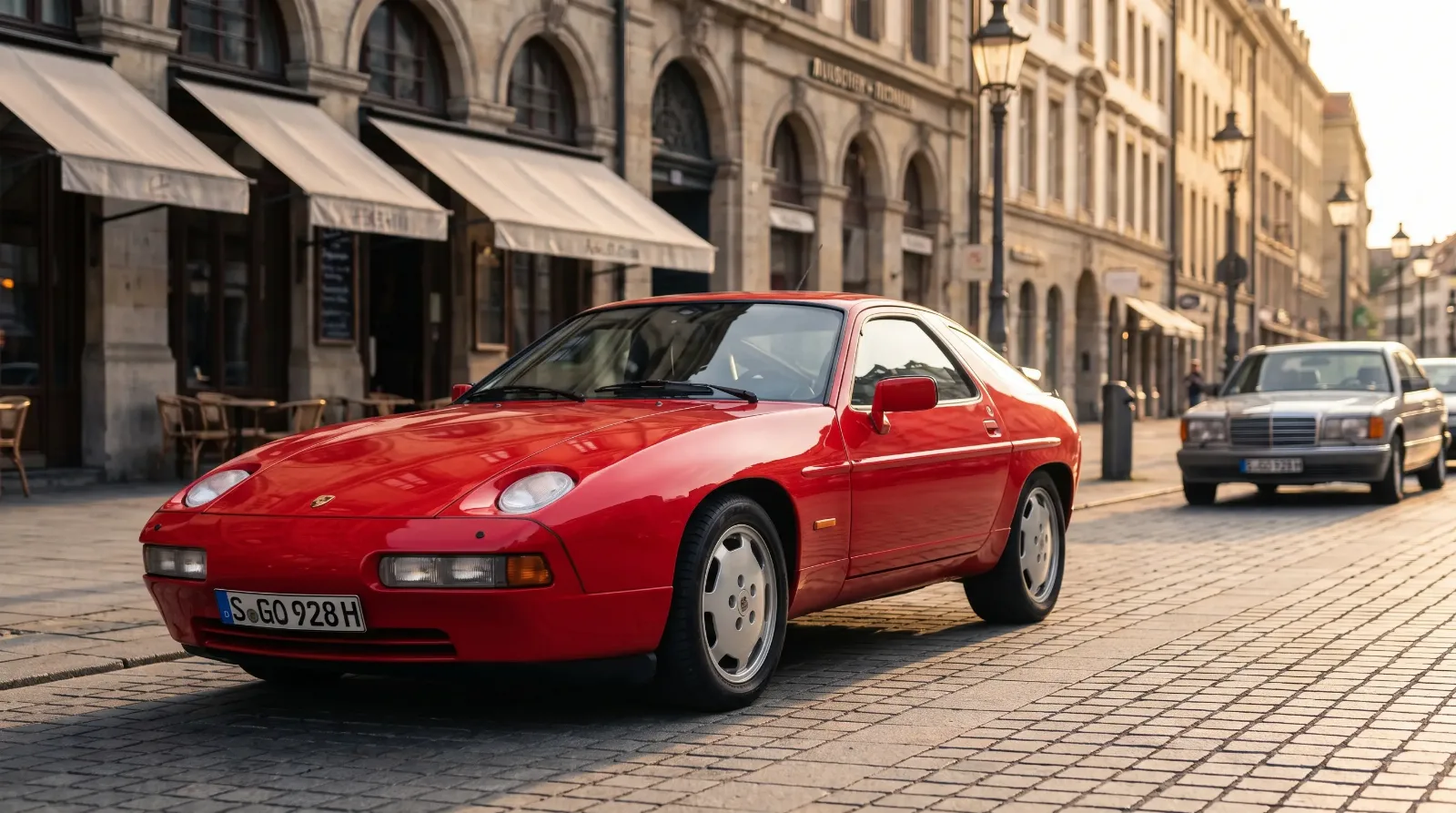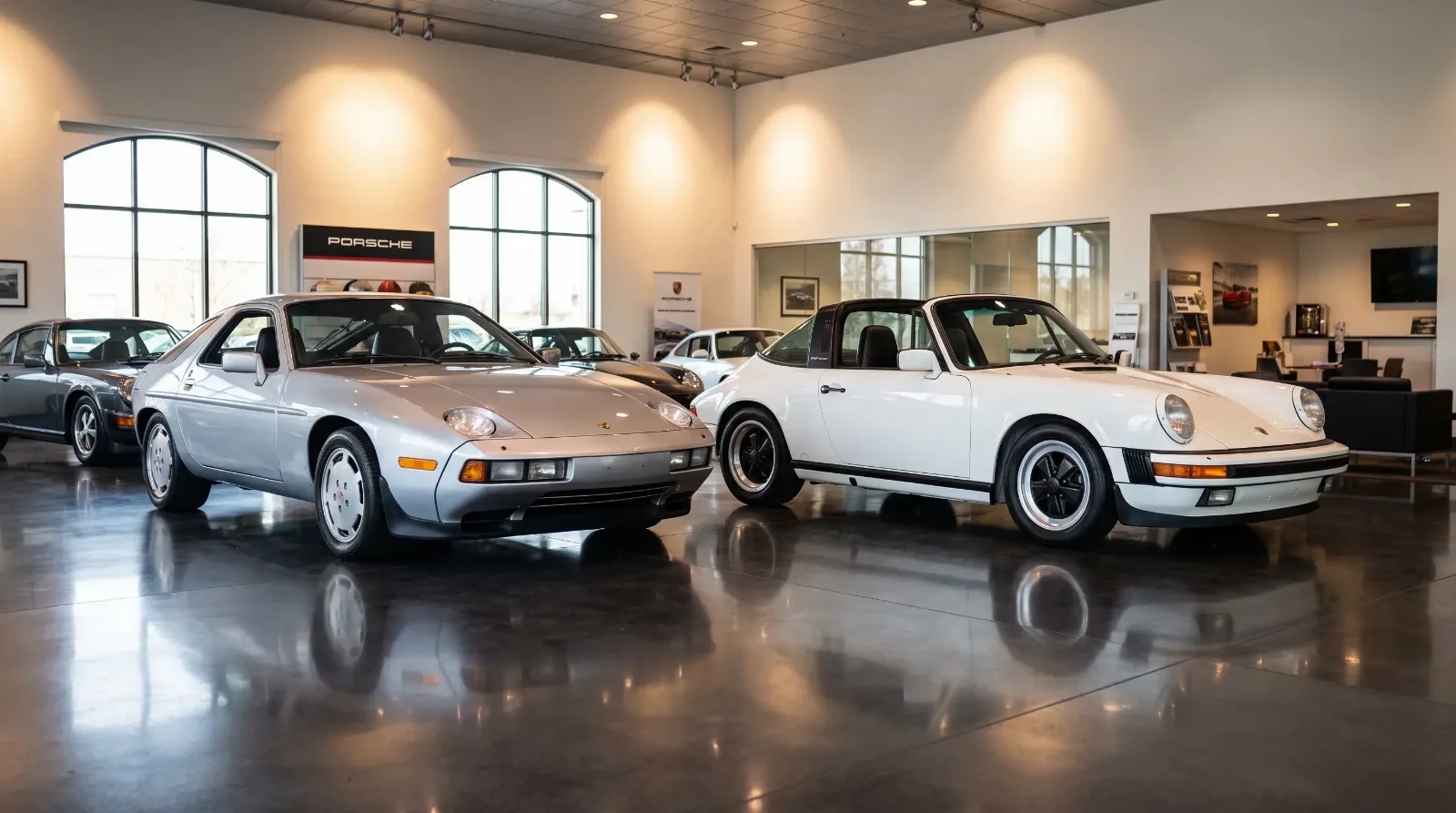
Porsche 928 ownership tends to produce two kinds of stories, and I've heard both from the same owner in the same conversation more times than I can count. One is about how the car drives, the V8 pulling smoothly from low revs, the cabin quiet enough to hold a conversation at speed, the whole package feeling like it was engineered by people who took long-distance touring seriously. The other is about a repair bill. Both stories are true, and understanding why they coexist tells you most of what you need to know about who ends up keeping one of these cars long term.
What the factory built these owners into
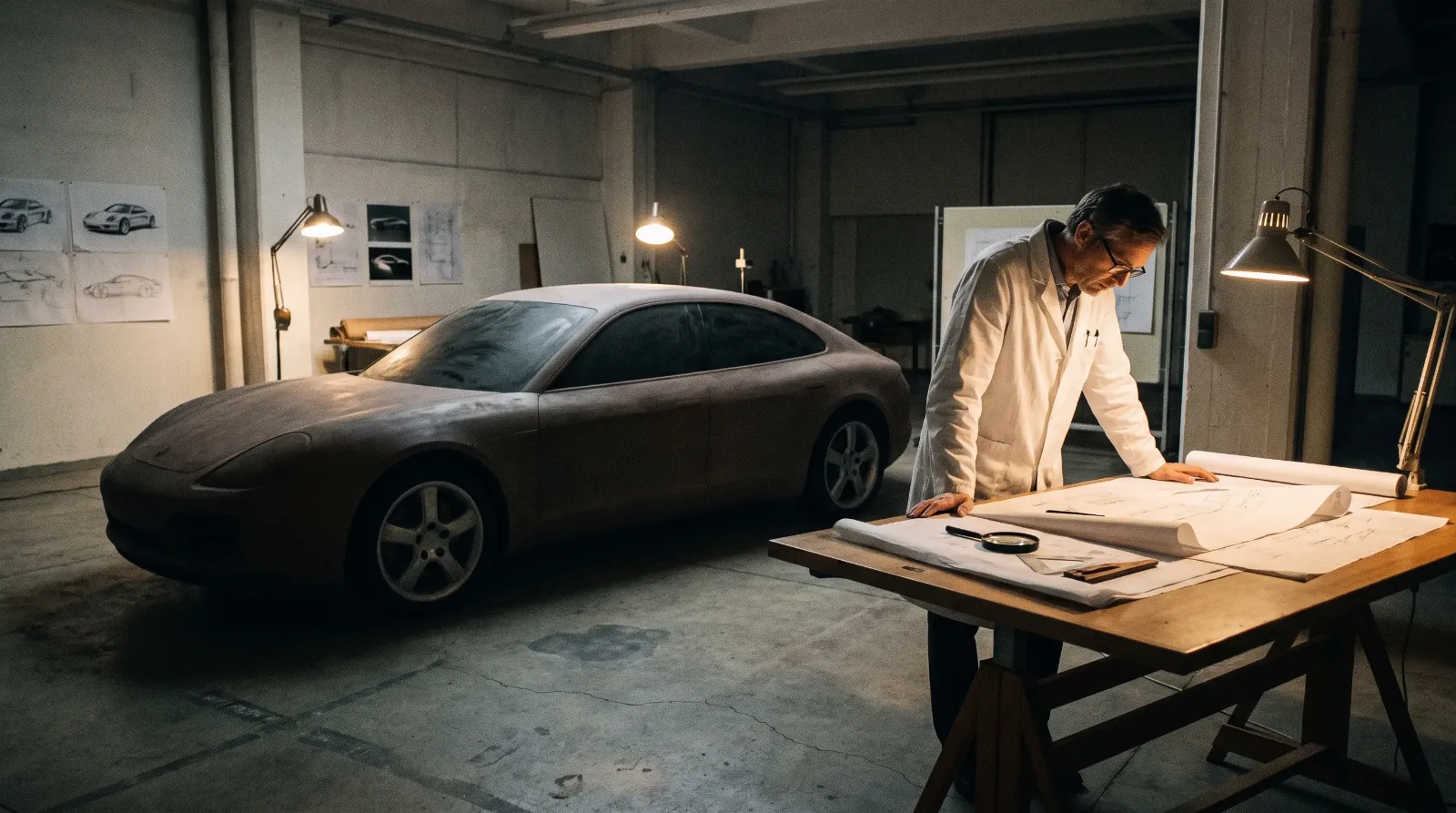
Porsche's own engineering brief for the 928, developed through the 1970s under project designation Type 928, called for a grand touring car that could cruise at high speed for hours without fatiguing the driver, a very different mission from the 911's. The transaxle layout, with the gearbox mounted at the rear for weight balance, and the standard air conditioning and power accessories that were still options on other Porsches of the era, were direct answers to that brief. Owners who buy a 928 today are, whether they know it or not, buying into that original design intent almost unchanged.
That intent is worth stating plainly because it explains a lot of what owners love about the car. It was never meant to be the raw, mechanical experience the 911 offers, and judging it against that standard misses the point of why Porsche built it in the first place.
What the factory did not design cheap to fix
The same engineering ambition that makes the 928 pleasant to drive also makes it expensive to keep right. The V8's timing belt and water pump service interval requires the front of the engine to be substantially disassembled, a job that takes real hours regardless of who's doing it. The cooling system has more components than a 911's, because it has to manage heat from a front-mounted V8 and a rear-mounted transaxle. And the climate control and power systems that made the car comfortable in period are now decades-old electronics that don't always fail gracefully.
None of this is a design flaw exactly. It's the cost of the brief Porsche set out to fulfill. A car built to be quiet, comfortable, and fast over long distances needed more systems working together than a stripped-down sports car does, and more systems means more that can eventually need attention.
"The factory documentation on the 928 is unusually thorough for a car of its era, and reading it makes clear that Porsche expected owners to maintain it properly rather than run it into the ground. That's a different kind of ownership than a lot of people expect walking in."
— Tom Ramirez
The community that grew around that gap
Because the 928 demands a certain level of mechanical seriousness, the ownership culture around it skews toward people who keep records, share repair notes, and trade parts sources within club networks rather than relying on general Porsche shops that may not know the platform well. That's produced a smaller but more technically fluent community than you'd find around, say, an air-cooled 911. Specialist independent shops that focus specifically on the 928's cooling, timing, and electrical systems have become the backbone of long-term ownership, often more relevant to a buyer's decision than the dealer network ever was.
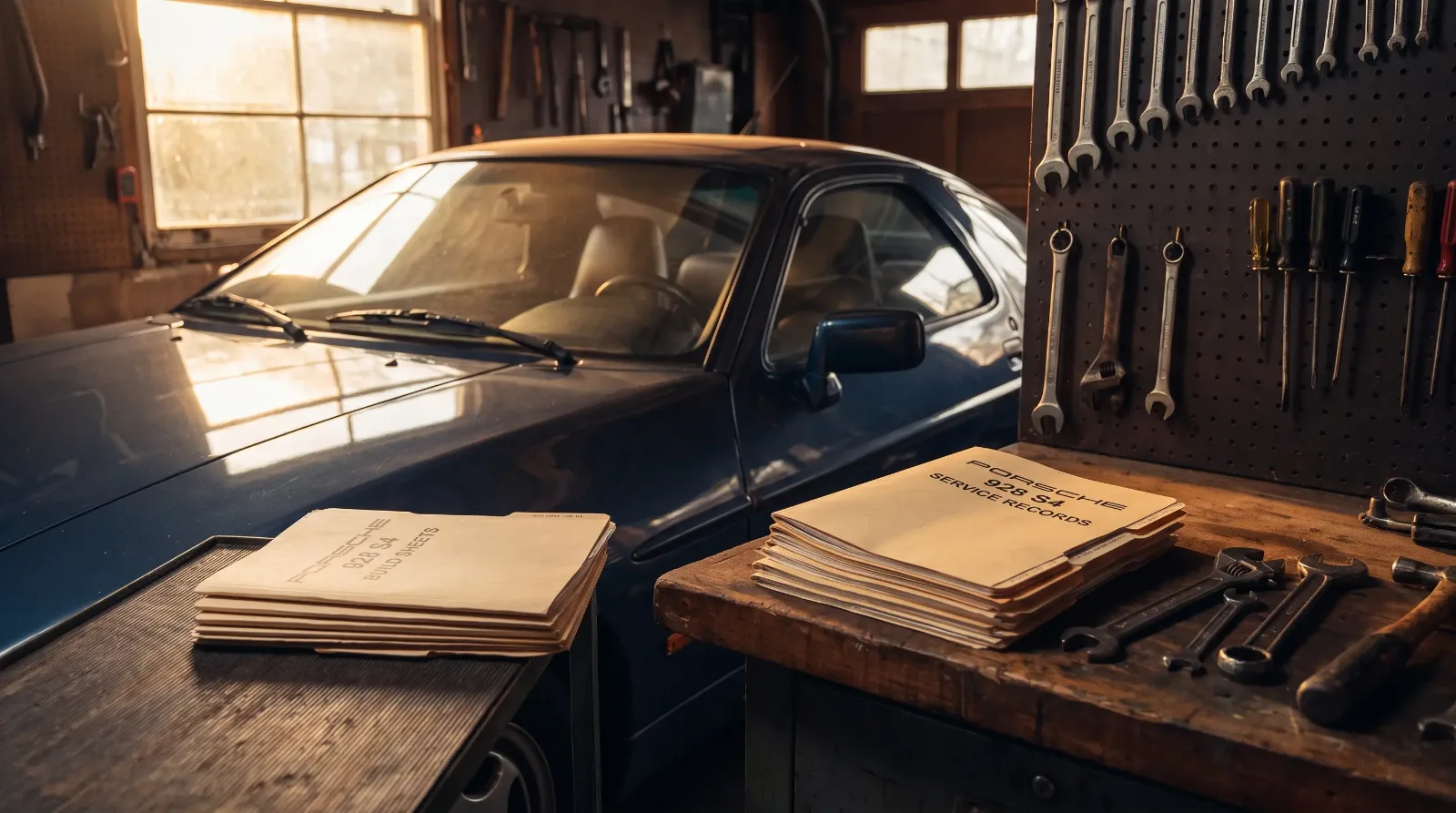
This is also where a lot of the model's documentation survives. Owners who kept factory build sheets, original window stickers, and full service histories have, without necessarily intending to, built the record that historians now use to understand exactly how the 928 evolved across its production run. Reading the 928 chapter of that broader history makes clear how much of what we know about the car's development comes directly from owners who never stopped documenting it.
| Ownership factor | What owners love | What owners watch for |
|---|---|---|
| Engine and driveline | Smooth, torquey V8 delivery | Timing belt and water pump interval, transaxle service |
| Climate and electrics | Comfortable, well-equipped cabin for its era | Aging climate control components and wiring |
| Chassis and comfort | Stable, quiet high-speed cruising | Suspension bushings and self-leveling components |
| Documentation | Strong club and specialist knowledge base | Value gap between documented and undocumented cars |
Why owners stay despite the costs
Ask an owner who has kept a 928 for a decade or more why they haven't sold it, and the maintenance costs rarely come up first. What comes up is the drive, the sense that Porsche built a genuinely different kind of car in the 928 and executed the idea fully rather than half-heartedly. That combination of respect and frustration is what defines porsche 928 ownership more than any single spec or number. Owners who understand what they signed up for tend to stay for a long time, and the ones who don't often move the car along within a year or two once the first big bill arrives.
There's a pattern in how that turnover plays out. Cars that leave the ownership community early tend to have been bought on looks or price alone, without the buyer understanding the service commitment underneath. Cars that stay in one family or one club circle for decades tend to have owners who treated the maintenance schedule as part of the deal from day one, not an unpleasant surprise. Factory service records back this up plainly: the 928s with the most complete paper trails are disproportionately the ones still owned by the person, or the family, that bought them new or bought them early.
For a look at how that same tension played out when Porsche considered the 928 as a potential replacement for its most famous model, a companion piece covers that debate directly.