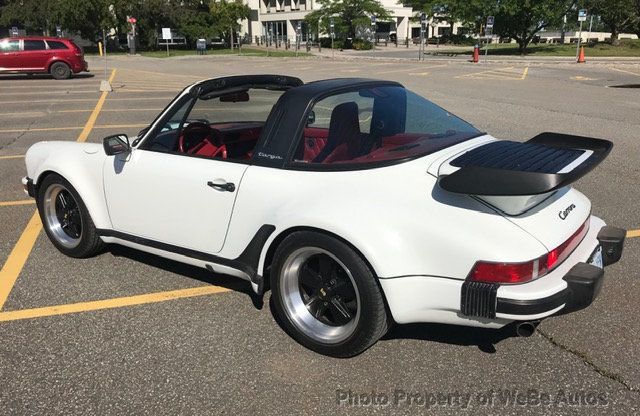
Porsche homologation heritage is not a marketing phrase, it is a pricing signal. Every time the factory built a road car purely to satisfy a racing rulebook, the resulting model has gone on to outperform its non-homologation siblings at auction, often by a wide margin. Track that pattern across four decades of Porsche history and you get a fairly reliable map of where collector money has moved, and where it is likely to move next.
The rule that started it: Group 4 and the 911 Carrera RS 2.7
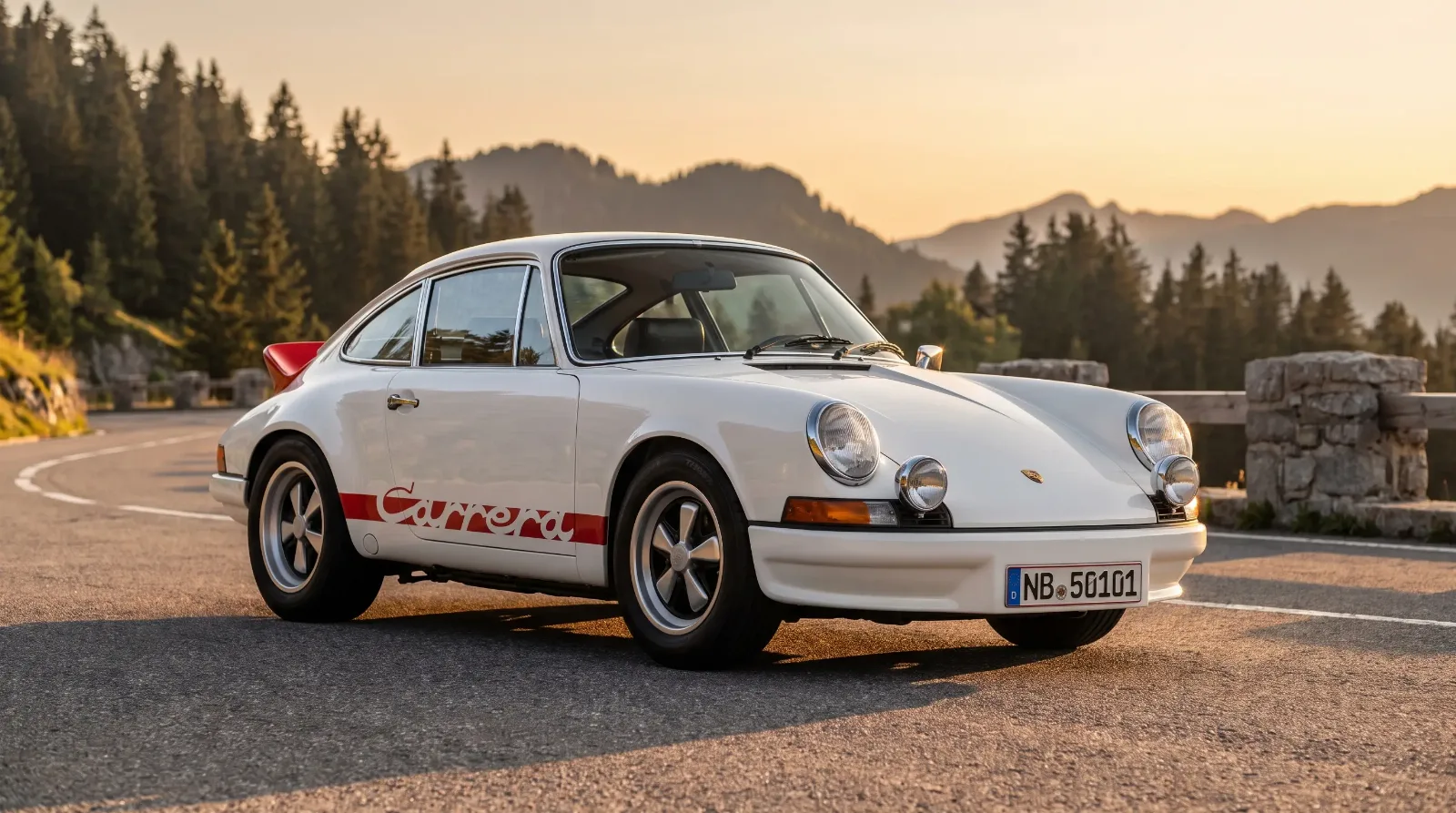
FIA Group 4 rules in the early 1970s required a minimum production run of road cars before a manufacturer could race the corresponding competition variant. Porsche's answer was the 1973 911 Carrera RS 2.7, built in a run that started as a homologation requirement and ended up selling out well beyond the minimum once buyers realized what the car actually was. Original Carrera RS 2.7 Lightweight and Touring examples now trade well into seven figures at major auctions, a result driven almost entirely by that homologation origin story and the documentation that supports it. Cars without clear provenance back to that original build run trade at a meaningful discount below a fully documented example, because the market has learned to price uncertainty aggressively in this segment.
Group B and the 959
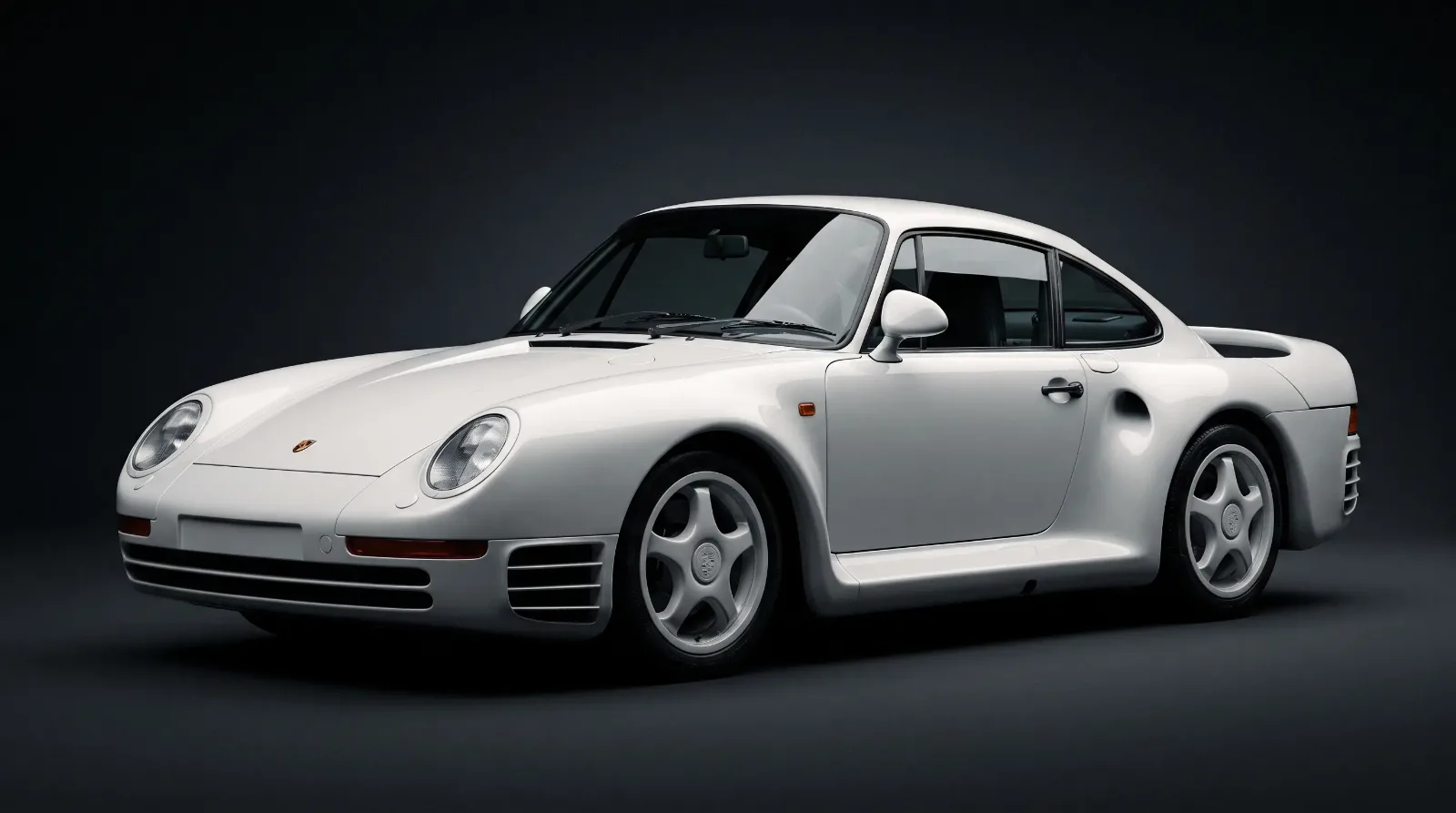
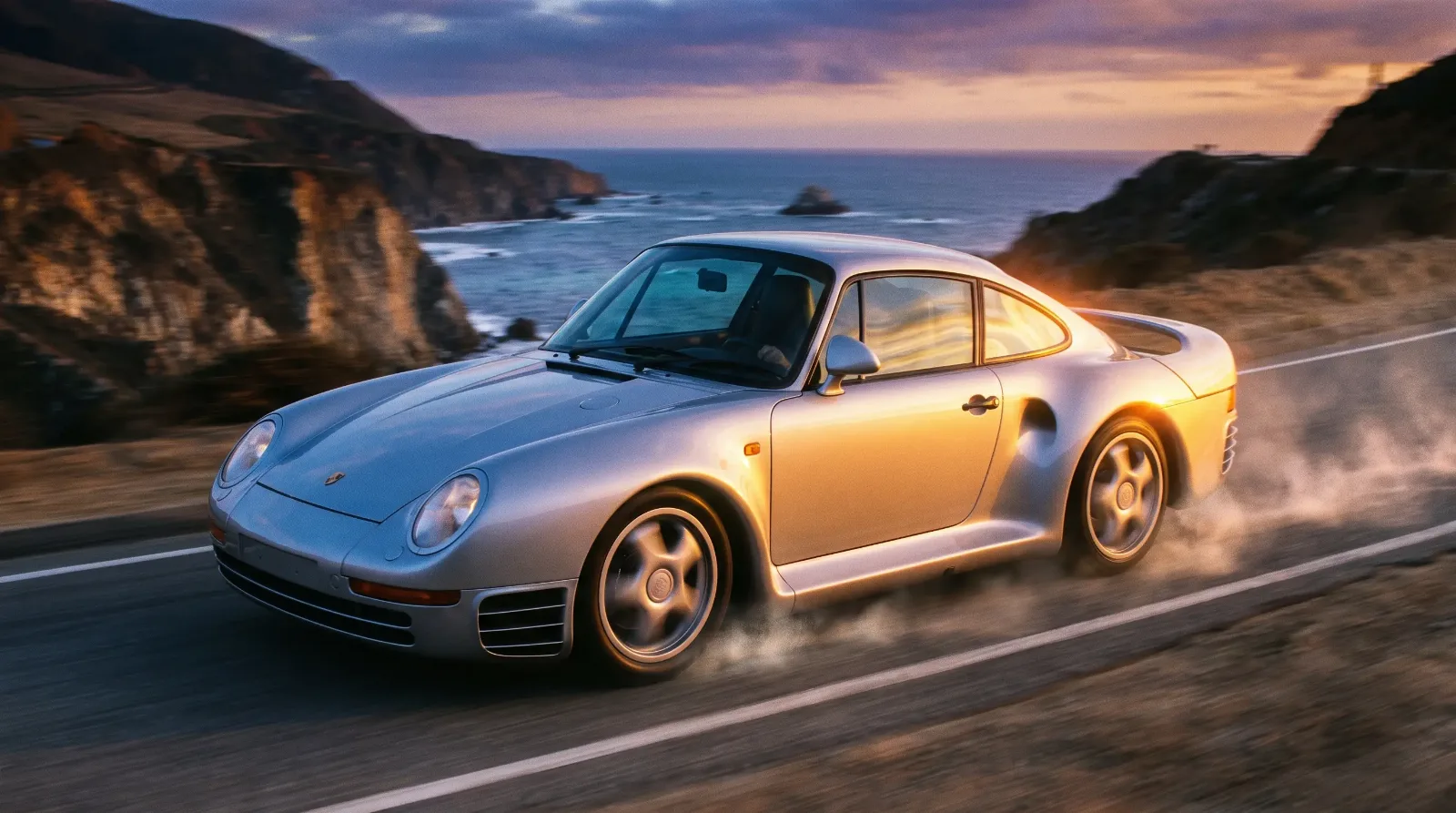
Group B rally regulations in the 1980s again required homologation road cars, and Porsche's response was the 959, a technology showcase that happened to also satisfy a rulebook. The 959 is the clearest case in Porsche's catalog of a homologation requirement producing a car that redefined what a road-going 911 platform could do, and its auction results reflect that. Values for well-documented 959s have climbed steadily and now regularly clear seven figures at major sales, with Komfort and Sport variants trading in slightly different bands depending on originality and mileage. Anyone researching this era should start with the 959 story, because the pricing logic for nearly every homologation Porsche that followed traces back to how that car is valued.
GT2 and GT3: homologation logic in the modern classic era
The pattern repeated again in the 1990s with GT2 and GT3 class racing. Porsche built street-legal homologation versions, the 993 GT2 among them, stripped and widened to match race-class requirements rather than dealership expectations. These cars entered the market as oddities, cars few buyers wanted new because they sacrificed comfort for compliance with a racing rulebook. Three decades later, that same sacrifice is exactly what collectors pay for. Auction results for documented GT2 and early GT3 examples now consistently outpace comparable standard Turbo and Carrera models from the same years, sometimes by two to three times the price of a mechanically similar but non-homologated variant.
| Homologation era | Rule / class | Key model |
|---|---|---|
| Early 1970s | FIA Group 4 | 911 Carrera RS 2.7 |
| Mid 1980s | FIA Group B | 959 |
| Mid 1990s | FIA GT2 class | 993 GT2 |
Why homologation cars hold value differently than regular production models
A standard production 911 depreciates and appreciates roughly in line with the broader classic car market, tracking interest rates, generational nostalgia cycles, and overall collector sentiment. Homologation cars decouple from that pattern because their scarcity is fixed by regulation rather than by demand. Porsche did not choose to build 500 or so 959s because the market wanted exactly that many, it built that number because Group B rules set the floor and the factory had no commercial reason to exceed it by much. That fixed-supply dynamic is what separates a homologation special from a merely rare trim level, and it is why these cars have shown less correlation to broader market downturns than standard production models over the past two decades.
It also explains why the gap between a homologation car and its donor model tends to widen over time rather than narrow. A 911 Carrera RS 2.7 and a contemporary 911S shared most of their mechanical DNA in 1973. Today the RS trades at a multiple of the S that would have seemed absurd to a buyer at the time. The same widening gap shows up between the 993 GT2 and the contemporary Turbo, and there is no structural reason to expect that trend to reverse, since the regulatory scarcity that created it cannot be replicated after the fact.
What the pattern means for a buyer today
The consistent finding across every homologation-driven Porsche is that documentation compounds value faster than mechanical spec does. A well-documented homologation car does not just sell for more, it sells in a shorter window and with fewer negotiating concessions than an equivalent car missing paperwork. That is a liquidity advantage as much as a price advantage, and it matters to anyone thinking about exit timing rather than just entry price.
"The rulebook that created these cars is gone, but the scarcity it locked in is permanent. That is the entire investment thesis in one sentence."
— David Mercer
My buy opinion here is straightforward: homologation-origin Porsches with clean, verifiable factory documentation remain a reasonable long-term hold, because the demand driver is structural rather than a passing trend. The market is not chasing a fad, it is pricing genuine scarcity created by a rulebook that no longer exists in the same form. The no-buy case applies specifically to undocumented examples marketed on homologation reputation alone. Those cars carry the same risk as the model class generally, without the paperwork that has historically protected value through market corrections. Treat any listing that leans on the word "homologation" without a chassis number cross-referenced to factory records as a starting negotiating position, not a settled fact.
For readers tracking this thread through the rest of Porsche's homologation history, the next story in this set continues directly from where this one leaves off, following the same rule-driven logic into the next generation of factory specials.