A raised 911 bouncing over rocks and sand at speed looks almost wrong to eyes trained on the low, road-hugging Porsche silhouette, and that dissonance is exactly what made the Safari-prepped 911s so memorable. Long before Porsche built anything resembling an SUV, its rally-spec 911s were proving the same rear-engine platform that won at Le Mans could also survive days of punishment on unpaved African roads. The classic Porsche safari rally program is a strange, mostly overlooked footnote to a car better known for tarmac.
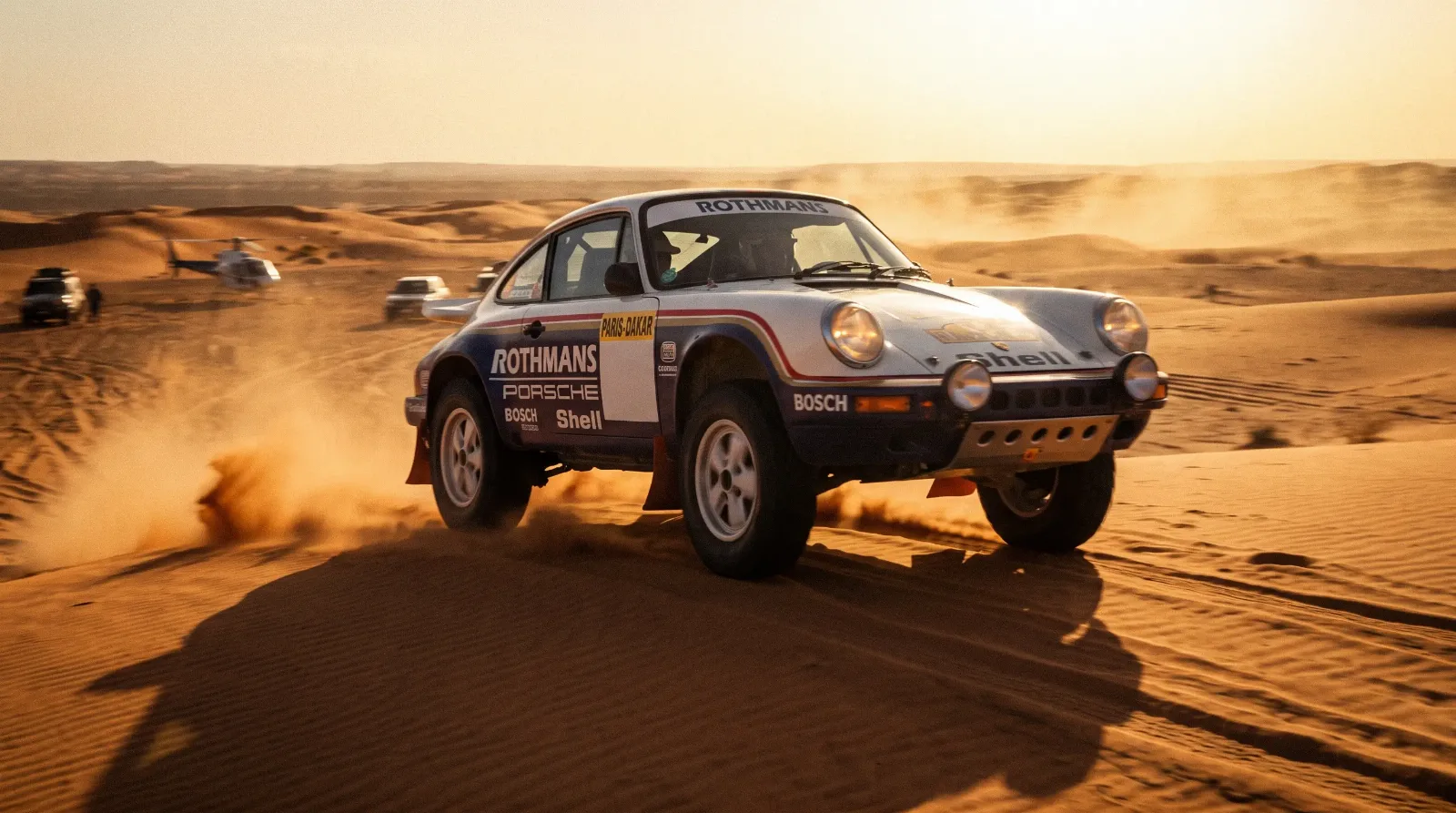
The East African Safari Rally, one of the toughest events in the sport, ran through Kenya, Tanzania, and Uganda over punishing distances and conditions that ranged from deep mud to bone-dry dust, often during the rainy season specifically to make things harder. Porsche's entries there in the late 1970s and into the 1980s were not showroom cars with knobby tires bolted on. They were purpose-built rally machines, riding higher, running skid plates, and carrying spare parts and extra fuel because breakdowns hundreds of miles from the nearest town were a real possibility, not a hypothetical.
Building a 911 for the wrong kind of road
Turning a 911 into a rally car meant fighting the platform's natural instincts in several places at once. Ground clearance had to increase substantially, which changed the suspension geometry and, with it, the handling the car was famous for on smooth roads. Engineers reinforced the underbody against rock strikes and added long-range fuel tanks, since rally stages could run for hours between service points with no fuel available.
The rear-engine weight bias that made the 911 tricky on a wet street corner turned out to be an asset on loose surfaces, where that extra weight over the rear wheels helped traction in mud and sand in a way a nose-heavy competitor could not easily match. Drivers who understood how to use that weight distribution, rather than fight it, found the 911 surprisingly capable off pavement, if never quite comfortable there.
Tire choice alone separated a serious Safari entry from a road car with knobby rubber slapped on for show. Teams ran specific compounds and tread patterns developed through testing on the actual East African terrain, since a standard performance tire would shred within a single stage on the rocks and laterite common to those roads. Suspension travel had to increase as well, well beyond what any road-going 911 offered, to soak up the constant impacts without breaking components that were never designed for that kind of abuse.
Notable results and the cars that earned them
Porsche's rally-prepared 911s picked up class wins and strong overall finishes at the Safari Rally through the period, building a reputation that ran counter to the car's road-going image as a precise, somewhat delicate sports car. The 911 that could survive a river crossing and a rock field in the same afternoon was a different animal from the one collectors polish for concours lawns today, even though the mechanical bones were largely the same.
By the mid-1980s, the program's momentum fed into the Paris-Dakar Rally, an even longer and more brutal test spanning thousands of miles across Europe and the African desert. Porsche's factory-backed 953, a heavily modified four-wheel-drive version of the 911 Carrera 3.2 with technology borrowed from ongoing development work, took an outright win at the 1984 Paris-Dakar Rally, driven by Rene Metge and Dominique Lemoyne, a genuinely surprising outcome for a car whose lineage traced back to a sports coupe never designed with sand dunes in mind.
Why these cars matter to collectors now
Genuine Safari and Paris-Dakar rally 911s are rare almost by definition. These were purpose-built competition cars, often heavily modified from anything a factory would have sold to the public, and many did not survive their competitive careers intact. The ones that remain, properly documented, occupy an unusual niche in the market: valued not for concours-perfect paint but for having actually done the job they were built for.
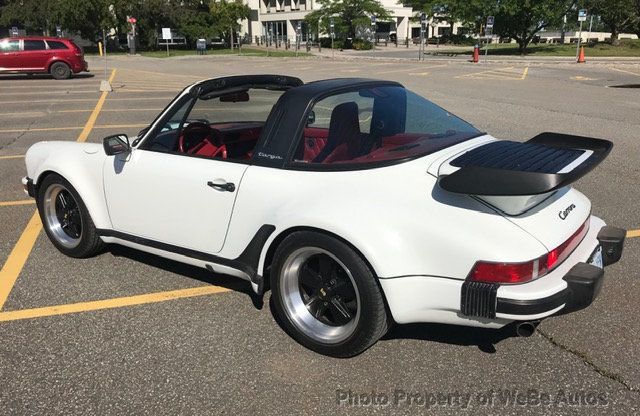
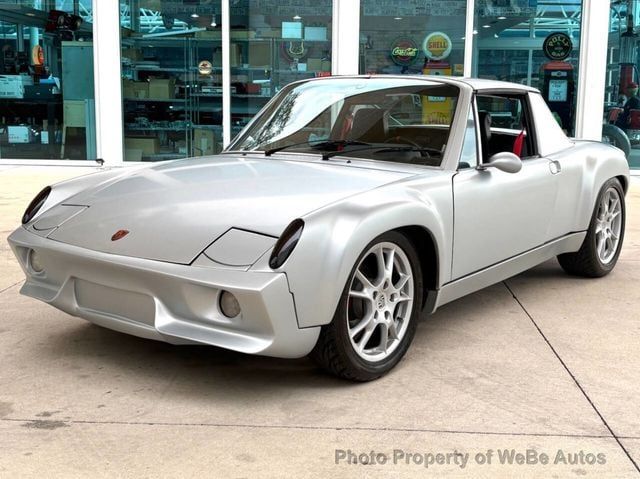
That context matters when comparing a genuine rally car to the wave of "Safari-style" tribute builds that followed decades later, lifted 911s with off-road tires built purely for the aesthetic rather than any competition history. Both have a place in the hobby, but they are not interchangeable, and buyers should know which one they are looking at before writing a check.
The tribute market has grown large enough on its own terms that it barely needs the real rally history to justify itself anymore. A well-built modern Safari-style 911, done with the right ride height and the right period-correct wheel and light setup, is a legitimate and enjoyable car regardless of whether it ever saw a rally stage. It simply belongs in a different category than the handful of surviving cars that actually finished East African Safari or Paris-Dakar stages under factory colors.
| Detail | Note |
|---|---|
| Primary events | East African Safari Rally, Paris-Dakar Rally |
| Key modifications | Raised suspension, underbody protection, long-range fuel |
| Notable model | Porsche 953, four-wheel-drive rally 911 |
| Shared technology | Four-wheel-drive development linked to the Porsche 959 |
An unlikely chapter that shaped a legend
The Safari and Dakar 911s never carried the glamour of Porsche's racing legend at Le Mans, and most people who love the marque have never seen one in person. But they proved something the road-going 911 could never demonstrate on its own: that the platform's oddities, the rear weight bias, the compact size, the mechanical simplicity, translated into genuine capability when the pavement disappeared entirely.
"Nobody who designed the original 911 was thinking about sand dunes. That the car turned out to handle them at all says more about the platform's fundamentals than any brochure ever could."
— Patrick Walsh
For anyone tracing this thread further back, the next story in this set returns to the tarmac and the endurance racing program that first proved a Porsche flat-six could run flat out for twenty-four hours without complaint, on roads considerably smoother than the ones these Safari cars called home.