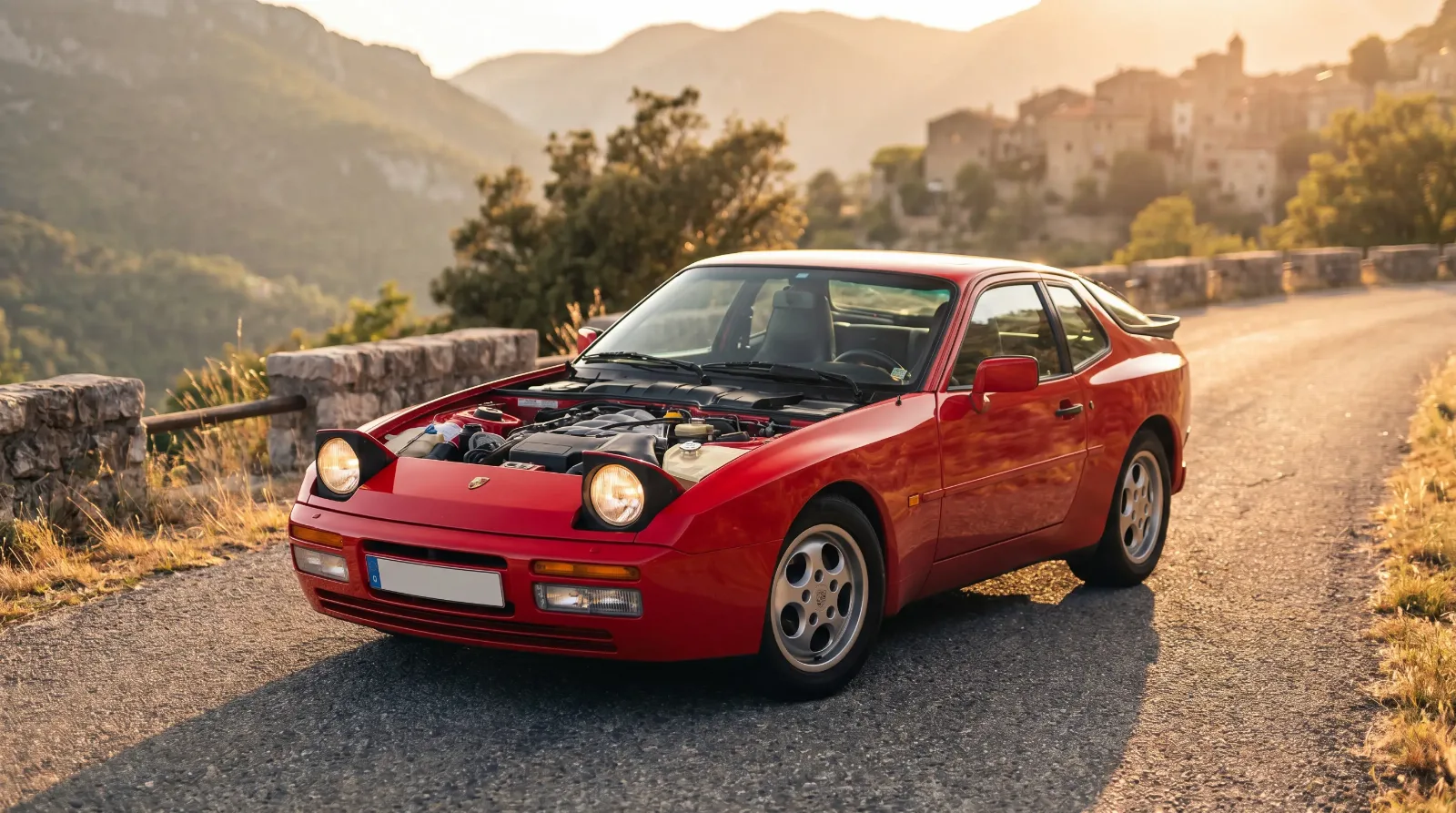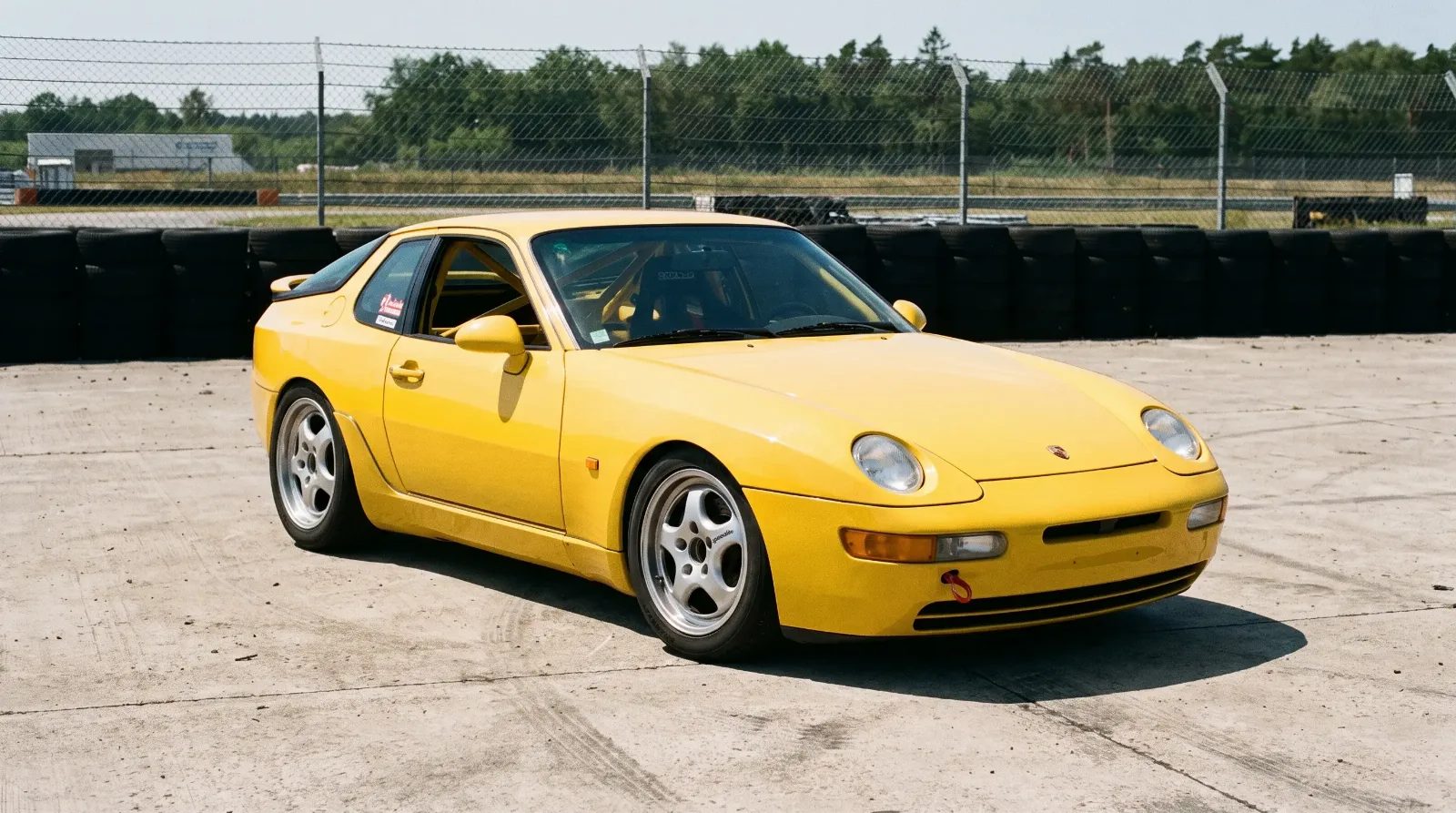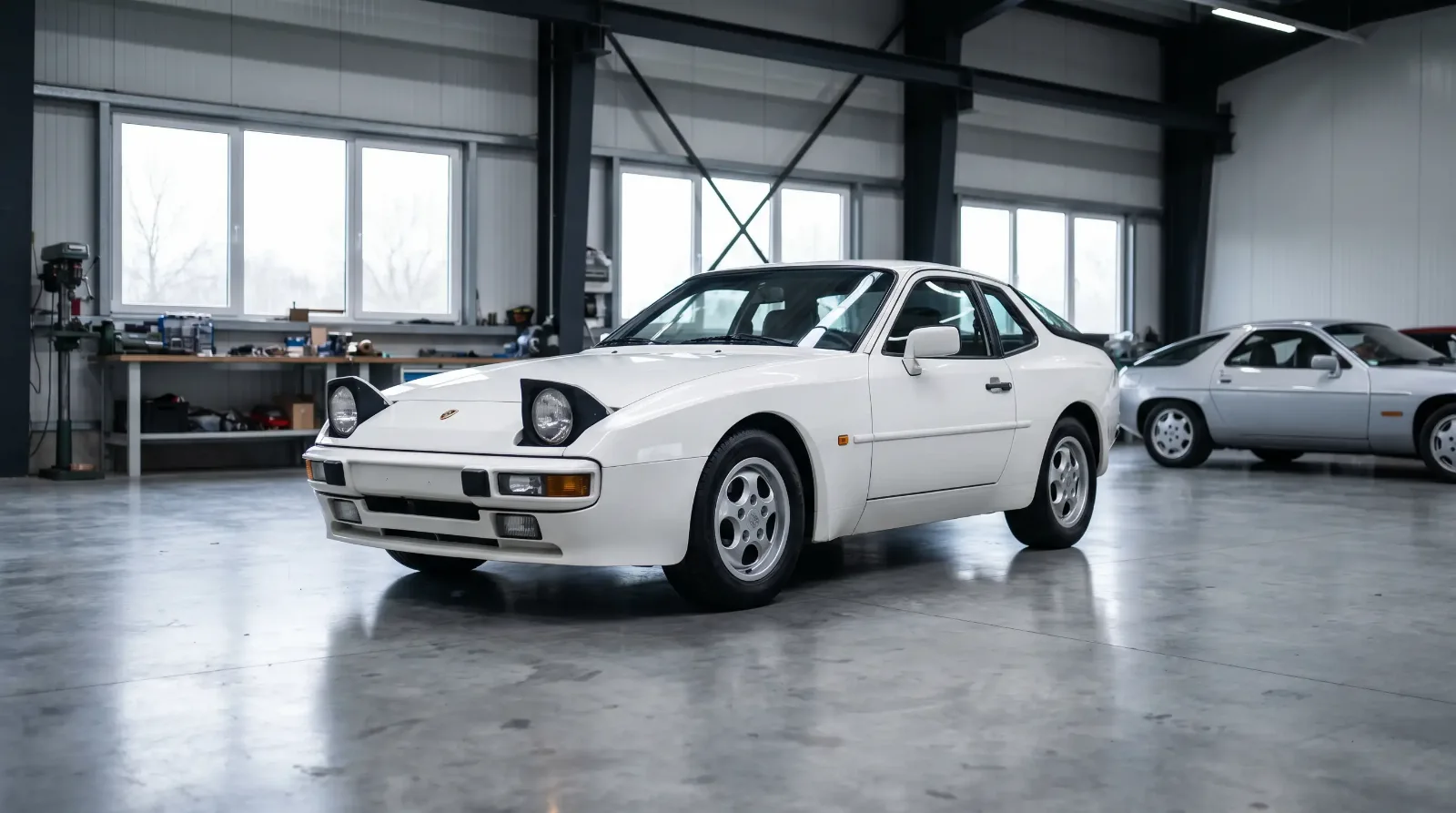
The transaxle Porsche undervalued story is simple: for two decades, the market punished these cars for not having the engine in the wrong place. The 924, 944, 928, and 968 put the engine up front and the transmission at the rear axle, a layout that gave near 50/50 weight balance and genuinely better handling than a 911 in a lot of situations. None of that mattered to buyers who wanted a flat-six behind their shoulder blades. So prices sat flat while 911 values climbed a mountain.
The numbers tell the real story
Run the auction data back to the early 2010s and you get a clean split. A driver-quality air-cooled 911 from the same era was already pulling five figures while a comparable 944 sat in the low four figures, sometimes less than a used Camry. That is not a small gap, that is a different planet. The 928, Porsche's flagship GT with a V8 and a price tag to match when new, traded for less than its original window sticker in inflation-adjusted dollars for most of the 2000s and 2010s. A car that cost around $50,000 new as a 928 S in 1985 was changing hands for under $10,000 two decades later. Depreciation did what depreciation does, but it kept going long after it should have leveled off.
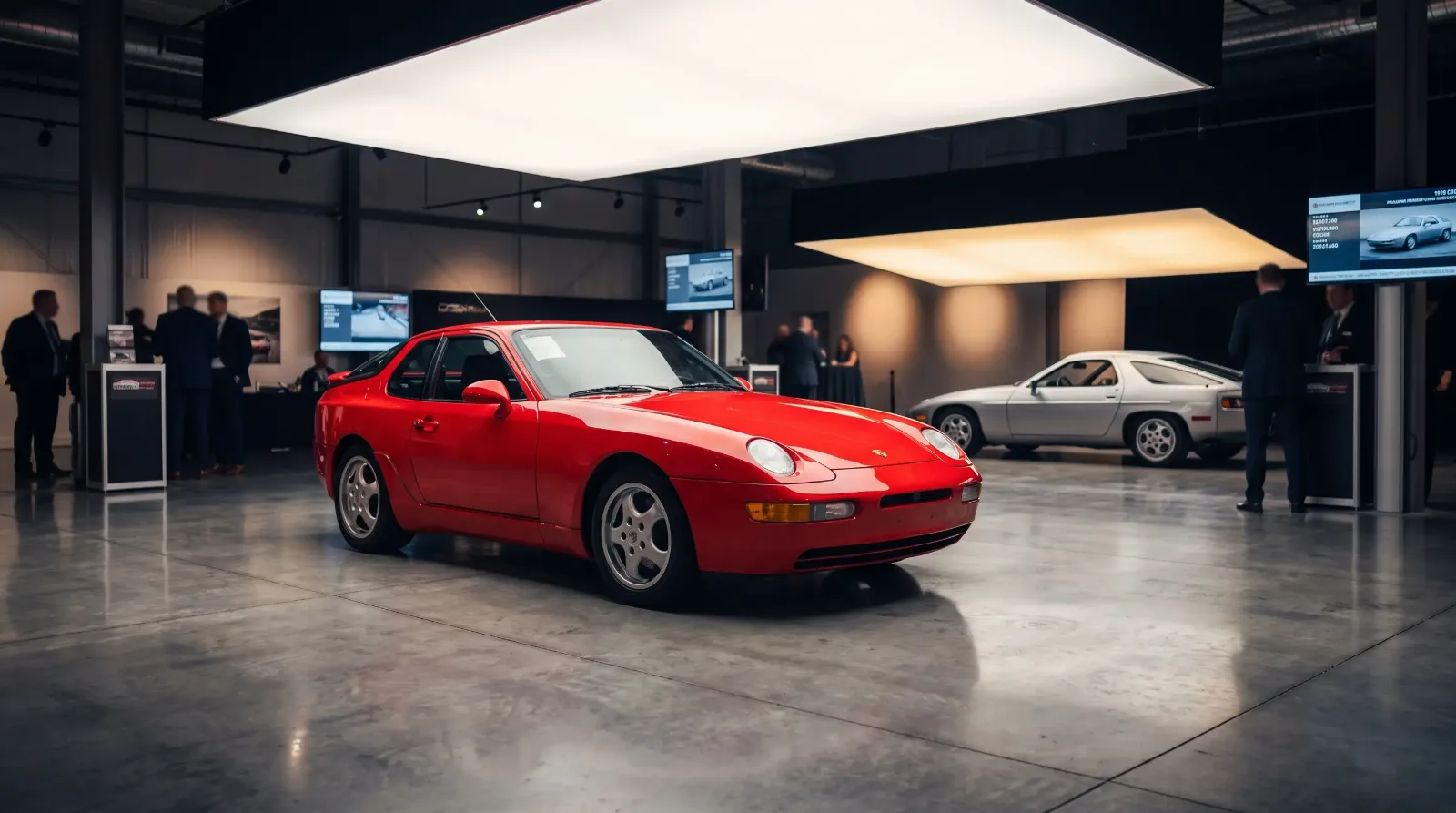
The 968, the last and most refined of the transaxle line, arrived in 1992 with a 3.0-liter four making 236 hp, more torque than a contemporary 911 Carrera at low rpm, and a six-speed manual borrowed from the 928. It still could not escape the shadow. Values stayed soft into the mid-2010s even though the 968 is arguably the best-driving transaxle car Porsche built.
Why the market got it wrong for so long
Blame the badge snobbery, mostly. Enthusiasts wanted the sound and the layout of a real Porsche, meaning air-cooled and rear-engined. The transaxle cars were dismissed as the cars Porsche built for people who could not afford a real one. That framing stuck for a long time and it was never accurate. The 944 Turbo could run with contemporary 911s in a straight line and beat most of them through a corner. The 968 Club Sport, a stripped-down track special, is now recognized as one of the sharpest-handling Porsches of the entire era, and it was largely ignored when new.
Parts availability and maintenance costs did not help. Timing belt service on these cars involves the balance shaft belt too, and skipping it is how you turn a $4,000 car into a paperweight. A lot of cheap examples got driven into the ground by owners who bought them as inexpensive fun and skipped the expensive maintenance. That created a glut of tired, neglected cars at the bottom of the market, which dragged down perception of the whole line even as good, sorted examples quietly held their ground.
"People kept telling me the 944 was a cheap way into a Porsche badge. I kept telling them it was a cheap way into one of the best-balanced sports cars of the 1980s, and one day the market would notice the difference between those two sentences."
— Dan Reeves
What actually moved the needle
Three things changed the trajectory. First, air-cooled 911 prices went vertical in the mid-2010s and priced out a huge number of buyers who still wanted a Porsche with real driving credentials. Second, a generation of buyers who grew up with 944 posters on their walls hit their peak earning years and started shopping with nostalgia and disposable income at the same time. Third, and this is the one people underrate, the 968 and 944 Turbo got recognized by driving press and collector publications as genuinely quick, genuinely capable cars rather than budget alternatives.
The result is a market correction that is still working itself out. Good 944 Turbos and 968s have moved up meaningfully in the last several years, though they have not caught up to what the driving experience actually justifies relative to 911 pricing. That gap is exactly why serious buyers keep circling back to transaxle porsche undervalued listings looking for the last honest deal in the lineup.
| Model | Years | Layout | Notable trait |
|---|---|---|---|
| 924 | 1976-1988 | Front-engine, rear transaxle | Entry point, later 924S got the 944 engine |
| 944 | 1982-1991 | Front-engine, rear transaxle | Balanced four-cylinder, Turbo and S2 variants |
| 928 | 1978-1995 | Front-engine, rear transaxle | V8 GT flagship, once Porsche's intended 911 replacement |
| 968 | 1992-1995 | Front-engine, rear transaxle | Final refinement, Club Sport is the sharpest of the line |
Buying into the correction now
Anyone shopping this segment today should read the 944 story before writing a check, because the same maintenance logic applies across the whole family. Documentation matters more than mileage. A car with full belt and water pump service records is worth real money over one without, even if the odometer numbers look similar. Rust in the rear subframe mounts and torque tube area is the other thing to chase down before you buy, not after.
The 928 remains the most complicated buy of the four because parts and specialist labor cost more than most owners expect walking in. The 924 is the cheapest entry and the least sorted from the factory, so temper expectations accordingly. The 944 and 968 sit in the middle as the most complete driving experiences, and both are still priced under where a car with this much engineering deserves to sit.
For the wider arc of how these models fit together, more from this chapter lays out the lineage in order. And for the broader context of where transaxle cars sit inside Porsche's history as a whole, our Classic Cars Arena feature covers the full picture.