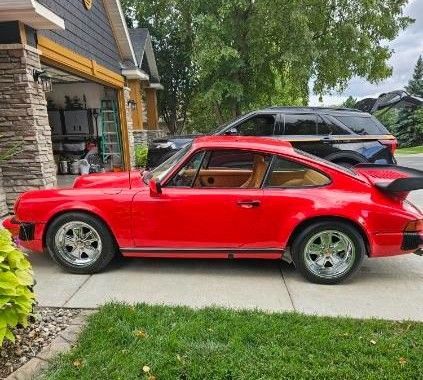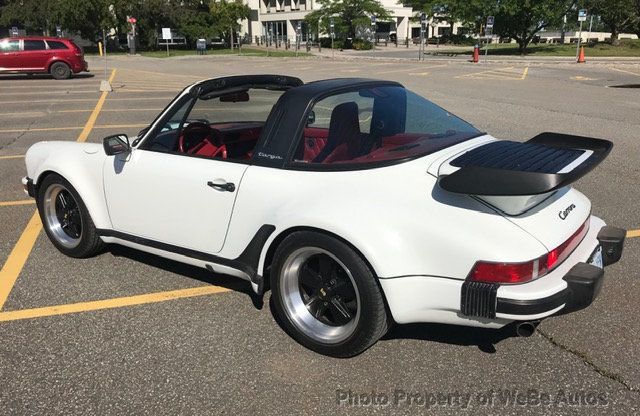
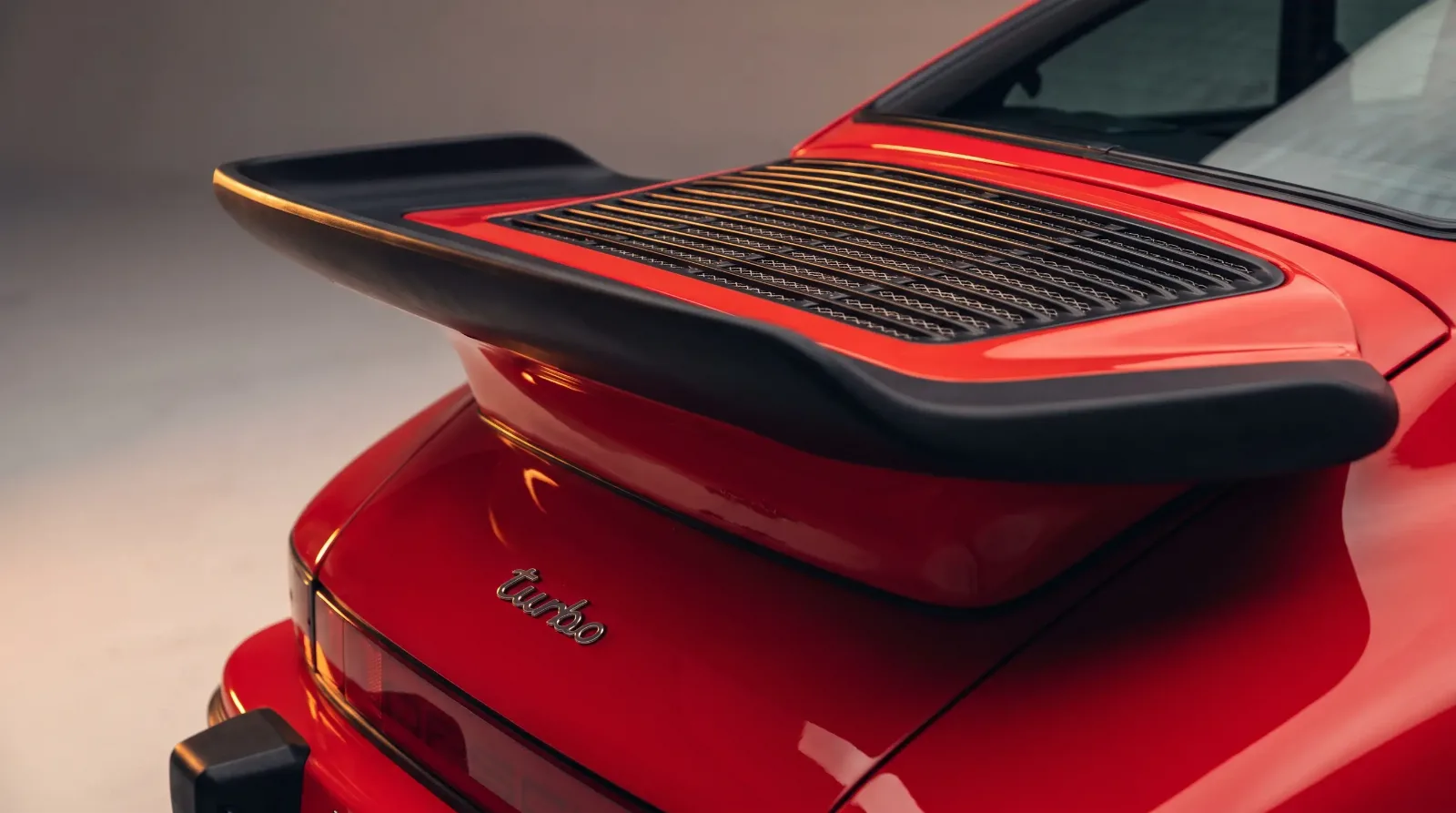
The whale tail arrived on the Porsche 930 Turbo in 1975 looking like an afterthought bolted to the back of an otherwise clean coupe, and it became the single most recognizable silhouette in Porsche history. Ask a non-enthusiast to draw a Porsche and there is a decent chance they sketch that flat, wide rear wing before they get the headlights right. What started as a wind-tunnel necessity for the first turbocharged 911 turned into the defining visual signature of an entire decade of Stuttgart engineering.
The story of the whale tail is really the story of a car that had too much power for its own aerodynamics. Porsche's engineers had a 260 hp turbocharged flat-six (245 hp in US-market tune) going into a body shape designed years earlier for a naturally aspirated engine, and the rear end needed serious downforce to keep the car planted at the speeds that engine could now reach.
Why the 930 Turbo needed a wing at all
The 911's rear-engine layout has always been a double-edged sword. It puts weight over the driven wheels, which helps traction, but it also means the tail wants to step out under hard cornering if the front end loses grip first. Add a turbocharger's worth of extra horsepower and the aerodynamic lift at the rear axle at high speed becomes a genuine handling problem, not just a theoretical one.
Porsche's solution was a rear spoiler that increased downforce over the back axle without adding a full active-aero system, which would have been impractical and expensive for a production road car in the mid-1970s. The result was a fixed, flat wing sitting proud of the rear decklid, functional first and styled second.
From tea tray to whale tail
The earliest version, fitted to the 1975 model year 930, is often called the "tea tray" spoiler by collectors, a smaller and flatter design than what followed. By 1978, with the introduction of the 3.3-liter Turbo, Porsche enlarged the spoiler and added a rubber-edged lip, and this bigger, more dramatic version is what earned the "whale tail" nickname that stuck. The larger surface area generated more downforce to match the increased power and higher top speed of the 3.3-liter engine.
Later in the 1980s, Porsche introduced the "tea tray" successor with a different profile again, sometimes called the "tail" without the whale reference, on certain Turbo variants, and enthusiasts still debate which generation looks best. None of that debate changes the underlying engineering logic: bigger engine, bigger wing, more stable car at speed.
The whale tail as a style statement
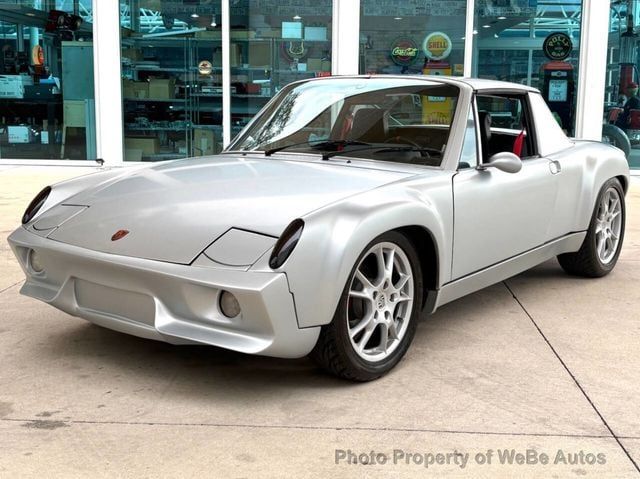
By the early 1980s the whale tail had become shorthand for wealth and speed in a way few automotive parts ever manage. It showed up on posters, in music videos, and eventually on 911s that had never seen a turbocharger, thanks to aftermarket bolt-on kits chasing the look without the underlying need. That gap between form and function is part of why the whale tail remains a slightly contested detail among purists today: on a real 930 it does a specific aerodynamic job, while on a bolt-on tribute car it is pure styling.
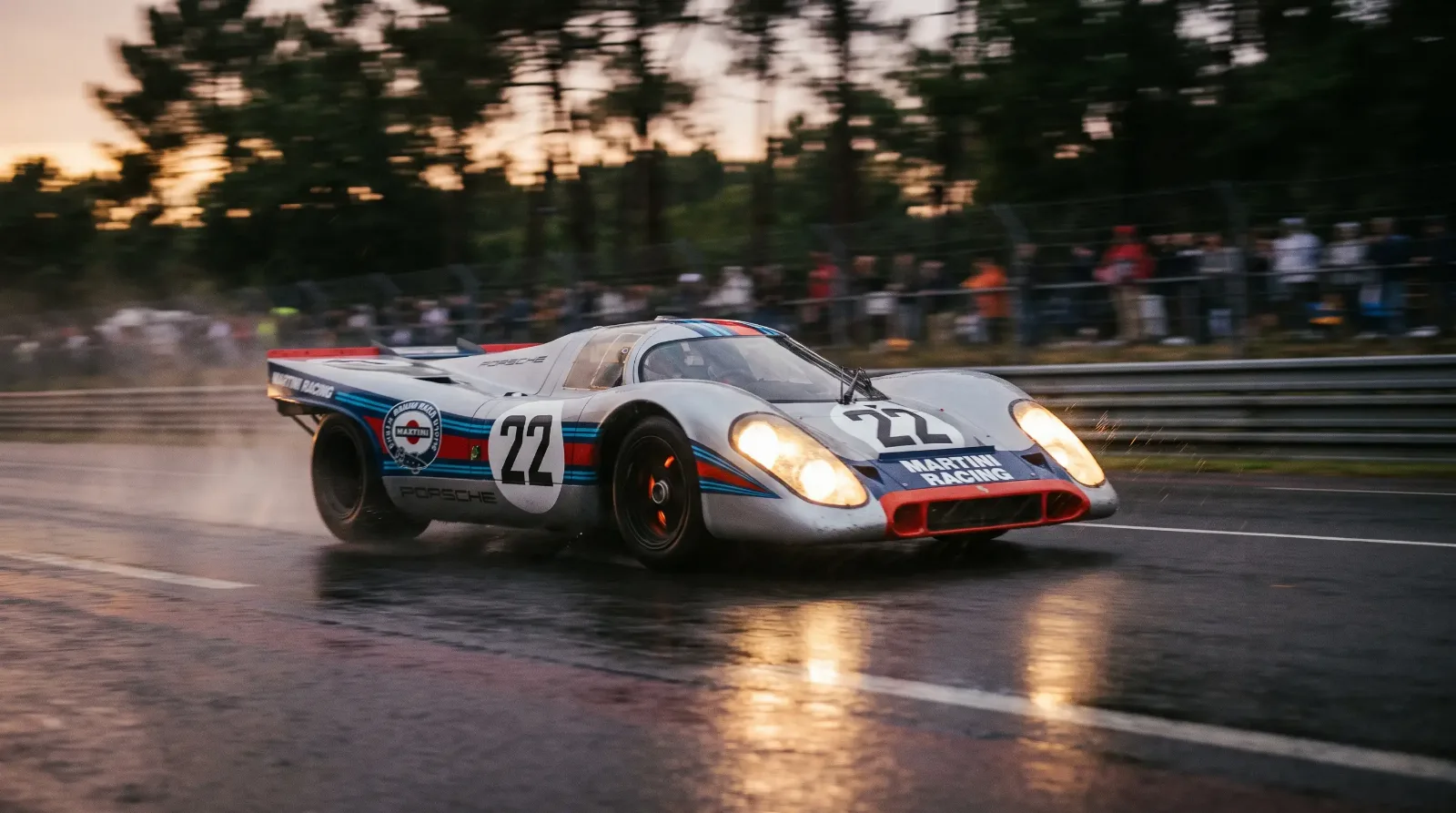
Reading the racing chapter makes the connection clearer, since the same aerodynamic thinking that shaped Porsche's 917 race cars a few years earlier fed directly into how the 930's rear end was engineered for the street.
Buying a Turbo for the wing (and what else to check)
Collectors chasing a genuine whale tail 930 should treat the spoiler as one data point among several, not the whole story. Reproduction spoilers exist in large numbers, and a correct original unit with matching mounting hardware and the correct rubber edge trim adds meaningfully to a car's value at resale. The bigger factors remain the usual ones: matching numbers engine, service history, and rust in the usual 911 trouble spots.
Prices for well-documented 930 Turbos have climbed steadily as the generation that grew up with the whale tail on posters has reached the age and income to actually buy one. That demand has pulled reproduction parts and outright tribute cars into the market alongside genuine factory Turbos, which makes due diligence more important than it used to be. A seller who cannot produce a build sheet or at least consistent chassis documentation is asking a buyer to take the wing, and everything else, on faith.
Regional differences matter too. European-market 930s sometimes carry different spoiler specifications than US-market cars built to meet import bumper and lighting rules, so a spoiler that looks slightly off compared to a magazine photo may simply reflect a different market's original configuration rather than a later modification.
A wing that outlived its own era
Porsche has revisited the whale tail concept more than once since the 1970s, most obviously in retro-styled special editions that nod back to the 930's silhouette. That staying power says something about how well the original design solved its problem. It was never meant to be pretty first; it was meant to keep a fast, tail-heavy car from getting away from its driver, and it happened to look unforgettable while doing it.
"The whale tail is one of those rare parts that became a fashion statement precisely because it wasn't designed to be one. Function came first, and the look followed."
— Patrick Walsh
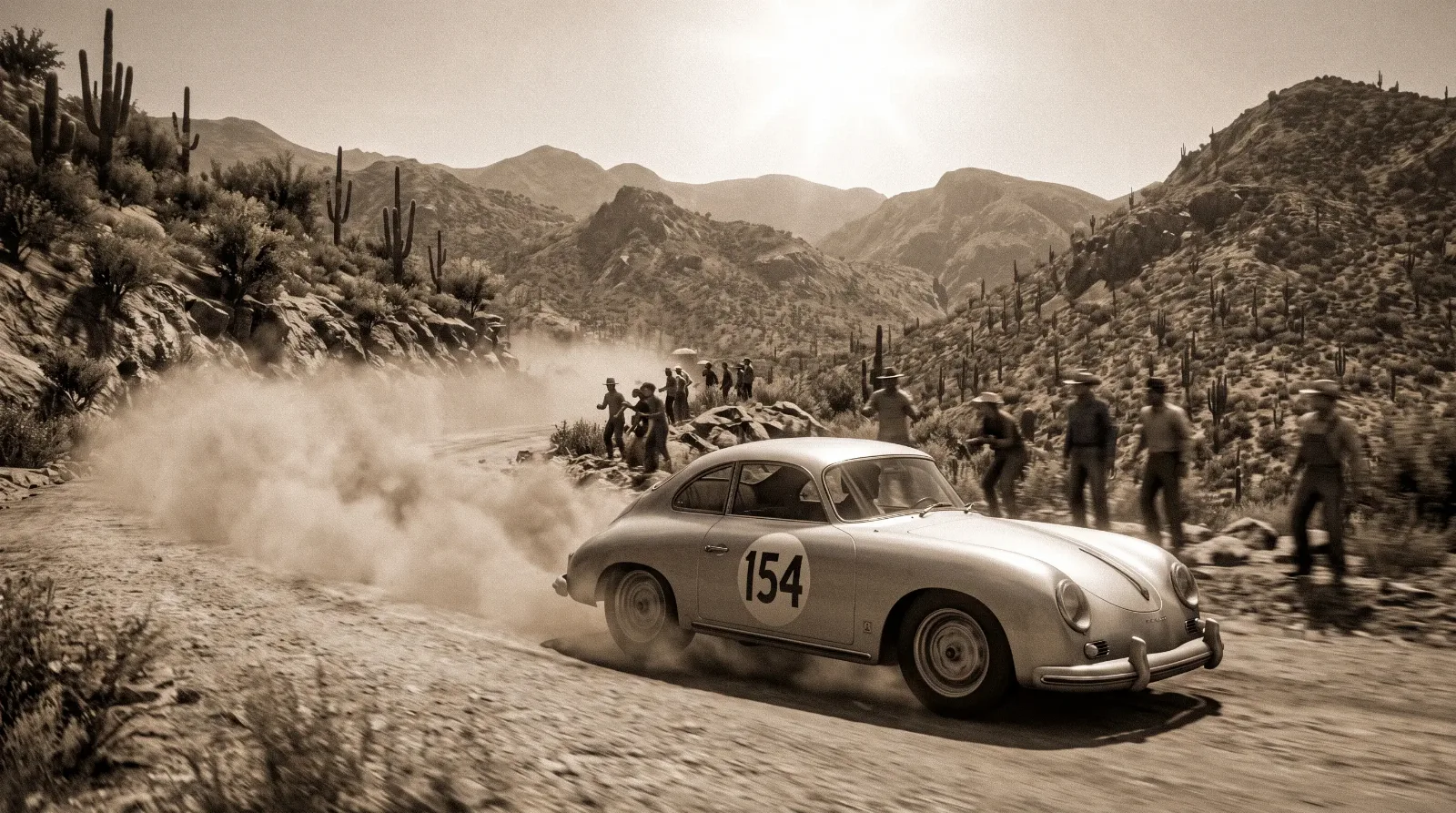
For readers who want to keep reading the series, the next chapter goes further back, to the road race that gave Porsche's Carrera name its meaning long before any turbocharged wing existed.
Sources and notes
- Porsche 911 (930) - Wikipedia
- 1975-77 Porsche 930 Turbo 3.0 Specifications - 930 Turbo Registry
- Porsche 911 Turbo 3.3 (930) (1978-1989) - Stuttcars
- A Whale Tail or a Whale of a Tale? - CocoMats.com
- The Complete Guide To The Porsche 930 Turbo - Drive Cruise
- Early Porsche 930 Turbo Whale-Tail Spoiler - PCARMARKET