
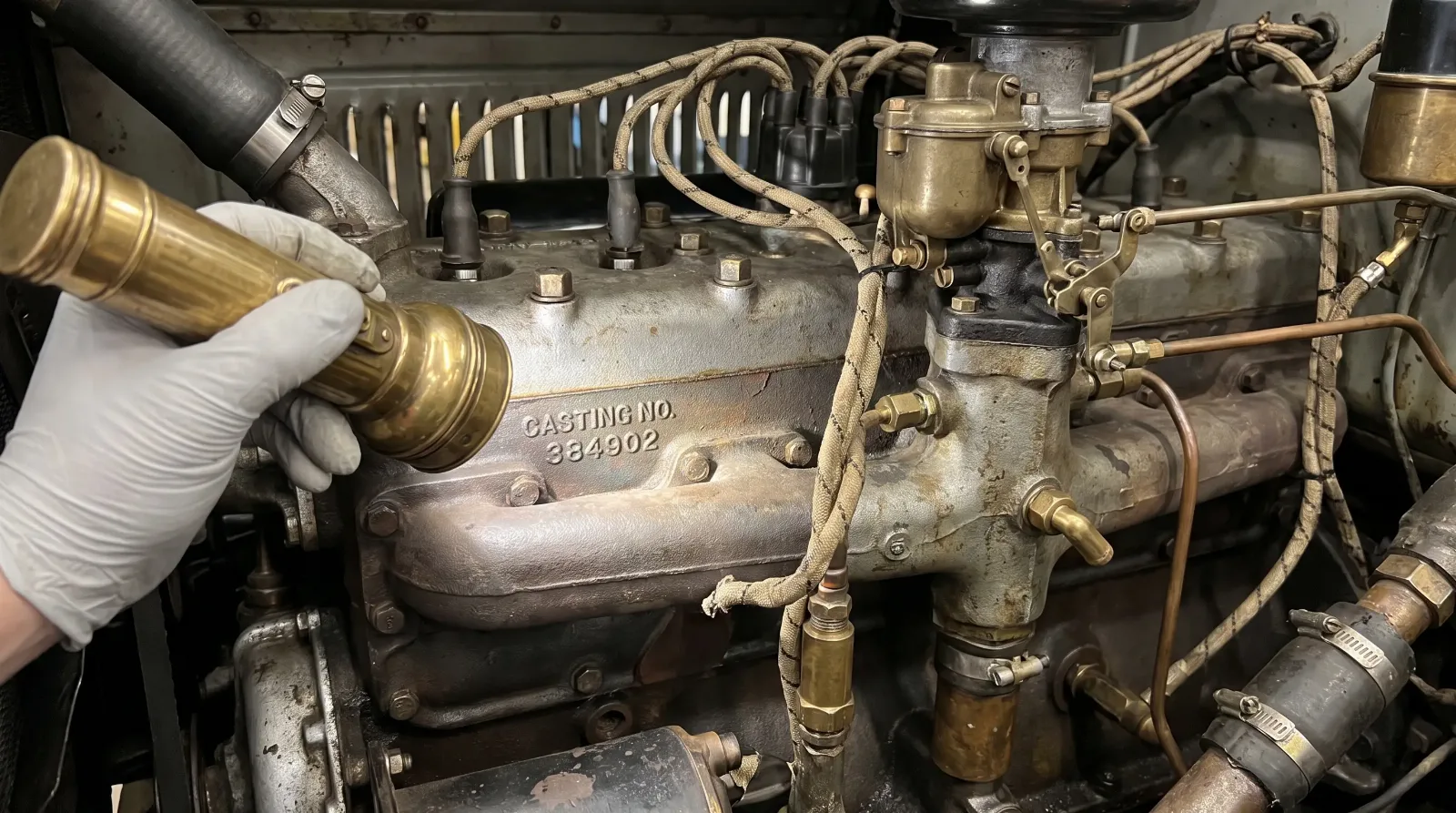
Ask a serious collector what they check first on a pre-war car and most will not say paint or interior. They will say the engine bay, and specifically whether what is sitting there is what left the factory. Originality is not a sentimental preference in this corner of the hobby. It is the single factor most likely to separate a #1 car from a #3 car at the same mileage and cosmetic condition.
Car Features
6 min read
What Collectors Look for in Pre-War Engine Originality
Engine originality is the factor that most often separates a top-tier pre-war car from a lower-tier one. Here is what collectors check before they believe a seller's claims.
Why engine originality carries so much weight
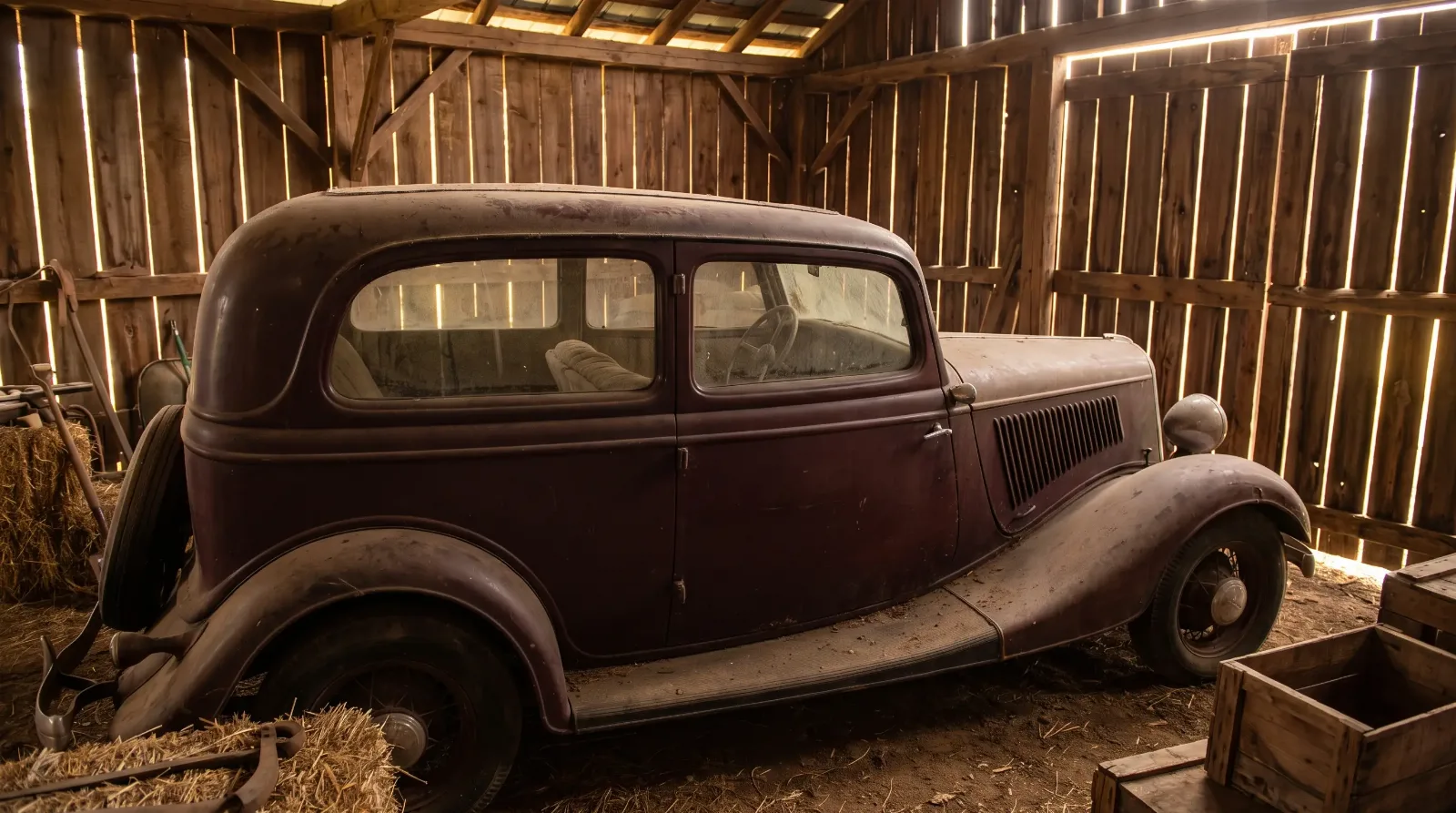
A pre-war engine that matches its chassis, carries the correct casting numbers, and retains its original carburetion, ignition, and accessory drives tells a buyer the car has not been through a period of neglect severe enough to require a replacement powerplant. That inference is worth real money. Cars swap engines for a handful of reasons: catastrophic mechanical failure, a prior owner chasing more performance, or simple parts-bin expediency during a budget restoration decades ago. None of those reasons improve the car's story, and buyers who care about originality price accordingly.
I place a documented, numbers-correct original engine at the top of my condition tier for a given model, ahead of a beautifully rebuilt but non-original substitute even when the substitute runs better. Running condition is fixable. Lost originality is not.
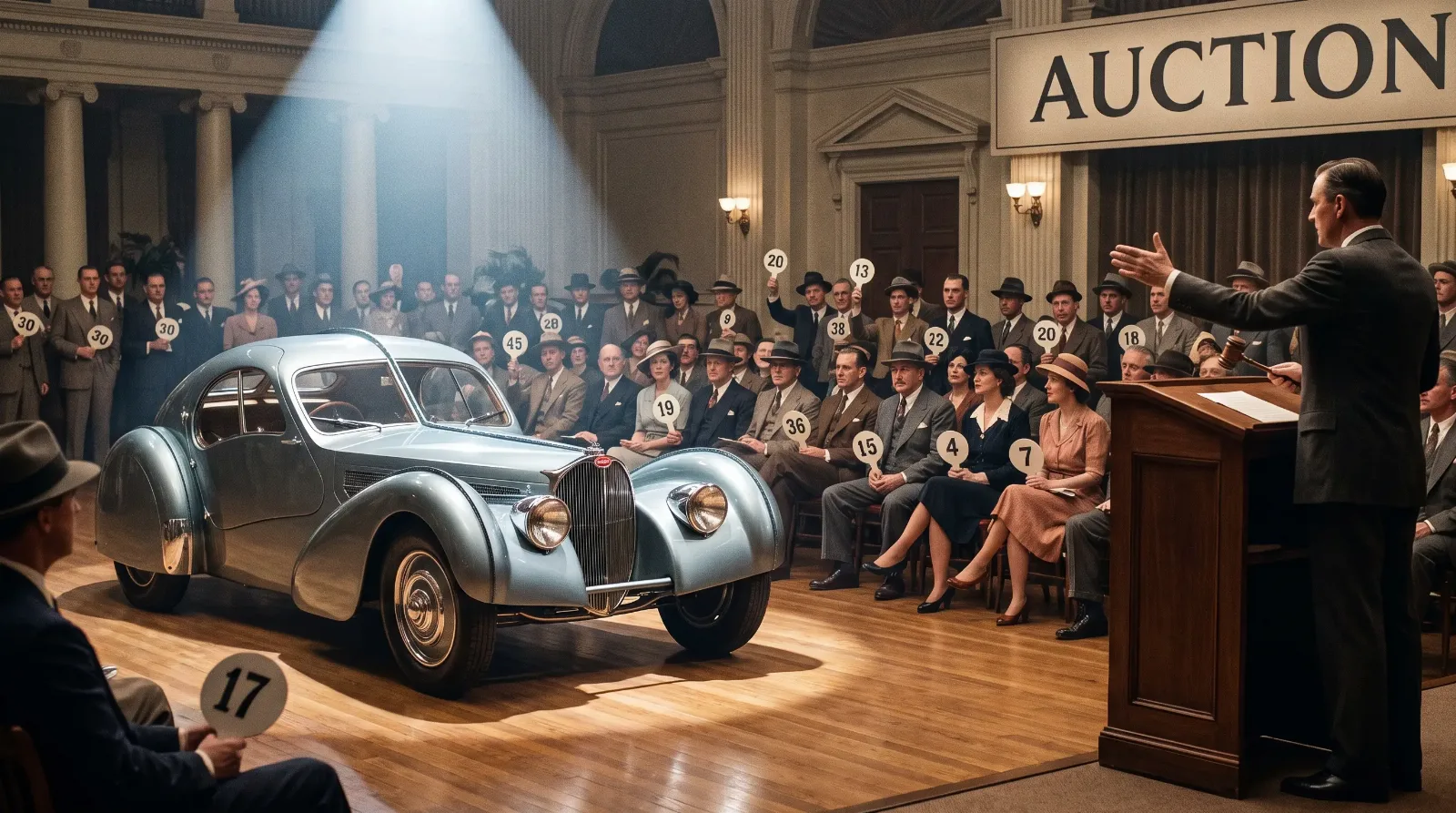
The gap between those two tiers shows up in real numbers when comparable cars come to market close together. A numbers-correct engine, even one that needs a rebuild, keeps a car eligible for the top condition grade once the work is done, because the rebuild does not touch the originality question. A non-original engine caps the car's ceiling permanently, regardless of how much money goes into making it run and look correct. Buyers who understand this distinction will pay to rebuild an original engine before they will pay a premium for a car that already has a nice-running substitute installed.
What collectors actually check under the hood
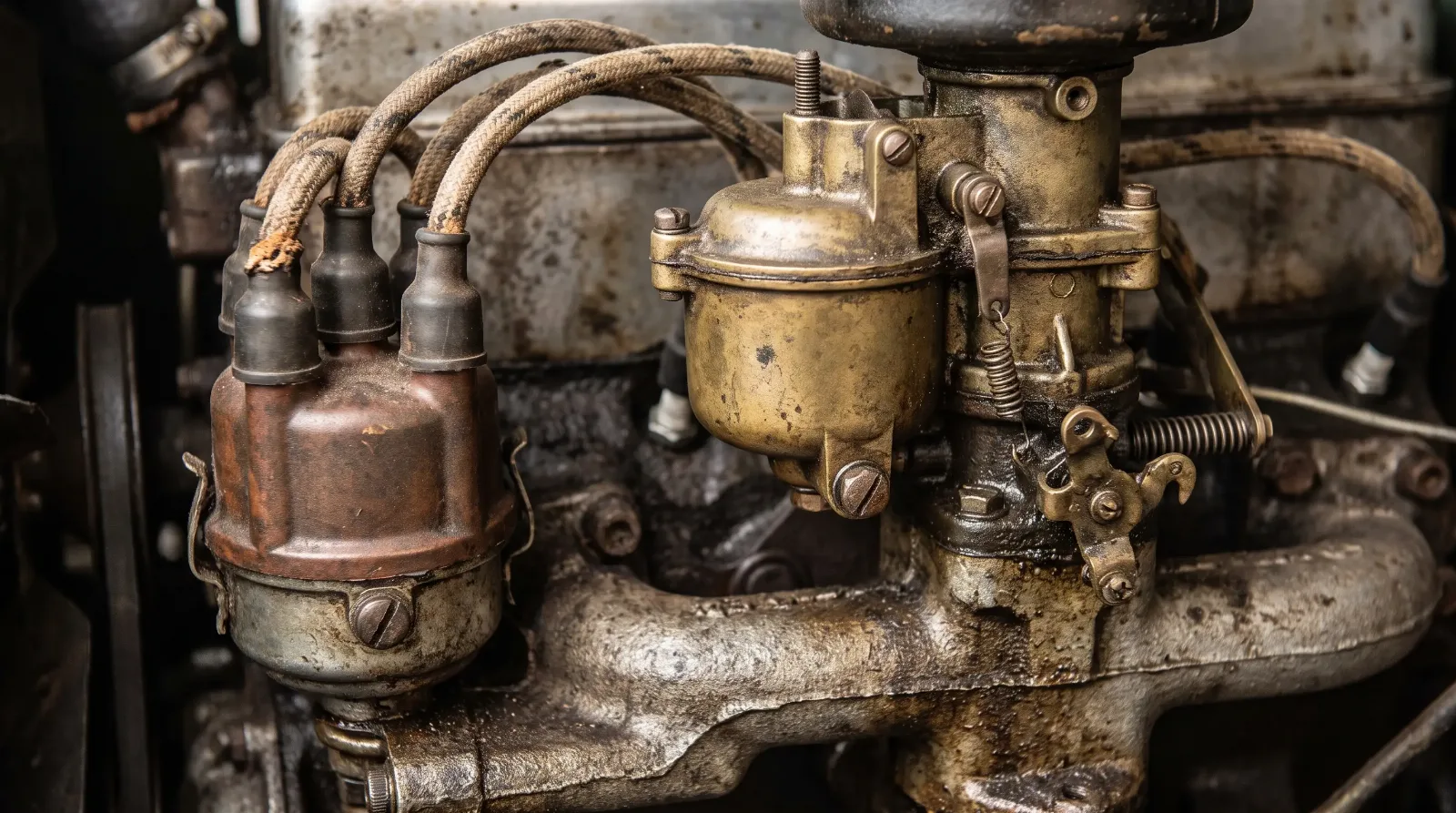
Casting numbers on the block, cylinder head, and major accessories are the starting point, cross-referenced against known factory ranges for that model year. Beyond the numbers, collectors look at the finish and hardware: period-correct fasteners rather than modern Phillips-head screws on a car that predates their common use, original-style hose clamps, correct paint color and sheen on the block itself, and factory-style decals or stampings that a careless restoration commonly gets wrong or omits entirely.
Carburetion and ignition components matter almost as much as the block. A correct original carburetor, even a rebuilt one on the original core, scores higher than a later-production substitute that merely fits and functions. The same goes for the generator or starter, distributor, and fuel pump. Each of these is a place where a prior owner may have swapped in whatever was available rather than sourcing the correct original part, and each swap chips away at the car's story.
Wiring and plumbing routes are another place worth checking closely. Factory looms on pre-war cars followed specific paths, often bundled with cloth-covered wire rather than modern PVC insulation, and fuel and vacuum lines ran along documented routes that later, incorrectly routed repairs tend to deviate from without the installer even realizing it. A restorer working from period photographs or factory diagrams gets these details right. A restorer working from memory or convenience usually does not, and an experienced inspector can spot the difference within a few minutes under the hood.
Restoration versus preservation, and why the line matters
A correctly restored engine, rebuilt to original specification using correct or correctly reproduced parts, is not the same thing as an original, unmolested engine that has simply survived. Both can be desirable, but they occupy different tiers in a serious collector's mind. A well-documented restoration that used the original block and correct replacement parts where needed still scores well. A car with an undocumented, mystery rebuild using whatever parts were on hand scores considerably lower, even if it runs perfectly.
The honest middle ground, and the one most pre-war cars actually occupy, is an original engine with some replaced wear items over the decades: hoses, belts, gaskets, maybe a clutch. That is normal maintenance, not a strike against originality, and most serious buyers understand the difference between routine service parts and structural originality.
Where owners get into trouble is treating every part failure as license for convenience substitution. A cracked original manifold deserves a correct replacement or a proper repair, not a generic aftermarket part that happens to bolt up. Over several decades, a string of small convenience substitutions can add up to a car that no longer reads as original even though no single change looked significant at the time it was made. Preservation-minded owners track every part they touch specifically to avoid that slow drift.
"I do not penalize a car for a rebuilt water pump. I penalize it for an engine nobody can explain. The difference between maintenance and substitution is the whole ballgame, and most sellers know exactly which one they are dealing with even when they are not saying so."
Marcus Feld
What this means when you are shopping
Ask for documentation before you ask about price. A seller who can produce a factory build sheet, a registry listing, or even old service records that reference the specific casting numbers on the car in front of you has already done half your due diligence. A seller who cannot, or who gets vague when you ask specifically about the engine's history, is telling you something even if they do not mean to. Price the uncertainty in, or walk. For our deep dive on collecting antique cars tips, engine originality is one piece of a larger valuation puzzle worth understanding before you buy. For the next story, we look at why unrestored survivor cars, engine included, often command a premium over cars that have been restored at all.
Sources and notes
- Hagerty Insider: how numbers-matching came to matter for collector cars
- AACA - judging standards and originality criteria
- CCCA - approved Full Classics and judging standards
- RM Sotheby's - catalog notes on matching-numbers engines
- Bonhams - motor car department catalog notes
- PreWarCar - restoration and originality reference articles
Related Reading
Have a
Classic Car
for Sale?
Reach thousands of serious classic car collectors across the US.
Sell It Here →
Are You a Classic Car Dealer?
List your full inventory and connect with targeted classic car buyers.
Join as a Dealer →
#Restoration
#matching numbers
#car authentication
#pre-war engines
#engine originality
#collecting antique cars

About the author
Marcus Feld
Accredited collector-car appraiser who reads the market through hammer prices, condition tiers and risk.

Comments
Be the first to comment on this article.