
People use "antique," "vintage," and "classic" as if they mean the same thing with different flavors of nostalgia attached. They do not. Each term has a specific origin tied to a club, a registry, or a state motor vehicle statute, and each one draws its cutoff line in a different place. Get the terminology wrong on a title application or an insurance policy and you can end up with the wrong plate, the wrong coverage, or a car that does not qualify for the show class you entered it in.
Car Features
7 min read
Antique vs Vintage vs Classic: The Real Difference
Antique, vintage, and Full Classic are defined terms with different cutoffs and criteria. Getting them mixed up can cost you at a show, an insurer, or the negotiating table.
Where "antique" actually comes from
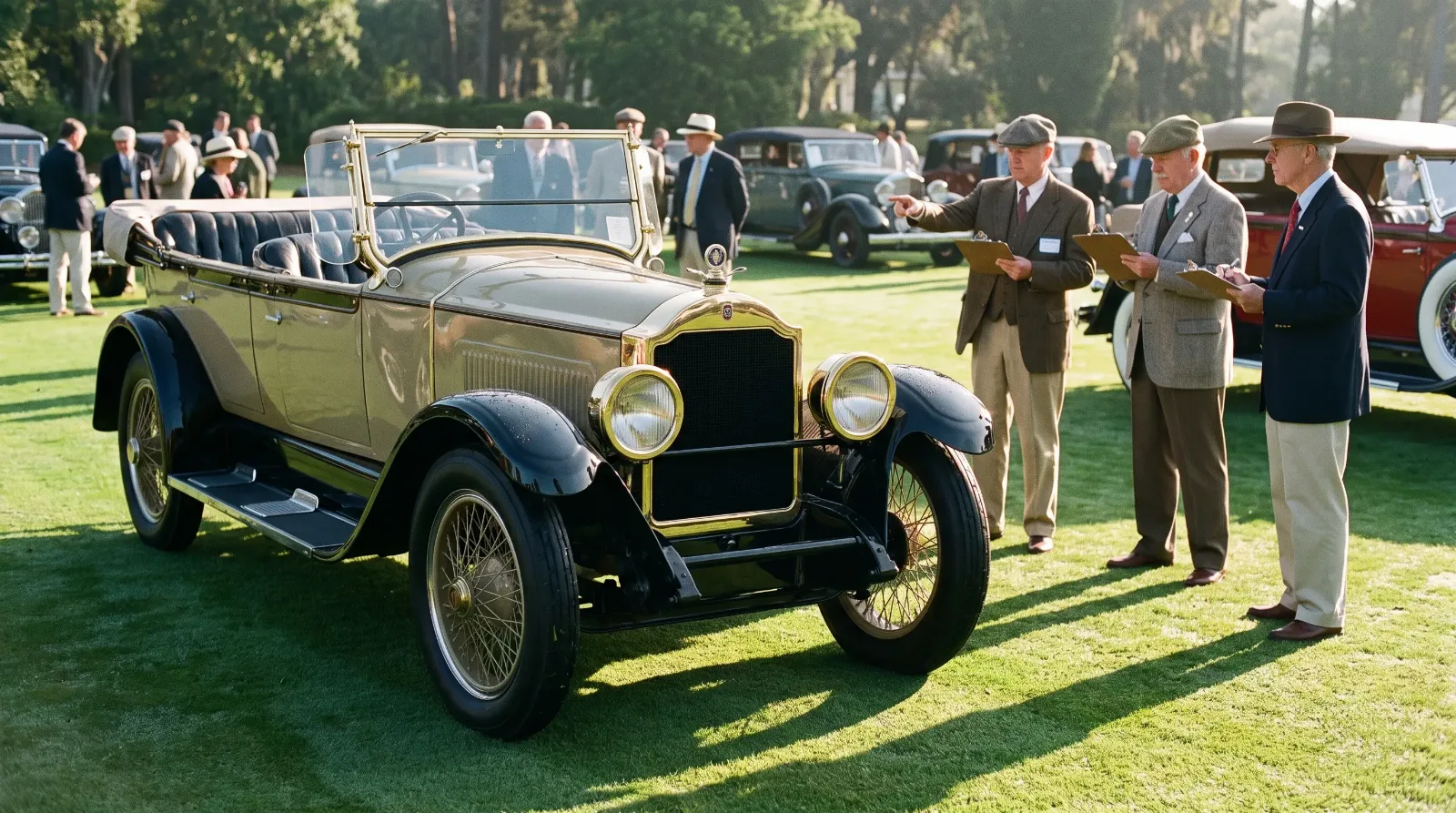
The Antique Automobile Club of America, founded in 1935, set the working definition most of the hobby still uses: an antique automobile is generally one that is at least 25 years old, though the club's own judging classes get considerably more specific below that broad line, splitting pre-war production into narrower brackets by year and by original equipment. Most state DMV antique vehicle registration programs use their own age cutoff, commonly 25 years, which is why a fairly recent car can technically qualify for an antique plate while a genuinely pre-war car and a 1990s coupe end up in the same bureaucratic category. That mismatch between the hobby's sense of "antique" and the DMV's is a common source of confusion, and it is worth checking your specific state's statute rather than assuming the club definition applies to your registration.
Judging within AACA itself is more granular than the blanket 25-year line suggests. Cars are grouped into classes by production era, with pre-war entries further split by year ranges that reflect real differences in manufacturing technique and available equipment. A judge evaluating a 1915 car is not applying the same expectations as one evaluating a 1935 car, even though both are unambiguously antique by the club's own definition.
"Vintage" has a narrower, older meaning than most people use it for
The Vintage Sports Car Club and its counterparts define "vintage" as cars built within a specific, fairly tight production window, generally spanning the years between the two World Wars, with the most rigid definitions cutting off around 1930 and a broader "post-vintage thoroughbred" category picking up cars built through the mid to late 1930s. In casual use, "vintage" has drifted into meaning almost anything old, which is not how the term started. If you are talking to someone from a vintage racing or touring club, expect them to hold the tighter, period-specific definition, not the loose everyday one.
This matters practically at events. A car that is "vintage" by casual usage but falls outside a club's actual production-year window may not be eligible to enter a vintage race or tour, regardless of how old or original it is. Read the specific event's eligibility rules rather than relying on the word in the event name.
The confusion compounds because everyday speech has done the opposite of what the clubs intended. Where the clubs narrowed "vintage" to a specific window, general usage broadened it to mean roughly anything that looks old, a secondhand jacket, a poster, a car built in the 1970s. None of that casual usage is wrong for everyday conversation. It just is not the definition that matters the moment you are filling out a club membership application or an event entry form.
"Classic" is a trademarked, specific term in the hobby, not a general compliment
This is the one that trips up the most people, including sellers who should know better. Within the collector car hobby, "Classic" with a capital C is a defined term belonging to the Classic Car Club of America, referring to a specific list of "fine" or "distinctive" automobiles built roughly between 1915 and 1948, with the exact list maintained and periodically updated by the club itself. Not every expensive or well-regarded car from that era qualifies. The CCCA list is selective by marque and often by specific model or body style, and a car being old, well-restored, and impressive does not automatically earn it CCCA Full Classic status.
Outside the club context, "classic car" gets used generically to mean any older, desirable vehicle, and most casual listings and general insurance policies use it that way. The confusion happens when a seller markets a car as a "Full Classic" without checking whether it is actually on the CCCA list. That is a factual claim, not a marketing flourish, and a buyer who cares about CCCA eligibility should verify it against the club's published list rather than take the listing's word for it.
Why the distinction changes how a car is valued and insured
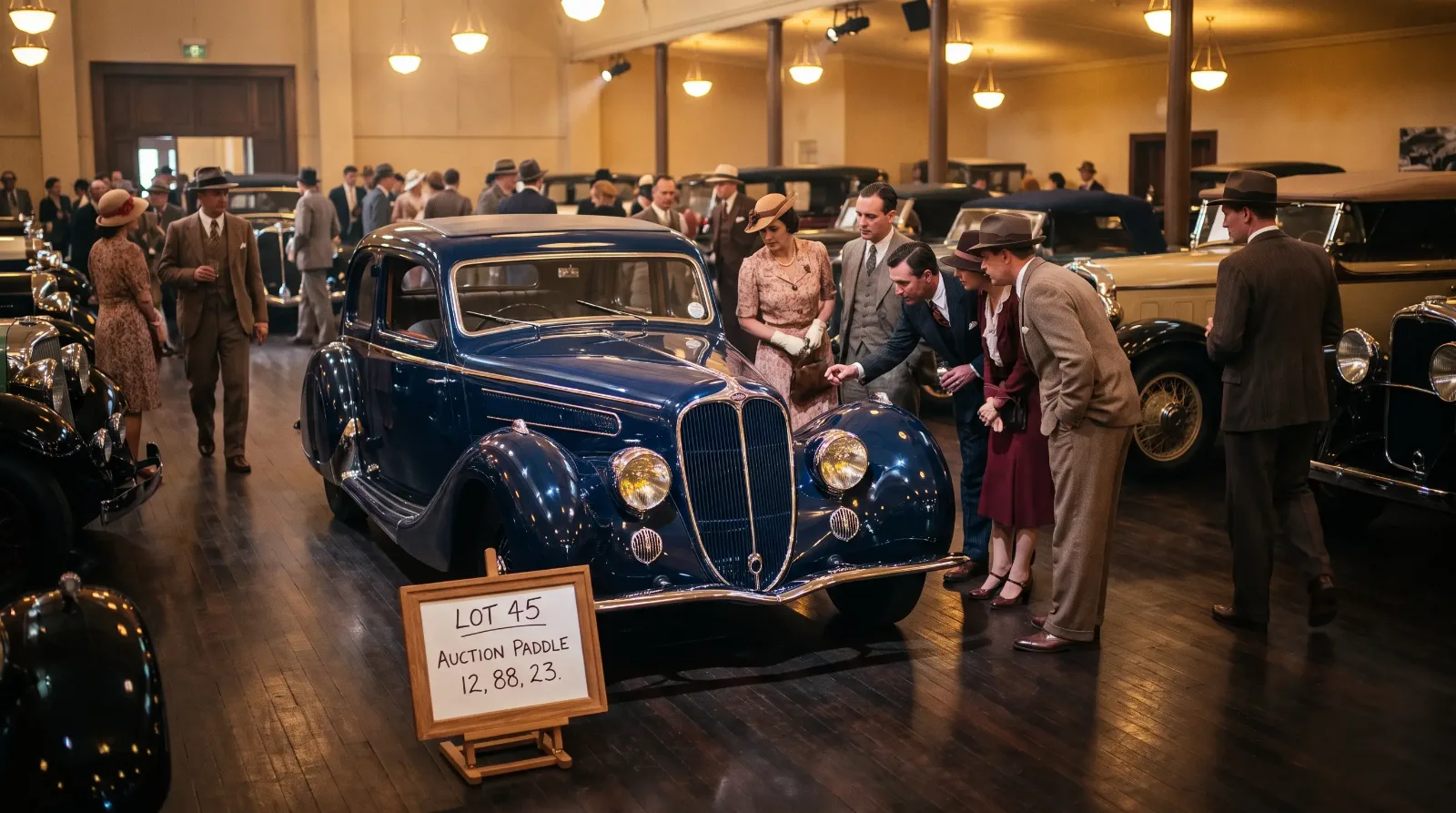
Insurance carriers that specialize in collector vehicles frequently use antique, vintage, and classic as distinct rating categories, each with different mileage caps, storage requirements, and premium structures. A car correctly documented as a CCCA Full Classic may qualify for coverage terms that a merely old car of similar value does not. Getting the classification right on the application, not just in casual conversation, can affect what you pay and what is covered.
The same logic applies at judged events. Concours and club shows built around a specific definition, antique, vintage, or Full Classic, will check eligibility against the actual criteria, not the seller's listing copy. I have watched owners show up with a car they believed qualified for a class, only to be redirected because the model was never on the relevant list. It is an avoidable problem. The criteria are published. Check them before you commit to a class or a claim.
"Every one of these terms started as a specific answer to a specific question a club had to settle: which cars go in this show class, which cars get this rate structure. The general public borrowed the words and softened the edges. The clubs never did."
Tom Ramirez
The practical takeaway when you are buying or listing a car
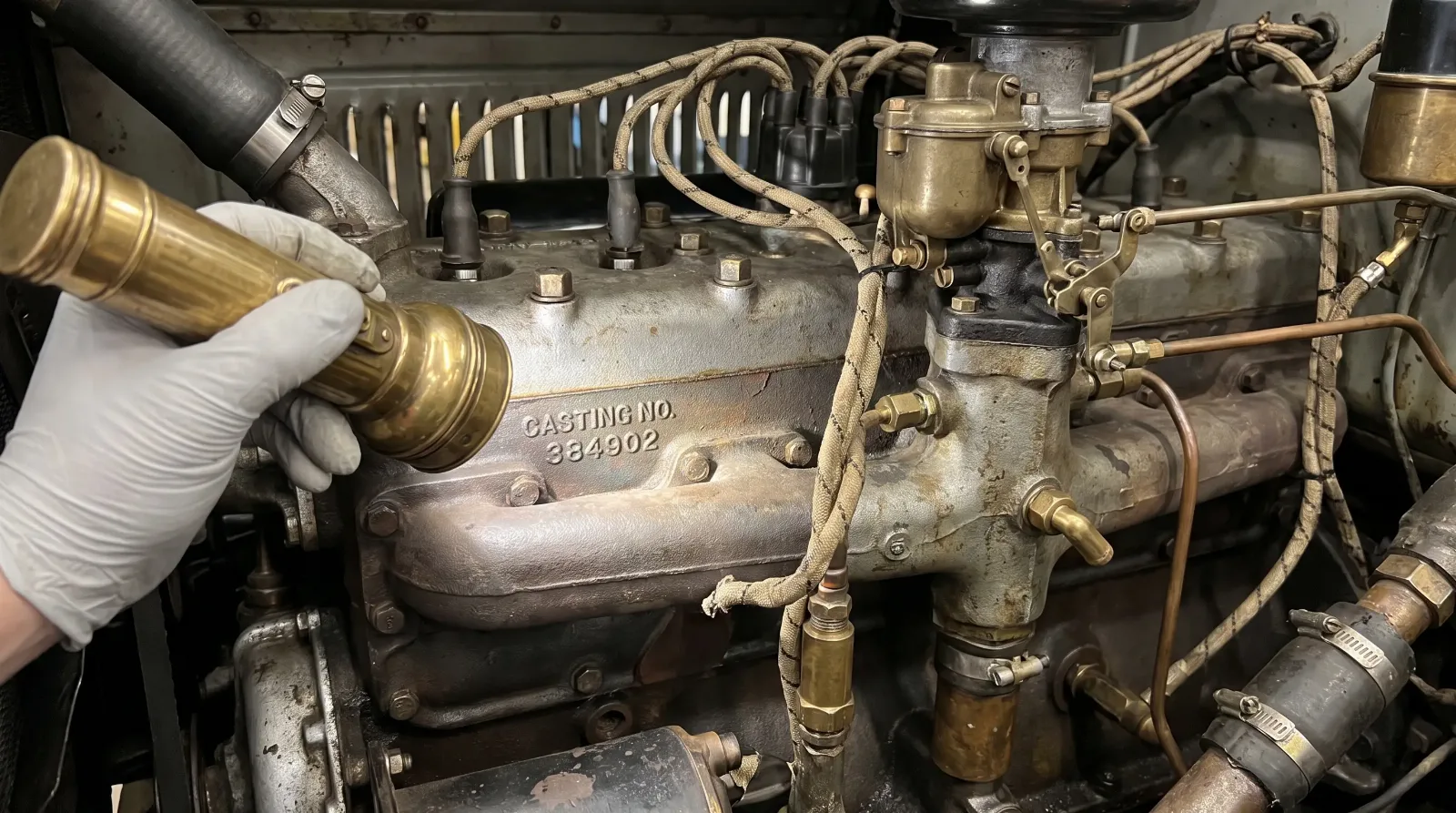
If precision matters to you, whether for insurance, judging, or simply accurate description, use the term that matches the actual defining body. Call a car an antique if it meets your state's or the AACA's age threshold. Call it vintage only if it falls within the tight pre-war production window the term originally described. Reserve "Classic" with a capital C for cars that actually appear on the CCCA's published list, and verify that before repeating a seller's claim. For the antique vs vintage cars guide, this terminology sits underneath most of the broader valuation questions collectors ask. If engine originality is part of what you are evaluating on a specific car, a related read covers what collectors actually check under the hood. And for the fuller picture of the era these terms describe, America's antique automobiles is worth your time.
Sources and notes
Related Reading

Have a
Classic Car
for Sale?
Reach thousands of serious classic car collectors across the US.
Sell It Here →
Are You a Classic Car Dealer?
List your full inventory and connect with targeted classic car buyers.
Join as a Dealer →
#collector car insurance
#antique cars
#vintage cars
#classic car definitions
#CCCA Full Classic
#car terminology

About the author
Tom Ramirez
Corvette researcher and historian based in Bowling Green, Kentucky. Two decades documenting Corvette production history from original factory records.



Comments
Be the first to comment on this article.