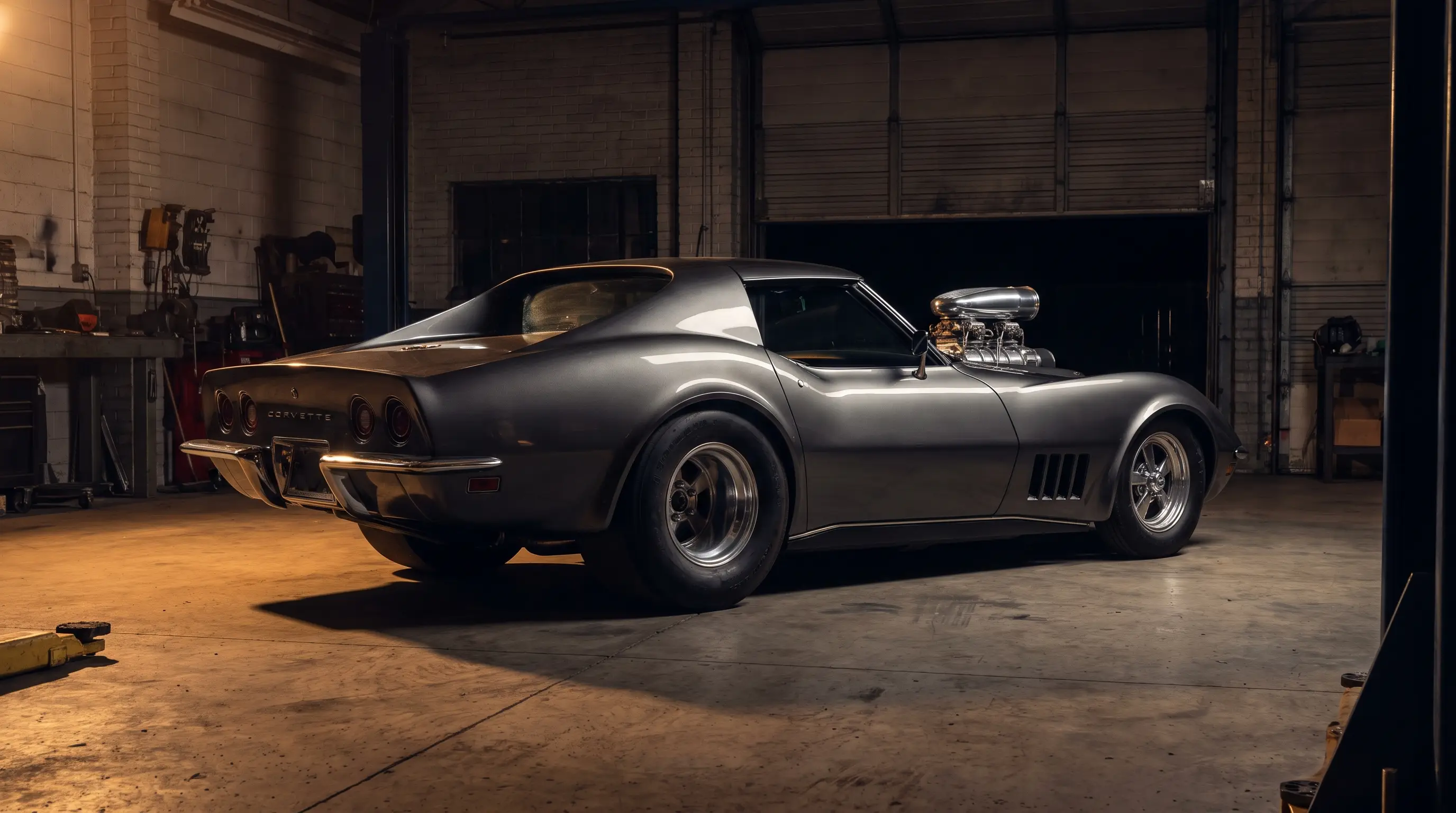
Dale Ferris still remembers the first time he saw a tubbed C3 Corvette at a Saturday night cruise in the late 1980s, sitting under a sodium light with its rear haunches stretched wide over a set of slicks that looked borrowed from a funny car. He was seventeen. He says he never fully got over it. Thirty years later he owns a pro street corvette himself, a 1976 Stingray with a blown 496 under the hood, and he still talks about that first sighting like it happened last week. That is the pull of a Pro Street Corvette. It takes America's sports car and turns it into something closer to a drag car wearing a formal suit.
A shape built for the tub job
The third generation Corvette, built from 1968 through 1982, already has wide rear fenders and a low, aggressive stance straight from the factory. That gave Pro Street builders a head start most other platforms did not have. Widening the rear tubs on a C3 to fit massive slicks did not fight the factory design, it exaggerated it. The fiberglass body was also easier to modify than steel in some respects, since panels could be cut, widened, and reshaped with fiberglass work rather than heavy metal fabrication.
Builders leaned into big block Chevy power almost universally, often with a blower poking through a hood scoop that had to be custom fit around the Corvette's low nose. A naturally aspirated small block on a Corvette Pro Street build was rare enough to be notable, since the whole point of the exercise was outrageous power paired with an outrageous stance.
The suspension problem nobody talks about enough
Stock C3 Corvettes ride on independent rear suspension, which is a fine setup for handling but a genuine headache for anyone trying to hang a narrowed, ladder bar or four link rear end under the car. Many builders ditched the factory independent rear entirely and installed a solid axle, essentially converting the car's rear suspension philosophy from sports car to drag car. That decision alone tells you how far Pro Street culture was willing to go in service of a look and a quarter mile number, even on a car whose entire reputation was built on handling.
| Detail | Typical Pro Street Corvette build |
|---|---|
| Base platform | C3 Corvette, 1968 to 1982 |
| Rear suspension change | Independent rear often swapped for a solid axle and ladder bars |
| Common engine | Big block Chevy, frequently supercharged |
| Body material advantage | Fiberglass panels reshaped more easily than steel for tub jobs |
| Peak build era | Late 1980s through the 1990s |
Where these cars stood out at every show
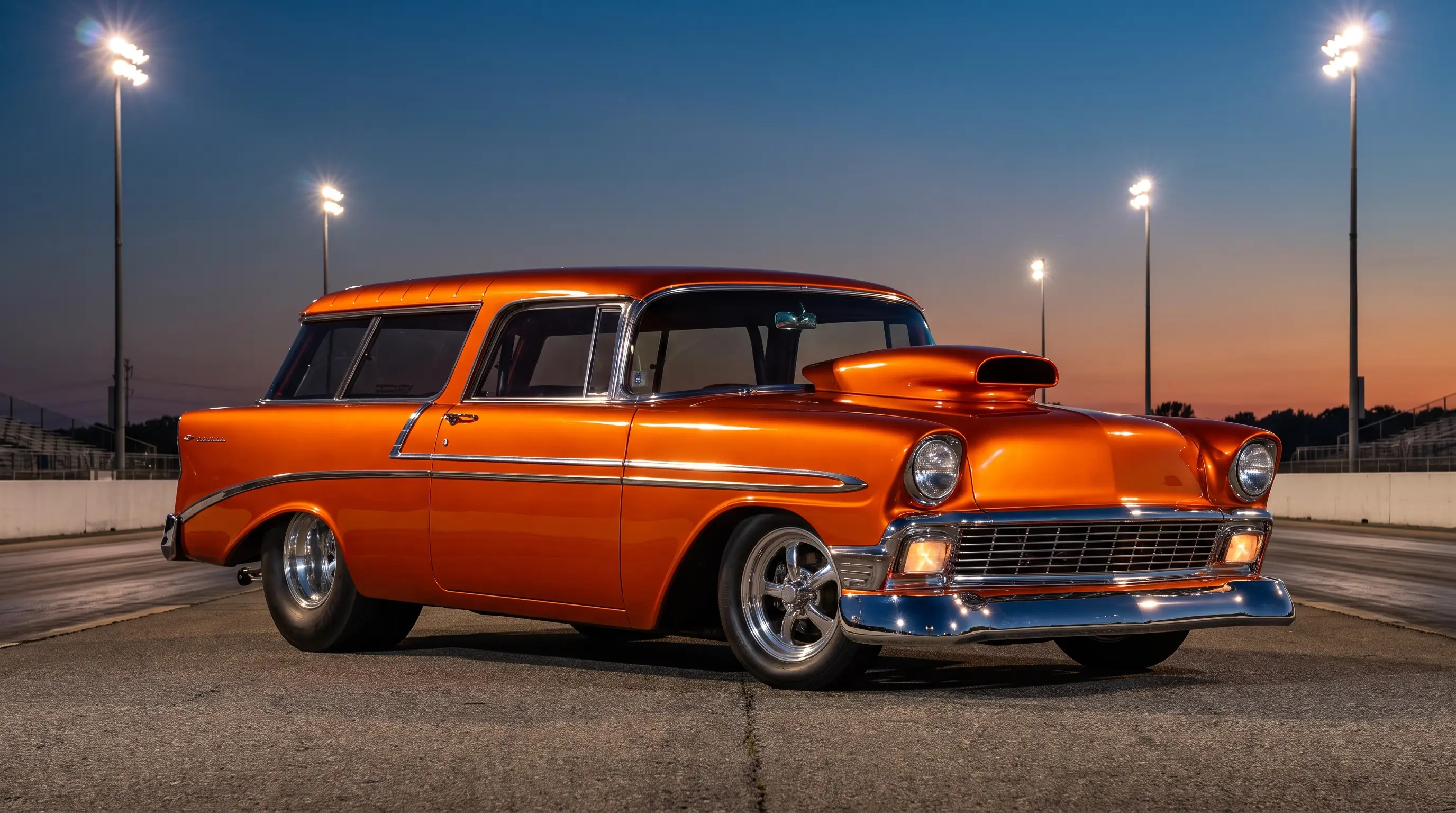
At any given Pro Street gathering through the 1990s, the Corvettes tended to draw a specific kind of attention because they broke the unspoken assumption that a sports car should stay a sports car. Chevelles and Camaros turned Pro Street felt like a natural progression. A Corvette wearing a full tub job and a blower felt like a statement, almost an argument, about what the car was always supposed to be underneath the marketing. Owners like Dale describe a specific kind of pride in that, the sense of taking the factory's own performance claims and pushing them somewhere the factory never intended.
"You are not just modifying a Corvette when you tub it out. You are having an argument with the factory about what the car should have been."
- Patrick Walsh
How magazines and shows shaped the Corvette's reputation
Hot rod and drag racing magazines through the 1980s gave the Pro Street Corvette outsized coverage relative to how few of them were actually built, largely because a widened, blown C3 photographed so dramatically. That coverage created a kind of feedback loop where more builders attempted a Corvette conversion specifically because they had seen a feature on one, chasing the same magazine spread and show trophy that an earlier build had earned. It also meant expectations climbed fast. A mediocre Corvette build got picked apart at shows in a way a mediocre Nova sometimes did not, simply because the bar for what a Pro Street Corvette should look like had been set so high by the standout examples everyone had already seen in print.
Paint choices tended toward bold, saturated colors rather than the muted tones some other Pro Street platforms wore, red, yellow, and deep metallics were common, chosen specifically to draw the eye toward that widened rear stance under studio lighting or show floor spotlights. The Corvette's fiberglass body took paint differently than steel in some respects, which added another layer of specialized knowledge that separated the shops known for doing Corvette work well from those who simply attempted it once.
What separates a great build from an average one
Talk to anyone who has spent real time around Pro Street Corvettes and they will tell you the difference between a great build and an average one usually comes down to proportion, not raw power. It is easy enough to fit huge slicks and a big blower onto a C3, but the builds people remember are the ones where every element, stance, wheel choice, paint, engine bay presentation, looks like it belongs together rather than bolted on piece by piece. Dale points to a handful of well known Corvette builds from his region that still get discussed at club meetings decades later, not because they ran the fastest times, but because they got that balance right in a way most attempts never quite managed.
Buying and valuing a Pro Street Corvette today
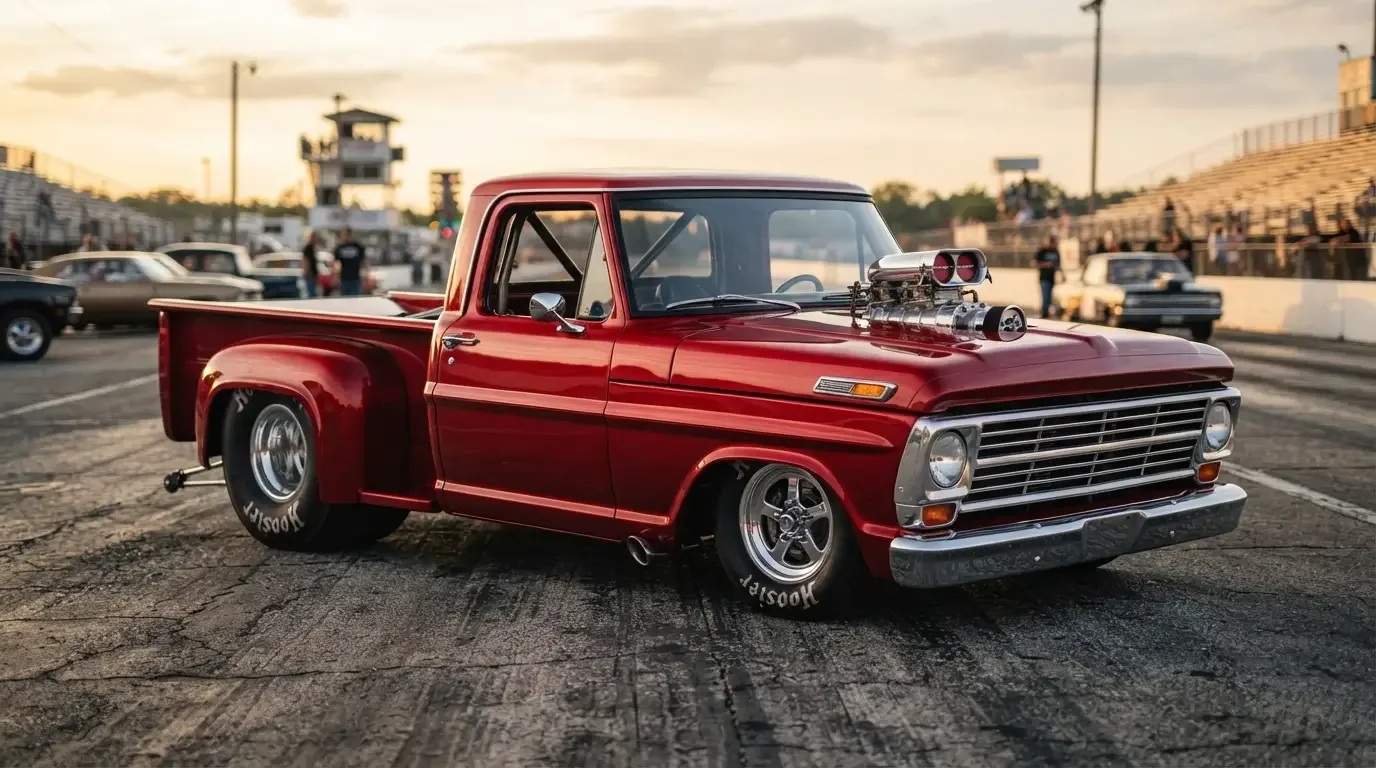
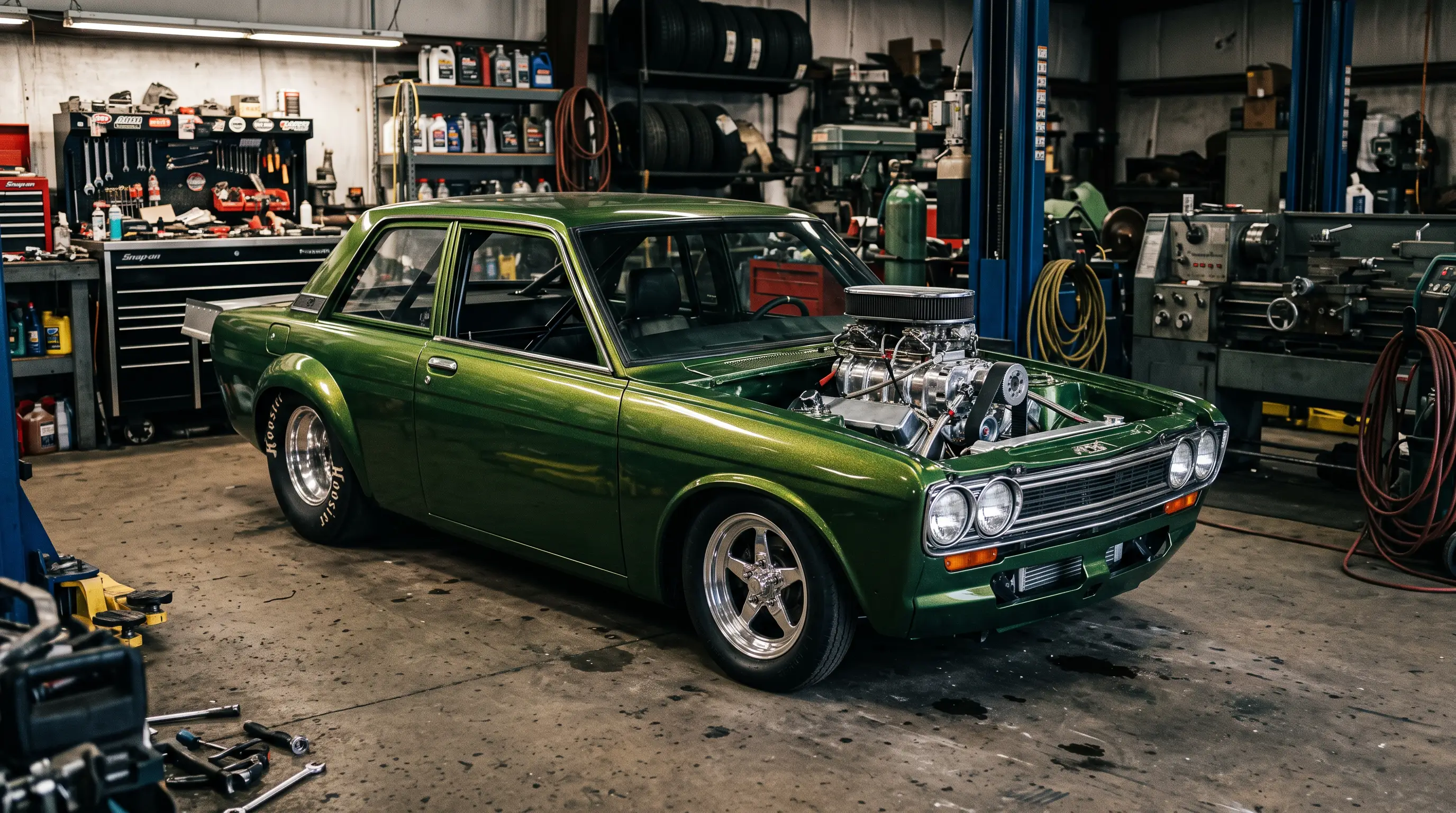
Values on these cars vary enormously depending on build quality, documentation, and how invasive the modifications were. A well documented build from a known shop with receipts and period photos commands real money among collectors who specifically want Pro Street history. A rough, undocumented tub job on a rusty donor car is a much harder sell, since the very modifications that make it a Pro Street Corvette also strip away most of the value an unmodified C3 would carry. For readers curious how this fits into the wider movement, our pro street trucks retrospective covers a very different corner of the same culture, where trucks got the same outrageous treatment for entirely different reasons. The Datsun and import scene tells a related story about how far the Pro Street formula traveled beyond its muscle car roots.
Buyers who want to see what is on the market right now can check listings of Pro Street cars for sale now to compare a Corvette build against other platforms and get a sense of current pricing. Dale still says his own car will never be for sale, but he understands why other owners eventually let theirs go. Building one of these takes a specific kind of obsession, and not everyone can hold onto that obsession forever.