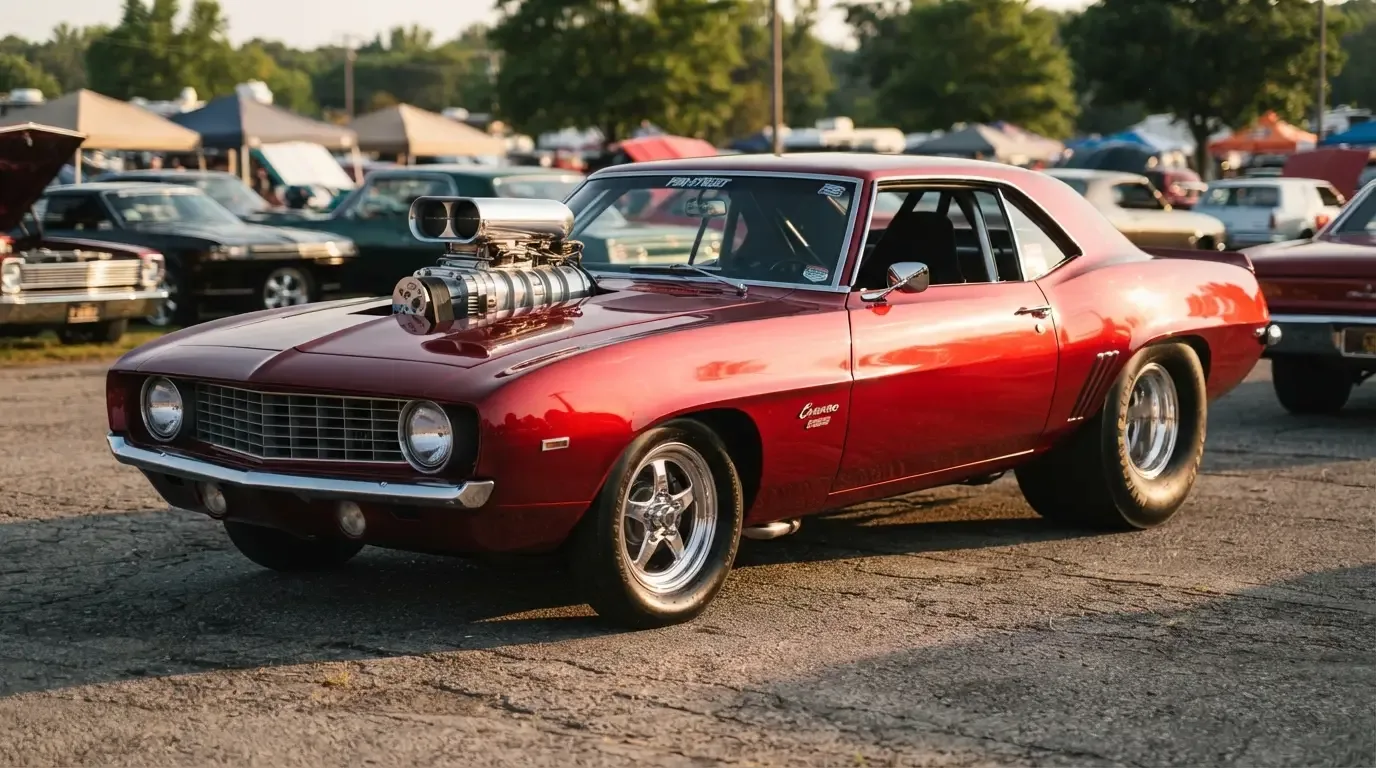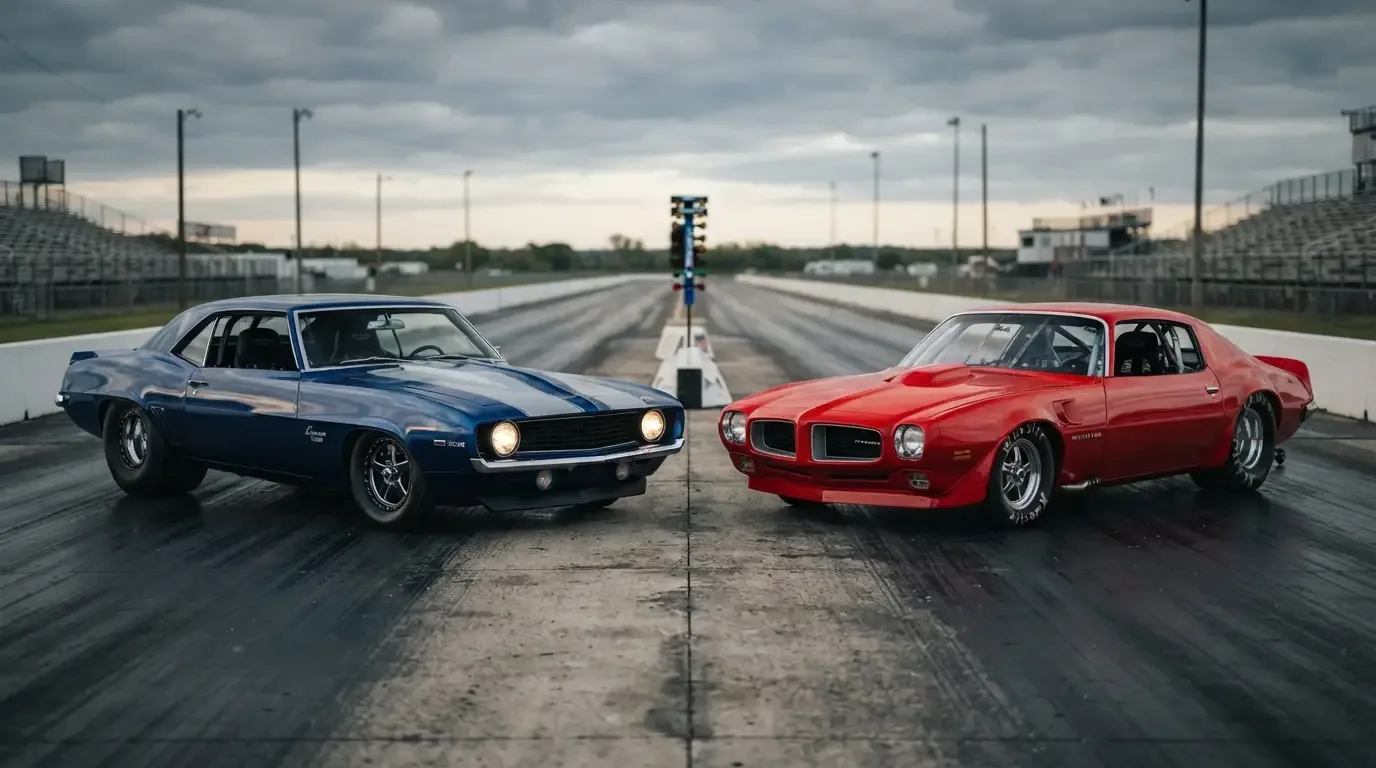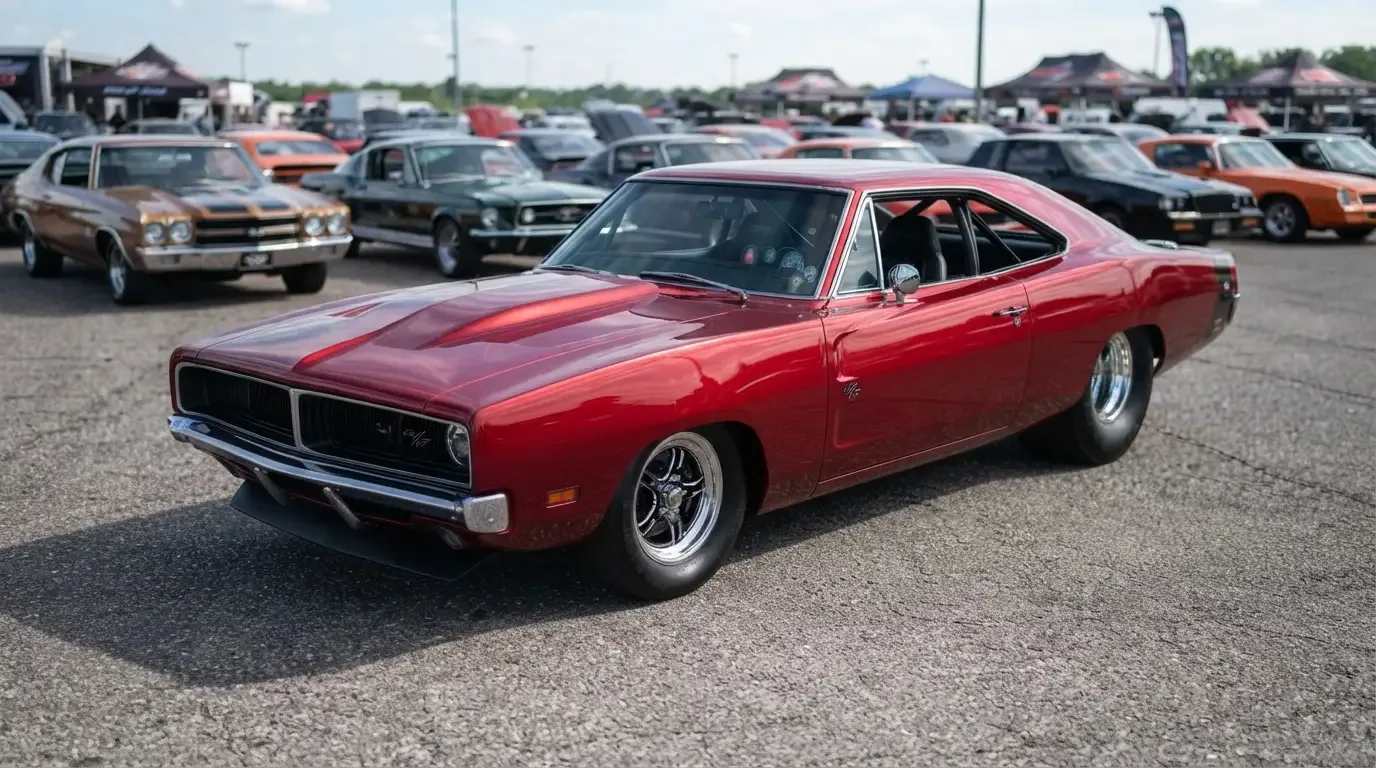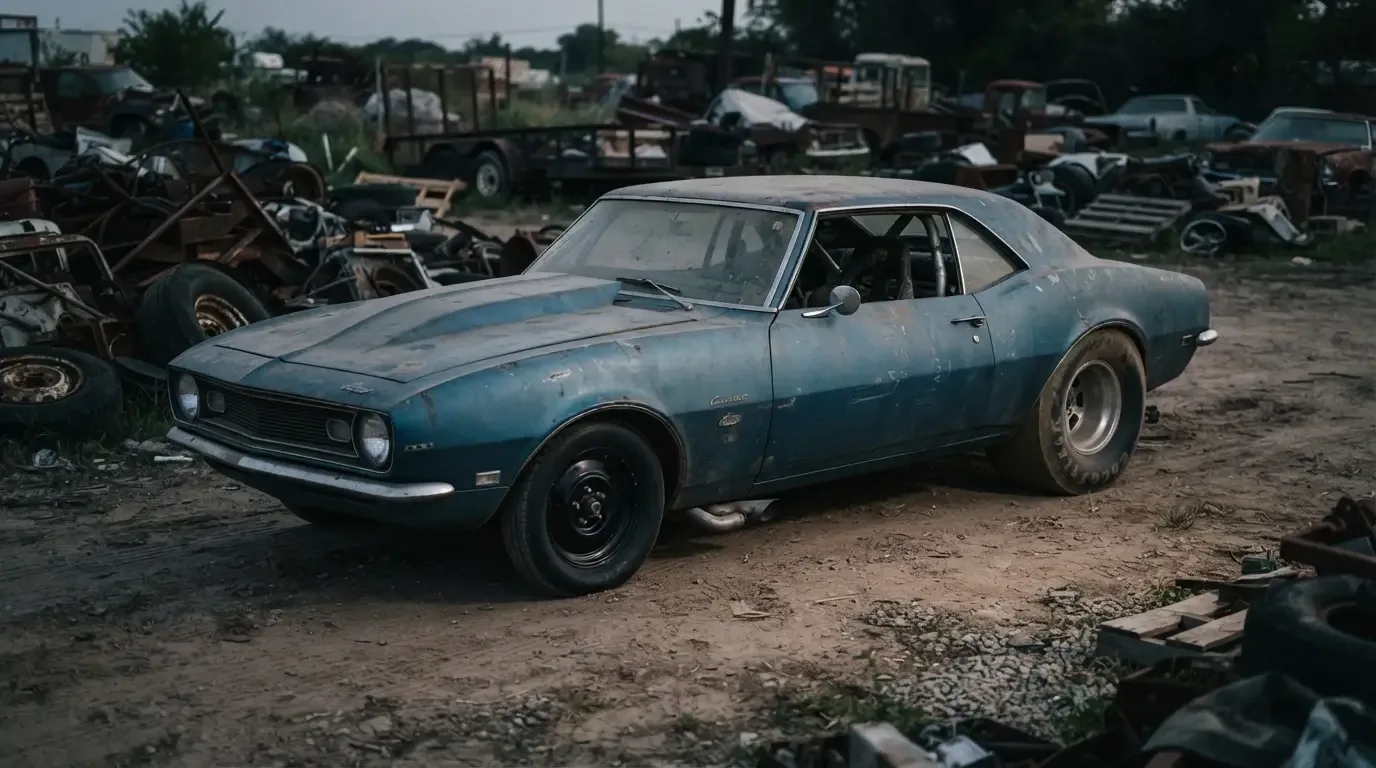
Every scene has its moment, and Pro Street's moment was the 1980s into the early 1990s, when tubbed muscle cars with blowers through the hood seemed to be everywhere from the pages of Car Craft to the parking lot at the local drive-in. Then, almost as suddenly as it arrived, the Pro Street decline set in. By the mid-1990s, the style that had defined a generation of builders was losing ground to a new set of trends, and the cars that once ruled the show field started looking like relics of a specific decade rather than a timeless approach to building a muscle car.
The look started to feel dated
Trends move in cycles, and by the early 1990s a lot of the visual language of Pro Street, the deep tub, the massive rear tire and comparatively skinny front tire, the loud graphics and airbrushed murals, started to read as a product of a specific era rather than a timeless style. Younger builders coming into the hobby wanted something that felt current, and to them the Pro Street look increasingly read as their older brother's car rather than something fresh.
Pro Touring emerged as the clearest competitor for attention. Instead of drag strip proportions, the new wave of builders wanted cars that handled well in the corners, sat on evenly sized wheels front and rear, and looked closer to a modern sports car than a straight-line racer. That shift in taste directly undercut the visual logic of Pro Street, since a car built around massive rear tires and a narrow front end could never compete on a road course the way a Pro Touring build could.
Practical problems builders got tired of
Beyond fashion, there were real functional complaints that piled up over the years. Tubbed rear ends with huge tires and skinny front tires made these cars genuinely difficult to drive, especially in wet weather or at highway speed, where the mismatched contact patches front to rear created handling behavior that took real skill to manage safely. A lot of owners who had built these cars in their twenties found themselves less interested in a twitchy, high-maintenance toy as their daily life and priorities changed.
Insurance and practicality also played a role. A heavily modified car with a big blower motor and drag-oriented suspension geometry was expensive to insure, hard to find parts for as the specialty tire sizes and induction pieces aged out of production, and increasingly impractical for owners who wanted to actually use their classic car on road trips or longer drives rather than short blasts to a local show.
Magazines and shows moved on
Media coverage tracks culture closely, and as editorial attention shifted toward Pro Touring, restomods, and later toward resto builds that kept cars closer to factory specification, Pro Street lost its regular spotlight. Fewer magazine covers meant fewer builders chasing the look, which meant fewer parts suppliers catering to tub kits and narrowed rear ends, which in turn made building a new Pro Street car harder and more expensive than it had been at the style's peak. That is a familiar pattern in car culture. Once the media spotlight and the parts supply chain move on together, a style can decline quickly even if plenty of enthusiasts still love it.
For a fuller sense of how big that spotlight was at its peak, read our history of pro street cars retrospective, which covers the roots of the movement in late 1970s drag culture through its golden years in the 1980s and 1990s. Understanding how much momentum the style had makes the decline all the more striking.
"Nothing killed Pro Street overnight. It just slowly stopped being the thing every young builder wanted their car to look like, and once that happened, the parts dried up and the magazines moved their cameras somewhere else."
- Patrick Walsh
The economics of a fading trend
There is a less romantic explanation running underneath all of this too, and it comes down to money. Building or maintaining a Pro Street car was never cheap, and as the specialty industry around tub kits, narrowed rear ends, and big carburetion or injection setups shrank, prices for those parts climbed while availability dropped. A builder who could have sourced a tub kit relatively affordably in 1987 might have struggled to find the same part, or a comparable one, a decade later without paying a premium or having something fabricated custom.
That cost pressure pushed a lot of would-be builders toward simpler, less committed modifications, things like a mild suspension drop or a wheel and tire upgrade that delivered visual impact without the expense and complexity of a full tub job. The economics of car culture rarely get discussed as openly as the aesthetics, but they shape trends just as much, and Pro Street's decline is as much a story of parts availability and rising build costs as it is a story of changing taste.
Decline is not the same as disappearance
It is worth being precise about what actually happened here. Pro Street did not vanish. It fell out of mainstream fashion, which is a different thing entirely from dying out. A dedicated core of builders and owners kept the style alive through the leaner years, maintaining original cars, restoring tired ones, and occasionally building new tribute cars that honored the golden era rather than chasing whatever trend was current. That persistence is exactly what set up the revival that eventually followed, which you can read about in a related story covering how Pro Street found new appreciation among a younger generation of collectors.
The decline actually did the style a favor in one sense. It filtered out the cars and builders who were only in it for a fleeting trend, leaving behind a smaller but more committed community that genuinely cared about the engineering and history behind these cars. That is part of why the survivors from the golden era carry real weight with today's buyers. If you want to see what that history commands on the current market, check out Pro Street cars for sale now and compare the pricing on documented period builds against newer tribute cars built in the same spirit.
Looking back now, the decline reads less like a rejection of the style and more like a natural pause. Car culture cycles through phases the same way any creative scene does, and styles that fall out of the spotlight often return once enough distance has passed for a new generation to appreciate them on their own terms rather than as a hand-me-down trend. Pro Street's dip in popularity through the 1990s turned out to be exactly that kind of pause rather than an ending.