People mix up Pro Street and Pro Stock all the time, and I get why. Both names showed up on cars with fat rear tires and big engines, both trace back to drag racing, and both were plastered across the same magazine pages in the 1980s. But they are not the same thing, not even close, and if you are looking at buying a car described either way, you need to know the difference before you write a check.
Pro Stock is a race class. Pro Street is a street car style.
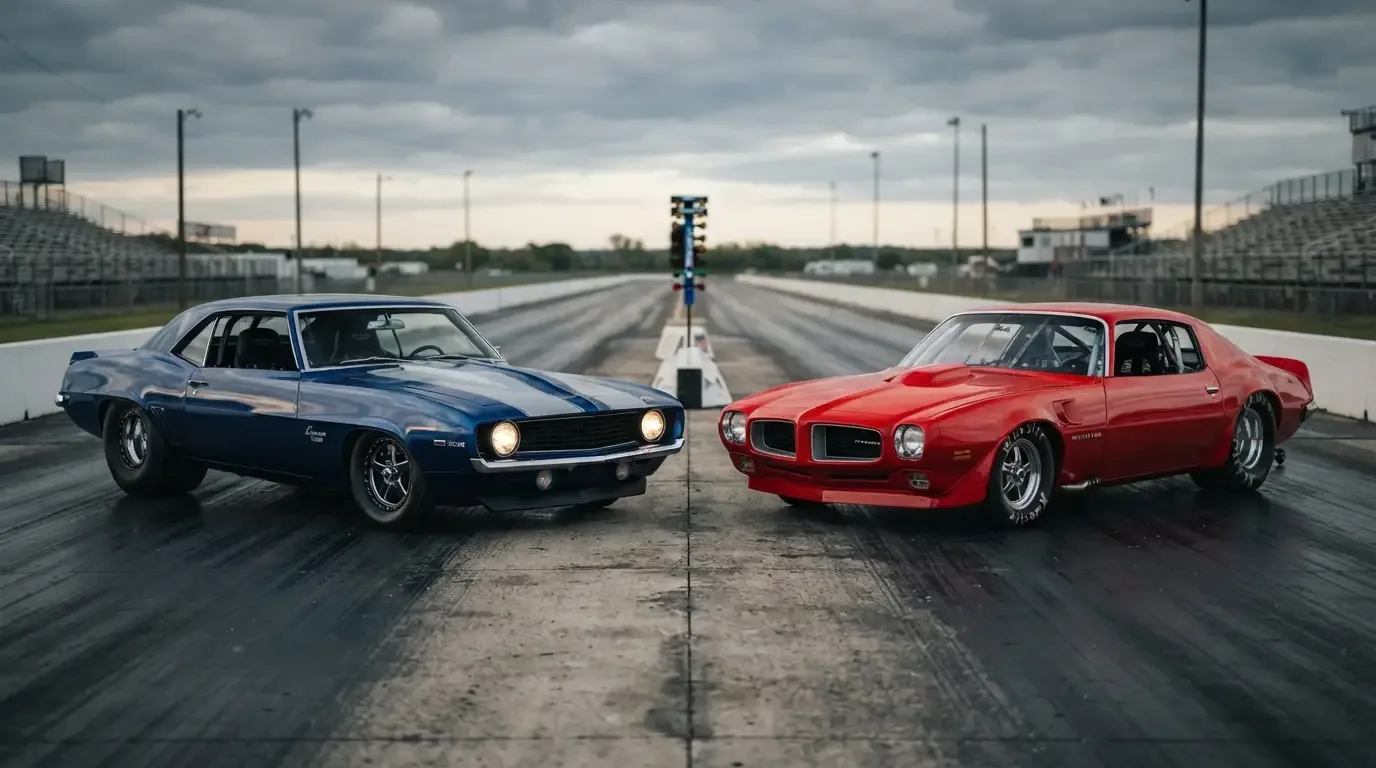
Pro Stock is a professional drag racing category that has run under NHRA sanctioning since the early 1970s. These are purpose-built race cars, factory-bodied on the outside but heavily modified underneath, running dedicated racing engines, full roll cages, and none of the equipment needed to drive on a public road. No headlights that work, no mufflers that meet noise codes, no interior beyond what safety rules require. A Pro Stock car exists to run a quarter mile as fast as possible and nothing else.
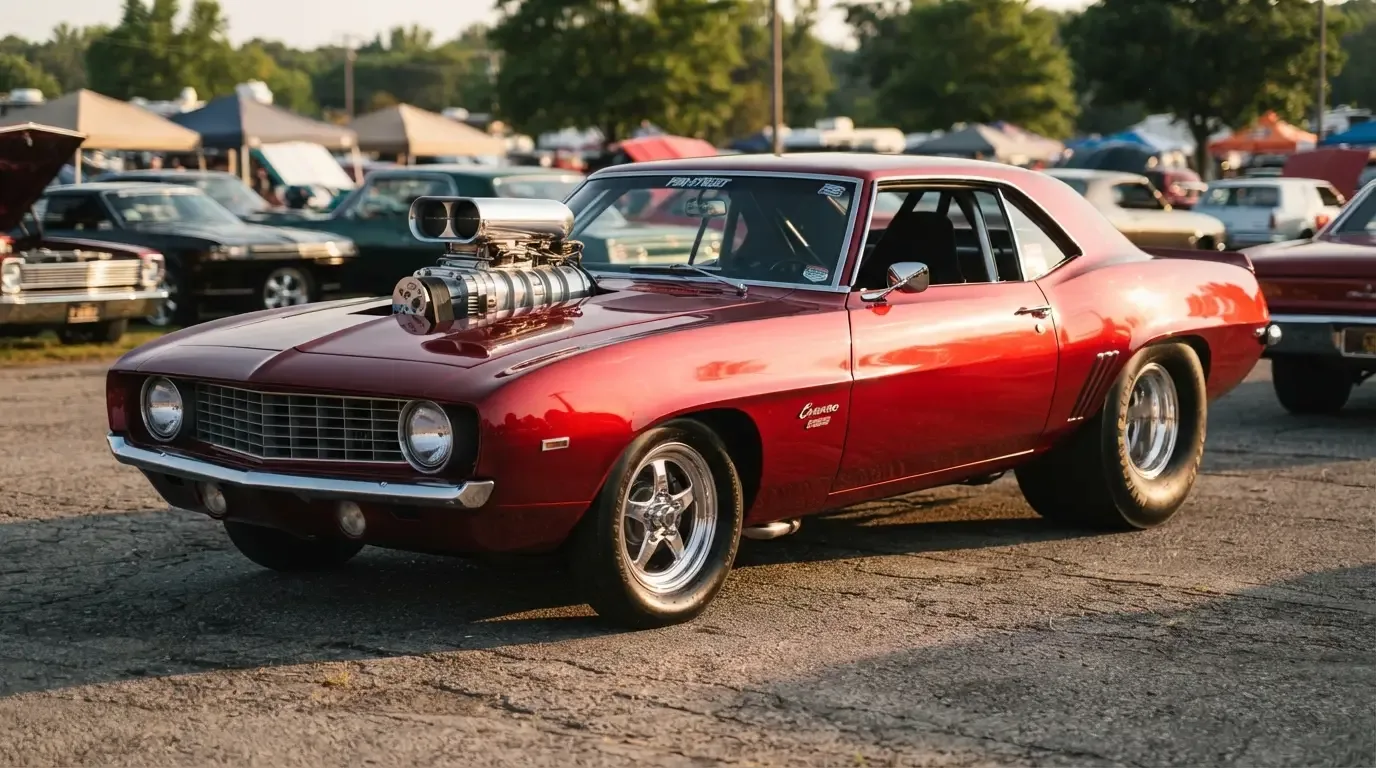
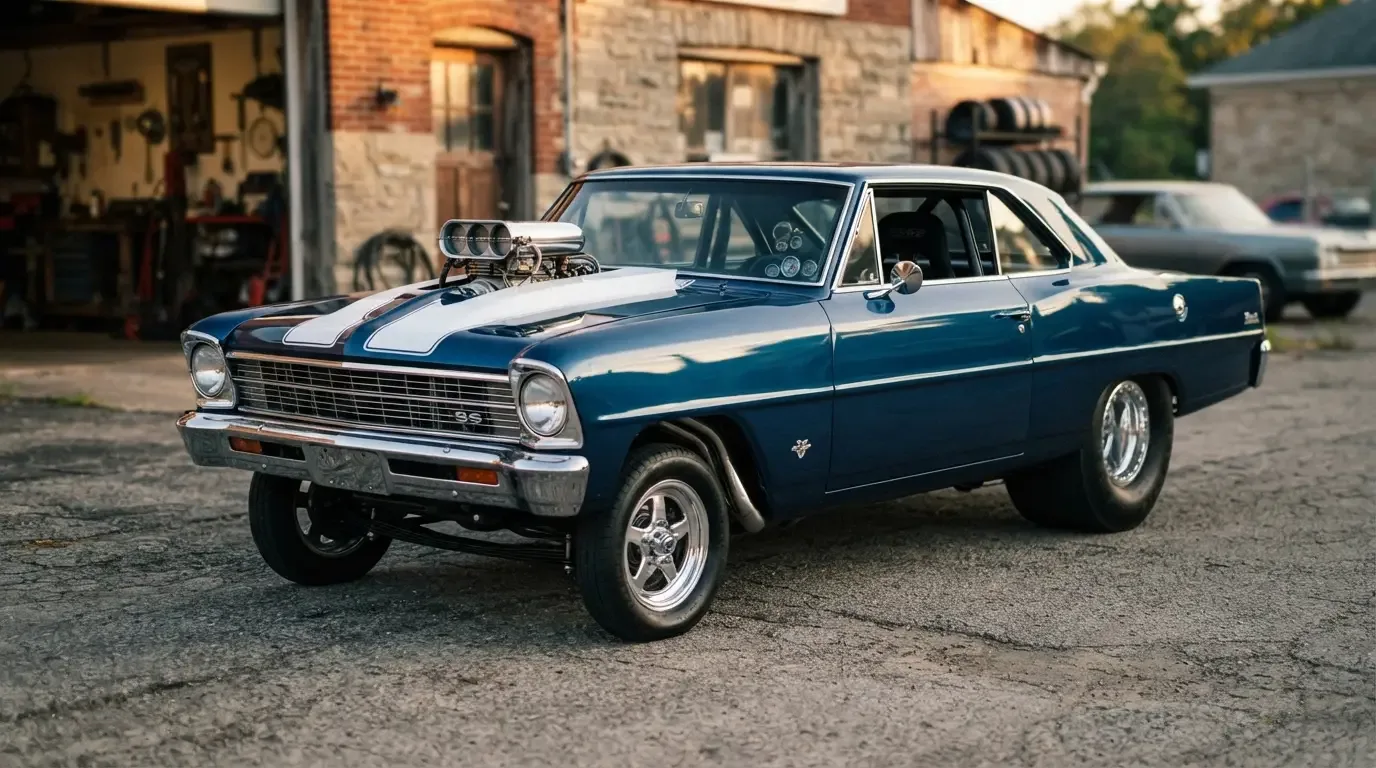
Pro Street is different by design. It is a street-driven car built to look and perform like a Pro Stock racer, with the tubbed rear end, the huge tires, and the aggressive stance, but it still has to pass inspection, carry a plate, and get you to the grocery store. The name is a direct nod to Pro Stock, borrowed because builders wanted their street cars to evoke that same drag strip intensity, but the two things serve completely different purposes.
What that difference means under the skin
A Pro Stock car runs a purpose-built racing engine that would be miserable to drive on the street. Idle quality, fuel economy, and low-speed drivability are not considerations when every ounce of engineering goes toward making the most power at the top of the run. Pro Street builders had to compromise. Their engines needed to start reliably in a driveway, idle smooth enough to sit at a stoplight, and survive daily heat cycling, all while still looking and sounding like something out of the winner's circle.
The chassis tells the same story. A Pro Stock car's chassis is a purpose-built tube frame designed around weight distribution and traction for a quarter mile pass, nothing else. A Pro Street car usually starts as a real production body, tubbed and reinforced in the rear to fit big tires, but keeping enough of the original structure, glass, and trim to remain street legal and recognizable as the car it started life as.
| Category | Pro Stock | Pro Street |
|---|---|---|
| Purpose | Professional drag racing | Street-driven show and go |
| Legality | Not street legal | Registered and plated |
| Engine | Purpose-built race engine | Street-driveable big-inch engine |
| Interior | Safety cage, minimal trim | Mostly stock or lightened trim |
| Sanctioning body | NHRA professional class | No formal sanctioning, informal style |
Why the confusion keeps happening
Part of the mix-up comes from how closely the two looks overlap. Both feature narrowed and tubbed rear ends, huge rear tires, aggressive hood scoops or blower setups, and a general silhouette that screams drag racing before you even hear the engine. Builders were deliberately chasing that Pro Stock aesthetic, so of course a casual observer at a car show is going to see the resemblance and assume they are looking at the same thing.
The other source of confusion is language. Sellers, forum posters, and even some magazine writers over the years have used the terms loosely, calling a street car "Pro Stock style" when they mean Pro Street, or describing a Pro Street car's engine as "Pro Stock spec" when it is really just a strong street combination dressed up to look the part. If you want the actual background on how the street version of this style developed, the full story traces the movement from its drag strip roots through its peak in the 1980s and 1990s.
How the two worlds actually connected
The relationship was not just about copying looks from a distance. A lot of Pro Street builders had spent time around drag strips, some of them wrenching on actual Pro Stock or bracket cars before turning their attention to a street project. That hands-on background showed up in the quality of the fabrication. Guys who had built real race cars knew how to do tub work that was both functional and safe, not just a cosmetic exercise, and that experience is part of why so many well-built Pro Street cars from this era have survived in solid mechanical condition.
There was also a financial reality driving the whole thing. Running an actual Pro Stock program cost real money, sponsorship money in a lot of cases, and was simply out of reach for most enthusiasts. Building a street car with the same visual drama, on a budget stretched across years of weekend work, let regular guys participate in that culture without needing a race team behind them. That gap between what Pro Stock racing cost and what a home garage could afford is basically the reason Pro Street exists as its own category at all.
Why the distinction matters if you are buying
If a listing describes a car as Pro Stock, ask hard questions immediately. A genuine Pro Stock car is a dedicated race chassis with no street use whatsoever, and that changes everything about how you would title, insure, and use it. Most of what shows up for sale under a loosely applied Pro Stock label is actually a Pro Street car, meaning it is a modified production car you can legally drive, which for most buyers is exactly what they actually want.
"If the seller cannot tell you whether the car has a title and a working odometer, it is not a race car problem, it is a paperwork problem. Get that straight before you talk price."
- Mike Sullivan
Knowing the difference protects you from overpaying for a car described with racing-class terminology it does not actually deserve, and it also helps you set realistic expectations for maintenance, insurance, and daily use. If you are shopping, browse classic Pro Street car listings and pay close attention to how each seller describes titling, drivetrain, and street legality. That is where the Pro Street versus Pro Stock distinction actually matters to your wallet.
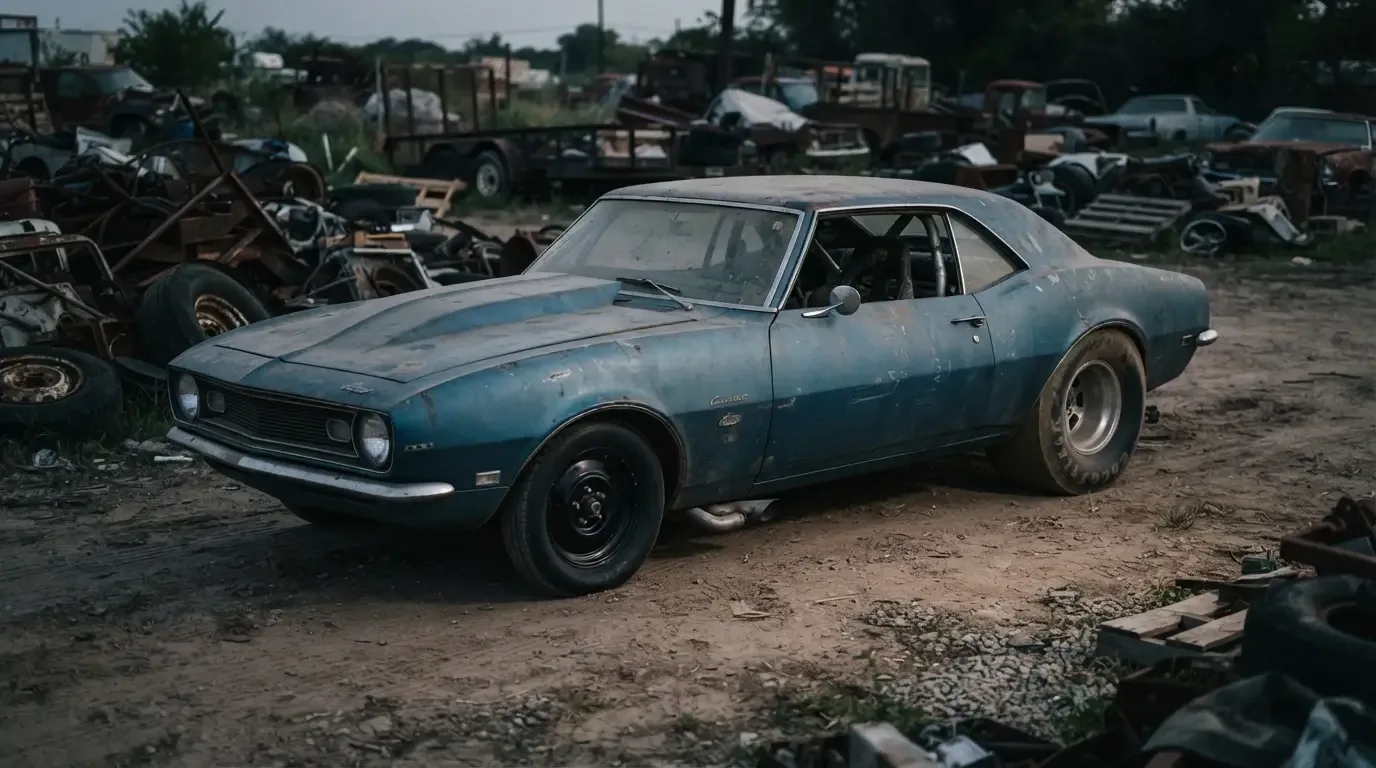
One more thing worth checking before you commit to a purchase is how the car has been maintained over the years, not just how it was originally built. A Pro Street car with a strong street-driveable engine combination should show evidence of regular use, oil changes, and small mechanical upkeep, the same way any daily driven vehicle would. If a car has sat for years without running, treat the seller's performance claims with some skepticism until you can verify them yourself, on the street, not just on paper.