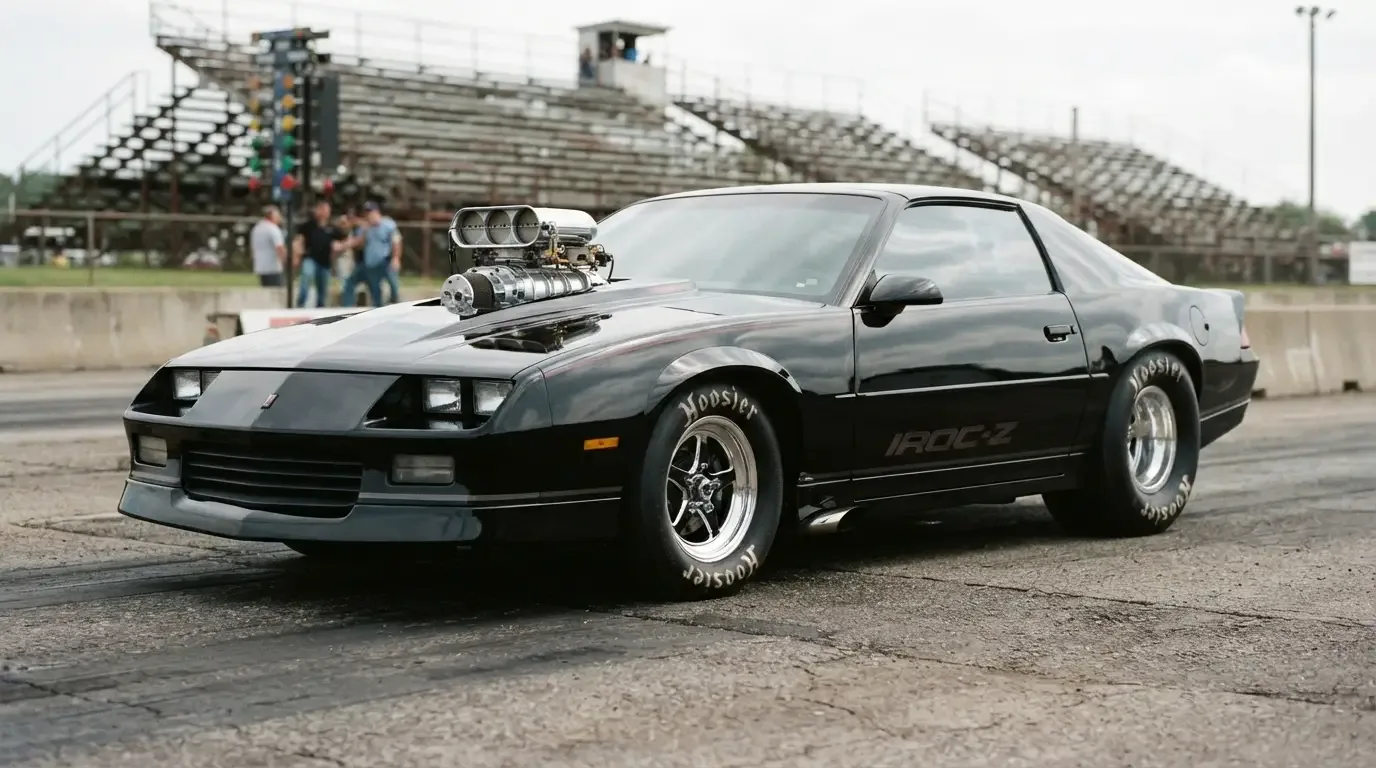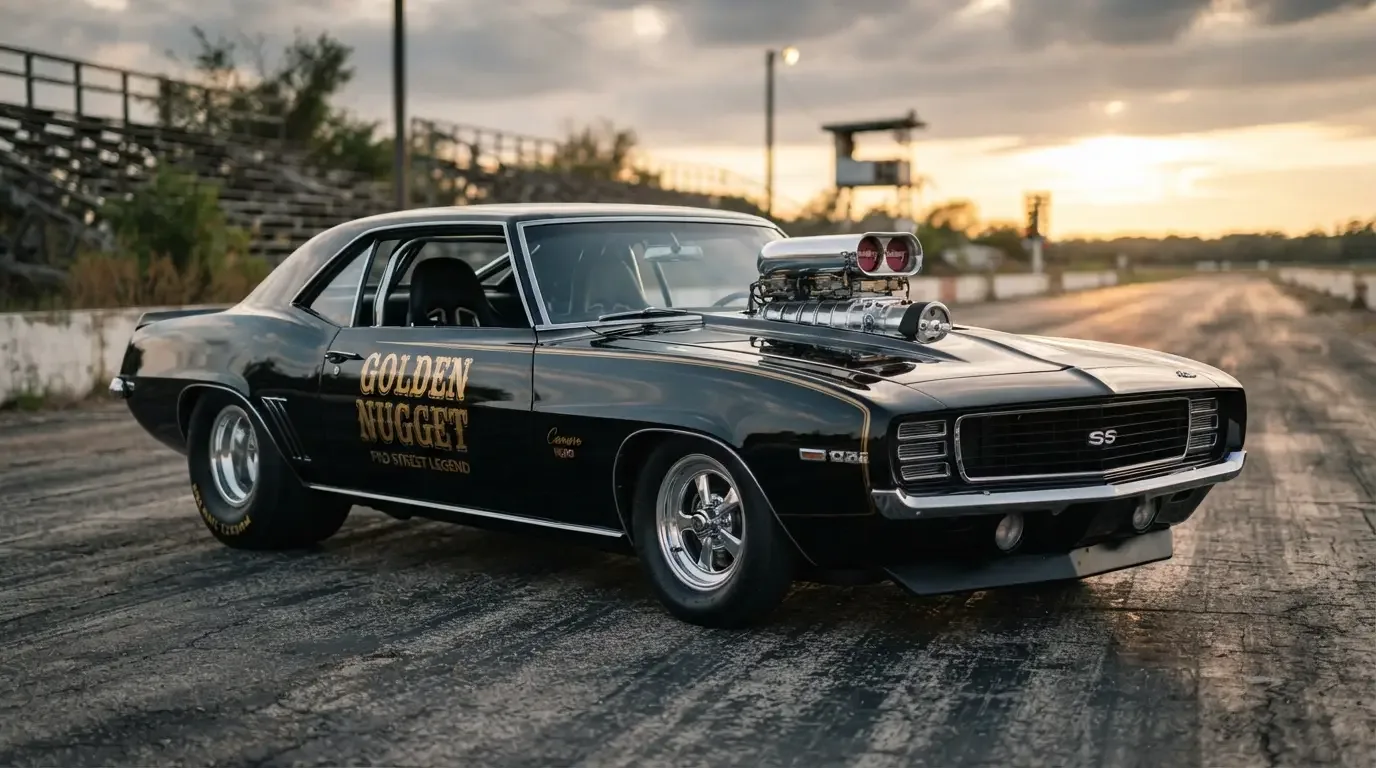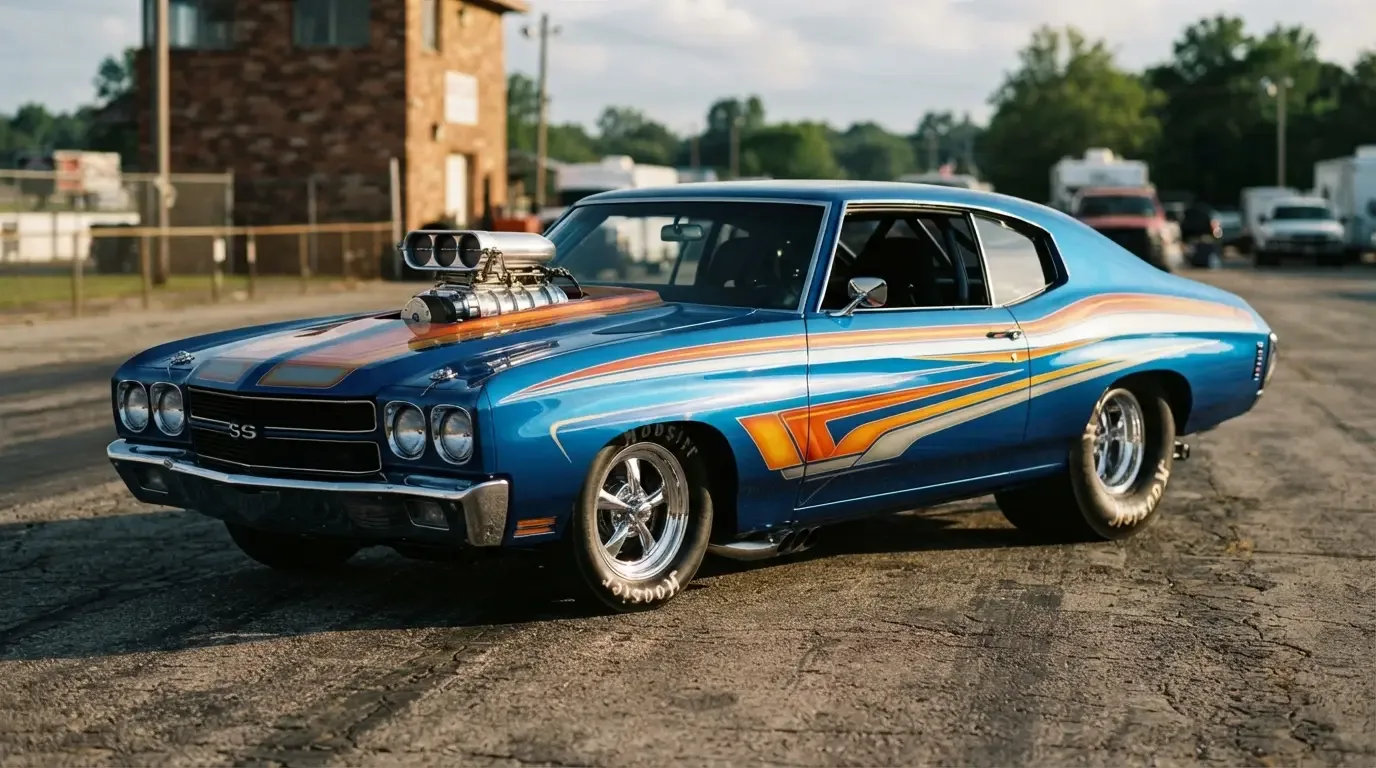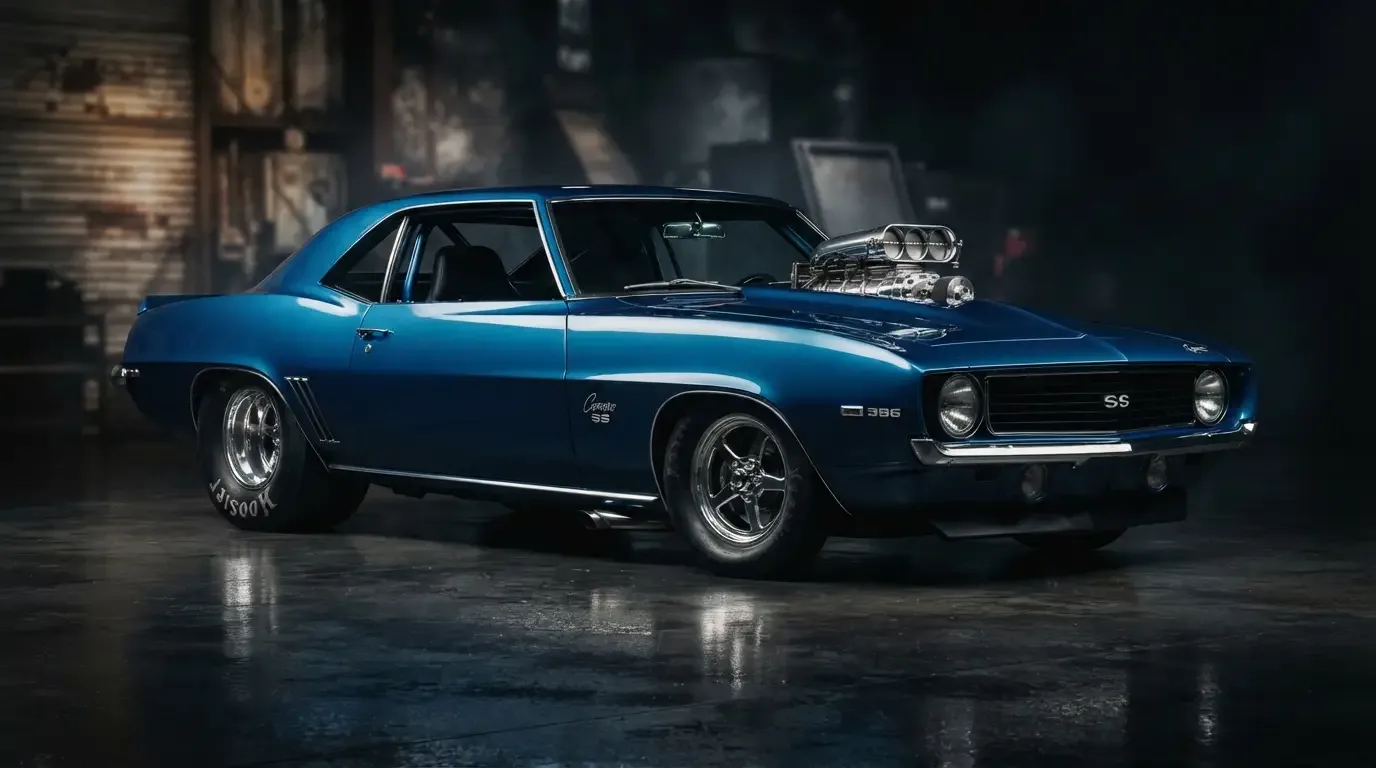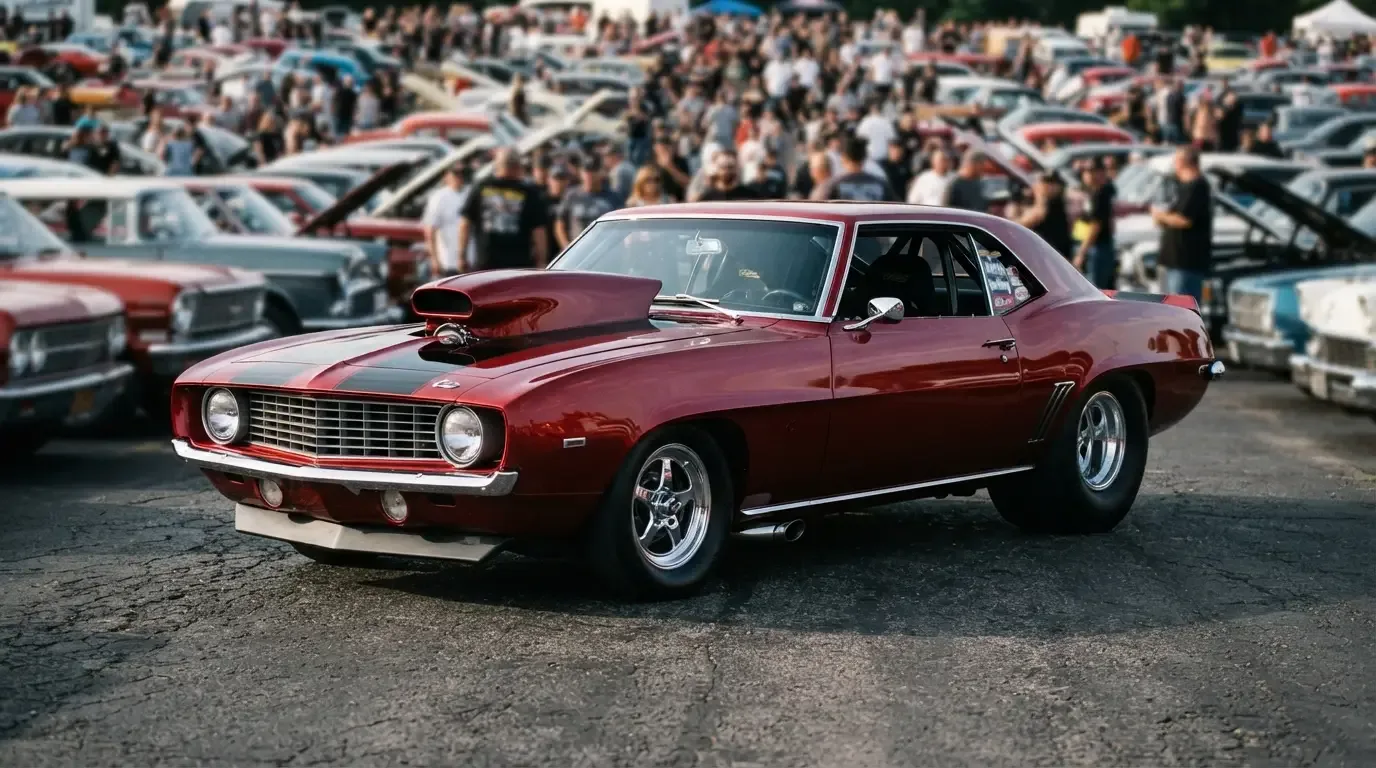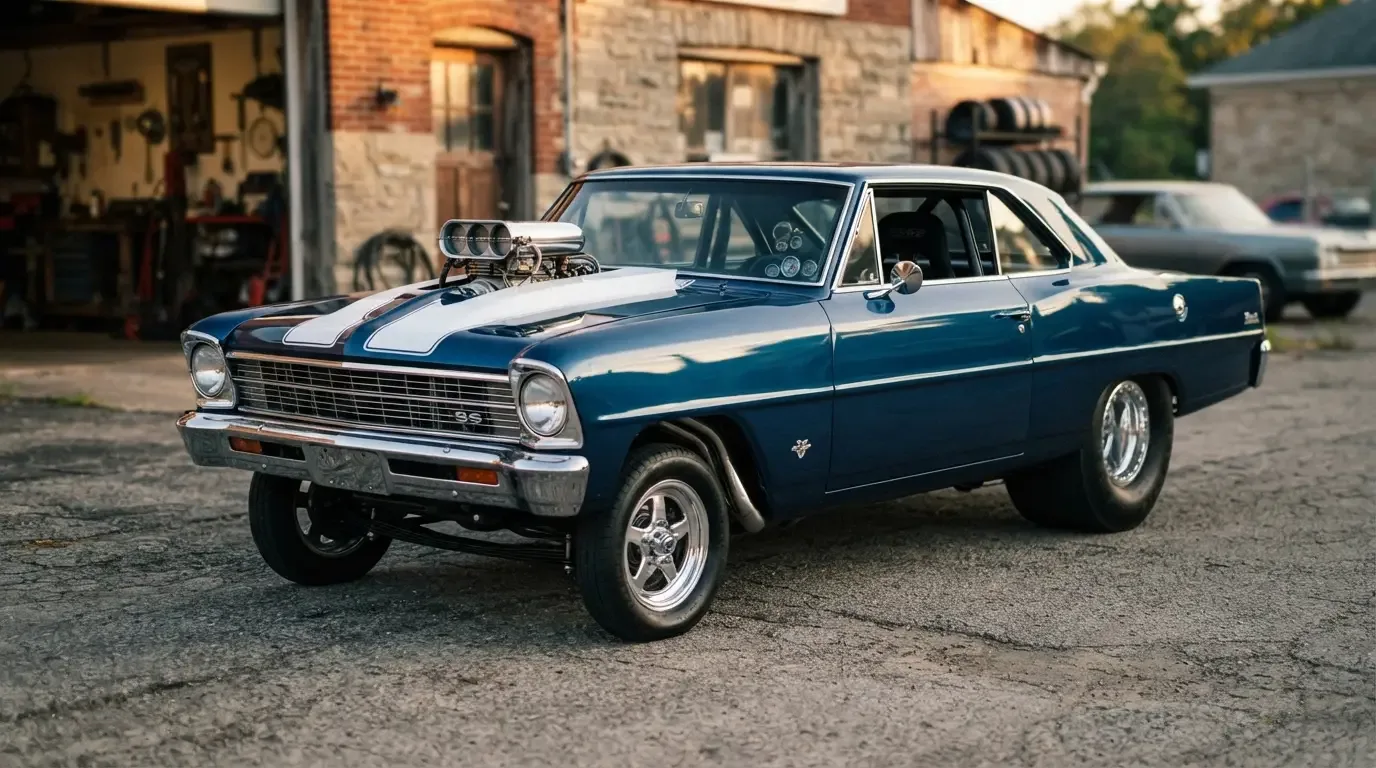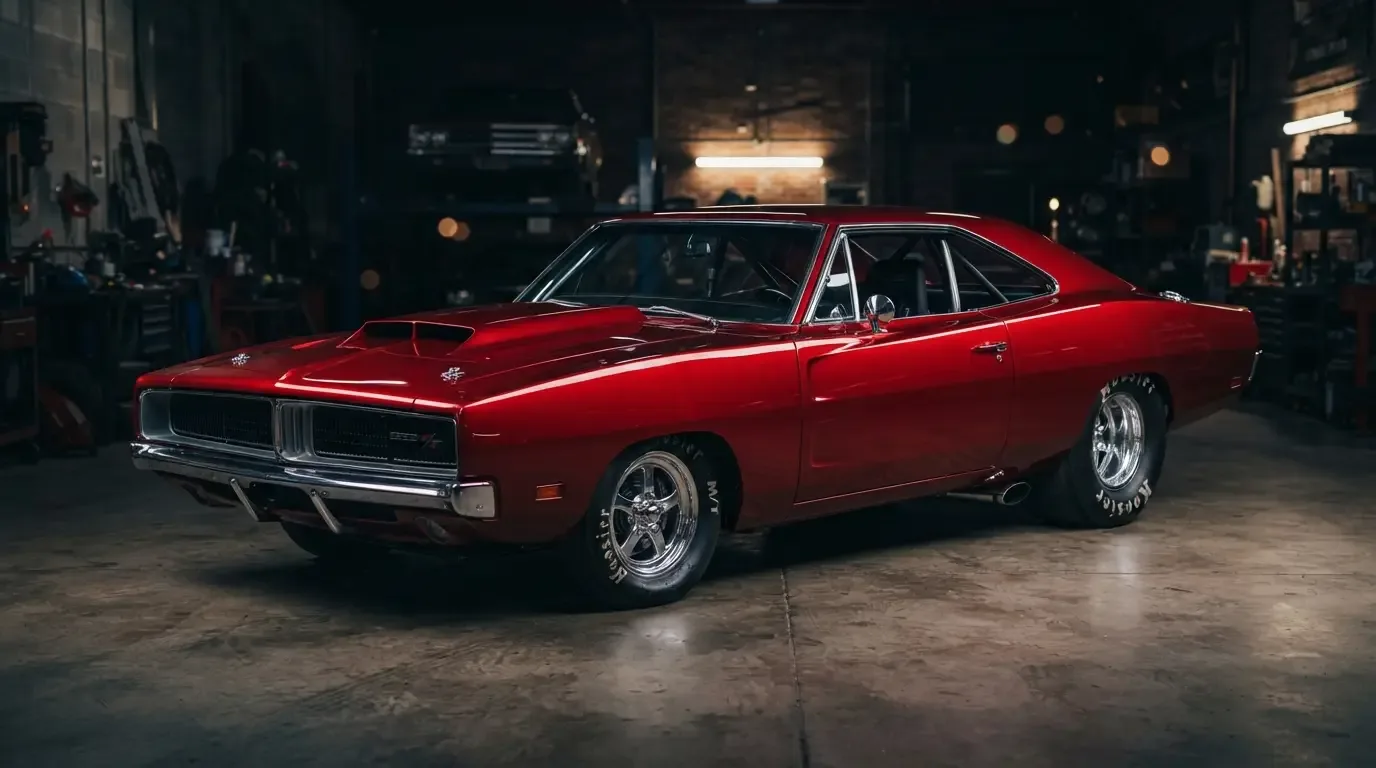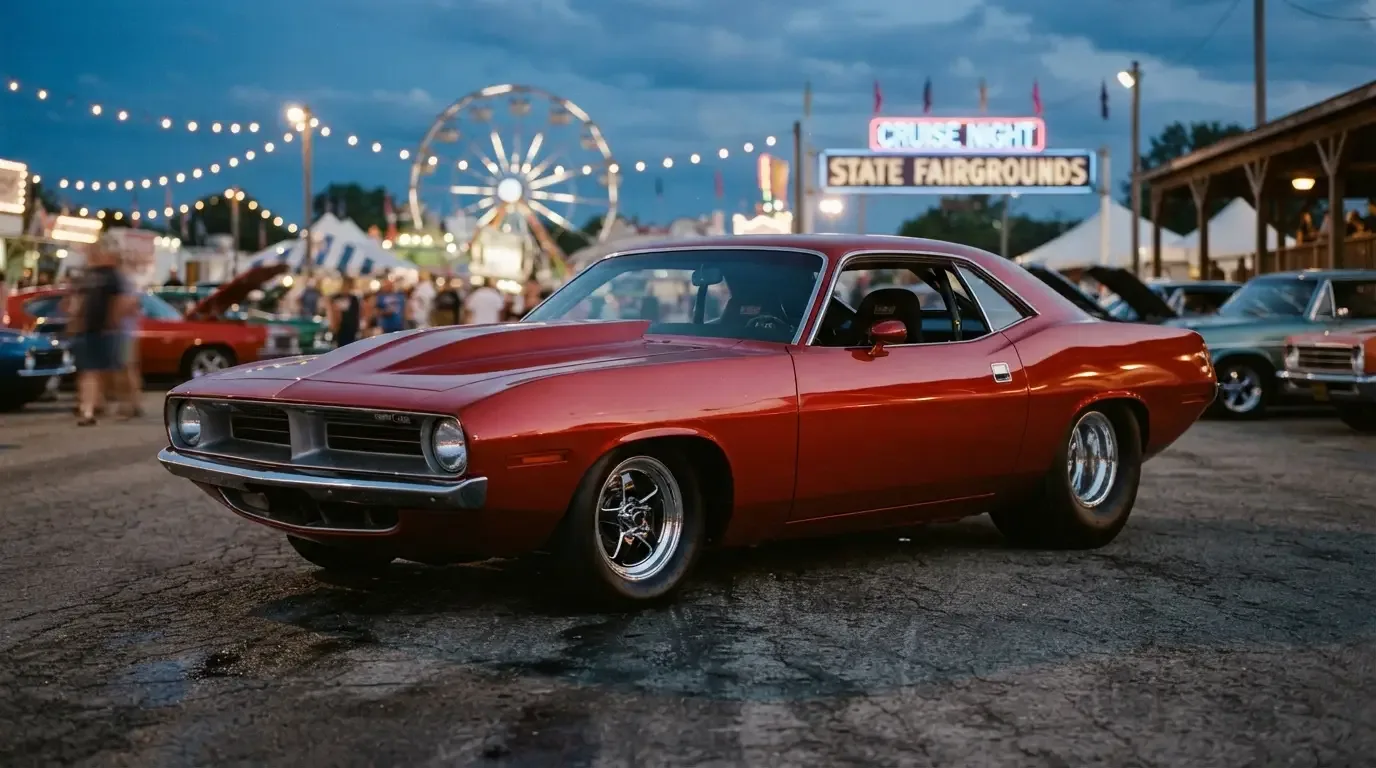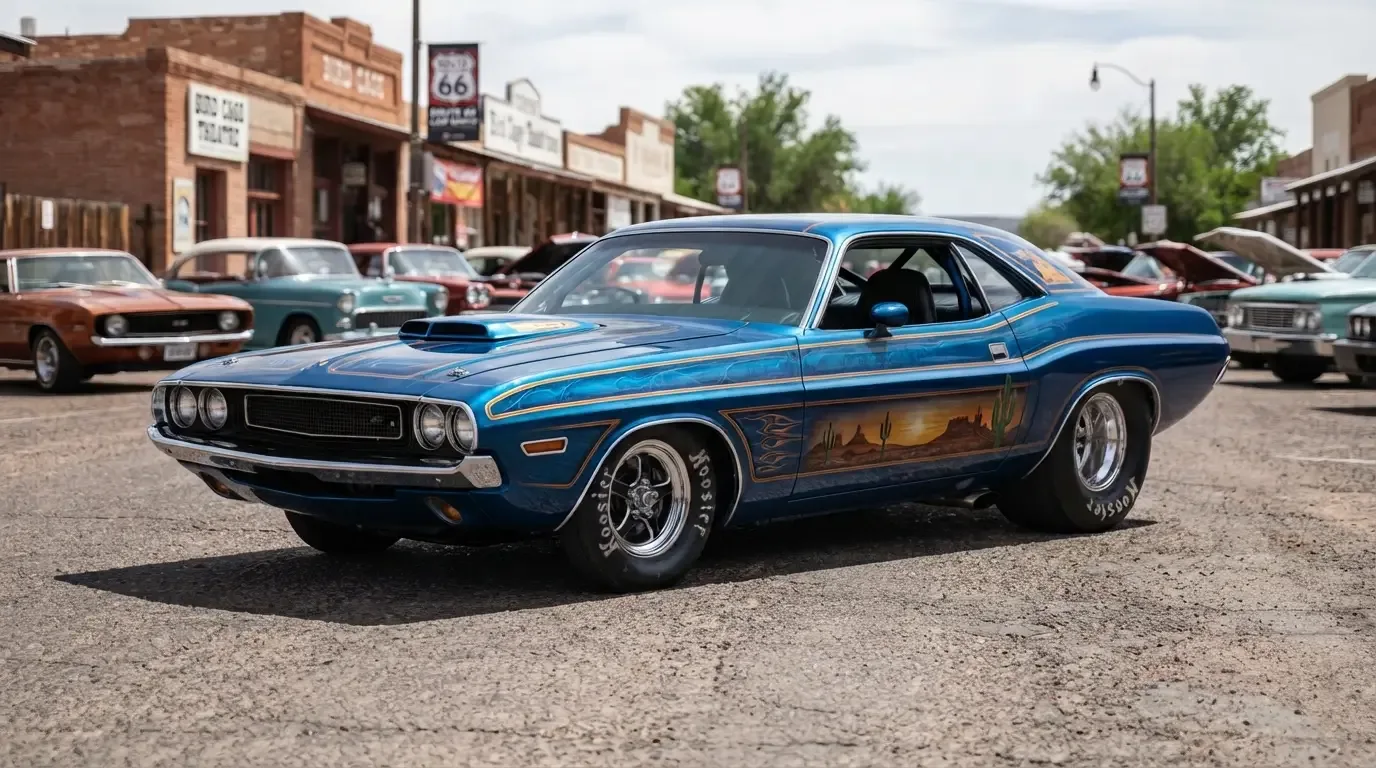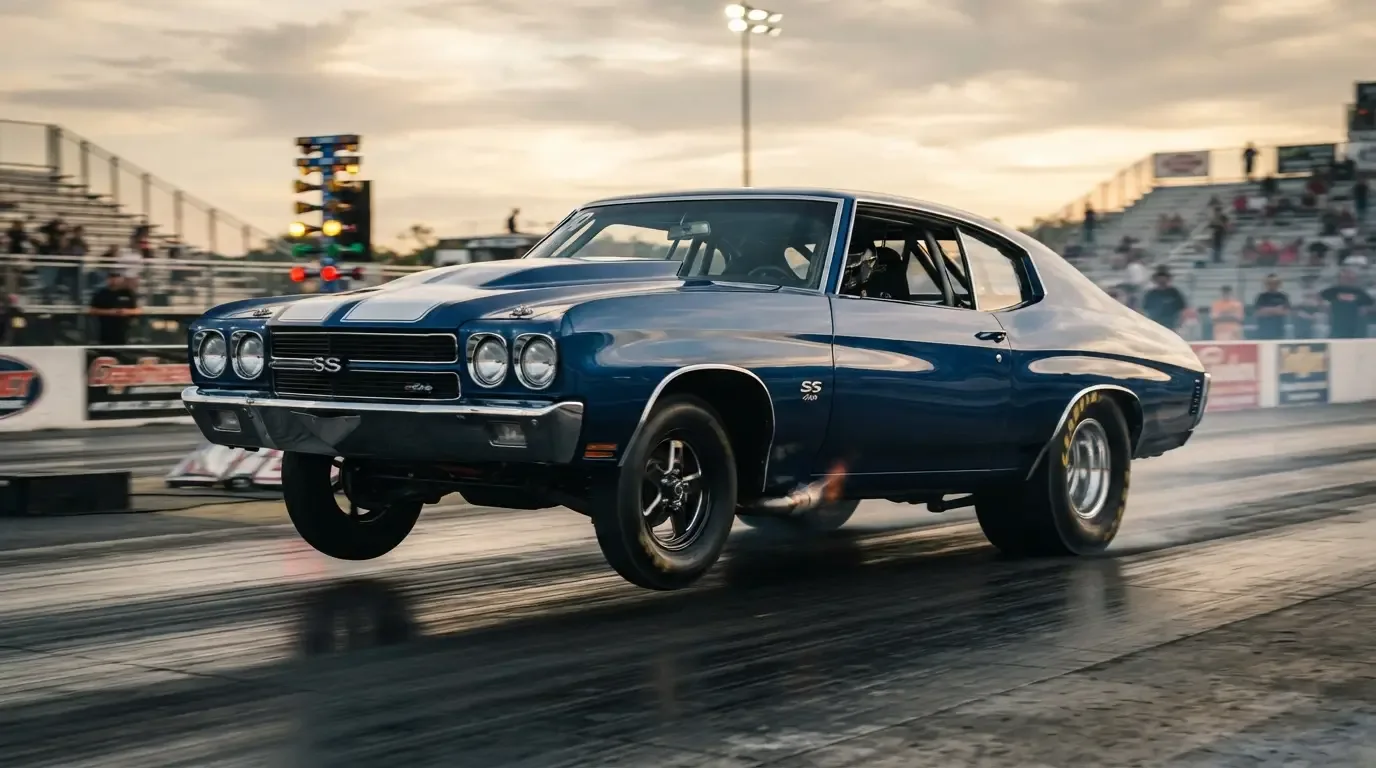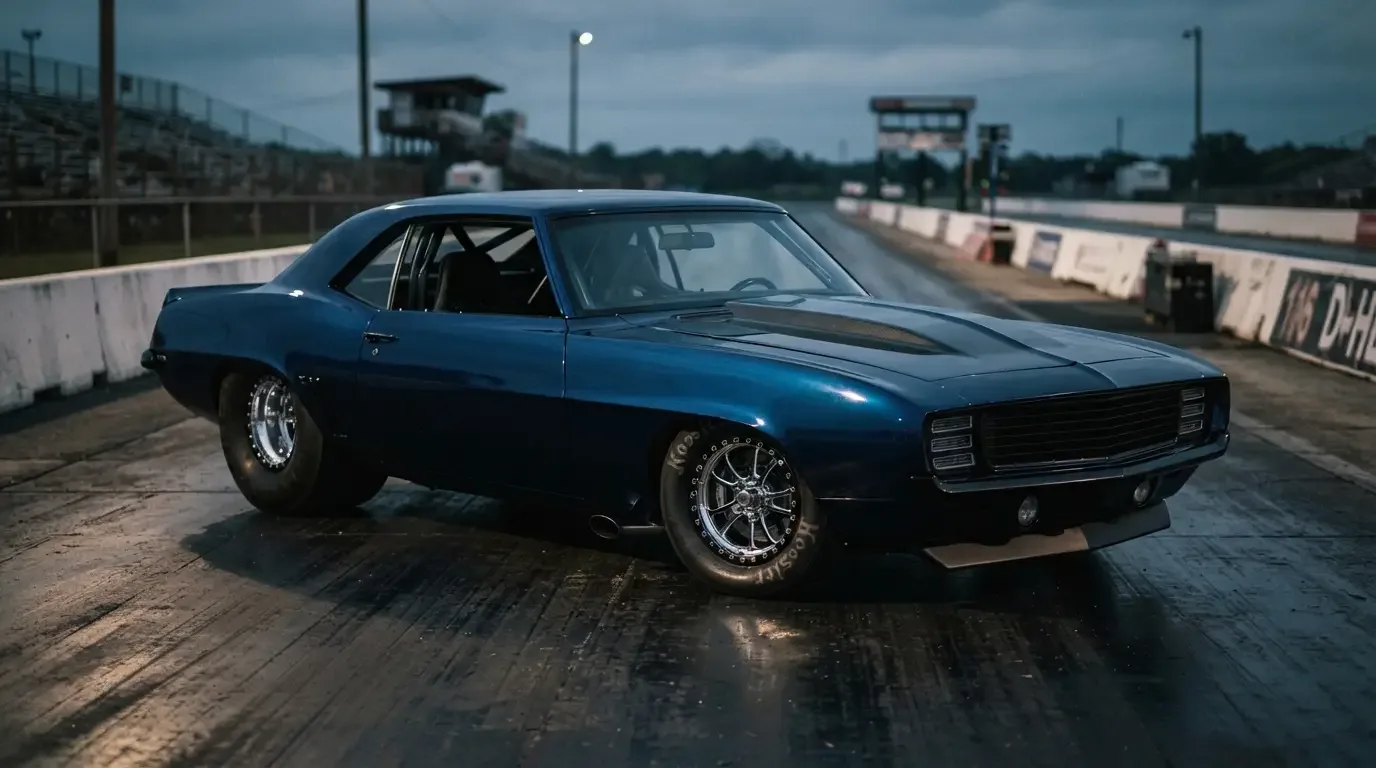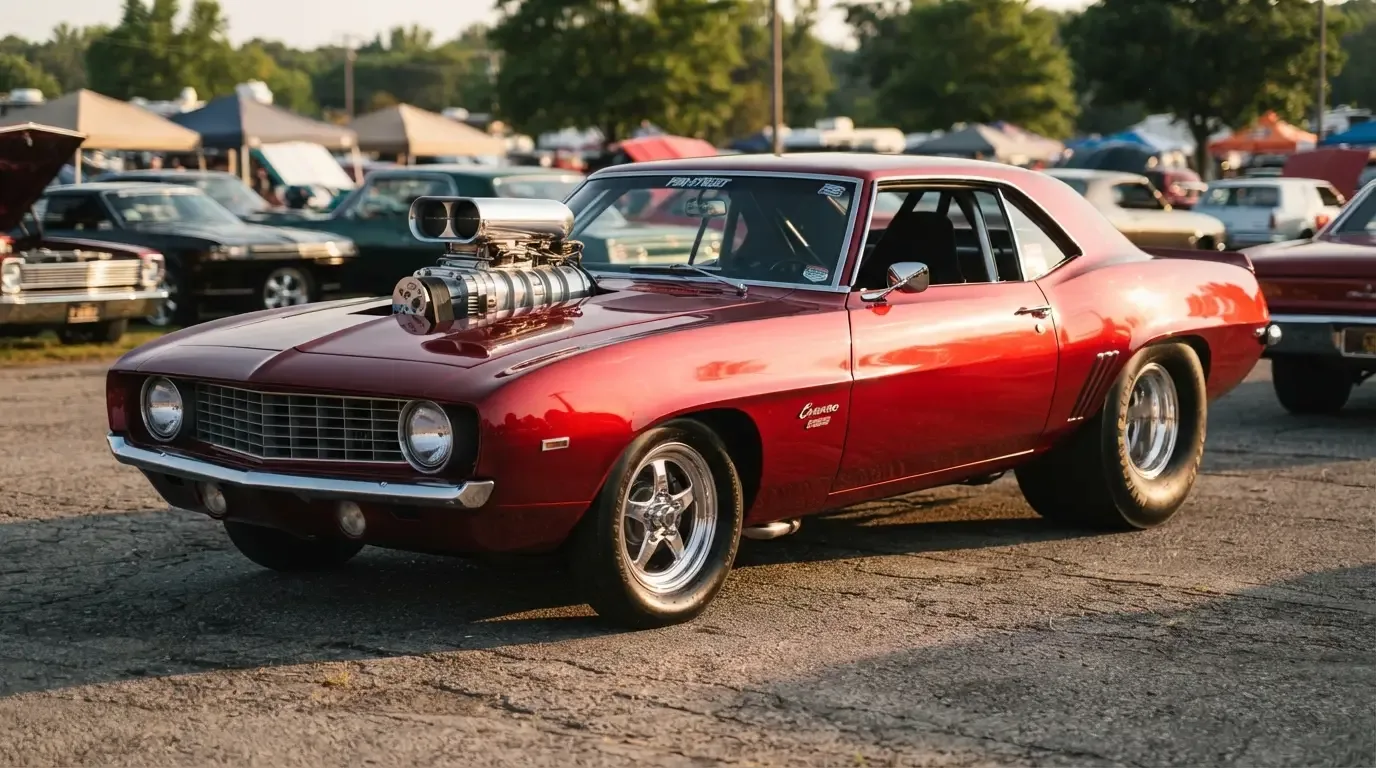
The photograph is faded now, but you can still make out the boy. He is maybe fourteen, standing in a parking lot outside a drag strip somewhere in the Midwest, and he is not looking at the camera. He is looking at a Chevy with its tail hiked up in the air, rear tires wider than his own shoulders, a supercharger rising out of the hood like something alive. That boy grew up to build cars of his own, and the machine he could not stop staring at was a Pro Street car near the dawn of its golden decade. The history of pro street cars is really a history of moments like that one, of people falling for a look that promised danger and delivered it.
This is a story with a clear beginning, a loud middle, a quiet fade, and an ending that refused to stay written. It runs from the late 1970s through the neon 1980s and into a revival that nobody quite predicted. To understand how a tubbed muscle car became the most photographed style in American hot rodding, you have to go back to the track where it was born.
The late 1970s and a look worth stealing
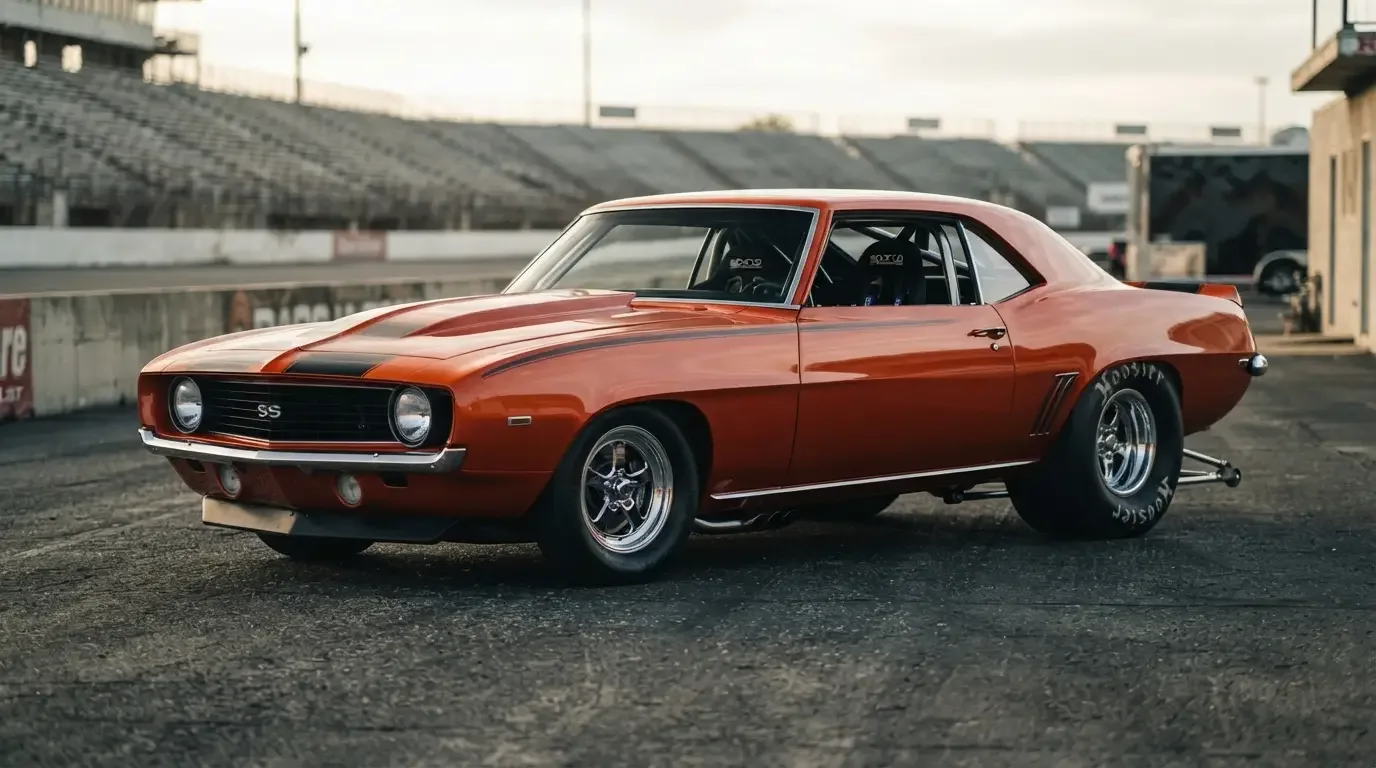
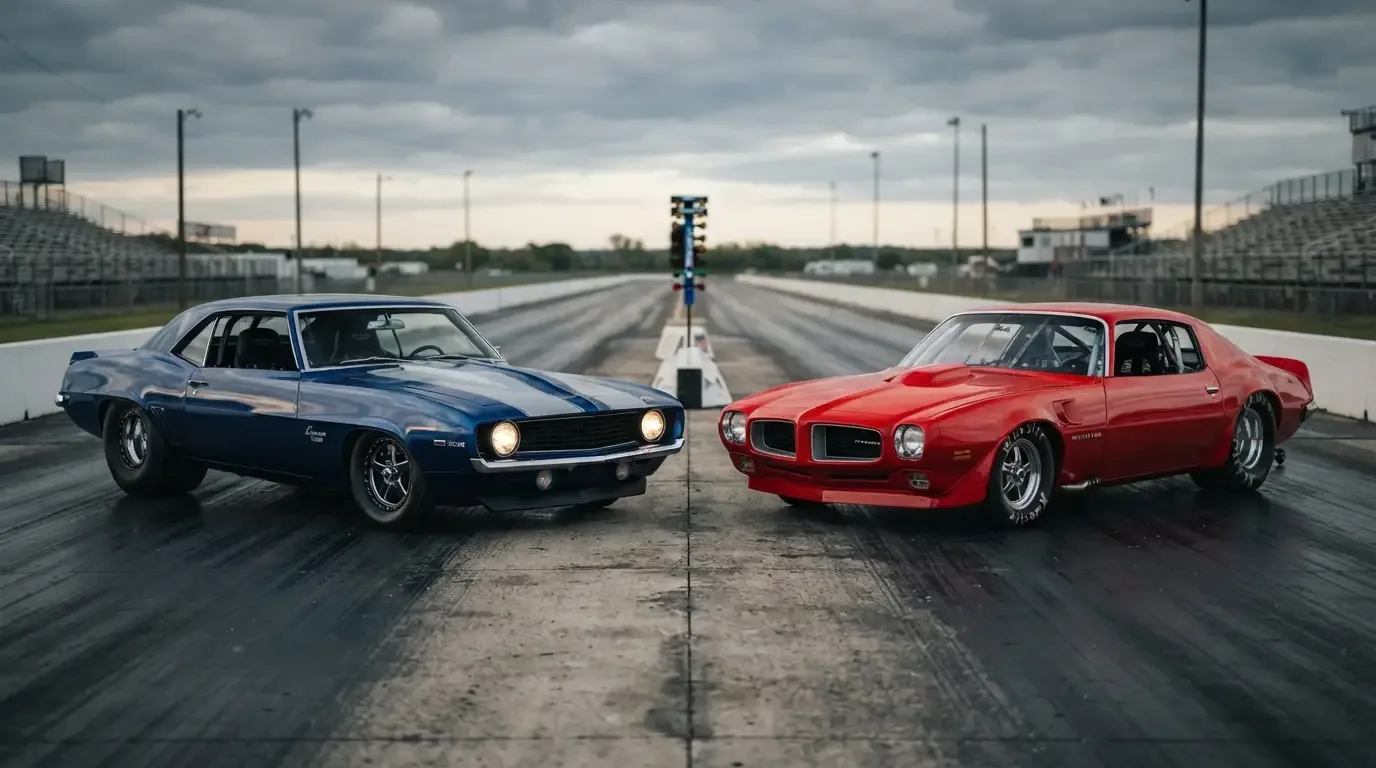
Pro Street began as imitation, and there is no shame in that. Drag racing's Pro Stock class had produced a generation of factory-bodied cars that ran monstrous power and wore a stance that made grown men stare. Street builders wanted that feeling in a car they could park in their own driveway. So they borrowed the recipe. Narrowed rear, huge tires tucked under the body, a caged interior visible through the glass, and an engine displayed rather than hidden.
By the tail end of the 1970s the style had a name and a small but devoted following. The early cars were rough and personal, built in home garages by men who had a picture in their heads and the stubbornness to chase it. Nobody was getting rich. They were chasing a feeling, and the feeling was that a car could be a piece of theater. The full arc of how the movement took shape is worth reading as the pro street cars story in its own right, because those first builders set a standard the rest of the decade would race to beat.
The magazines that lit the fire
If the cars were the theater, the enthusiast magazines were the marquee. Through the early 1980s, titles devoted to hot rodding and drag racing discovered that a wild Pro Street feature sold copies. A single cover shot could turn an anonymous builder in a small town into a name people knew coast to coast. That attention created an arms race, and the race pushed the whole style toward excess in the most wonderful way.
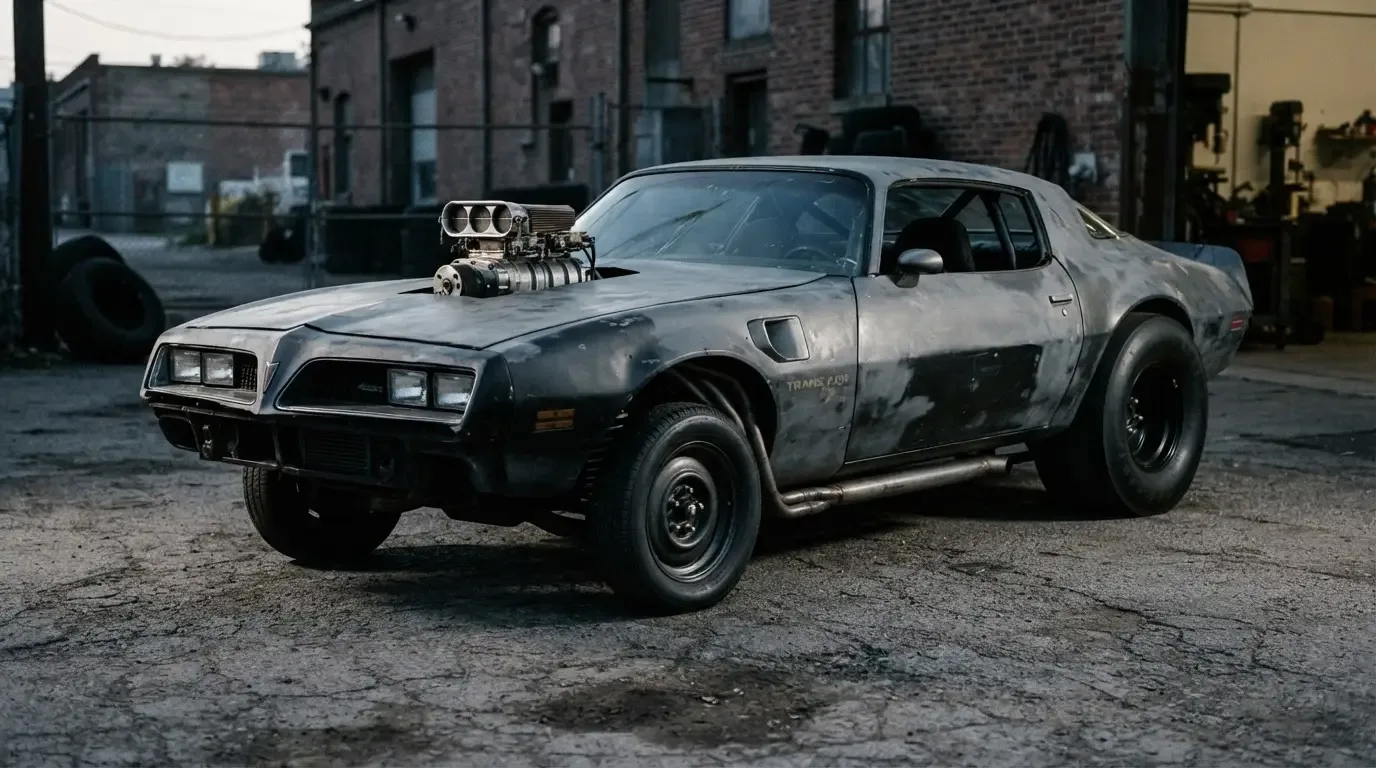
Every year the tires got fatter. The blowers got taller. The paint got wilder, layered with candy colors and airbrushed graphics that looked like they belonged on an album cover. A builder who ran a certain tire size one summer would find himself outdone by autumn, and so he would go bigger still. The magazines documented all of it, and in documenting it, they turned a garage subculture into a national obsession.
The 1980s golden era
The middle of the 1980s was the loud heart of the whole thing. This was the moment when Pro Street stopped being a fringe style and became, for a stretch of years, the dominant look in American street machining. Shows filled with tubbed cars. Vendors sprang up to sell the parts. A whole visual language settled into place, and if you close your eyes and picture a Pro Street car, you are almost certainly picturing something from this decade.
| Era | What was happening |
|---|---|
| Late 1970s | Style emerges from Pro Stock imitation, built by home garage pioneers |
| Early 1980s | Magazines discover Pro Street sells covers, national attention explodes |
| Mid 1980s | Golden era peak, tubbed cars dominate shows and the tire arms race runs hot |
| Early 1990s | Tastes shift toward pro touring and handling, the big-tire look cools |
| 2000s onward | Revival arrives with modern tires, cleaner builds, and fresh respect |
What made the golden era special was not just the cars. It was the community. Families planned summers around the big shows. Kids grew up in the beds of pickups parked next to blown Camaros and tubbed Novas. The people who lived it will tell you that the smell of race gas and the sound of a supercharged big-block firing up in a show field is bound forever to a particular slice of their youth. That is the part no spec sheet captures.
The quiet years
Every loud thing eventually gets tired, and by the early 1990s the ground was shifting. A new style called pro touring was rising, built around cars that could actually turn and stop, not just launch in a straight line. The huge rear tires that had been the whole point of Pro Street started to look, to some eyes, impractical and dated. The magazines that had lifted the movement up began chasing the next thing.
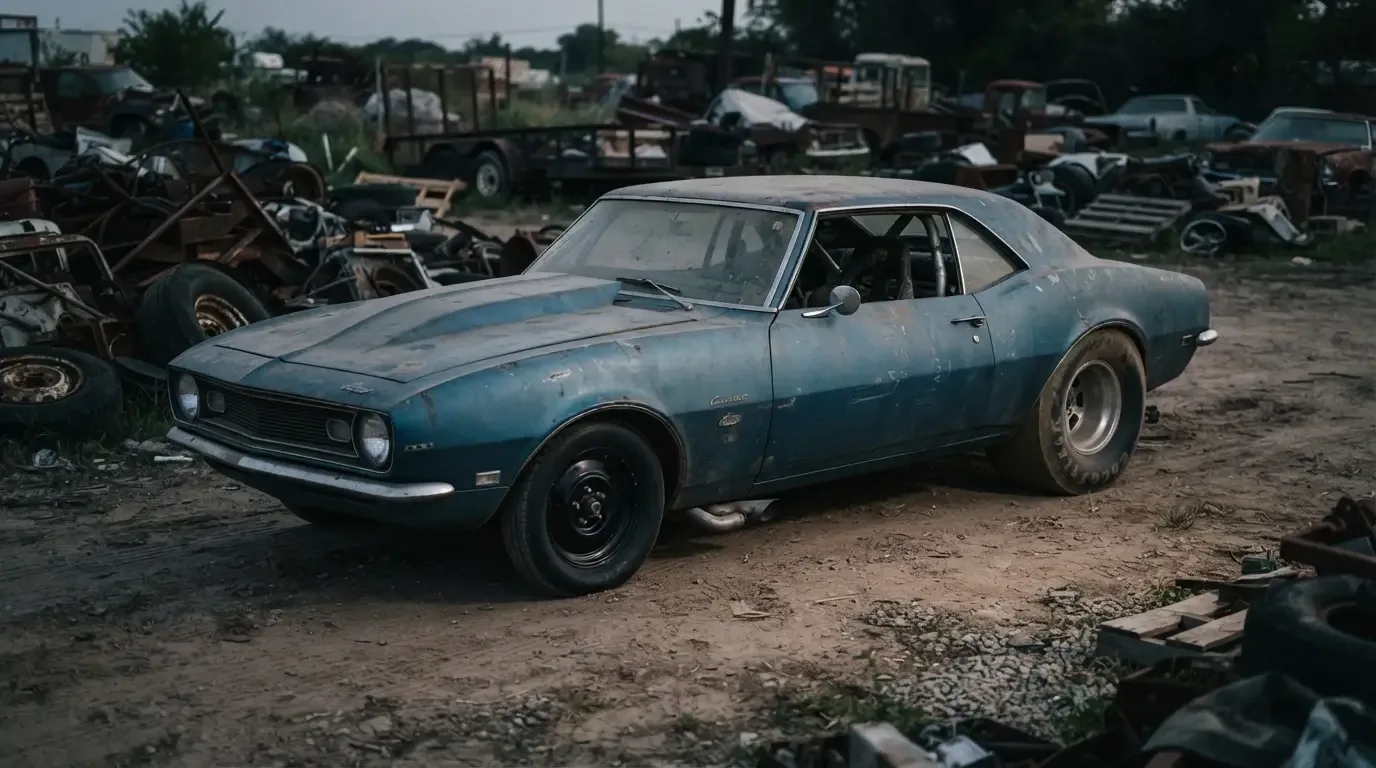
The cars did not disappear. They went into garages and barns, some cherished, some neglected, waiting. A style that had been on every cover was suddenly unfashionable, and for a while it seemed like Pro Street might become a closed chapter, a thing your uncle did in the eighties. But the people who had fallen for it never really let go, and that stubborn affection is what set up the third act.
The revival nobody scripted
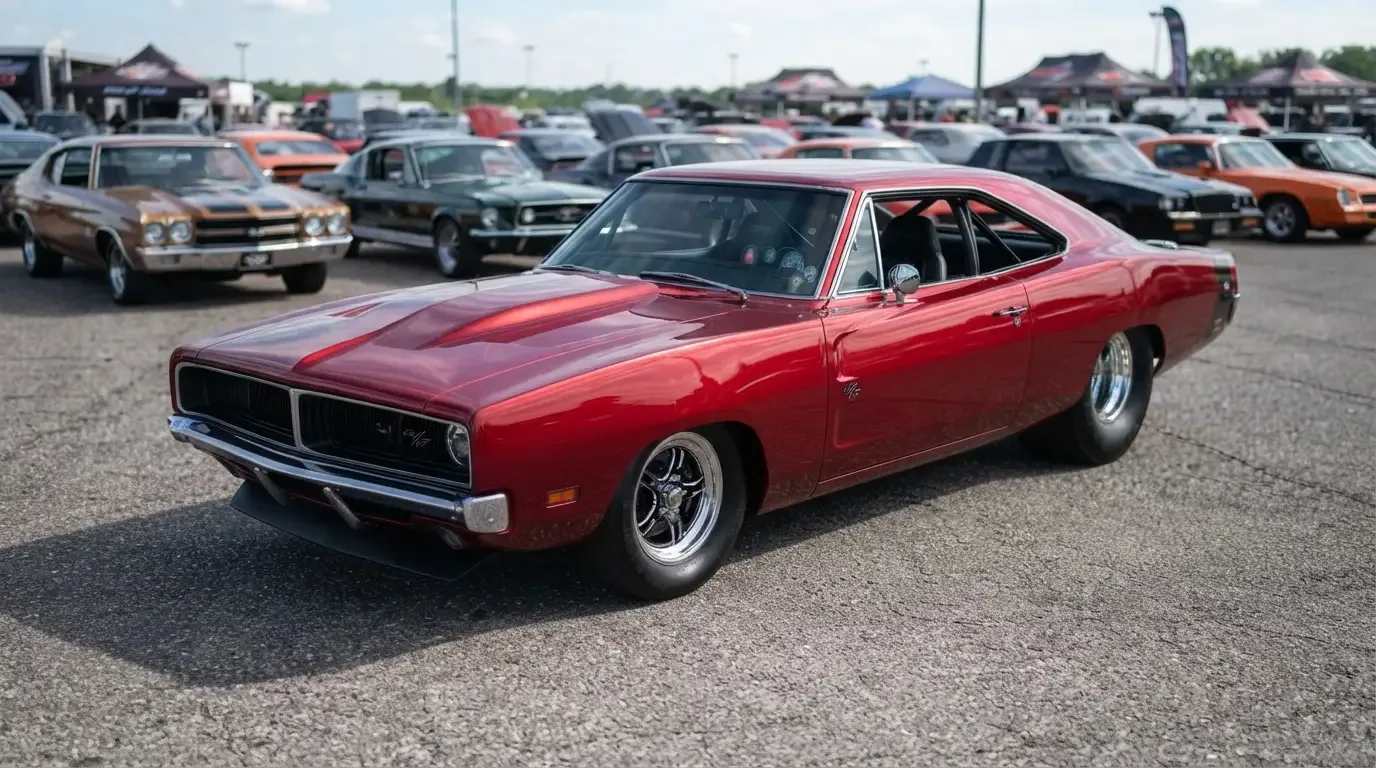
Somewhere in the 2000s, the tubbed cars came back. Part of it was nostalgia, the boys from that faded parking lot photograph now grown with money and garages of their own. Part of it was that modern tire technology and better fabrication let builders honor the old look while fixing its worst flaws. The revival cars kept the tubbed rear, the exposed engine, and the drag car stance, but they drove better and looked cleaner than most of what came before.
The revival did something the golden era could not. It gave the movement perspective. Collectors began to value original survivors from the 1980s as genuine artifacts of a moment. Builders started restoring famous old cars to their period-correct glory rather than updating them. Pro Street became history and living tradition at the same time, which is a rare thing for any style to pull off. If the revival has you wanting one of your own, you can browse classic Pro Street car listings and see how the old recipe survives in the metal today.
What the era gave to American car culture
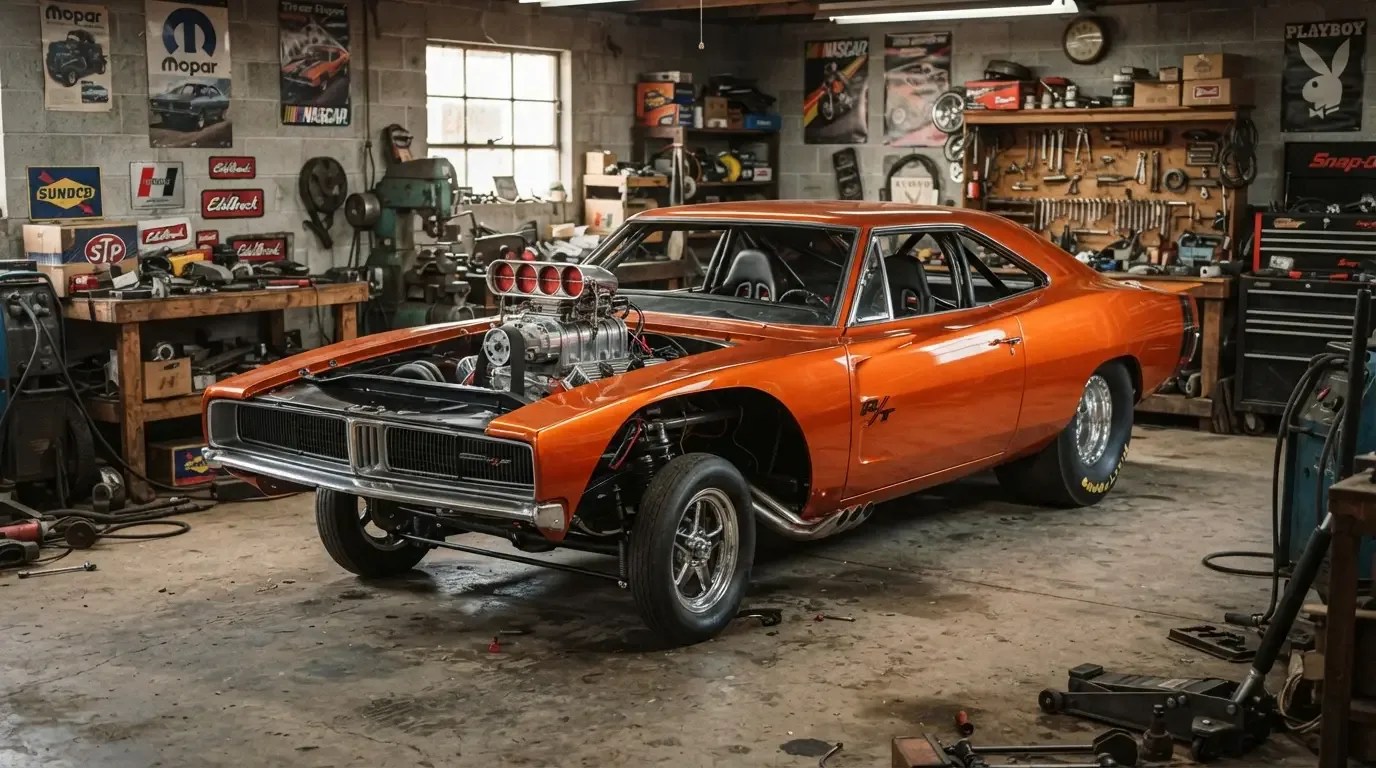
It is easy to treat Pro Street as a curiosity, a loud fashion that came and went. I think that sells it short. The movement taught a whole generation of amateur builders how to do serious fabrication. Tubbing a car, building a cage, sorting a big-block, these were skills that ordinary people learned in their own garages because the style demanded them. Those skills did not vanish when the fashion cooled. They spread into every corner of the hobby that came after.
The movement also changed what people expected from a show car. Before Pro Street, a lot of custom work stayed hidden. After it, the fabrication became the point, displayed and celebrated rather than tucked away. That shift toward showing the work, toward treating a build as something to be witnessed, outlived the big-tire trend entirely. You can trace a straight line from the golden era show fields to the way builds are photographed and shared today.
And then there is the simple matter of joy. The history of pro street cars is, at its core, a record of people making something purely because it thrilled them. No committee approved these cars. No focus group shaped them. A man had a picture in his head and he chased it until it sat in his driveway with the tail in the air. That impulse is the oldest thing in the hobby, and Pro Street may be its loudest, proudest expression.
Why the story still moves people
I keep coming back to that boy in the parking lot. What he felt looking at that hiked-up Chevy was not really about horsepower or tire width. It was about the promise that ordinary people, working in ordinary garages, could build something extraordinary enough to stop a crowd. That promise is the true engine of this history, and it has never run out of fuel.
The history of pro street cars is a reminder that styles do not die so much as they wait for the people who loved them to come back around. There is always another chapter, another survivor pulled from a barn, another builder chasing a picture in his head. If you find yourself pulled in by all this, there is another one worth knowing, a story of the specific cars and the men who made them legends. Follow it, and you will understand why that boy could not look away.
"The cars were only ever half the story. The other half is the summer nights, the show fields, and the kids who grew up believing a garage could hold a dream. That is what people are really restoring when they bring these machines back."
- Nora Beckett