
A buddy of mine used to keep a shoebox of old show flyers from the local car club, the kind that got handed out at gas stations back before anybody had a website to look this stuff up on. Flip through that box in order and you are watching the evolution of pro street happen in real time, one Xeroxed flyer at a time, from grainy black and white line drawings of tubbed Novas to full color glossy sheets advertising cars with paint jobs that took six months to lay down. Nobody planned that progression. It just happened, one builder outdoing the last one, year after year.
Car Features
6 min read
The Evolution of Pro Street Style
From rough function-first tubs to show-quality paint to a quiet resto street pivot and back again, the evolution of pro street never held still for long.
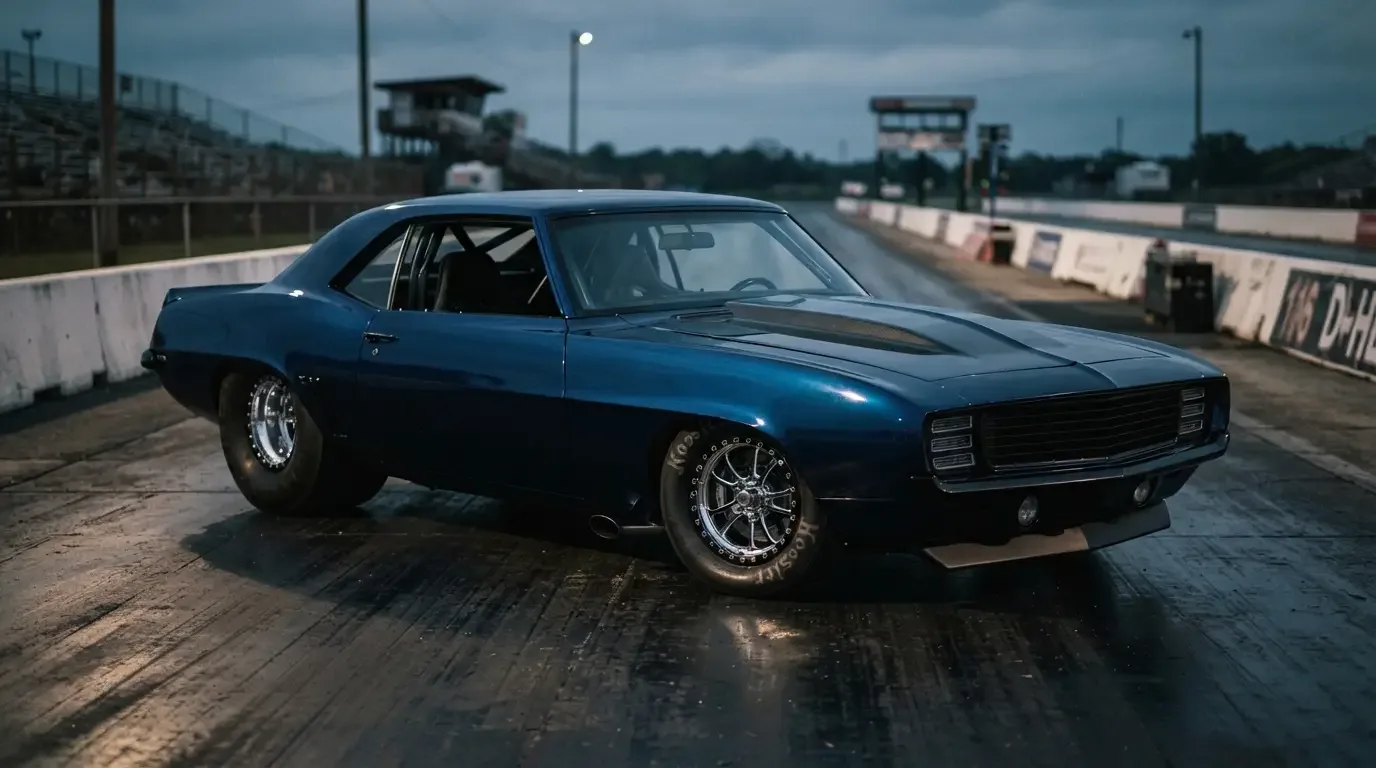
The early years were about function, not finish
In the late 1970s and into the earliest years of the 1980s, a pro street conversion was a working man's project built to prove a point at the local strip. The tubs were rough. The paint was whatever was cheap and available. Nobody was chasing a magazine cover, because there was not much of a magazine culture built around this specific style yet. The car had to run, and running well mattered more than looking perfect.
That changed fast once the style got attention. By the time it had a name and a following, builders were competing on more than elapsed time, and the whole character of the movement started to shift.
The golden era added showmanship
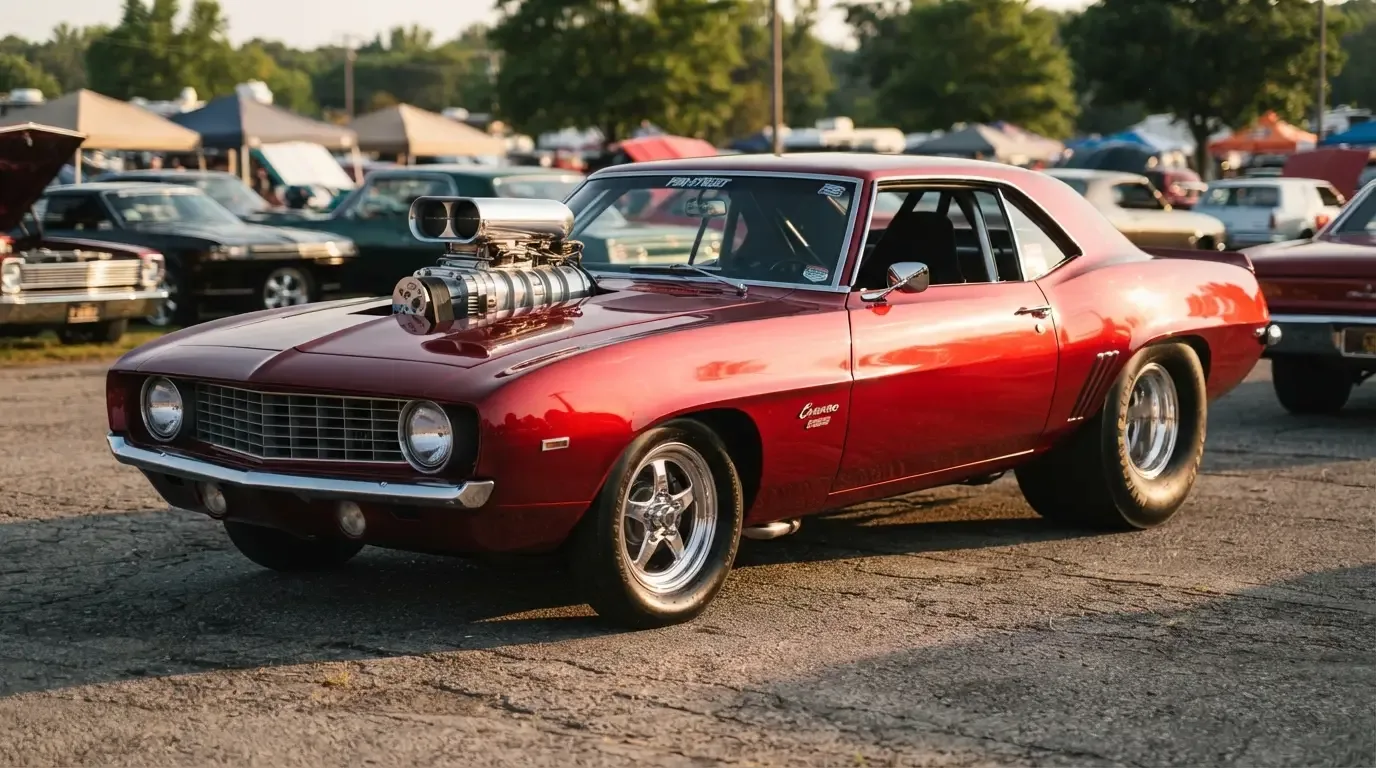
Through the mid to late 1980s, pro street turned into something closer to performance art. Builders like the ones documented in the whole picture of the movement started treating the tubbed back half and the pizza cutter front tires as a canvas rather than a functional requirement. Graphics packages got wilder. Paint got deeper, with multi-stage finishes that took real skill and real patience to lay down correctly. Interiors went from utilitarian to genuinely luxurious, with full carpet, custom upholstery, and gauge packages that looked like they belonged in a jet cockpit.
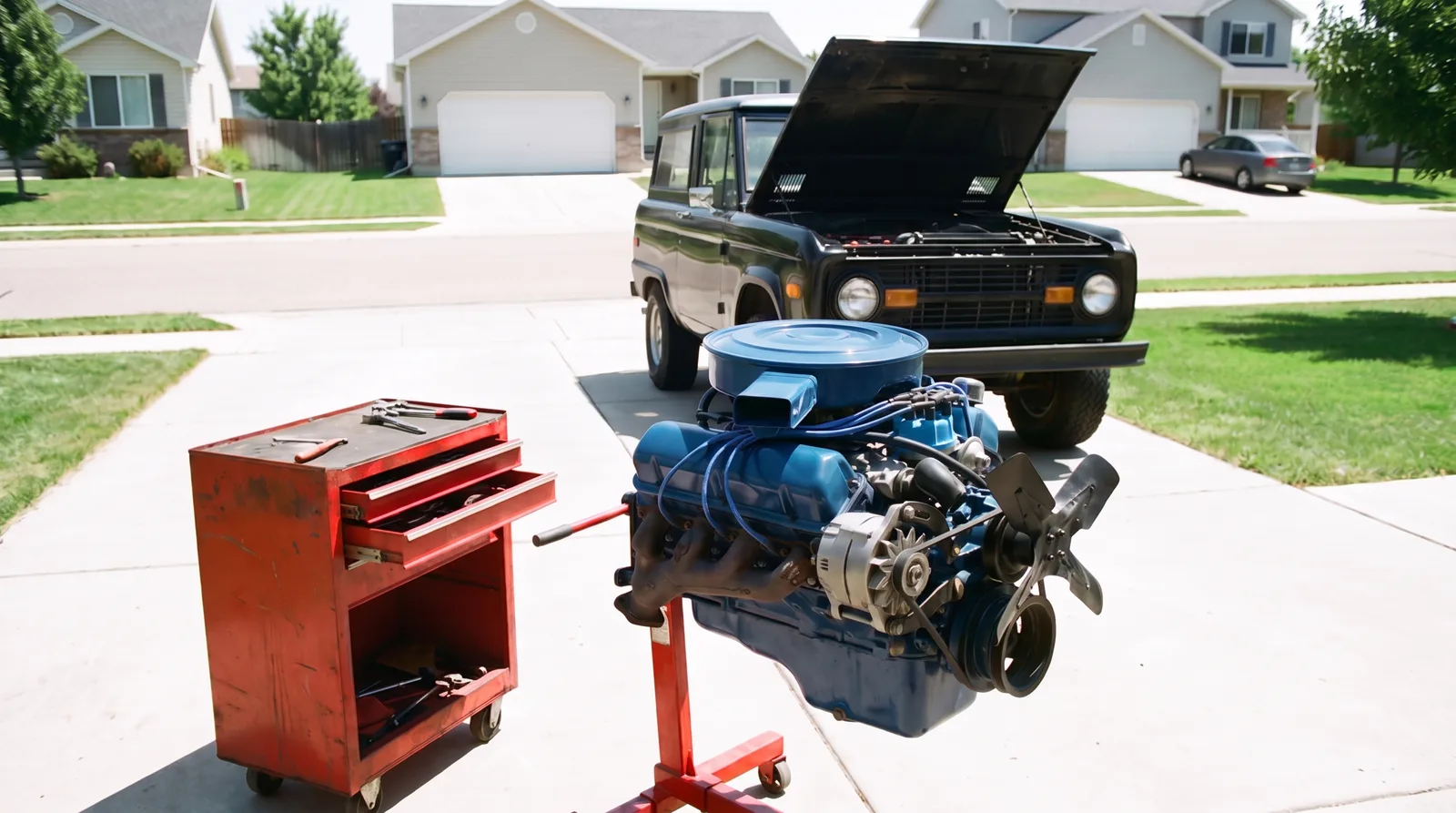
This was the era when a car club member could stand around a build in a driveway on a Saturday and watch it change month by month, not because the owner needed the car to run better, but because he wanted it to be the best looking thing at the next show.
Materials and methods kept improving under the surface
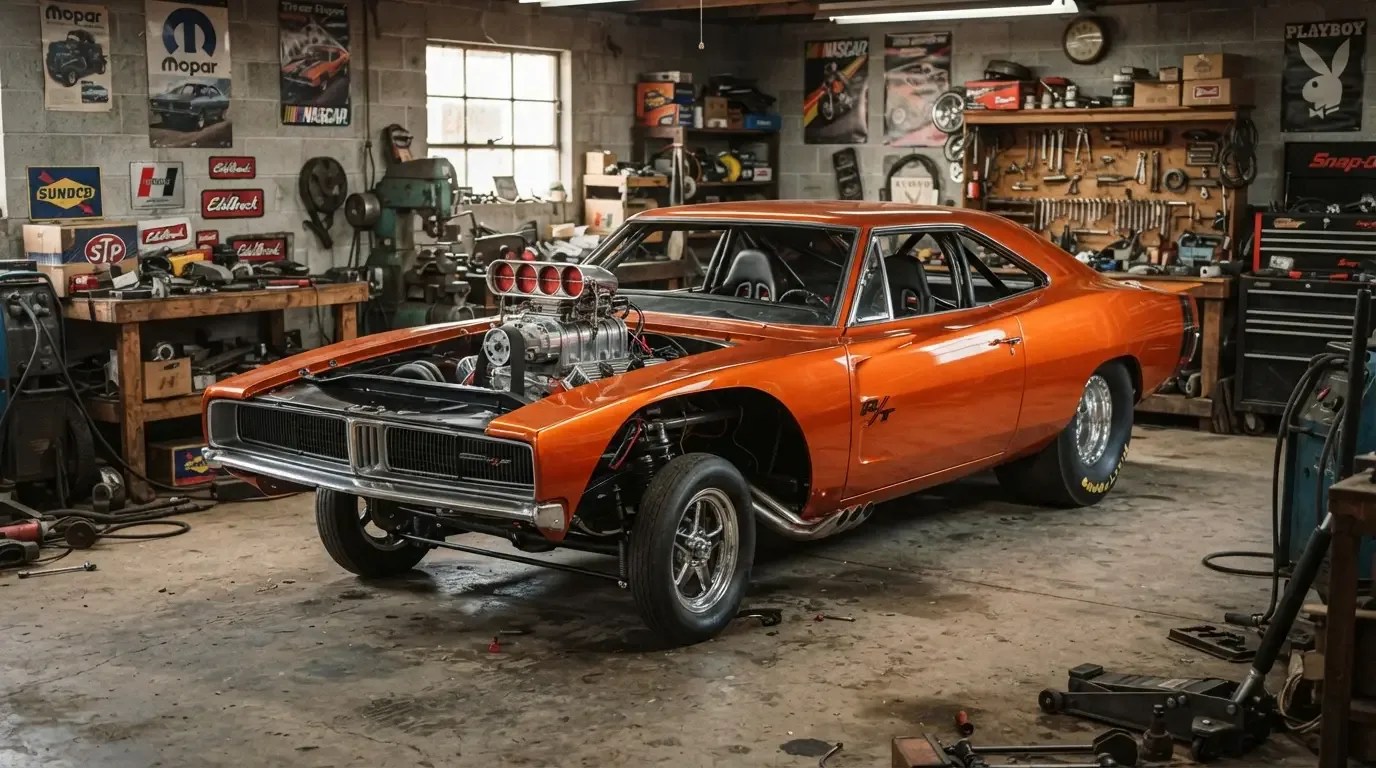
Underneath the visible evolution in paint and graphics, the actual construction methods used to build a pro street car kept advancing too. Early tubs were often cut and welded with whatever tools a home garage had on hand, and the results, while functional, were rarely pretty up close. As the movement matured, builders started investing in better fabrication equipment, learning proper metal shaping techniques, and paying closer attention to how a tub transition should flow into the original quarter panel line rather than just fighting the sheet metal into submission. That quiet improvement in craftsmanship is easy to miss when you are looking at old photos focused on paint and graphics, but it is just as real a part of the evolution as anything more visible.
The 1990s brought a resto quality reckoning
By the early 1990s, the loudest version of pro street started to lose ground to a quieter, more restrained approach that some people at the time called resto street or pro touring. Builders who had cut their teeth on tubbed back halves and giant rear tires started applying that same obsessive attention to detail toward cars that handled well and drove easily, not just cars that looked aggressive parked in a lot. Scott Sullivan is often cited as one of the builders who pushed this shift, since his later work leaned into seamless bodywork and understated color instead of loud graphics.
That transition did not kill pro street. It matured it. The builders who stuck with the classic look kept refining it, while others carried what they learned into the next generation of street machine building.
"You watch a scene long enough and you start to see it breathe. It gets loud, then it gets quiet, then somebody new comes along and gets it loud again. Pro street has done that cycle at least twice since I started paying attention."
- Wayne Coburn
The modern revival brought it back around
In the last decade or so, a new generation of builders rediscovered pro street on its own terms, treating period-correct builds from the 1980s golden era as something worth preserving rather than something to modernize away. Original tubbed back halves, era-correct graphics packages, and period gauge clusters started showing real value at auctions and swap meets. Club gatherings that used to skew toward pro touring cars started welcoming back the loud, unapologetic tubbed cars that had fallen out of fashion a generation earlier.
That revival has a real community backbone to it. Car club meets, online forums built around period documentation, and a small but dedicated group of builders who still know how to lay a back half tub the old way are keeping the style alive rather than letting it become a museum piece.
Club culture carried the style through its quiet years
Even during the stretch when pro touring and resto street pulled attention away from the loudest tubbed cars, local car clubs kept the classic style alive in a smaller, quieter way. Members who had built their reputations on tubbed back halves in the 1980s did not necessarily sell those cars off just because the magazines moved on to a different look. Plenty of them kept driving and showing their builds at regional events, teaching younger members the fabrication skills that would eventually feed the modern revival once period-correct pro street became fashionable again. That continuity through the club scene, rather than through magazine coverage, is a big reason the movement had enough living knowledge left to actually revive rather than needing to be reinvented from old photographs alone.
What the evolution tells us about the cars today
Understanding this arc matters if you are looking at cars now, because a build from 1982 and a build from 1988 can look like they come from entirely different eras of the same movement, and in a lot of ways they do. If you are in the market and want to see how those different eras show up in real inventory, it is worth taking the time to find a classic Pro Street car and comparing build style against the year and region it likely came from.
The style never stood still for long. Every phase left its own fingerprint on the cars that survive, and that is exactly what makes tracking the evolution worth the effort for anyone serious about the movement.
Sources and notes
Related Reading

About the author
Wayne Coburn
Longtime Corvette owner, judge and club figure who knows the cars, the records and the people behind them.
Comments
Be the first to comment on this article.