
The lights inside the Pomona convention hall hit chrome differently than sunlight does, and every builder who has ever rolled a car across the floor at the Grand National Roadster Show knows it. Somewhere between the hot rods with their polished lakes headers and the customs dripping in candy paint sits a smaller, tougher-looking crowd: the Pro Street cars, tubbed rear ends and all, daring anyone to call them out of place.
Car Features
7 min read
Pro Street at the Grand National Roadster Show
Inside the Grand National Roadster Show, tubbed Pro Street builds hold their own against traditional hot rods and customs on one of the hobby's oldest show floors.
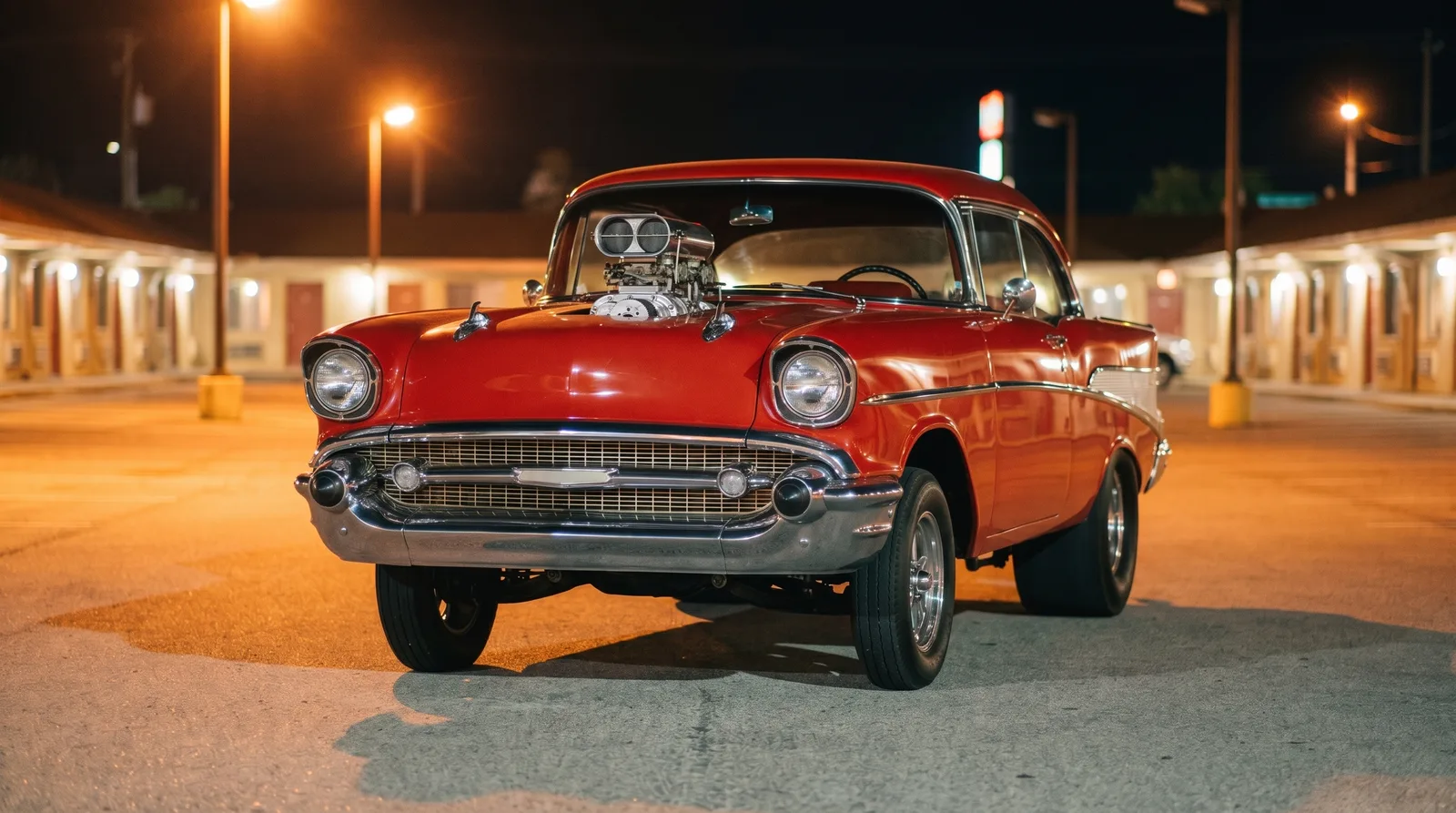
A show built for hot rods, adopted by Pro Street
The Grand National Roadster Show has run since 1950, longer than almost any indoor car show in the country, and its identity was forged around traditional hot rods and customs. Pro Street cars were latecomers by comparison, showing up in real numbers once the style matured through the 1980s. But the show's judging culture, rooted in craftsmanship and attention to detail rather than raw horsepower claims, turned out to be a natural fit for cars where the chassis work was as much the point as the engine.
A well-built Pro Street car under GNRS lighting reveals things a parking lot never will. Tub work that looks clean from three feet away can look sloppy under show lighting, and judges who have spent decades evaluating metalwork notice immediately. That scrutiny raised the bar for builders who wanted a Pro Street car to hold its own next to a million-dollar custom.
The America's Most Beautiful Roadster shadow
GNRS is best known for the America's Most Beautiful Roadster award, a title reserved for open-wheel roadsters and generally out of reach for a tubbed Pro Street build. That has never stopped Pro Street cars from drawing their own crowds on the floor. Builders competing outside the AMBR category often care more about a class win or simple recognition from their peers than a shot at the headline trophy, and the show has always had room for both ambitions under one roof.
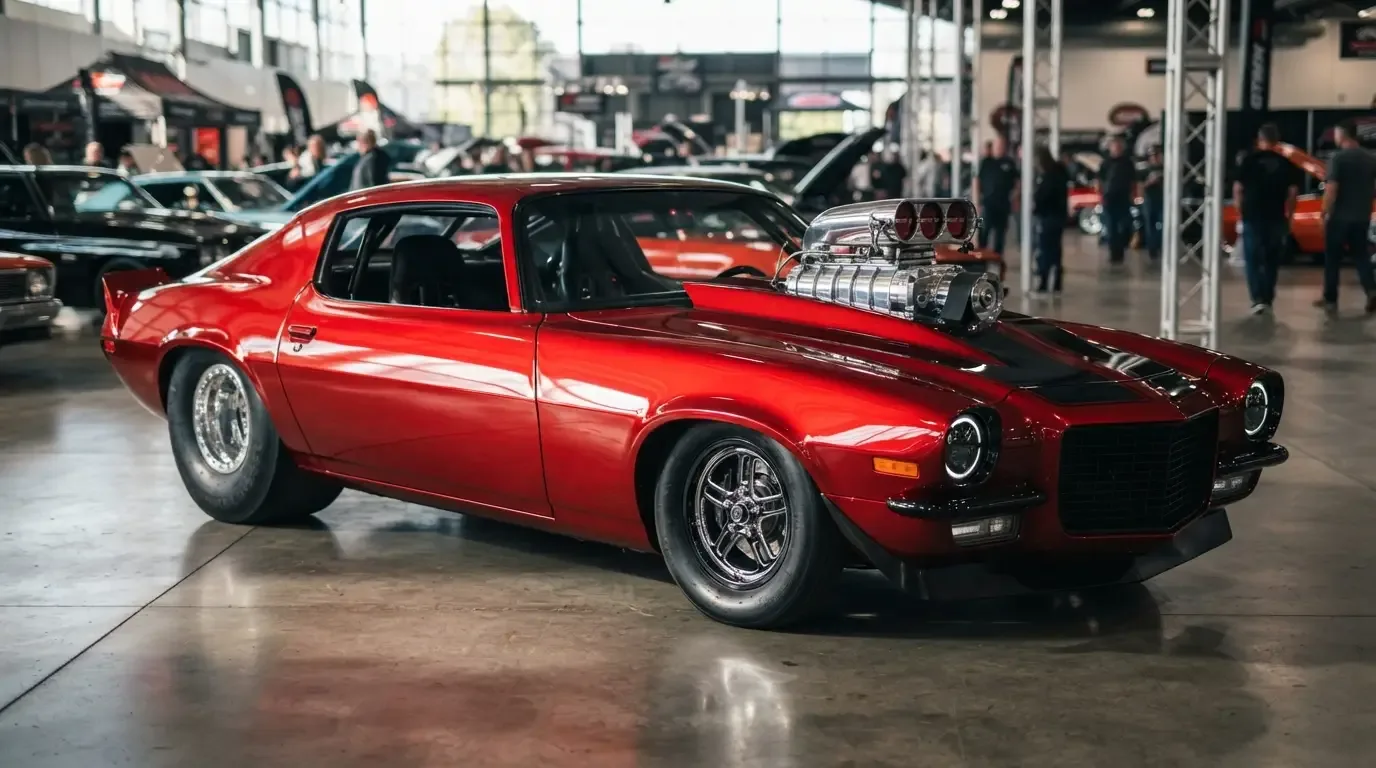
That coexistence matters for the culture as a whole. A teenager walking the aisles in 2026 might stop first at a chromed-out roadster, but the tubbed Camaro two rows over, sitting low with a blower poking through the hood, is often what actually sticks in memory on the drive home. Pro Street's visual punch works differently than a traditional hot rod's, louder, more aggressive, built to look fast standing still.
What judges and crowds respond to
Pro Street cars at GNRS tend to succeed for reasons that have little to do with raw power figures. Panel gaps, paint depth, wheel tub fabrication that reads as intentional rather than hacked in, these are the details that separate a car people photograph from one they walk past. A period-correct Pro Street build from the 1980s, restored rather than reinvented, often draws more attention on the floor than a brand-new car chasing the same look with modern parts.
There is also a nostalgia factor that has grown stronger every year. Attendees who grew up reading about Pro Street builds in car magazines during the movement's golden era now make up a large share of the crowd, and seeing an original or faithfully restored example in person carries weight that a fresh build cannot always match.
"You can walk past twenty roadsters in a row and still stop dead in your tracks for a tubbed Nova with the right stance. That is the whole appeal of Pro Street in a room built around hot rods. It refuses to blend in."
- Patrick Walsh
Where the show fits in the bigger Pro Street picture
GNRS is one stop in a much longer story about how the Pro Street look survived changing tastes in the car hobby. For readers who want the pro street revival story in full, the show's continued embrace of tubbed, big-tire builds is part of a larger pattern of enthusiasts rediscovering a style that had fallen out of favor by the early 2000s. It never really disappeared from garages, it just waited for the show floors to catch back up.
Understanding why the style caught on in the first place helps explain why it still draws a crowd at an event built around a very different aesthetic. Anyone new to the subject can find the full story of what defines a Pro Street car and how the formula came together across the late 1970s and 1980s.
The market connection
Shows like GNRS do more than entertain a weekend crowd. They shape what buyers want to own. A striking Pro Street build photographed on the show floor and shared widely afterward tends to spike interest in similar cars for sale within weeks. Dealers and private sellers who track the hobby closely know to expect a bump in inquiries after a big show season, and the Grand National Roadster Show is consistently one of the events that moves the needle.
For anyone who left Pomona wanting to own a piece of that world, there has never been a better time to look. Enthusiasts can browse classic Pro Street cars on the market and find builds ranging from unrestored survivors to cars finished to the same standard the show floor demands. The appeal that draws thousands of people to GNRS every winter is the same appeal driving renewed demand for these cars at auction and in private sales alike.
A Sunday tradition that keeps evolving
What keeps GNRS relevant to Pro Street builders decade after decade is the way the show has resisted freezing itself in one era. Vendor rows now sit alongside builders running late-model LS swaps under vintage sheet metal, right next to purists insisting on the original small block and carburetor setup their car left the factory with. Both camps get floor space, and both draw crowds, which says something about how wide the Pro Street tent has become since the style first took shape.
Regional car clubs treat the show as an unofficial reunion too. Builders who spent months trading photos and advice online finally see each other's cars in person, often for the first time, and that in-person moment does more for the culture than any online forum thread. A Pro Street build that started as a rusted-out project car photographed in a driveway can end up sitting under the same roof as cars that have been featured in national magazines, and at GNRS, both get the same respectful once-over from passersby.
That mix of amateur and professional, restored and resto-modded, is arguably why Pro Street has never fully left the show circuit even during years when the broader hobby's attention drifted toward other styles. The tubbed rear end and the aggressive stance are instantly recognizable across generations of showgoers, which keeps a steady stream of new builders entering the style even as the ones who defined it in the 1980s age out of active building.
Sources and notes
Related Reading
Have a
Classic Car
for Sale?
Reach thousands of serious classic car collectors across the US.
Sell It Here →
Are You a Classic Car Dealer?
List your full inventory and connect with targeted classic car buyers.
Join as a Dealer →

About the author
Patrick Walsh
Automotive journalist covering classic car shows, events, and the enthusiast community across North America.
Comments (1)
B
Bandit_TA77
1 day ago
10-4 on the tubbed Nova. Hauled my Trans Am out to Pomona one January and a blower car just like that stopped me cold. Hammer down.