Pro street horsepower numbers get exaggerated more than almost any other figure in the classic car hobby. Ask ten owners what their car makes and you will get ten different answers, most of them optimistic, few of them backed by an actual dyno sheet. Here is what the real range looked like, engine by engine, and why the honest numbers were usually lower than the bench racing claims.
The wide range across engine choices
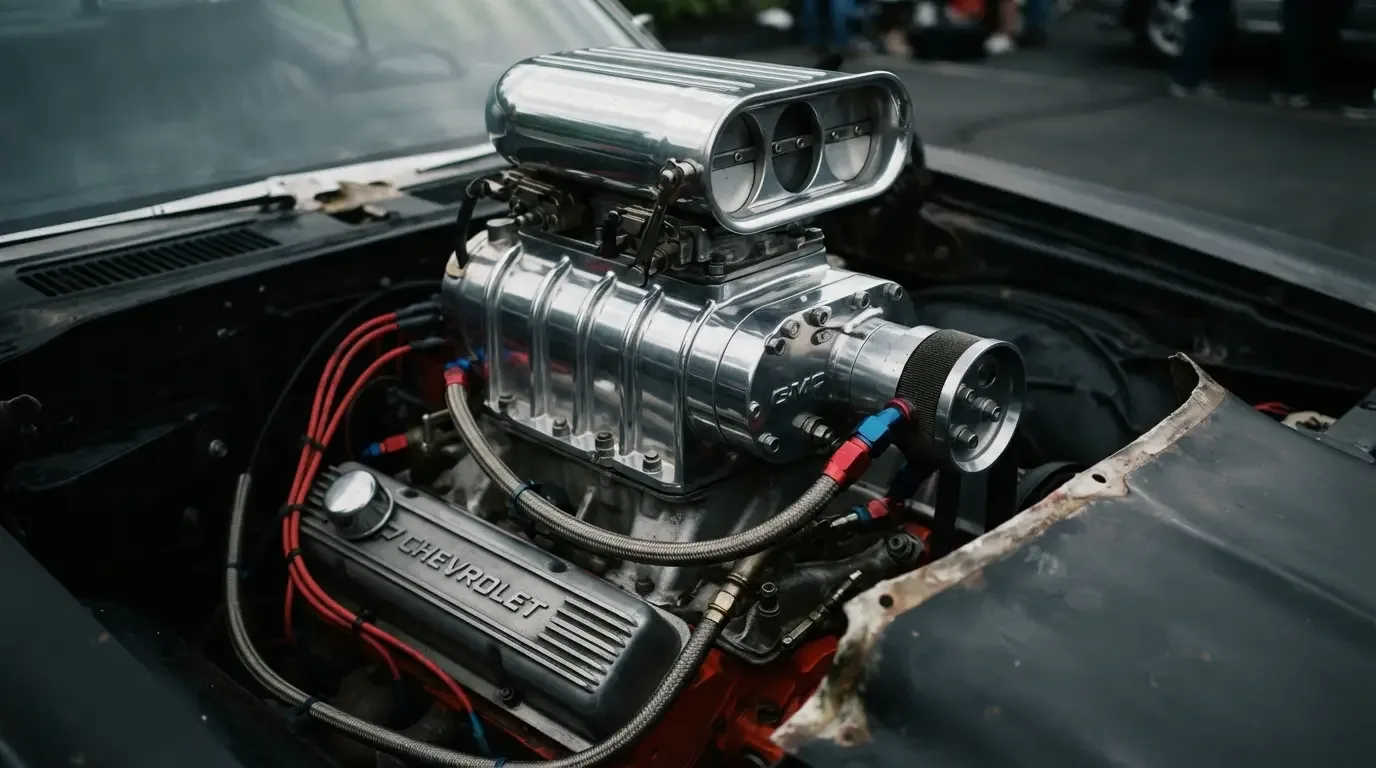
A mild blown 350 small block on the street, running modest boost on pump gas, typically landed somewhere in the 400 to 500 horsepower range at the crank. A stroked and more aggressively boosted small block pushed higher, and a blown big block could clear that range by a wide margin depending on displacement and boost level. Figures around 700 horsepower and up get claimed for the more aggressive big block Pro Street combinations, though builders rarely dyno tested these engines, so plenty of those numbers came from calculation rather than measurement.
Naturally aspirated tunnel ram setups made less peak power than a comparable blown engine but often delivered it more efficiently at high RPM, since a dual quad big block without forced induction could still make strong numbers if the heads, cam and compression were matched correctly. Nitrous-assisted engines varied the most of all, since the base engine's output before activation and the size of the nitrous shot were two separate numbers that owners sometimes combined loosely when quoting a total.
| Combination | Typical horsepower range |
|---|---|
| Mild blown small block, street boost | 400 to 500 hp |
| Stroked, more aggressive blown small block | 500 to 650 hp |
| Blown big block | 600 to 800+ hp, wide variation |
| Naturally aspirated tunnel ram big block | 450 to 600 hp |
| Small block plus nitrous shot | Base output plus 100 to 250 hp |
Why the claimed numbers rarely matched reality
Dyno access was limited for the average home builder in the 1980s, and even when a shop had one nearby, running a session cost money most enthusiasts would rather spend on parts. That meant a lot of quoted horsepower figures came from parts catalog estimates, rough math based on cylinder head flow numbers, or simple guesswork extrapolated from what a similar combination supposedly made. A builder who added up the advertised gains from a cam, heads and a blower kit could easily land on a number well above what the finished engine actually produced once real-world losses were accounted for.
That gap between claimed and actual output became a running joke within the hobby, and it still shapes how serious buyers evaluate a car today. A seller who quotes a precise, round number without a dyno sheet to back it up is passing along an estimate, not a measurement, and buyers who want an honest sense of what a car makes should treat any unverified figure with some skepticism.
What actually drove real power gains
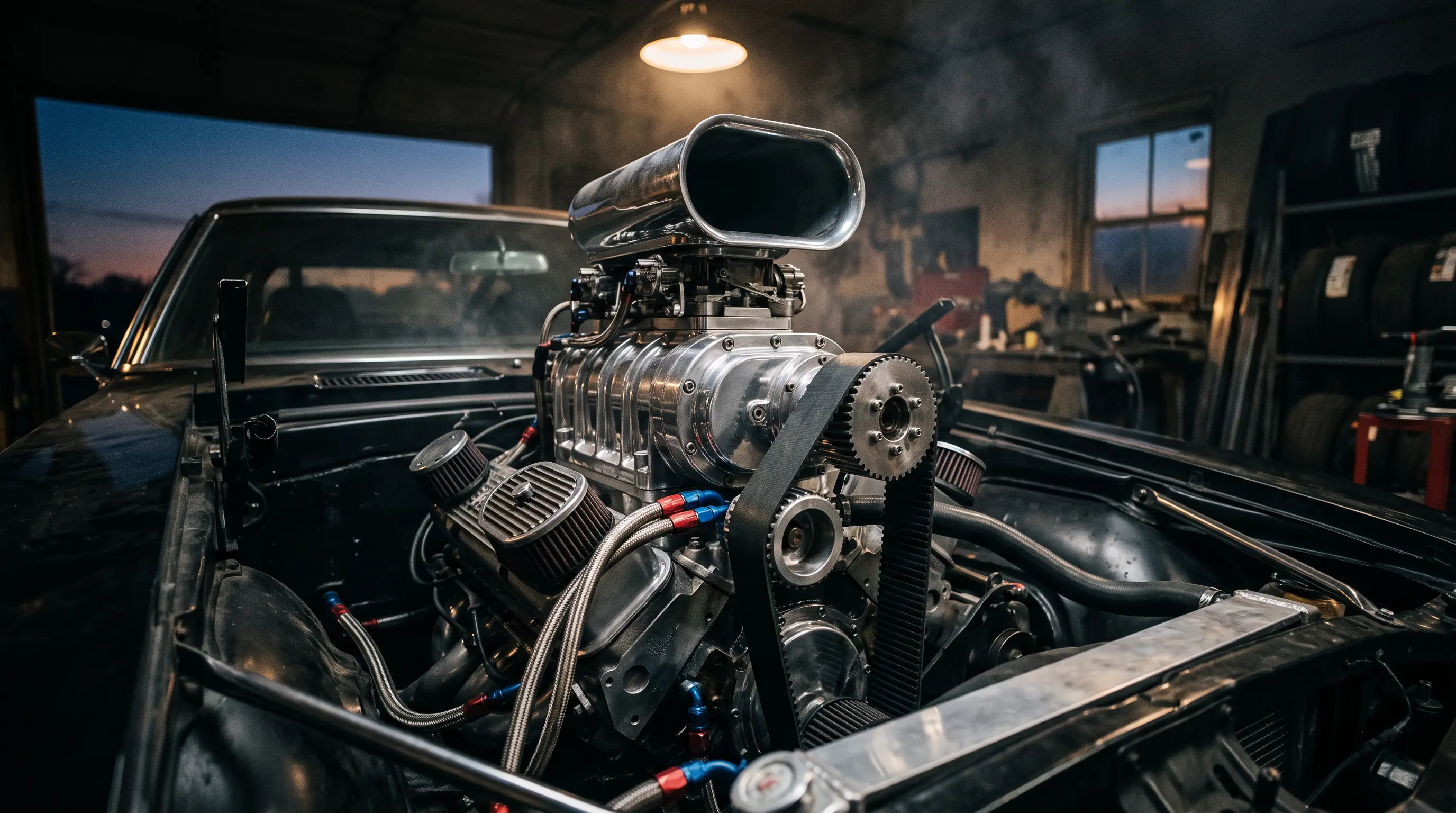
Boost level and displacement did more to move the needle than any single bolt-on part. A builder chasing serious numbers had to increase one, the other, or both, and everything else, cam timing, cylinder head flow, ignition curve, existed to let the engine use that added air and fuel efficiently rather than to generate power on its own. Readers who want the mechanical background on how boost was added in the first place can find pro street blower history covers the supercharger side of that equation directly, while a related story breaks down how a Roots blower generates boost in the first place.
Weight mattered just as much as raw output, and a Pro Street car's power to weight ratio told a more honest story than horsepower alone. A 500 horsepower car in a lightened, stripped-out body could outperform a 650 horsepower car hauling full interior and glass, which is one reason bench racing arguments over pure horsepower numbers rarely settled anything at a cruise night.
"Everybody quotes crank horsepower. Nobody quotes what actually gets to the tires. The number on the dyno sheet and the number in the conversation are almost never the same thing."
- Dan Reeves
How estimation habits became embedded in the hobby
The tendency to estimate rather than measure horsepower did not start with Pro Street builders, but the movement's emphasis on big, dramatic combinations gave estimation habits plenty of room to grow. Parts catalogs advertised gains for individual components, a cam swap worth so many horsepower, a set of heads worth so many more, and builders often simply added those figures together as though gains stacked in a straight line. In reality, gains from individual parts rarely add cleanly, since a cam upgrade interacts with head flow, compression, and exhaust scavenging in ways that a catalog number cannot capture. A builder who added up five different catalog claims could easily overstate a finished engine's output by a significant margin without realizing it.
That habit persisted for decades because it was rarely challenged. A car did not need a verified dyno number to win a trophy at a local show or to impress a crowd at a cruise night, so there was little practical pressure pushing owners toward the expense and inconvenience of an actual dyno session. Only in recent years, as the collector market has matured and buyers have grown more sophisticated about verifying claims before paying a premium price, has documented dyno testing become something sellers actively seek out as a way to differentiate a car from the crowd of unverified claims around it.
What buyers should actually ask for
Anyone shopping for a Pro Street car should ask directly whether a claimed horsepower figure came from a dyno session or from estimation, and should not be surprised if the honest answer is the latter. A car with documented dyno results is worth more to a serious buyer than one with only a verbal claim, regardless of how impressive that claim sounds. Buyers ready to compare real listings against real specifications can check Pro Street cars for sale now and ask sellers pointed questions about how any quoted horsepower number was actually determined.
A car's paperwork trail matters here almost as much as the engine itself. Receipts showing which parts went into a build, dates for a cam swap or a blower installation, and any dyno sheets that survived from the original owner all add up to a far more reliable picture than a single claimed number passed down through several owners. Cars that changed hands multiple times over the decades often lost that documentation along the way, leaving a current seller repeating a figure they heard from the previous owner without any way to confirm it. Buyers who prioritize documented, verifiable history over an impressive-sounding number tend to end up with fewer surprises after the purchase, and that discipline pays off well beyond the initial sale.