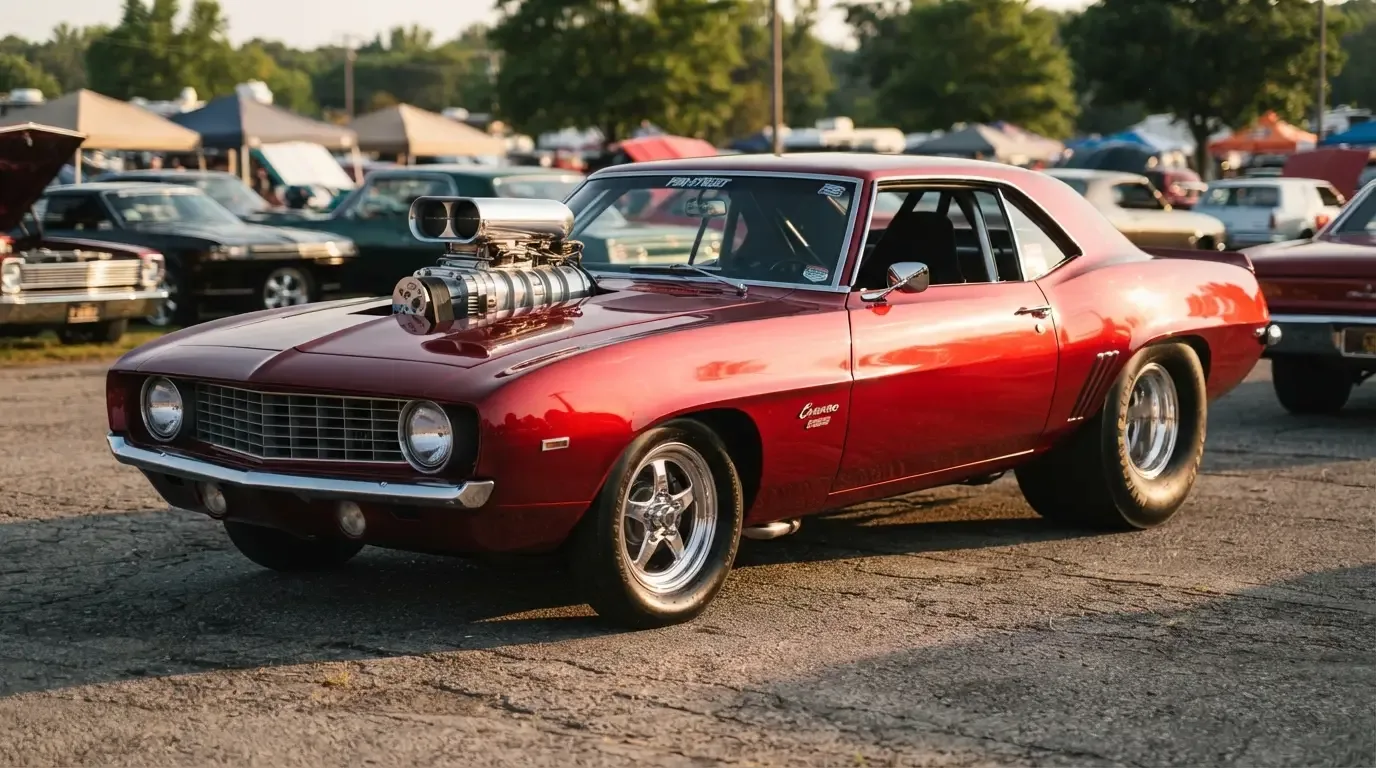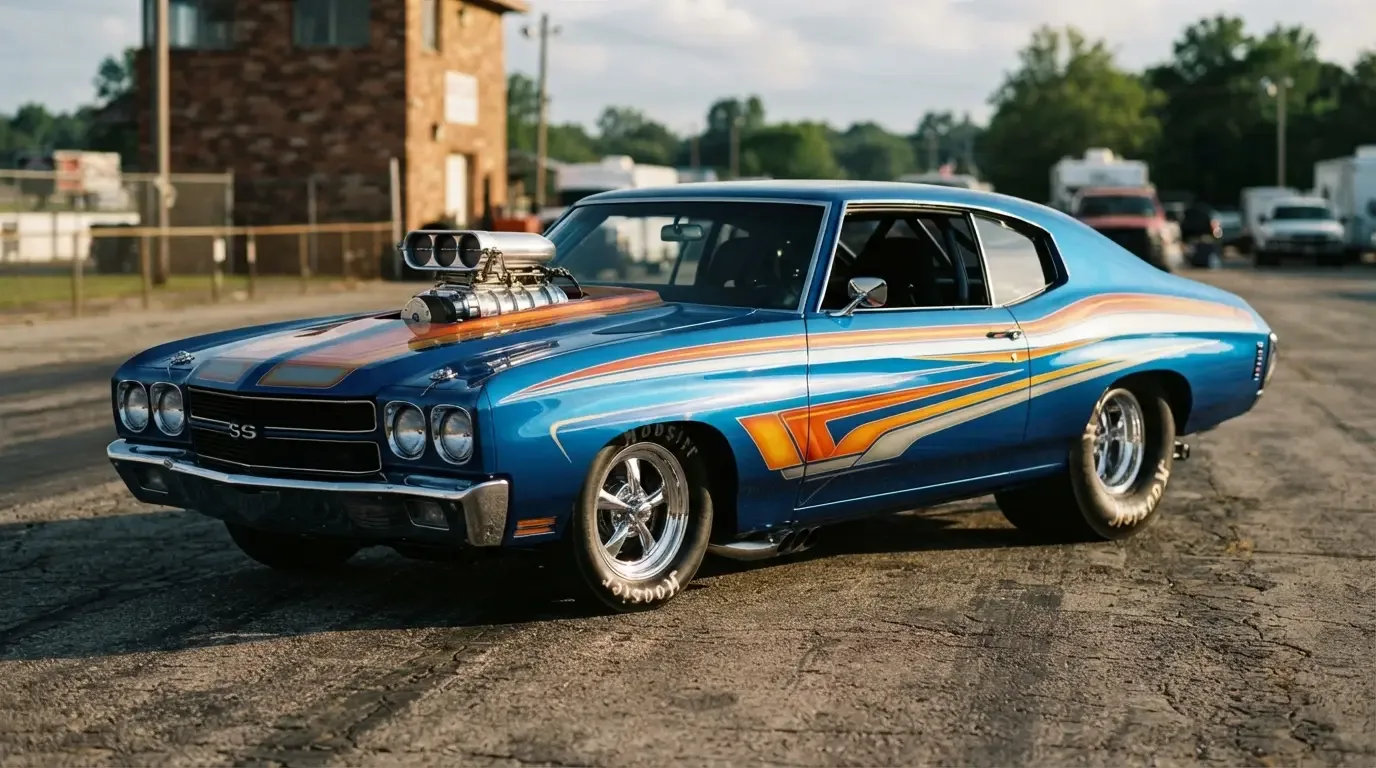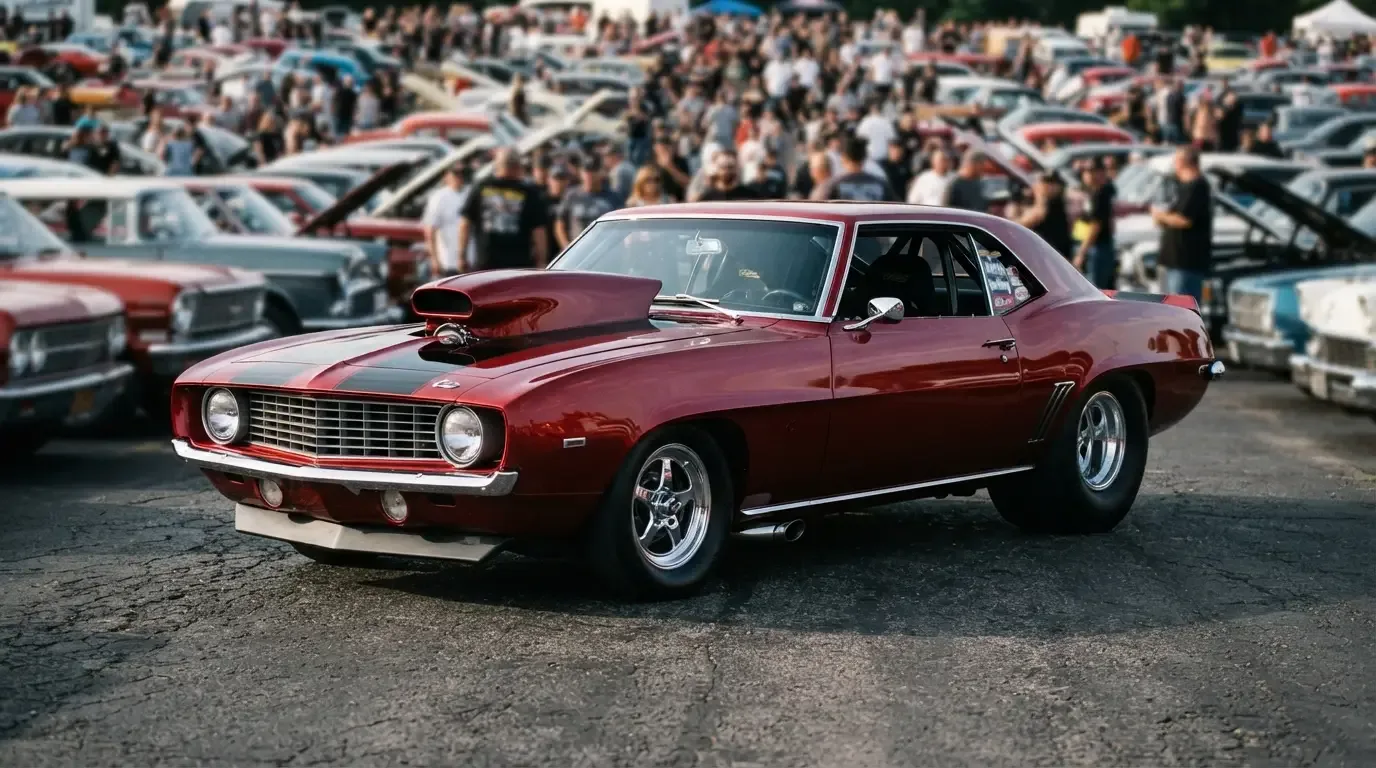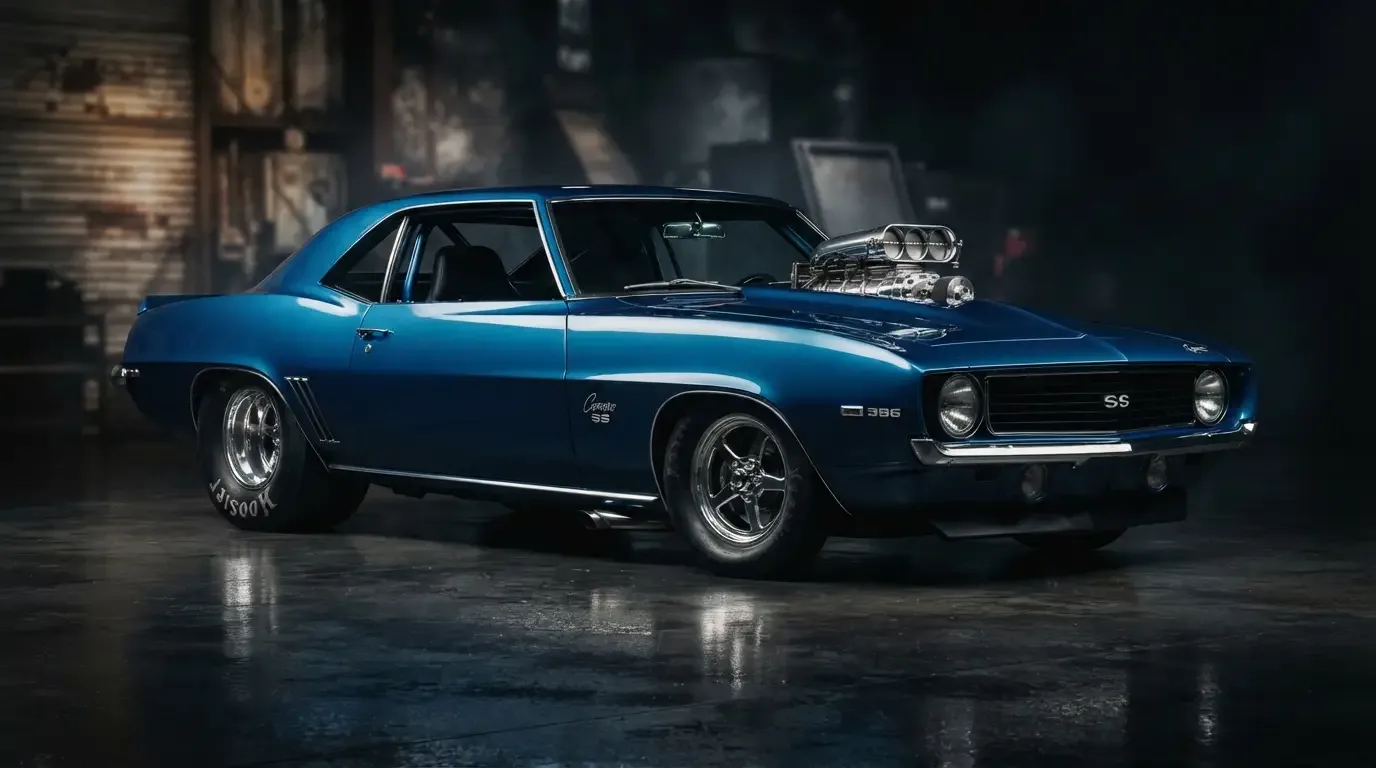
Somewhere in a garage in the early 1980s, a builder pinned a torn magazine page to the wall above his workbench, a photo of a tubbed Nova with a blower punching through the hood, and worked toward matching it for the better part of two years. That kind of scene played out in thousands of garages across the country, and it happened because of a magazine. Hot Rod magazine pro street coverage did not just document a movement that already existed in full form, it actively shaped what that movement became, giving scattered regional builders a shared picture of what they were supposed to be reaching for.
A magazine finding a subculture worth naming
Before Hot Rod started running dedicated features on the emerging style, the cars that would come to define Pro Street existed as a loose, regional phenomenon, drag strip influenced street builds without a unifying name or a clear sense of shared identity. What the magazine's editors and photographers did through the early 1980s was recognize a pattern across cars they were already covering, the wide tire, the tubbed rear end, the exposed big engine, and start treating it as a distinct category worth its own attention rather than a stylistic footnote inside broader hot rod coverage.
That act of naming and framing mattered more than it might seem from a distance. Once a magazine with national circulation started using a consistent term for the look and running regular features under that banner, builders in Ohio and builders in California suddenly had a shared reference point, a sense that they were part of something larger than their own local scene, even if they had never met another Pro Street builder in person.
The photographers who made the look aspirational
Photography did as much work as the writing in these early features. A well shot photo of a tubbed muscle car, low angle, tire filling the frame, engine bay lit to show off polished chrome, turned a backyard fabrication project into something that looked genuinely aspirational on a printed page. Readers who might never attempt a full tub job themselves still absorbed the visual language through these images, internalizing what a serious build was supposed to look like even before they picked up a welder.
Some of the builders whose cars appeared in these early features became minor celebrities within the community almost overnight, recognized at shows and swap meets by people who had only ever seen their work in print. That kind of visibility created real incentive, a builder with ambitions of magazine coverage had a template to chase, and the magazine's continued interest in fresh, more extreme examples pushed the visual envelope further with each passing year through the decade.
| Coverage Type | What It Provided | Effect on the Movement |
|---|---|---|
| Feature articles on individual builds | National visibility for specific cars and builders | Created aspirational templates other builders chased |
| Event and show coverage | Documentation of where the community gathered | Reinforced a shared national identity |
| Technical articles on tubbing and fabrication | Practical knowledge for aspiring builders | Lowered the skill barrier to entry over time |
| Cover placements | Peak visibility and prestige for a build | Raised the bar for what counted as a top tier car |
A quiet correction along the way
It would be too simple to say the magazine invented Pro Street outright, and to their credit, the writers covering the scene generally understood that. They were documenting a movement with real roots at the drag strip, not conjuring one from nothing. Where the magazine's influence was strongest was in acceleration and standardization, taking a scattered set of similar ideas happening independently across the country and compressing the timeline for those ideas to become a shared, recognizable style. The garage builder pinning that torn page to his wall was not copying a magazine's invention. He was joining a conversation that magazine had simply given a name and a stage.
"I think about how many of these builders never met each other, never spoke on the phone, and still ended up building nearly identical cars because they were all looking at the same photographs pinned above their workbenches."
- Nora Beckett
What the coverage left behind
Decades later, those old issues remain some of the best primary sources available for understanding how the movement actually developed, month by month, year by year, in real time rather than through the softened lens of later nostalgia. Anyone researching a specific era build, or simply trying to understand why the look codified so quickly across such a geographically scattered community, eventually ends up back at those pages, the photography, the captions, the technical breakdowns that quietly taught a generation of home garage builders how to chase a look they had only ever seen in print. For more on how this fits into the wider arc of the movement, read the background on where it all connects.
Hot Rod was not the only publication shaping the scene during these years, and readers curious about the fuller field of period publications will find the rival coverage from that stretch of years worth a look too. What both publications left behind, beyond the individual stories, is a documented trail connecting a generation of garage dreamers to the cars they eventually built, and for anyone who still feels that pull, there are always shop classic Pro Street car listings carrying that same lineage forward today.
What got lost when the coverage moved on
By the early 1990s, editorial attention had started to drift toward newer trends, and the steady drumbeat of Pro Street features that had defined the previous decade slowed considerably. That shift did not happen because the cars stopped being built. It happened because magazines, by nature, chase whatever feels newest to their readers, and a style that had been standardized and thoroughly documented for the better part of a decade eventually stopped feeling like breaking news. Builders who had grown up idolizing those early feature cars kept building anyway, often with less fanfare, working from the same visual template that had been handed to them years earlier through torn out pages and dog eared back issues.
What remains striking, looking back at that stretch of coverage now, is how much of it still holds up as a genuine historical record rather than simple advertising copy. The captions named real builders, real hometowns, real engine combinations, details that read today less like marketing and more like a careful accounting of who built what and when. For researchers and collectors trying to trace the provenance of a specific car decades later, that habit of careful documentation turned out to matter far more than anyone writing those captions in 1984 could have anticipated. A magazine feature meant to sell a few more copies at the newsstand became, without anyone quite planning it, one of the only reliable paper trails a car from that era might ever have.
Sources and notes
- Wikipedia: Pro Street
- Chevy Hardcore: Pro Street, A Look Back At The Bow-Tie Style That Never Gets Old
- In The Garage Media: Defining Muscle Car Terms, Pro Touring, Pro Street, and Street Freak
- Hagerty: Pro Street's Greatest Builds Honored at 2024 Grand National Roadster Show
- Hot Rodders Forum: What Is a Pro Street Car