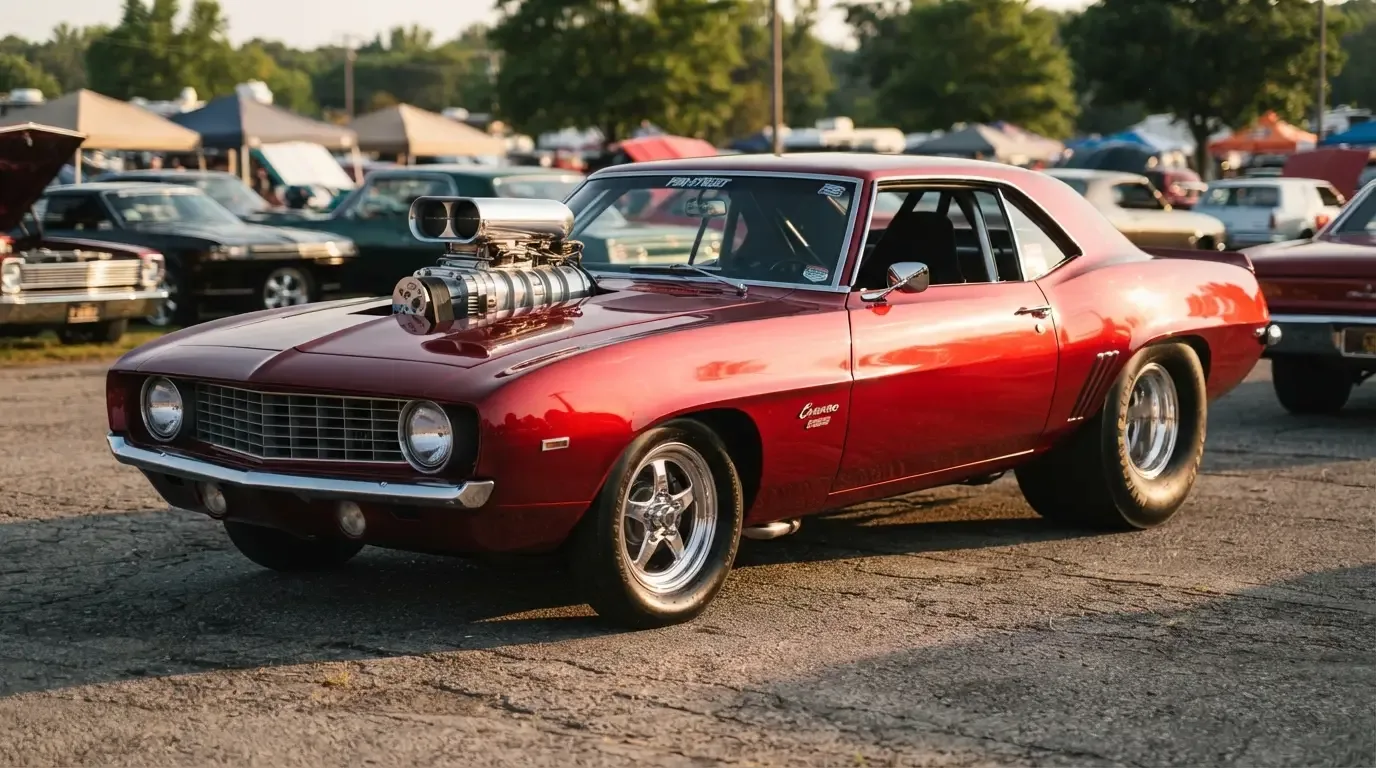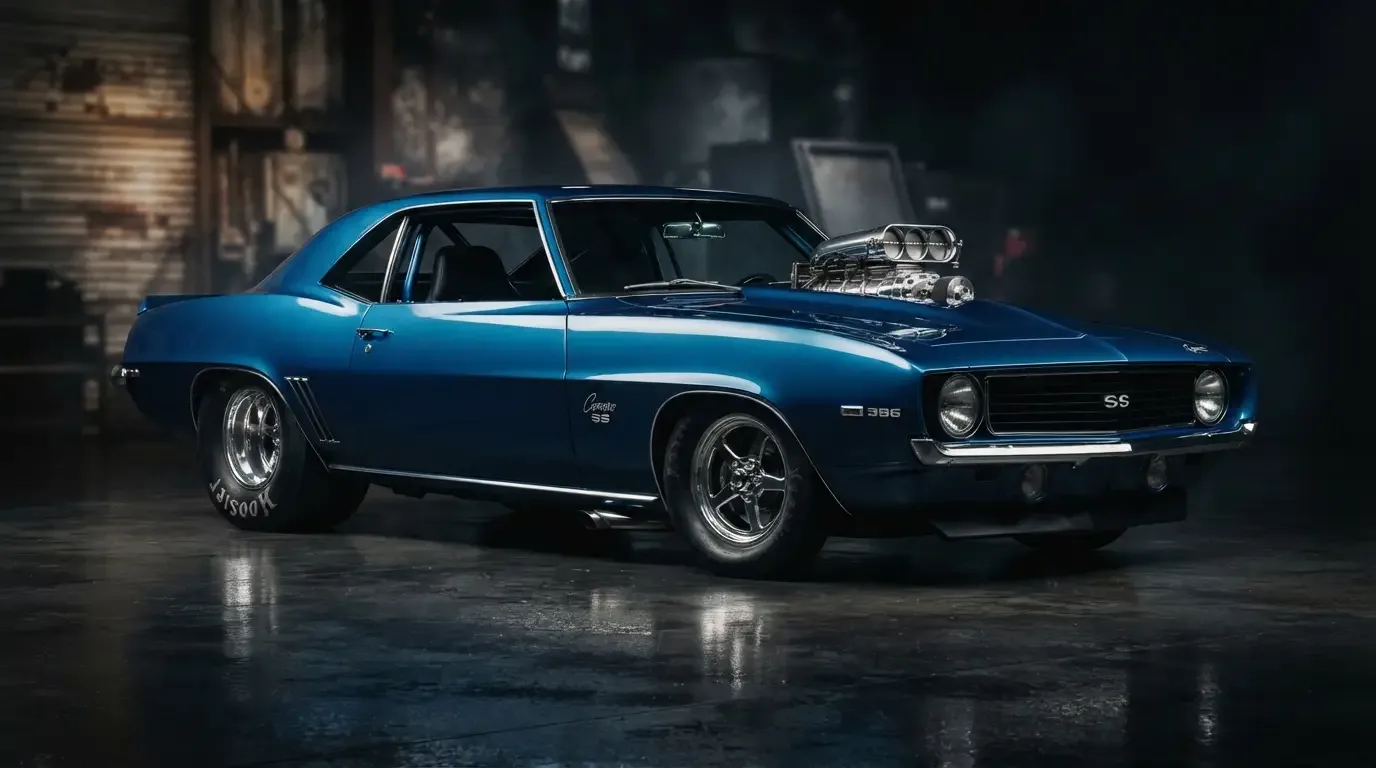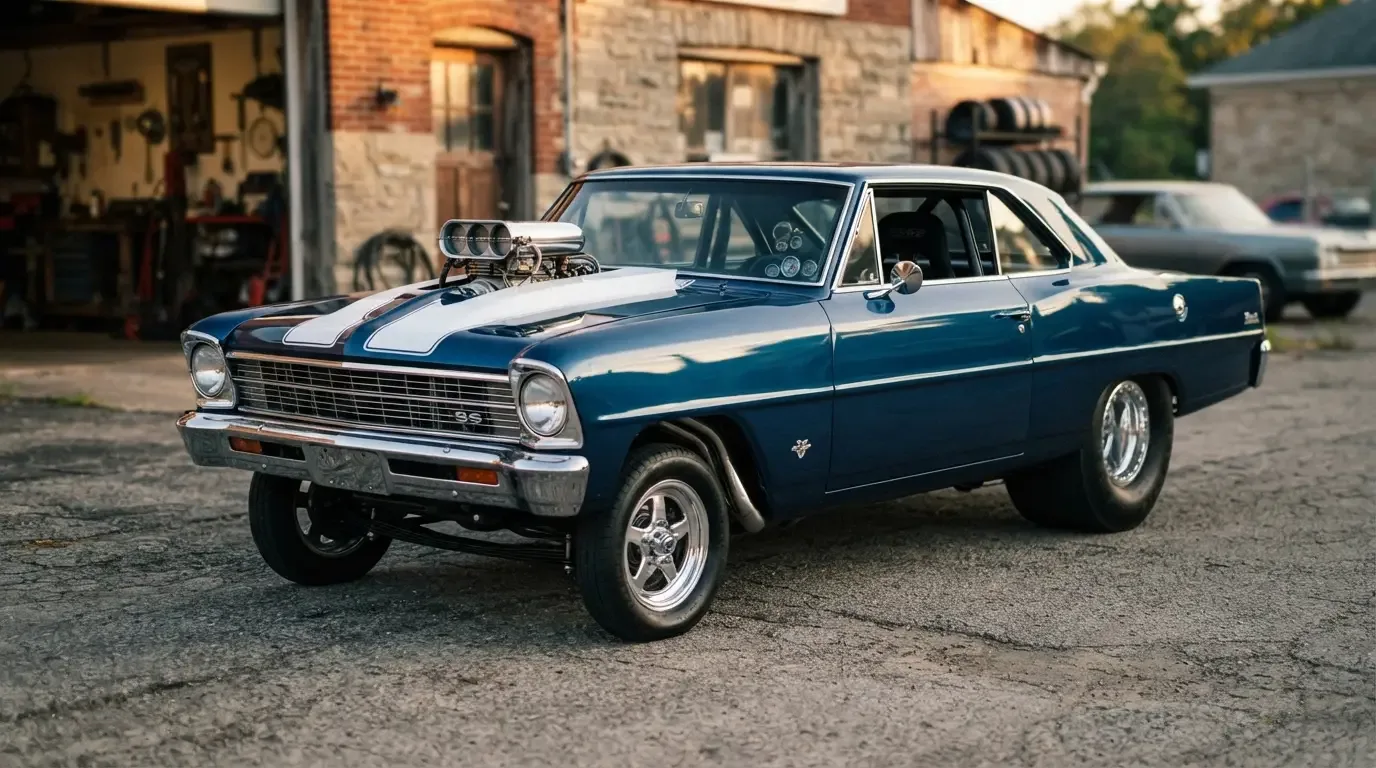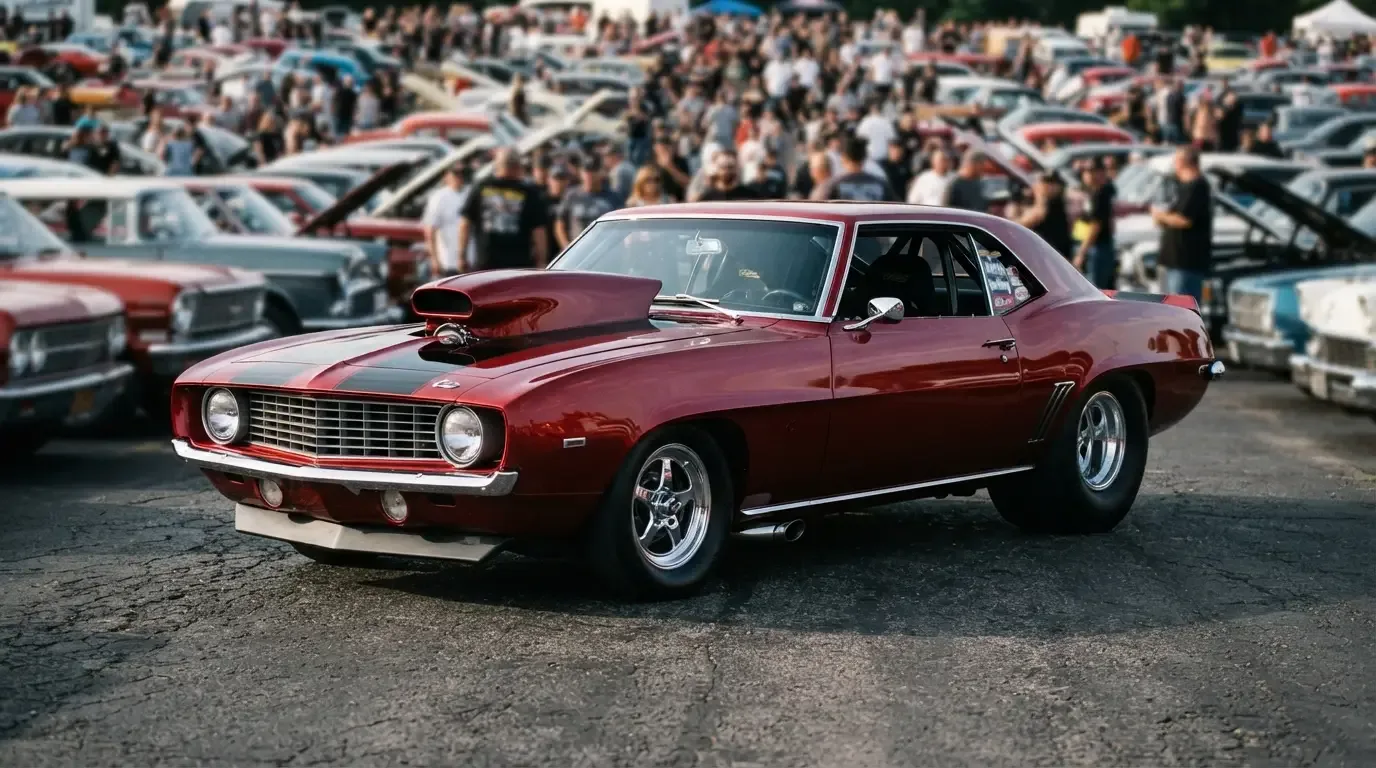
Car Craft magazine did not invent the Pro Street look, but it gave the movement its biggest stage. Every summer through the 1980s, the magazine's Street Machine Nationals turned a fairground into a rolling museum of tubbed, blown, and candy-painted muscle cars, and the coverage that followed sent the style into driveways from Ohio to Oregon. If you want to understand why so many builders chased the same wide-tire, injected-big-block formula for a decade, the Nationals and the magazine that ran them are the place to start.
A magazine that built its own audience
Car Craft had been covering drag racing and street performance since the 1950s, but by the late 1970s the staff noticed something happening outside the strip. Readers were building cars that looked like Pro Stock racers, complete with tubbed rear ends and injector stacks poking through the hood, then driving them home on the street. Rather than treat this as a fringe trend, the editors leaned into it. Feature after feature ran on these hybrid machines, and the magazine effectively named the movement it was documenting.
The Street Machine Nationals launched as a direct extension of that coverage. It was not a sanctioned drag series or a concours judged on paint depth. It was part car show, part grudge race, part reunion, and it gave builders a reason to finish the car they had been promising themselves for two years. Winning a class at the Nationals, or simply getting your car photographed in the pits, carried real weight among readers who had been following the magazine's Pro Street features.
What actually happened at the event
The format stayed loose by design. Cars were judged in classes based on engine combination and body style, but the real currency was attention. A well-executed tub job, a clean install of a blower through the hood, or an unusual color combination could get a car singled out for a magazine spread regardless of whether it won a trophy. Burnout contests and grudge match pairings drew crowds to the staging lanes, while the show field let owners walk their build past hundreds of people who understood exactly what they were looking at.
For a lot of first-time entrants, the trip itself was the story. Owners drove their cars hundreds of miles on street tires and license plates, swapped to slicks in the pits, ran a few passes, then buttoned the car back up for the ride home. That dual identity, race car and daily driver in the same package, was central to what the term itself, first used on a Car Craft cover around 1968, was meant to capture.
Weather and logistics were part of the story too. Fairgrounds venues meant dirt lots turned to mud after rain, staging lanes backed up for hours, and generators ran the sound system while announcers tried to keep a running commentary on cars that had traveled a thousand miles or more to be there. None of that discouraged entrants. If anything, the informality made the event feel closer to a grassroots gathering than a corporate trade show, and that authenticity is a big part of why people still talk about specific years decades later.
Local car clubs often organized convoys to the Nationals, turning the drive itself into a rolling event. A club from Indiana or Illinois might arrive as a group of a dozen cars, camp together in the infield, and treat the whole week as a reunion as much as a competition. Those relationships outlasted individual builds. Cars changed hands, engines got swapped, paint schemes evolved, but the friendships formed trackside kept people coming back year after year.
Why the coverage mattered more than the trophies
A magazine feature reached far more people than a single weekend at the fairground ever could. A car that placed well or simply photographed well at the Nationals could appear in an issue read by hundreds of thousands of enthusiasts across the country. That exposure created a feedback loop. Builders in states that never saw the Nationals in person were still copying the tubbed rear end, the narrowed rear axle, and the front-mounted blower setup because they had seen it in print. Car Craft was not just reporting on Pro Street, it was actively spreading the formula.
The magazine's writers also gave the movement its vocabulary. Terms describing tub width, injector hat styles, and paint trends showed up in captions and got repeated by readers at local cruise nights who had never met the original builders. Read more on the history of pro street cars for how those early features connected to the broader movement that grew out of drag strip culture in the late 1970s.
"You could always tell which cars in a parking lot had been built after somebody read a Car Craft feature. Same tub proportions, same stance, same attitude. The magazine did not just cover the trend, it taught half the country how to build one."
- Patrick Walsh
The Nationals as a proving ground
Competition at the event pushed builders to refine details that never would have mattered on a static show car. Tire clearance had to actually work when the car launched, not just look good parked. Blower belts had to survive repeated passes, not just a photo session. That functional pressure separated cars that were genuinely built to run from cars that were dressed up to look fast, and it is part of why the best Pro Street survivors from this era still hold up mechanically decades later.
The event also served as an informal talent pipeline. Builders who impressed at the Nationals sometimes picked up sponsorship deals or magazine cover shoots that launched their shops into national reputations. For readers wondering where this started, the answer runs directly through this event and the coverage surrounding it, since so many of the style's defining details were refined in that pressure cooker environment rather than in isolation.
The legacy today
The Street Machine Nationals eventually wound down as tastes shifted and the magazine's focus moved elsewhere, but its influence on Pro Street is hard to overstate. The cars that came out of that era, tubbed, blown, and built to be driven, are now sought after by collectors who grew up reading about them. Original Nationals entrants occasionally surface at auction with documentation tracing back to a specific issue, and that provenance adds real value for buyers who remember the magazine firsthand.
If you are chasing that same era today, plenty of surviving examples and tribute builds are available. Take a look at classic Pro Street cars on the market to see what condition and documentation are commanding right now, and how much of that Car Craft magic still lives in the cars themselves.
What is easy to forget now, decades removed from the newsstand era, is how much work went into producing that coverage. Staff photographers shot roll after roll of film in dusty pits, writers interviewed builders between rounds, and editors chose which cars made the cut for a limited number of pages each month. The Nationals gave them a concentrated window to gather a year's worth of Pro Street content in a single weekend, and that efficiency is exactly why the event became so central to how the style spread across the country.