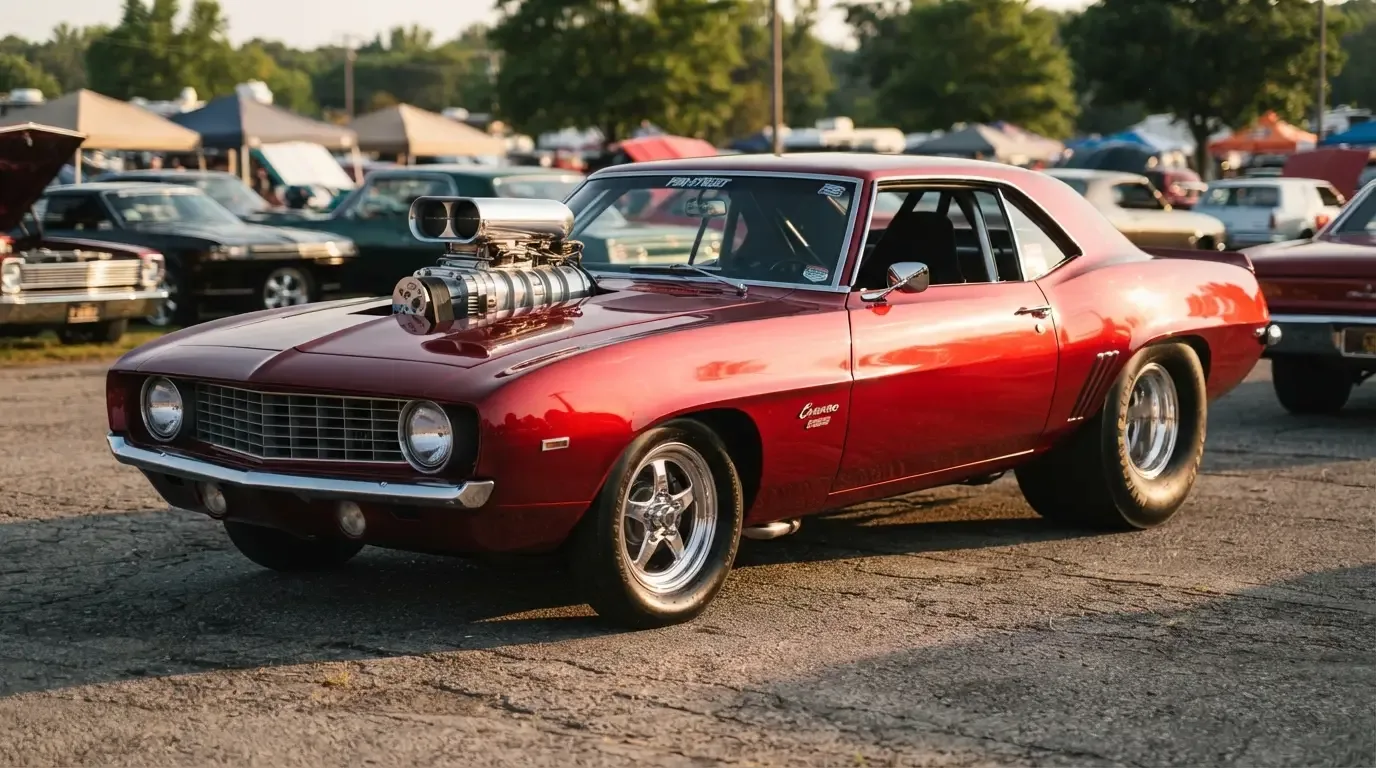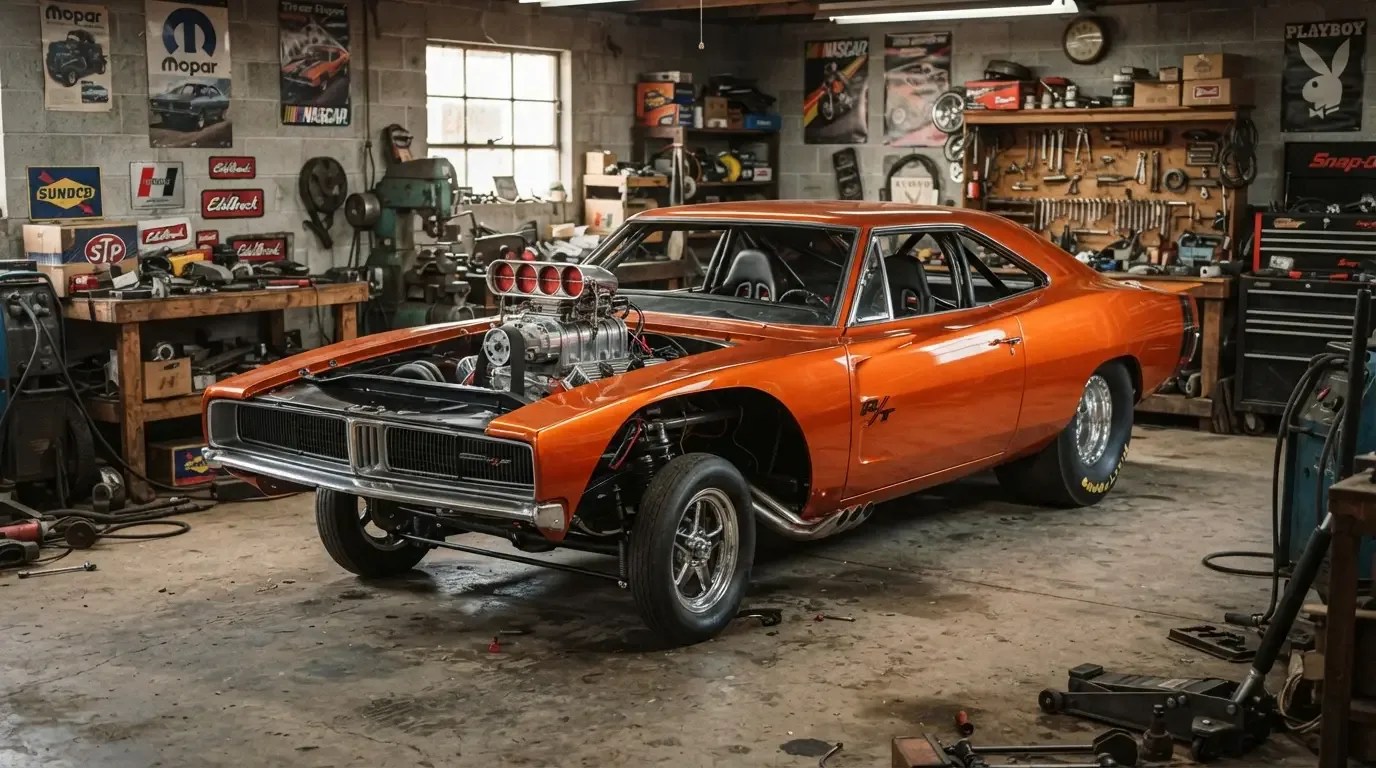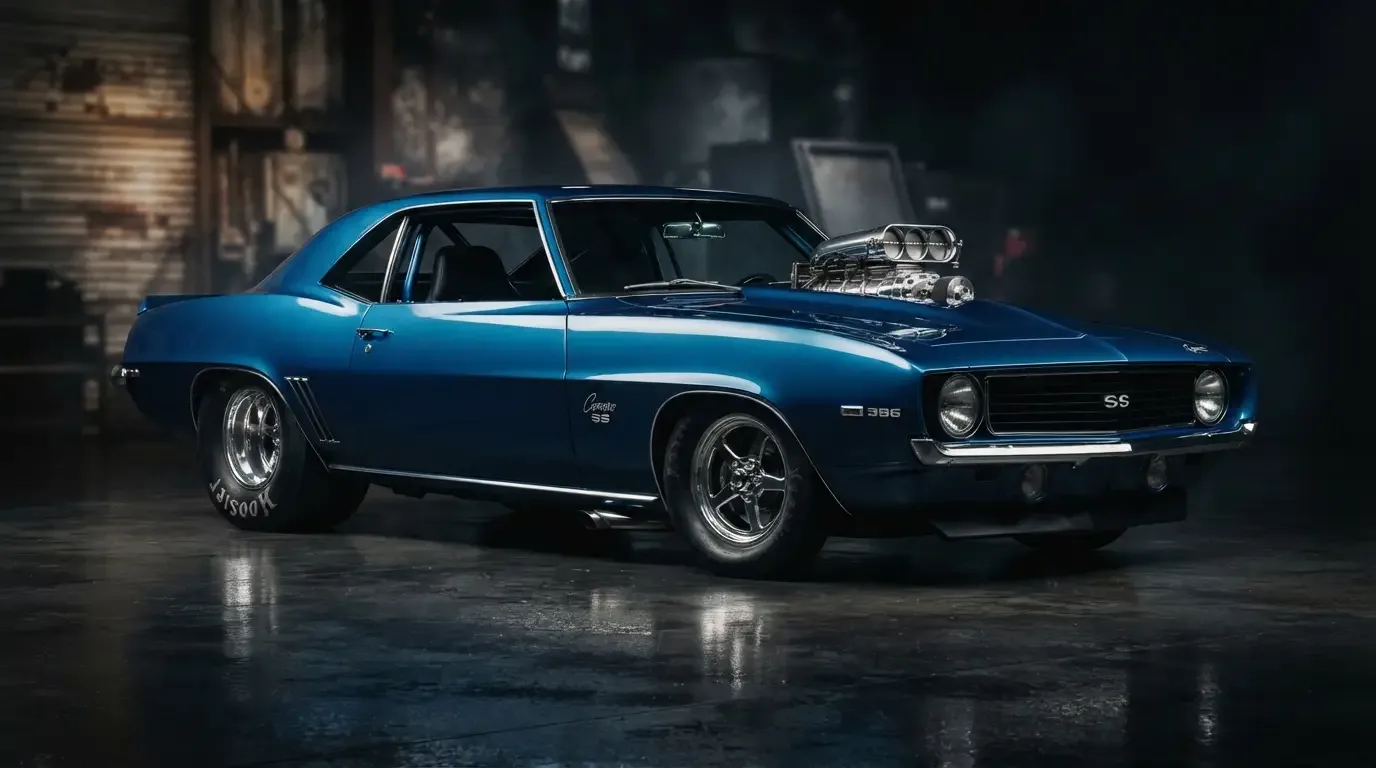
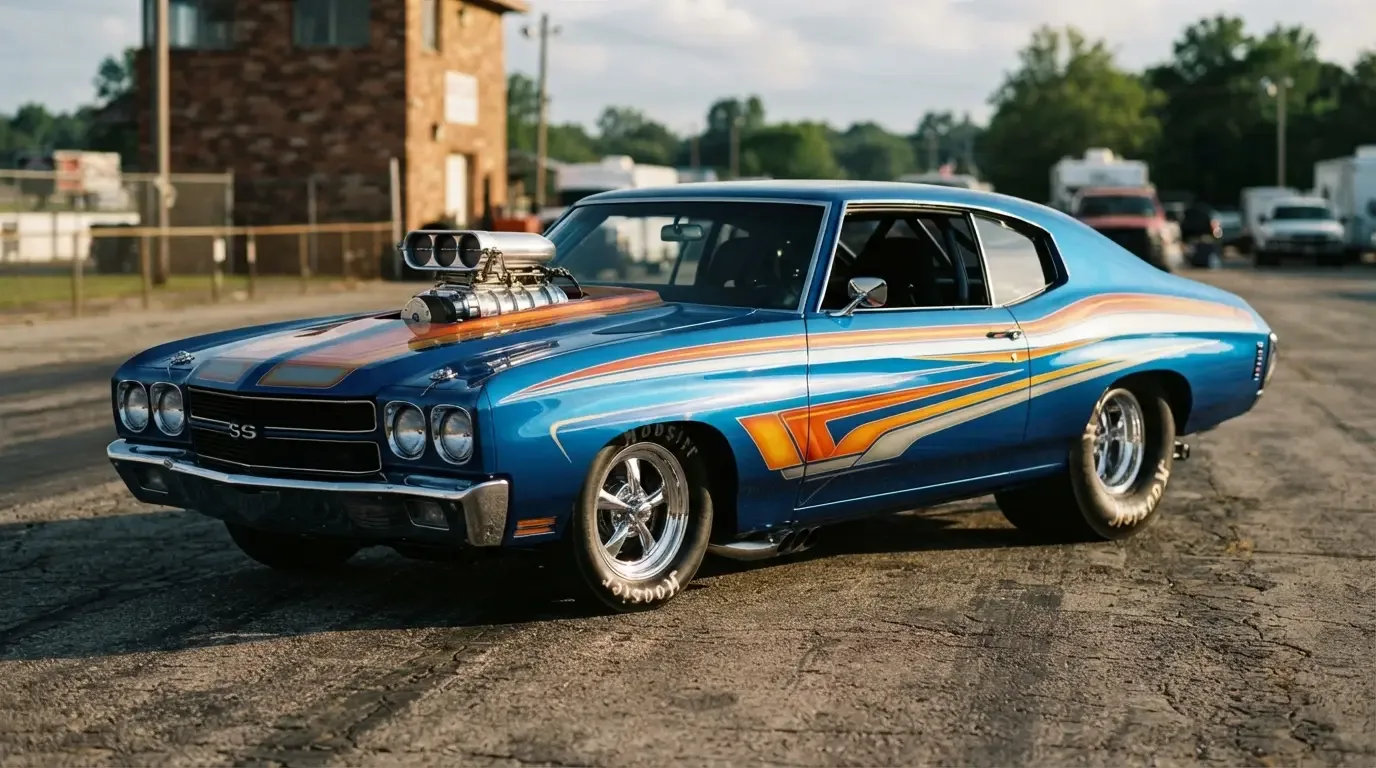
Any serious study of pro street 1980s builds has to begin with a simple observation, the decade did not invent the movement, but it is the period that gave it a name, a national audience, and the visual template that still defines the term today. What had been a scattered handful of drag strip influenced street cars in the late 1970s crystallized through the 1980s into a recognizable, documented, magazine covered movement with its own conventions and its own recognizable stars. Treating the era as an artifact worth studying in its own right, rather than a vague nostalgic backdrop, reveals just how quickly and how deliberately the look was codified.
The magazines that defined the standard
Hot Rod and Car Craft carried enormous weight in shaping what a Pro Street car was supposed to look like during this period. Regular features on notable builds, combined with event coverage and technical articles on tubbing and chassis fabrication, gave builders across the country a shared visual vocabulary to work from. A car featured in one of these publications did not just gain exposure, it effectively became a reference point other builders measured their own projects against, whether consciously or not.
This documentation matters enormously to anyone researching the era now. Unlike earlier, more scattered periods of hot rod history where photographic records can be sparse and hard to verify, the 1980s Pro Street era left a comparatively rich paper trail. Dated magazine issues, event photography, and even period advertisements for tubbing kits and narrowed rear ends provide a level of documentation that makes it possible to trace specific builds, specific shops, and specific stylistic trends with real precision.
Regional scenes with distinct character
While the national magazines presented a somewhat unified picture, regional Pro Street scenes through the 1980s developed distinct local character worth noting for anyone studying the period closely. Certain regions leaned harder into strip focused builds meant for genuine drag competition, complete with roll cages and stripped interiors, while other areas favored street driven show cars that prioritized paint and presentation alongside the tubbed rear end formula. These regional variations are not always obvious from magazine coverage alone, which tended to feature the most extreme or photogenic examples regardless of where they came from, but period local publications and club records reveal a more textured picture of how the movement actually played out on the ground.
| Period | Defining Development | Evidence Trail |
|---|---|---|
| Early 1980s | Term Pro Street enters common magazine usage | Dated magazine issues and features |
| Mid 1980s | Tubbing kits become commercially available | Period advertisements and supplier catalogs |
| Mid to late 1980s | Blower motors become a common signature feature | Widespread magazine cover appearances |
| Late 1980s | Movement peaks in national visibility | Dedicated event coverage and class structures at shows |
The technology that made the look accessible
A meaningful shift through the decade was the growing commercial availability of tubbing kits and narrowed rear end assemblies, which lowered the barrier to entry for builders who lacked the fabrication skill or shop access to build these components entirely from scratch. Early in the decade, achieving the Pro Street look still required substantial hands on fabrication expertise. By the middle years of the 1980s, a builder with more modest skills could purchase components that made the tubbed, wide tire look achievable in a home garage, which helped the movement grow well beyond the small circle of skilled fabricators who had pioneered it in the previous decade.
This democratization changed the character of the movement somewhat, bringing in a wider range of builders and, inevitably, a wider range of build quality. Documenting this shift matters for anyone evaluating a period built car today, since the era of commercially available components produced both excellent and mediocre examples, and quality now depends heavily on the individual builder's skill rather than any blanket assumption about the period itself.
"What strikes me studying period photographs from this decade is how quickly the visual language standardized. By 1985 you can identify a Pro Street car from a distance in a way that simply was not true five years earlier."
- Sarah Whitfield
Why the era still anchors the whole movement
Studying pro street 1980s builds as historical artifacts rather than simple nostalgia pieces reveals a movement that moved from informal drag strip influence to codified national style in a remarkably short window. The magazines standardized the look, the aftermarket made it accessible, and regional scenes added local texture that a purely national narrative tends to flatten. Cars that survive from this specific period, particularly ones with verifiable documentation from the time, occupy a genuinely important place in American automotive history, representing a moment when a subculture articulated its own visual identity with unusual speed and clarity.
For anyone researching further, tracing a specific build's place within this decade requires looking past the paint and toward the paper trail, the magazine dates, the component suppliers, the regional show records. For the fuller narrative arc connecting these years to what came before and after, our complete history provides the broader context. And for those looking to encounter this history firsthand rather than through archived pages, it remains possible to find a classic Pro Street car carrying genuine documentation from this defining decade.
The events that gave the movement a calendar
Dedicated Pro Street events emerged through the decade as the scene grew large enough to warrant its own gatherings separate from general hot rod and muscle car shows. These events gave the movement something a purely magazine driven identity could not, an actual annual calendar of gatherings where builders traveled significant distances specifically to show their cars alongside others built to the same general formula. Attendance records, event flyers, and trophy lists from these gatherings, where they survive, offer another useful layer of documentation for researchers trying to establish a specific car's history, since a car that placed at a named regional or national event in a given year has left a dated, verifiable mark on the historical record.
These events also functioned as a kind of informal judging system for the movement as a whole, rewarding builders who pushed tire width, engine presentation, and fabrication quality further with each passing season. That competitive pressure, subtle as it was, helped drive the technical escalation that defined the middle and later years of the decade, as builders who wanted trophies had genuine incentive to outdo what had won the previous year's event.
Notable shops and builders of record
Certain shops built reputations during this decade that outlasted the movement's peak visibility, becoming known specifically for tubbing work, narrowed rear end fabrication, or particular engine combinations that showed up repeatedly across multiple customer cars. Tracing a car back to one of these known shops, where documentation allows it, adds significant weight to any claim about the car's period authenticity, since these builders' techniques and signature details are well enough documented within the community to serve as a kind of fingerprint. A rear end narrowed by a specific known fabricator, for instance, might show consistent welding patterns or bracket placement that longtime observers recognize on sight.
This is part of why serious researchers treat the decade less as a monolithic style and more as the sum of many individual builders and shops, each contributing their own techniques and small variations to what eventually reads, from a distance, as a single unified aesthetic. Getting close enough to see those individual signatures is where the real historical work happens.
Sources and notes
- Hagerty: Pro Street's Greatest Builds Honored at 2024 Grand National Roadster Show
- Wikipedia: Pro Street
- Chevy Hardcore: Pro Street, A Look Back At The Bow-Tie Style That Never Gets Old
- In The Garage Media: Defining Muscle Car Terms, Pro Touring, Pro Street, and Street Freak
- Fuel Curve: Street Machines, Pro Street to Pro Touring, Part 1